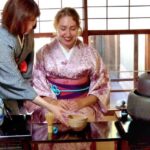
Kyoto slows down fast inside a tea room. This matcha ceremony takes you to the historic streets of Ninenzaka/Sannenzaka and keeps things refreshingly personal in a small group setting (max 15). You’ll get clear explanations of tea rituals and table manners, then a chance to prepare your own cup.
I especially like that you don’t just watch. You learn how to make matcha properly, and you also get to taste Uji matcha served with two seasonal, handmade-style Japanese sweets. One thing to plan for: the rules matter here (no perfume, socks required, and a calm phone policy), so if you’re expecting a casual free-for-all, this may feel strict.
If you want a Kyoto experience that’s quiet, guided, and hands-on—this is a strong pick.
In This Review
- Key reasons this tea ceremony is worth your time
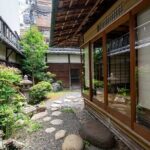
- A 150-Year-Old Kyoto Townhouse in Ninenzaka: where the mood starts
- How the Tea Master Teaches Matcha Etiquette and Rituals
- The Hands-On Part: making your own cup of matcha
- Sweets, Q&A, and the moment to slow down
- What to wear (and what to skip): small rules that matter
- Meeting point in Kyoto: Ninenzaka walk-in convenience
- Price check: is $28.90 good value?
- Who should book this matcha ceremony (and who might not love it)
- How to get the most out of your 50-minute session
- Should you book this Kyoto matcha ceremony?
- FAQ
- How long is the matcha tea ceremony experience?
- Is the session offered in English?
- Do I get to make my own matcha?
- What food and drinks are included?
- Are socks required, and is kimono included?
- Can I use my phone during the ceremony?
- Are there age limits?
Key reasons this tea ceremony is worth your time
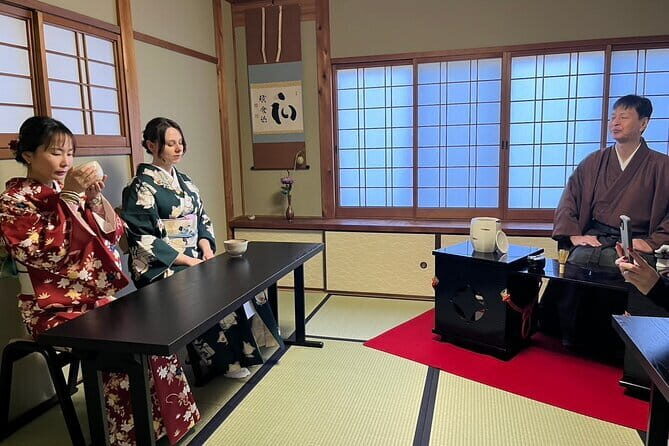
- A 150-year-old townhouse setting makes the whole ritual feel grounded, not staged
- Small-group format (15 max) helps you actually ask questions and follow instructions
- You make your own matcha, not just a spectator experience
- Uji matcha + two seasonal sweets are included, so you’re not paying extra at every step
- Clear etiquette rules (including a strict scent/phone policy) protect the atmosphere for everyone
- English instruction every day makes the ceremony easy to follow without guessing
A 150-Year-Old Kyoto Townhouse in Ninenzaka: where the mood starts
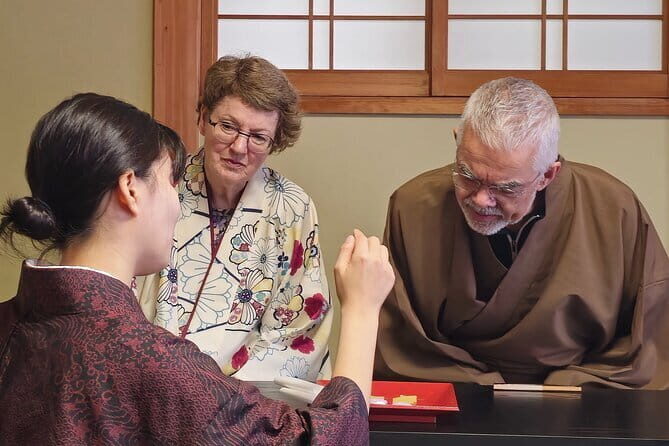
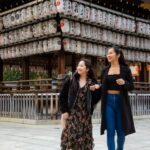
The experience begins in the Ninenzaka/Sannenzaka area, known for its preserved old-street vibe. The ceremony takes place in a traditional townhouse, and that matters more than it sounds. The room layout, the pacing, and the attention to silence all fit the setting, which helps you treat it like a real ritual instead of a quick photo stop.
The group stays intentionally small (up to 15). In practice, that usually means less waiting around and more interaction. You’re not fighting for space at a demo table, and the tea master can guide everyone without rushing.
Also, this is not a long event. The session runs about 50 minutes, which is a good match for Kyoto sightseeing days when you still want energy left for Sannenzaka lanes afterward.
A few more Kyoto tours and experiences worth a look
How the Tea Master Teaches Matcha Etiquette and Rituals
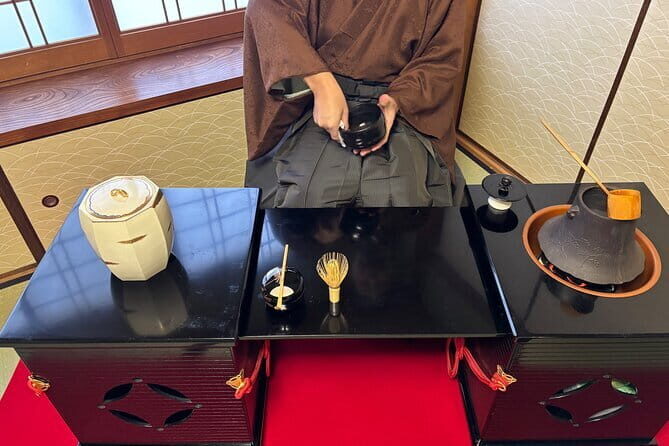
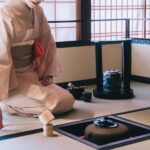
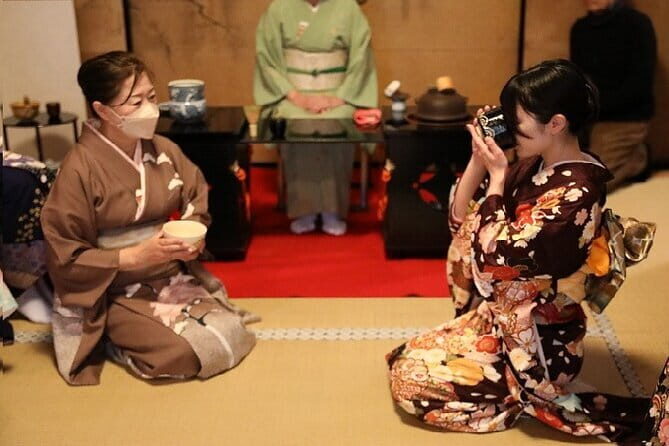
The core of this ceremony is instruction. An experienced tea master (with English support) explains tea etiquette, the utensils, and the ritual flow. You’ll hear the meaning behind what you’re doing, not just the steps. That’s the difference between tasting tea and understanding why it’s served with such care.
This is also where the experience feels most “Kyoto.” The focus is on attention: how you handle tools, how you present yourself in the room, and how the small sequence of actions builds the tea experience. Reviews repeatedly highlight that the session feels both informative and relaxed—so you’re not sitting through a lecture.
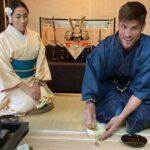
One included detail you’ll notice immediately: you’re served two cups of high-quality matcha made in Uji, Kyoto. That gives you a real taste benchmark while you learn. If you’re the type who wants to understand flavor as well as tradition, you’ll appreciate having the tea as part of the teaching, not just an afterthought.
The Hands-On Part: making your own cup of matcha
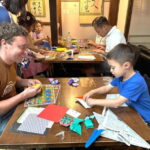
This is one of the biggest reasons people recommend this experience. You get a real chance to prepare your own matcha using the provided tools. The instruction is designed for first-timers, with the steps broken down clearly as you follow along.
Practical note: you’ll be working in a room where etiquette is taken seriously. That includes the way you move, how you hold utensils, and how you keep the moment calm. It’s not hard to follow, but you should treat it like a small class that happens to be beautiful.
There’s also a phone rule that affects your experience. In the tea room, only smart phones are allowed, and video recording during the instructor’s demonstration is prohibited. That’s done to protect focus and the atmosphere. Plan to keep your phone on your person, but don’t treat it like you’re filming a concert.
If you enjoy learning by doing, this section is where you’ll feel the value most. You leave not only knowing what matcha ceremony looks like, but what it feels like to make one cup with proper attention.
Sweets, Q&A, and the moment to slow down
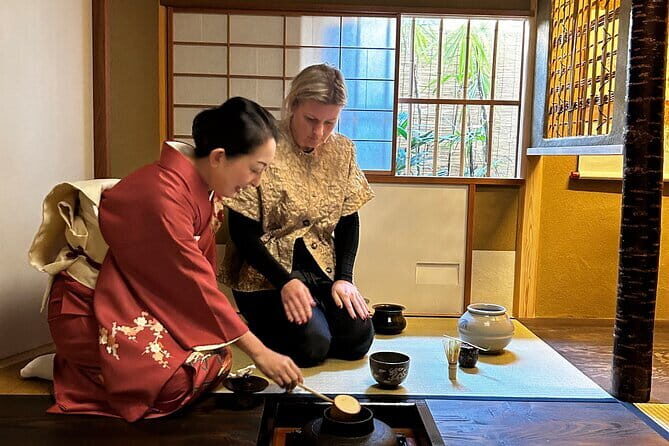
After the main tea preparation flow, the session ends with a question-and-answer segment. This is your chance to ask about the utensils, etiquette, or what you’re tasting. I like this structure because it keeps you from leaving with half-answered curiosity.
You also get traditional Japanese sweets. The package includes two different types of seasonal authentic Japanese sweets, served with your tea. The point here isn’t just dessert. It’s part of the pacing—sweet bites balance the bitterness and help you notice how matcha tastes across the ceremony.
One more subtle win: the room is calm enough that even people who weren’t sure they’d enjoy tea ceremony often end up feeling like they had a meaningful, restful pause in their day. A few review highlights specifically call out that the experience feels approachable while still feeling authentic.
What to wear (and what to skip): small rules that matter
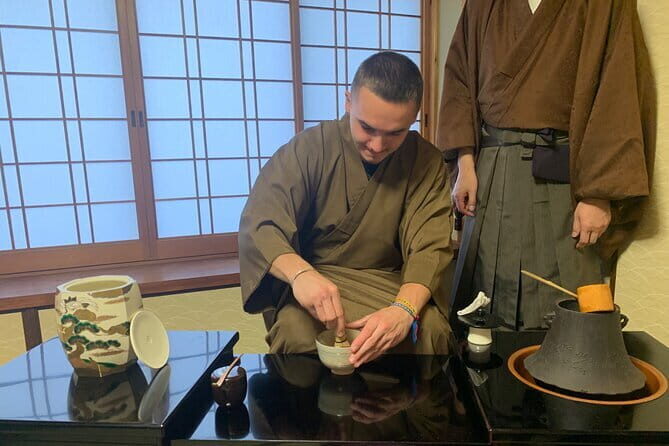
Before you go, read the dress and conduct notes carefully. This tea ceremony has clear expectations, and they’re there for both comfort and respect.
Here’s what you should plan on:
- Wear socks. If you forget, you can purchase socks.
- Choose clothing that doesn’t expose too much skin.
- No perfume is allowed, since scent can interfere with the smell of incense and tea in the room.
- Children under 7 aren’t allowed to participate.
- If you have allergies, inform the organizers in advance.
Two things from reviews are worth your attention. First, punctuality matters in a room like this. One review mentioned being kept waiting because of a previous group, and it clearly affected the mood. Second, the experience depends on good behavior. If someone in your group acts disruptive, it affects everyone’s concentration.
If you’re traveling with kids, note that children can enjoy this when they’re old enough to follow the tone and rules. The age limit is under 7, so plan around that.



Meeting point in Kyoto: Ninenzaka walk-in convenience
You meet at Tea Ceremony & Cultural Experience Kangetsu Kyoto (日本文化体験教室 寒月), Kyoto Ninenzaka 349-19, Masuyachō, Higashiyama Ward, Kyoto 605-0826, Japan. The activity ends back at the same meeting point.
The location is near public transportation, which helps a lot because Sannenzaka/Ninenzaka is best explored on foot. You also receive help finding the spot (a text message is mentioned in review-style feedback), and the directions are described as straightforward.
Timing tip: if you’re pairing this with other Ninenzaka/Sannenzaka stops, give yourself a little buffer. You don’t want to rush into the tea room right after crossing crowds.
Price check: is $28.90 good value?
At $28.90 per person, the price is competitive for a Kyoto cultural activity, especially because key costs are bundled in.
What you get included:
- All fees and taxes
- Tools to make your own tea
- Two cups of matcha made in Uji, Kyoto
- Two different seasonal Japanese sweets
What isn’t included:
- Bottled water, soda/pop, and alcoholic beverages
- Kimono rental (optional), and socks (you can bring them or buy on-site)
- Any extra purchases like takeaway matcha (some people like to buy tea afterward in the shop context)
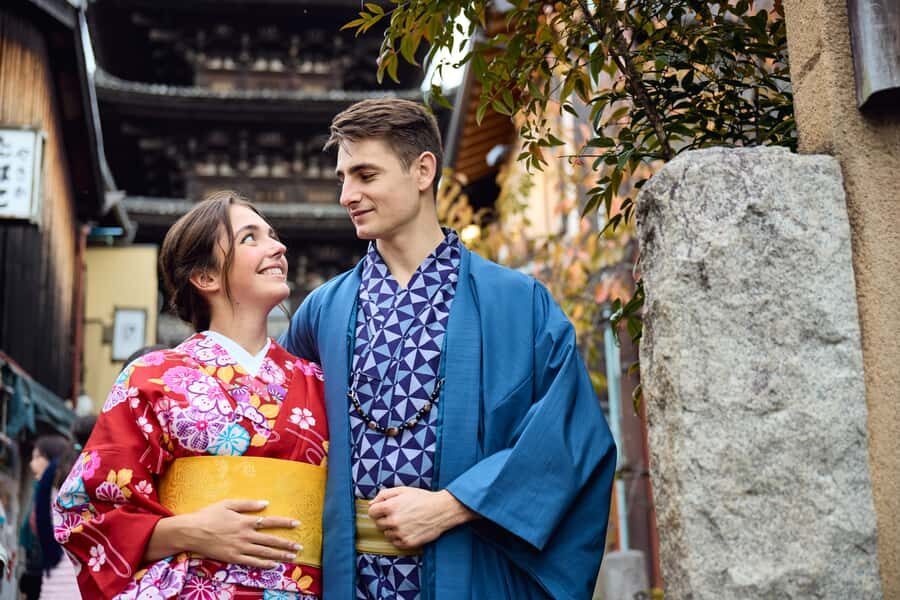
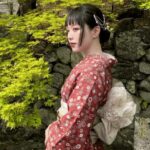
There’s also a kimono option: you can rent a 2-piece type kimono for 1,000 JPY. Reviews mention that this add-on may be charged separately, so expect it if you want the classic look.
My take: this price feels fair because you’re not only paying for a show. You’re paying for a guided lesson, provided equipment, actual hands-on making, and drinks + sweets. If you were planning to buy matcha anyway, you’re already getting a taste and understanding before you choose what to take home.
Who should book this matcha ceremony (and who might not love it)
This experience is a great fit if:
- You want a hands-on Kyoto cultural activity that isn’t overly long
- You care about etiquette and want your questions answered in a real setting
- You like matcha and want to taste Uji matcha while learning how the ceremony works
- You appreciate a calm atmosphere where people keep their voices down and phones behave
It might be less ideal if:
- You’re expecting a fully private, one-on-one format. This is a group experience capped at 15.
- You don’t want to follow room rules like no perfume and the phone restrictions.
- You’re looking for something high-energy or entertainment-first.
If you’re visiting as a couple, this is especially nice: the ceremony is intimate without feeling cramped. Several reviews specifically frame it as a lovely couple experience.
Families can also enjoy it when kids meet the age requirement. Reviews mention kids participating and appreciating the history and activity, which is exactly what you want from a family-friendly culture stop: structured, not chaotic.
How to get the most out of your 50-minute session
You’ll enjoy this more if you show up ready to focus. Here are a few smart habits:
- Arrive a few minutes early so you don’t start the ritual rushed.
- Keep your phone ready, but don’t treat it as the main event. Remember: video recording during the instructor’s demonstration is prohibited.
- Skip perfume completely for the day. If you’re sensitive to smells, this is actually a plus—tea is meant to be smelt and tasted.
- Ask questions during the Q&A. That’s where you’ll get the practical “why this, not that” answers that make the ceremony click.
Also, go into it expecting that the ceremony is partly about self-control and attention. It’s not only about tea flavor. When you respect the room, the tea master can guide you smoothly—and the experience becomes surprisingly memorable for something so simple on paper.
Should you book this Kyoto matcha ceremony?
If you want a Kyoto experience that feels both authentic and doable, I’d book it. The best reasons are the same ones that drive a high recommendation rate: the hands-on matcha making, the Uji matcha + seasonal sweets included, and the small-group atmosphere that keeps the room calm and personal.
Book this especially if you’ve got one free hour and you’d like your afternoon to include something reflective, not just photos and shopping.
Two quick decision helpers:
- If you’re sensitive to scents or strict rules, this may actually be comfortable because the ceremony enforces a scent-free atmosphere. Just follow the perfume and clothing guidance.
- If you need more flexibility for “private” expectations, make sure you’re comfortable with a small-group class format.
If the weather turns bad, it’s noted that the experience may be canceled and you’ll be offered another date or a refund. That’s worth keeping in mind when Kyoto plans depend on walking between neighborhoods.
Overall: for the price, you’re getting a well-structured cultural session with real tea, real making, and real instruction. That combo is hard to beat.
FAQ
How long is the matcha tea ceremony experience?
It runs about 50 minutes (approx.).
Is the session offered in English?
Yes. English experiences are provided every day.
Do I get to make my own matcha?
Yes. You use tools to prepare your own cup, with guidance from the instructor.
What food and drinks are included?
You receive two cups of matcha (made in Uji, Kyoto) plus two types of seasonal Japanese sweets.
Are socks required, and is kimono included?
Socks are required. If you forget them, you can buy socks. Kimono is not included, but you can rent a 2-piece kimono for 1,000 JPY.
Can I use my phone during the ceremony?
Only smart phones are allowed in the tea room, and video recording during the instructor’s demonstration is prohibited.
Are there age limits?
Children under 7 years old are not allowed to participate. If you have allergies, you should inform the organizers in advance.