Kyoto slows down fast in Fushimi. This 3.5-hour tour strings together Choken-ji Temple, a Jikkoku-bune canal boat ride, and a hands-on stop at a major sake brewery area, all with an English-speaking guide.
I especially like the pacing. You get quiet time at the temple, then a full hour gliding along the canals with willow trees and old sake-warehouse scenery. I also like how the sake portion is practical: at the Gekkeikan Ōkura Sake Museum, you see how brewing works (including a documentary-style intro) and then you taste multiple sakes.
One thing to consider: this experience requires good weather. If conditions are poor, it can be rescheduled or refunded, so plan your Kyoto days with a little flexibility.
In This Review
- Key points before you go
- Fushimi by canal boat: the slower way to see Kyoto
- The 9:00 a.m. plan and how it actually feels in real time
- Choken-ji Temple: quiet time plus the Shinto–Buddhism context
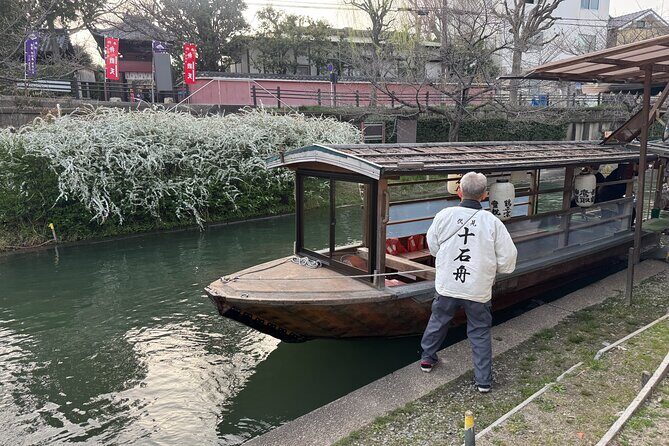
- Riding the Fushimi waterways on a Jikkoku-bune boat
- Gekkeikan Ōkura Sake Museum: tools, brewing history, and tasting
- The Fushimi Yume Hyakushu Cafe reset: slow down and land the plane
- Price and value: what $58 buys you in Kyoto terms
- Who this tour fits best (and who might not love it)
- A quick style note on the guide and the “how” of the experience
- Should you book this Fushimi Kyoto tour?
- FAQ
- How long is the Fushimi Kyoto walking tour with sake tasting and a canal boat ride?
- What does the tour price include?
- Is admission included for all stops?
- Where do I meet, and where does the tour end?
- What time does the tour start?
- How large is the group?
- What if the weather is poor?
- Is hotel pickup included?
Key points before you go
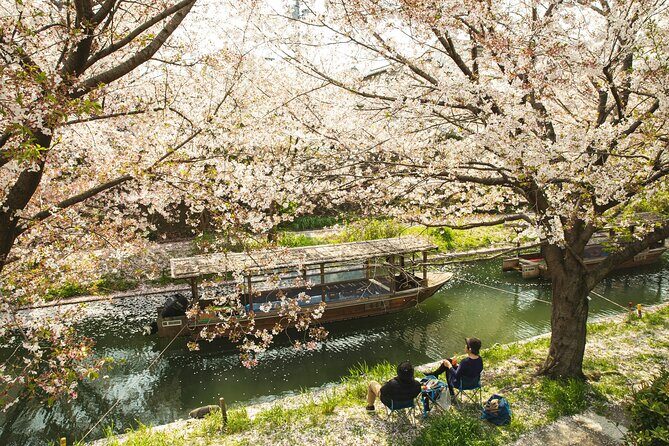
- Jikkoku-bune canal ride through Fushimi’s waterways, with classic sake-warehouse scenery
- Choken-ji Temple stop that explains connections between Shinto and Buddhism
- Gekkeikan Ōkura Sake Museum with brewing history tools and guided tasting
- Small group cap (max 9) keeps the walk and explanations from feeling rushed
- Stops are time-balanced across temples, boat time, museum, and a relaxing cafe finale
Fushimi by canal boat: the slower way to see Kyoto
If you’ve only walked Kyoto’s main streets, this tour is a smart reset. Fushimi’s canal system was built for moving goods, and the boat ride is a quick way to understand why. From the water, you see the district’s old layout: the warehouses, the shoreline lines, and the way the waterways fit into everyday life.
The boat itself is the big draw. You ride a traditional Jikkoku-bune, and the route goes through canals lined with willow trees and that iconic Fushimi look: timber buildings, warehouse facades, and a calmer pace than the sidewalk.
One more practical benefit: a canal ride is low-effort sightseeing. Instead of weaving through crowds, you sit back and let the scenery come to you, which is a big win in Kyoto when your feet start bargaining for mercy.
Other sake brewery and tasting tours in Kyoto


The 9:00 a.m. plan and how it actually feels in real time
This tour runs about 3 hours 30 minutes, which is a good length for a half-day slot. Starting at 9:00 am keeps it from eating your whole afternoon, and the itinerary flows in a way that doesn’t overload any single stop.
You’ll begin at Chushojima Station (near Yoshijima Yaguracho, Fushimi Ward). The day ends at Fushimi Yume Hyakushu Cafe. That ending matters: it’s a natural place to pause after walking, because you’re done with the main “moving parts.”
With a max group size of 9 travelers, the tour feels more like a guided neighborhood walk plus special-ticket moments, not a crowded bus-and-camera sprint.
Choken-ji Temple: quiet time plus the Shinto–Buddhism context
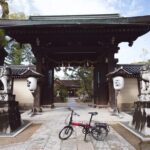
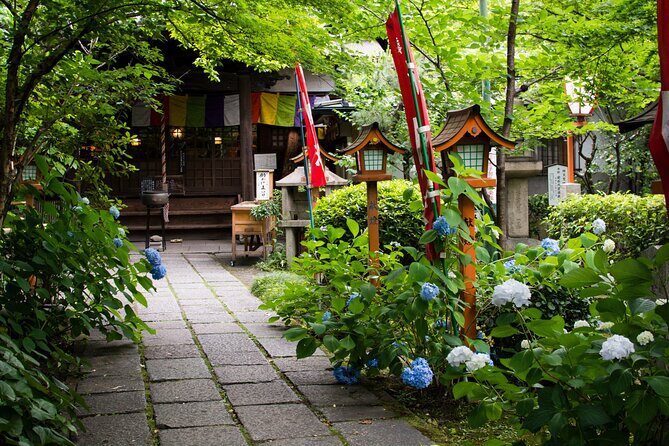
Your first stop is Choken-ji Temple. It’s paced at about 30 minutes, long enough to take in the atmosphere without feeling like you’re stuck in a line.
What makes this temple stop more than a checklist item is the explanation. The guide shares how Shinto and Buddhism show up together in Kyoto, and you get context for what you’re seeing rather than just looking at buildings and gates.
This kind of framing is useful because temples can feel cryptic if you only see the surface. Even if you can’t read the symbolism, you can usually catch the big themes once someone ties the site to local traditions.
Riding the Fushimi waterways on a Jikkoku-bune boat
The heart of the experience is the canal ride. You’ll spend about 1 hour on the boat, and this is where the tour earns its keep.
From what you’ll see, Fushimi’s canals weren’t just scenic. They were working infrastructure—especially for a sake district. The guide explains how waterways mattered for transportation and trade, including the importance of canal locks. That detail turns the ride from pretty scenery into a mini lesson you can remember.
Also, the setting is ideal for photos and for just watching. Willow-lined canals give a soft rhythm. Traditional sake-warehouse scenery gives you that “this is why the district is famous” feeling.
A practical note: the boat is part of why the tour needs decent weather. If skies are rough, you’ll feel it more on water than on streets.
Gekkeikan Ōkura Sake Museum: tools, brewing history, and tasting
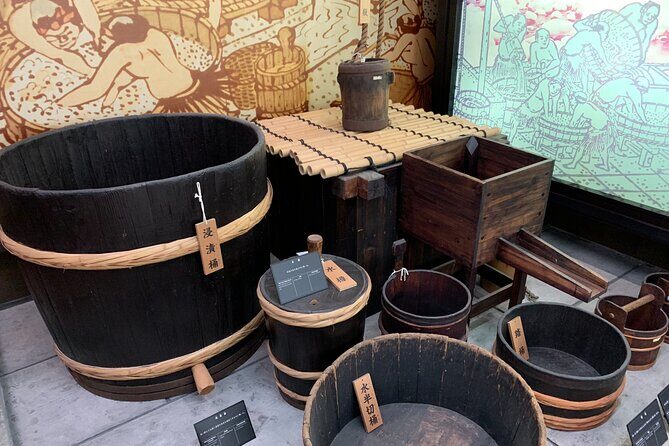
After the boat, the tour shifts gears into sake culture at the Gekkeikan Ōkura Sake Museum. This stop runs about 1 hour, and it’s structured for you to leave with something more than a vague souvenir memory.
You can expect a museum-style visit focused on brewing tradition—historical tools and techniques are shown, and you’ll also watch a documentary-style introduction that explains the process in plain terms. That combination helps you connect what you saw in the museum to what you’ll taste.
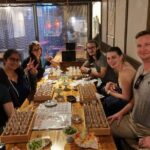
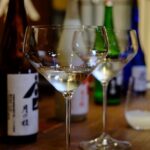
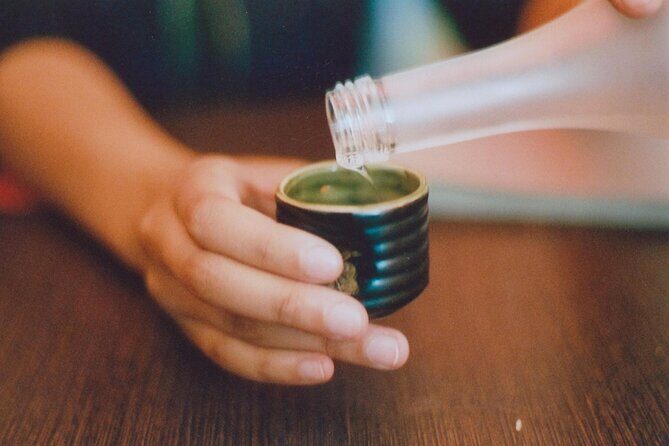
Then comes the tasting. You’ll sample a curated set of sakes, and the best part is that you’re not just drinking. You’re learning enough about brewing basics that your palate can pick up differences—sweetness, dryness, and the way flavors shift.
If you’re new to sake, this is a friendly way to start. If you already like it, this stop gives you enough context to make your comparison more thoughtful than just sip-and-smile.
Other walking tours we've reviewed in Kyoto



The Fushimi Yume Hyakushu Cafe reset: slow down and land the plane
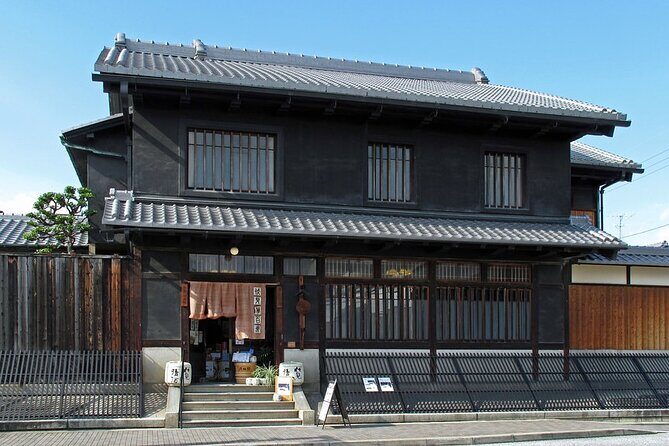
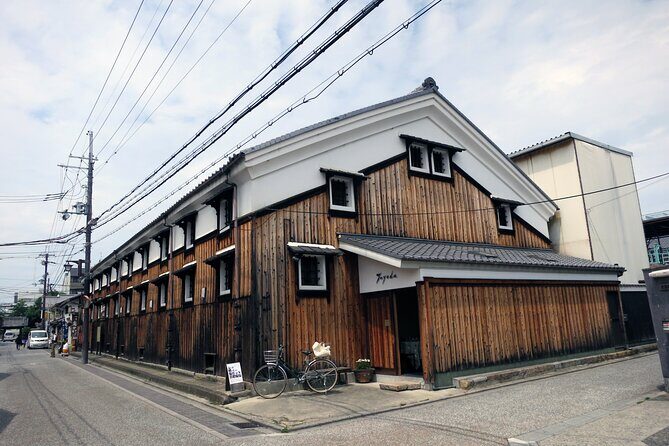
The final stop is Fushimi Yume Hyakushu Cafe, with about 30 minutes built in. It’s in a former merchant house setting, which gives it that nostalgic old-district feel.
This is a smart end point because it’s not another rushed “one more place” stop. After the temple, boat, and museum, you’ll likely want a place to sit, regroup, and reflect on what you just learned—especially the water-and-brewing story that ties the whole day together.
Even if you’re not ordering anything fancy, the cafe is a good spot to decompress. You’ll also have an easier moment planning the rest of your Kyoto day since you’re not ending at a random street corner.
Price and value: what $58 buys you in Kyoto terms
At $58 per person, this tour is priced like a midrange specialty experience. What makes it feel fair is that your money is paying for several “separate-ticket” elements in one smooth half-day package:
- English-speaking guide (the explanation component is the value)
- Boat fee (this is usually where smaller tours can get expensive)
- Sake tasting (you’re not guessing what to order later)
- Walking tour across multiple themed stops
Also, the group size cap at 9 travelers supports the quality of the guide’s interaction. If you’ve done larger tours in Kyoto, you know how quickly explanations get muffled. Here, you’re set up to hear and ask questions.
One more value angle: you avoid the headache of chaining together multiple locations on your own. The tour structure does the timing for you, and it keeps the day from turning into “transport stress roulette.”
Who this tour fits best (and who might not love it)
This is a great fit if you want Kyoto that’s more than shrine photos. You’ll get spiritual context at Choken-ji, a working-meets-aesthetic look at Fushimi canals from the water, and then a structured introduction to sake culture at Gekkeikan.
It’s also a good choice if you like variety. One reason people rate this kind of tour highly is that it doesn’t repeat the same mode of sightseeing three times. You’ll walk, ride, museum-visit, then sit.
You might think twice if:
- You hate any boat component (you have a full 1-hour ride)
- You’re traveling at the mercy of weather and can’t shift plans around reschedules
- You only want temples or only want food, and nothing else
A quick style note on the guide and the “how” of the experience
Your guide is part of why this works. In the best versions of this tour, the explanation is crisp and connected: Shinto and Buddhism at the temple, waterways and locks during the canal portion, and brewery background at the museum.
If your guide is someone like Marcelo (a name that comes up with standout enthusiasm), you’ll likely feel the tour as a story rather than a list. That’s what makes the tasting more meaningful, too—you’re tasting with context, not just counting cups.
Should you book this Fushimi Kyoto tour?
Yes, I’d book it if you want a compact, high-impact introduction to Fushimi that mixes temple context, canal storytelling, and real sake tasting in one half-day block.
Consider skipping or waiting if you strongly prefer independent exploring and don’t want a timed itinerary, or if your schedule is so tight that a weather-triggered change would cause trouble.
If you’re building a Kyoto itinerary, this is a strong way to spend one morning or half-day without burning your whole day in transit.
FAQ
How long is the Fushimi Kyoto walking tour with sake tasting and a canal boat ride?
It’s approximately 3 hours 30 minutes.
What does the tour price include?
It includes an English-speaking guide, a walking tour, sake tasting, and the boat fee.
Is admission included for all stops?
The information provided says admission ticket costs are free for the temple and the sake museum, and the cafe stop is also listed as free.
Where do I meet, and where does the tour end?
It starts at Chushojima Station (near Yoshijima Yaguracho, Fushimi Ward, Kyoto) and ends at Fushimi Yume Hyakushu Cafe (Kyoto, Fushimi Ward, Minamihamachō, 247).
What time does the tour start?
The start time is 9:00 am.
How large is the group?
The maximum group size is 9 travelers.
What if the weather is poor?
This experience requires good weather. If it’s canceled due to poor weather, you’ll be offered a different date or a full refund.
Is hotel pickup included?
No. Hotel pickup and drop-off are not included.