Kyoto’s spiritual shortcuts start with torii. This 3-hour guided walk links Fushimi Inari’s famous vermilion gate tunnel with Kiyomizu-dera’s iconic wooden stage and sacred water stop, so you get both Shinto and Buddhist highlights without crisscrossing the city all day. Temple admission is included, and you’ll use a mobile ticket.
What I like most is how the route turns sightseeing into context. The guides (you may hear stories from people like Robert, Andrea, or Joanes and Ricardo) explain the meaning behind the places, not just the postcards. You’ll also end on foot in Ninenzaka and Sannenzaka, where the older Kyoto streets are built for slow wandering and snack breaks.
One possible drawback: this is mostly outdoor walking in busy areas, and it depends on good weather. Also, the tour can be sensitive to timing—there’s at least one account of a late guide leading to trouble—so I’d plan to arrive early and keep your phone handy.
In This Review
- Key highlights to know before you go
- Torii Gates and Pure Water: What This Kyoto Tour Really Delivers
- Fushimi Inari Taisha: Turning a Walk into a Meaningful Circuit
- Kiyomizu-dera and the Sacred Water: The Kyoto Landmark Moment
- Ninenzaka and Sannenzaka: The Old Kyoto Streets After the Big Sights
- Guides, Group Size, and the 3-Hour Pace
- Price and Value: What $30 Buys You in Kyoto
- Practical Tips to Make This Tour Feel Smooth
- Should You Book It? My Honest Take
- FAQ
- What does the tour cost?
- How long is the Sacred Treasure Fushimi Inari and Kiyomizu Dera Tour?
- Are temple tickets included?
- What time of day does the tour run?
- Where do I meet the guide?
- Where does the tour end?
- Is there a group size limit?
- What is the cancellation policy?
- Is it good for most travelers?
Key highlights to know before you go
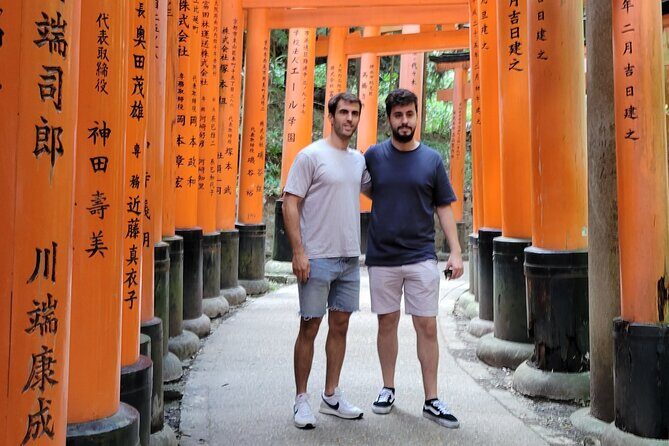
- Fushimi Inari’s torii tunnel: A sensory walk that feels like moving through a shrine, not just visiting it.
- Kiyomizu-dera’s stage views + pure water lore: You see the landmark and learn the story behind the sacred water.
- Ninenzaka and Sannenzaka finish: A graceful end point where you can shop and grab coffee without rushing.
- Temple tickets included: You spend less time figuring out admissions and more time actually looking.
- Small-operator feel, max group size 50: Big enough for energy, but still guided.
Torii Gates and Pure Water: What This Kyoto Tour Really Delivers
This tour is built for people who want Kyoto’s headline sites, but with a guide who helps you read what you’re seeing. The day’s arc is simple: start at Fushimi Inari, shift to Kiyomizu-dera, then finish in the preserved old-street lanes where you can slow down.
Because it’s about 3 hours, it’s also a good “connector” tour. If you’re doing other Kyoto plans later (Gion, shopping, maybe a night stroll), this lets you fit the core landmarks in one focused block.
The other practical win is value. At $30 per person, you’re not only paying for a guide—you’re also getting temple admissions included. That matters in Kyoto, where ticket lines and add-on costs can add up faster than you expect.
A few more Kyoto tours and experiences worth a look


Fushimi Inari Taisha: Turning a Walk into a Meaningful Circuit
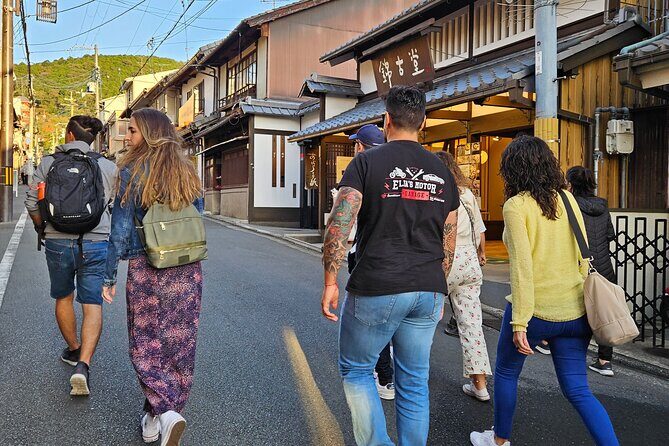
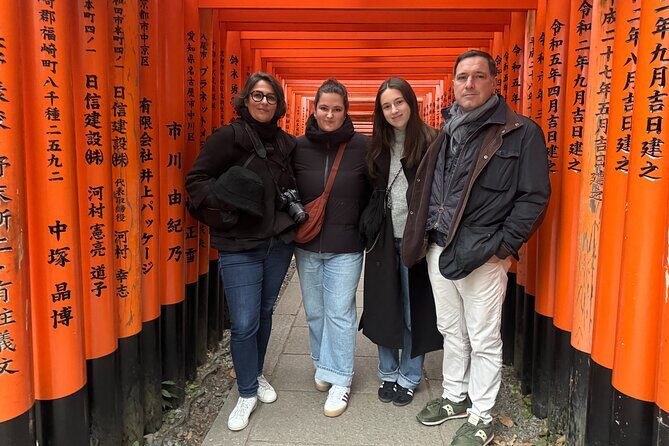
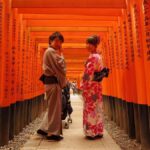
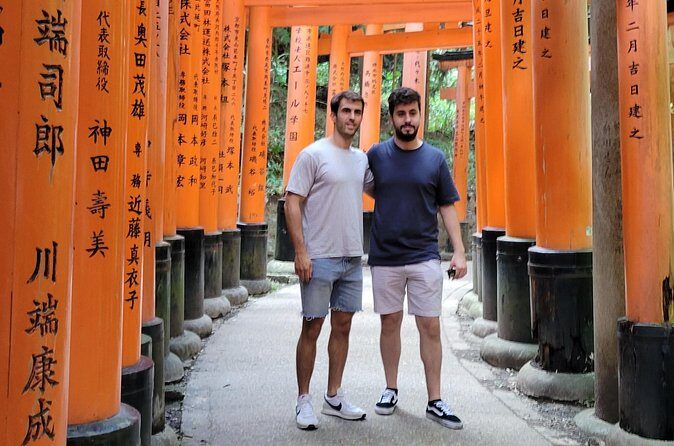
Fushimi Inari Taisha is the kind of place that looks straightforward on a map and then surprises you up close. You’re walking through thousands of vermilion torii gates tied to Inari, the Shinto deity associated with rice, prosperity, and business. Even if you don’t know the symbolism, the sheer repetition does something to your sense of time.
Here’s what I think works well for you on a guided visit:
- You’ll understand why people trek beyond the first cluster of gates instead of just taking photos at the entrance.
- You’ll get the basics of what Inari represents, so your photos don’t end up being just torii scenery.
At this stop, the tour time is about 1 hour, which is enough to get the atmosphere without feeling rushed. The main consideration is crowd management. The route is popular, especially at peak daylight hours, so you’ll want to stay flexible and keep your patience for foot traffic.
If you’re the type who likes learning while walking, this is the best part of the tour to lean into. It’s one thing to see gates; it’s another to understand why they’re there.
Kiyomizu-dera and the Sacred Water: The Kyoto Landmark Moment
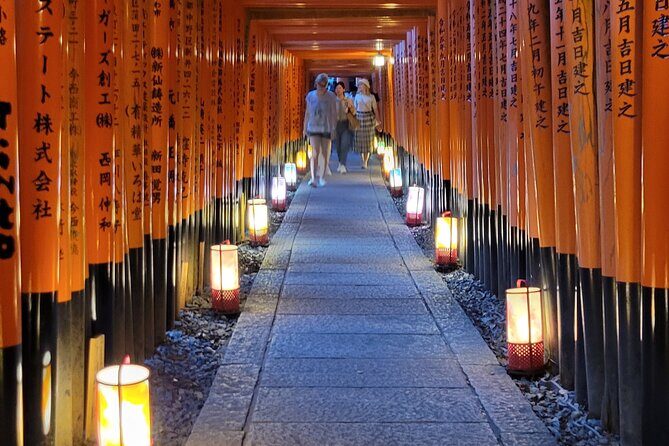
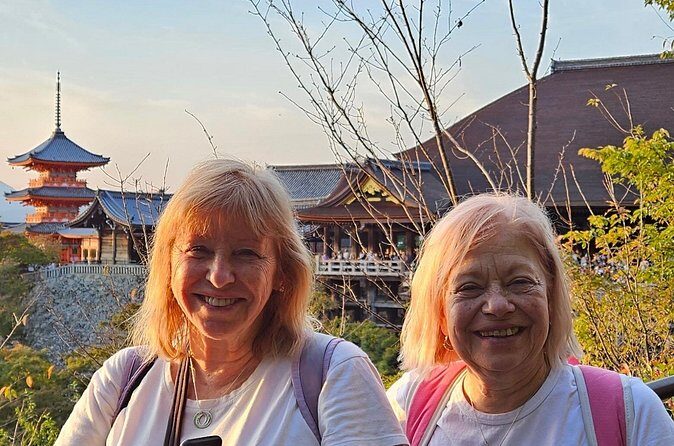
Kiyomizu-dera is one of Kyoto’s most iconic sites for a reason, and the highlight is the wooden stage that projects over the hillside. When you’re there, it’s hard not to look outward and up at the views, because the whole design is meant to connect the temple to the landscape around it.
This stop is about 1 hour 30 minutes, which gives you time to:
- take in the stage and the way the temple sits in the hills
- understand why Kiyomizu-dera is tied to the idea of pure water and health/longevity
The tour description focuses on sacred waters believed to grant well-being. Even if you take the belief with a grain of salt, you can still appreciate what’s happening culturally: people show up to participate, not just to watch. That makes it feel more like living tradition than museum tourism.
A small but real practical tip: since this part of the experience is about landmark viewing, wear shoes that are steady on slopes and steps. You’ll be moving in short bursts, and you don’t want to spend your energy worrying about footing.
Ninenzaka and Sannenzaka: The Old Kyoto Streets After the Big Sights
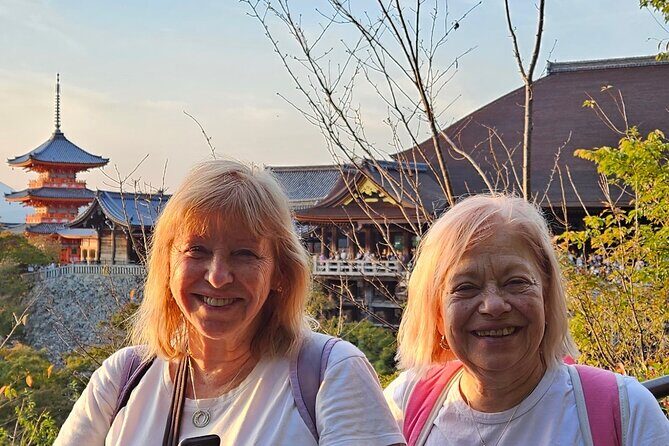
After the religious landmarks, the tour slows down on the preserved lanes of Ninenzaka and Sannenzaka. This is the part that feels most “Kyoto” in a everyday way: cobblestones, traditional wooden architecture, and small shops and tea spots.
You’re given about 15 minutes for the Ninenzaka path, then another 15 minutes for Sannenzaka. It’s short, but it’s enough time to:
- get the vibe of the old-street lanes without turning it into a long shopping errand
- buy a snack or browse crafts if that’s your style
Because this is also where the tour ends—right around the shopping stretch—you get a clean transition. You won’t have to backtrack to a bus stop while you’re tired.
If you’re hungry, this is a good time to eat, because your biggest energy drains (stairs and crowds at landmarks) are done. Just be ready for shop lines and busy sidewalks.
Guides, Group Size, and the 3-Hour Pace
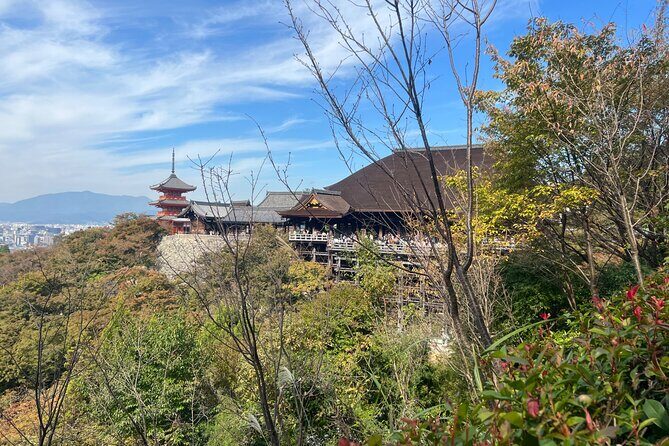
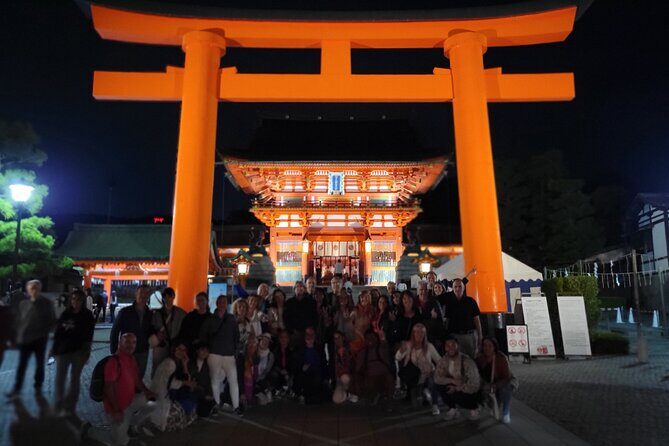
The tour runs about 3 hours total, with a maximum group size of 50. That’s a useful ceiling: you’re guided, but you’re not swallowed by a stampede of 200 people.
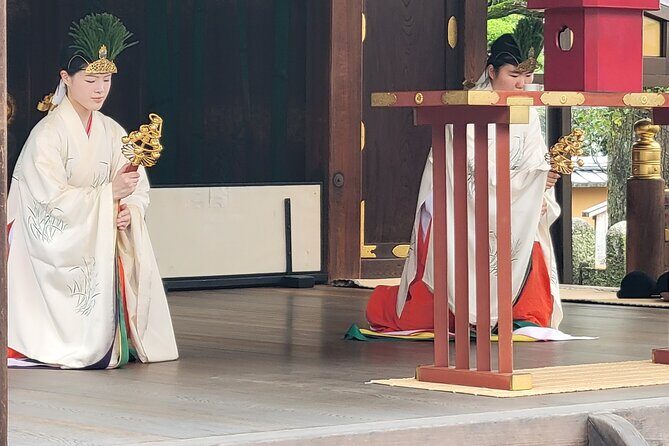
What makes the experience feel good is the guide. Several accounts highlight guides who explain the religious and historical ideas clearly, and others mention specific style strengths like patience and recommendations for what to do next. One person noted that their guide shared details about religion and mythology, while another mentioned participating in a small ritual activity related to finding the right person inside a temple space.
I’ll translate that for you: even if you’re not expecting to do much besides sightseeing, you may be invited to join a brief, appropriate participation moment. That’s often what turns a tour from sightseeing into a story you remember.
Still, the pace is close enough to “efficient” that you should mentally switch from relaxed wandering to guided momentum. If you need lots of free time for slow photos, you’ll probably want to add extra time on your own after the tour ends.
A few more Kyoto tours and experiences worth a look




Price and Value: What $30 Buys You in Kyoto
At $30 per person, this tour is priced like a value-packed sampler. Here’s the math that matters:
- You pay for a certified guide
- Temple admission tickets are included
- You don’t pay extra for the guided walking experience itself
What’s not included is private transportation and transportation fees. That doesn’t automatically mean it’s a budget hassle, but it does mean you should assume you’re walking and navigating your way between key areas, guided by your group.
This is why I think the tour works best for independent travelers who are okay with some on-foot movement and don’t need a private driver. In Kyoto, walking can actually be a feature, not a bug, because neighborhoods are dense with small details.
The downside of the value approach is that coordination becomes more important. With any group walking tour, if the guide has delays, you’ll feel it because there’s less slack built in. One account described a situation where the tour was canceled due to a late guide call and refunds were not handled smoothly. I can’t generalize that to every day, but it’s a real reminder: arrive early, and don’t assume the start will run perfectly on the first minute.
Practical Tips to Make This Tour Feel Smooth
A few things will help you get more out of the time you paid for:
- Start at Kyoto Station on purpose. The meeting point is at Kyoto Station (Higashishiokoji Kamadonocho, Shimogyo Ward). If you’re late, it’s harder to find the right group.
- Bring comfy shoes. Torii climbs, temple steps, and old-street cobblestones add up.
- Use the mobile ticket. Have it accessible before you need it, not while you’re scanning a crowd.
- Plan for crowds. Fushimi Inari and Kiyomizu-dera are popular. Your guide can help with navigation, but physics still applies.
- Keep an eye on weather. The experience requires good weather, and that can affect whether you go on the scheduled date.
For food, you’ll finish near Ninenzaka and Sannenzaka, where you can grab coffee or a snack. If you’re sensitive to long lines, do your most important shopping right after the tour ends, before the evening rush.
Should You Book It? My Honest Take
I’d book this if you want a guided, time-efficient introduction to Kyoto’s biggest spiritual sights and you like learning the “why” behind the places. It’s a solid value because the guide and temple admissions are included, and the ending in Ninenzaka/Sannenzaka is a nice payoff where you can keep exploring on your own terms.
I’d skip or re-check your expectations if you’re someone who hates schedule risk. Because it’s a short, walking-heavy experience, delays can feel bigger than they would on a longer tour, and weather matters. If you’re booking during a busy season or traveling in uncertain weather weeks, aim to be flexible with your day plan.
FAQ
What does the tour cost?
The price is $30.00 per person.
How long is the Sacred Treasure Fushimi Inari and Kiyomizu Dera Tour?
It’s approximately 3 hours.
Are temple tickets included?
Yes. Tickets to the temples are included.
What time of day does the tour run?
The exact start time isn’t provided in the information given, but it does have a set beginning time for your booked experience.
Where do I meet the guide?
The start location is Kyoto Station (Higashishiokoji Kamadonocho, Shimogyo Ward, Kyoto).
Where does the tour end?
The tour ends at Kiyomizu-dera area around the shopping street of Ninenzaka and Sannenzaka.
Is there a group size limit?
Yes. The tour has a maximum of 50 travelers.
What is the cancellation policy?
You can cancel for a full refund up to 24 hours in advance. The experience requires good weather, and if it’s canceled due to poor weather, you’ll be offered a different date or a full refund.
Is it good for most travelers?
Most travelers can participate, and it’s near public transportation.