Kyoto can be overwhelming fast. This tour gives you a simple plan for seeing Kiyomizu-dera and experiencing Kyoto culture on foot. You start at Yasaka Shrine, wander the postcard streets of Kiyomizu-zaka, then climb into one of Kyoto’s most famous temple areas with a guide to translate what you’re seeing.
I like two things right away. First, the focus on the story behind the sights—why Kiyomizu-dera is built where it is, and what people mean when they talk about Otowa Waterfall luck. Second, the tone is relaxing: small group size (max 6) and a calm tea ceremony break with matcha, plus a few snack samples to keep you fueled.
One thing to watch: the meeting spot is very specific (the Yasaka Jinja Nishiromon Gate, Western Tower Gate). If you arrive late or without a map pinned, you might feel a little frantic before the tour gets going.
In This Review
- Key highlights at a glance
- Starting at Yasaka Shrine: the easiest way to orient fast
- Kiyomizu-zaka streets and Yasakakoshindo: Kyoto’s old-side charm
- Walking the famous slopes: Sannenzaka-Ninenzaka and why the legends exist
- Kiyomizu-dera: seeing the UNESCO site like it has a brain
- Otowa Waterfall: the luck moment you can actually participate in
- Tea ceremony and matcha: calm culture after the temple climb
- Photos and a guided route: stop wrestling with directions
- Guide style: when the conversation makes the temple make sense
- Price and value: what $109.39 buys you in Kyoto time
- Weather and comfort: what to pack for a 3-hour walk
- Who should book this tour (and who might skip it)
- Should you book? My take on a smart first visit
- FAQ
- FAQ
- How long is the Kyoto Tea Ceremony & Kiyomizu-dera Temple Walking Tour?
- Where do I meet for the tour?
- What time does the tour start?
- How many people are in the group?
- What’s included in the price?
- Is there anything not included?
- Are there age restrictions?
- Can the tour accommodate allergies or dietary restrictions?
- What should I bring for hot weather?
- What is the cancellation policy?
Key highlights at a glance
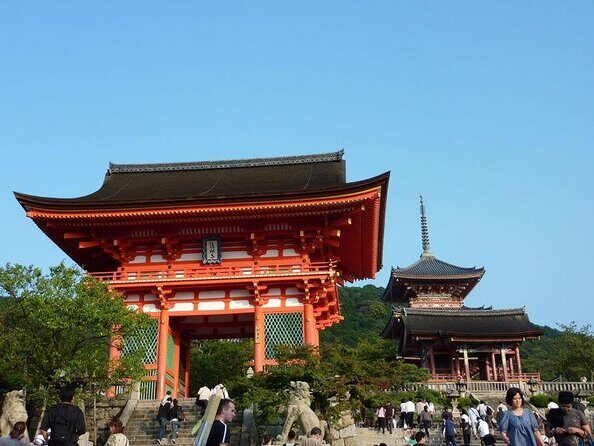
- Kiyomizu-dera UNESCO World Heritage Site with a guided walk through the main temple area
- Otowa Waterfall tradition, where you choose one of the three streams using a cup on a long pole
- Tea ceremony with matcha plus snack samples during the experience
- Kiyomizu-zaka and Sannenzaka-Ninenzaka slopes on foot, built for atmosphere and photos
- A small group capped at 6 travelers, so your guide can answer questions
- Photos taken during the tour, so you’re not stuck playing photographer the whole time
Starting at Yasaka Shrine: the easiest way to orient fast
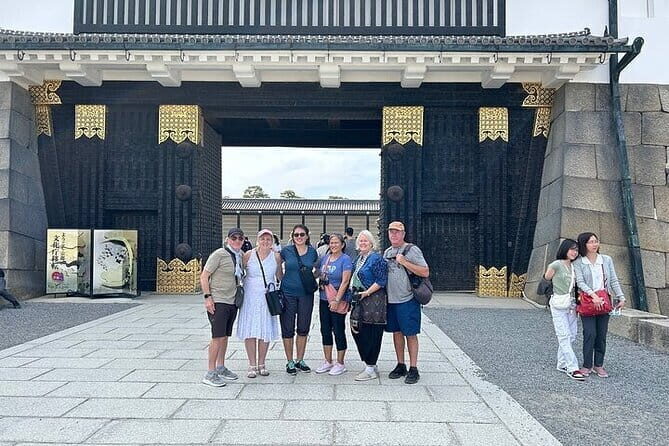
Your day begins at Yasaka Jinja, at the Nishiromon Gate on the western side. The address is in the Higashiyama Ward, and it’s a spot that’s easy to reach by public transportation. Still, gates can be confusing—especially in Kyoto’s dense temple district—so I’d treat arriving a few minutes early as part of the plan.
This start matters. Kyoto’s temple streets twist and change quickly, and it’s easy to waste the first hour wandering in the wrong direction. Having a guide meeting you at a clear point means you can get your bearings fast and spend your energy on the walk ahead.
And once you’re moving, the pace stays friendly. This is billed as about 3 hours, so it doesn’t turn into a full-day march. You’ll cover several famous areas, but in a way that feels manageable.
A few more Kyoto tours and experiences worth a look

Kiyomizu-zaka streets and Yasakakoshindo: Kyoto’s old-side charm
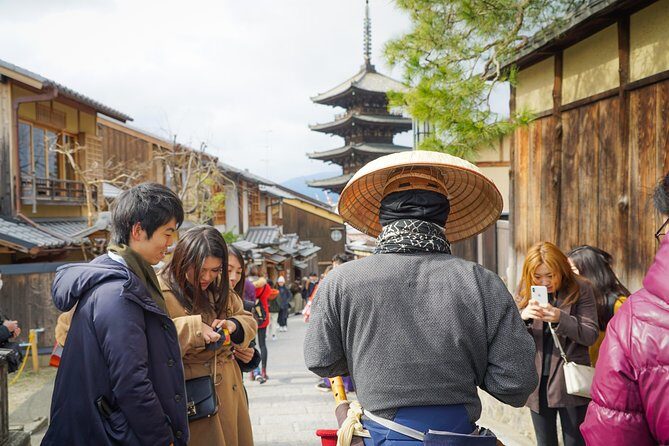
After meeting, you head toward the photogenic streets where Kyoto tourists come for a reason. Kiyomizu-zaka is basically a cluster of traditional lanes with a “time-slip” vibe—old teashops, Japanese sweets shops, and sundried food shops. It’s the kind of street where you can pause and actually see daily life and period-style shopfronts, not just run past them.
Your guide also takes you through the area with an eye for what’s worth noticing. That’s the practical part: instead of you guessing which alley is the most scenic, someone points you toward the color and details that make Kiyomizu-zaka feel uniquely Kyoto.
The tour also includes a stop around Yasakakoshindo, described as one of Kyoto’s most colorful temple sites in this route area. If you’re the sort who likes little detours that make photos look better, this is the part that often delivers. You’ll be surrounded by visual texture—temple colors, shop signs, and that slope-side motion of people coming and going.
Walking the famous slopes: Sannenzaka-Ninenzaka and why the legends exist
Later, you continue near Sannenzaka and Ninenzaka. This isn’t just about checking off another named street. These slopes are famous because the area feels like it was built to slow you down—stone steps, souvenir shops, and a steady flow of visitors heading toward the temple hill.
Sannenzaka has a legend attached to it: if someone falls there, they supposedly die within three years, or their lifespan shortens by three years. You don’t need to treat it like science. What matters is the cultural meaning behind the warning: watch your step, because a steep path has consequences. It’s a very human kind of folklore, and it makes the slope feel more than just pretty.
If you’re traveling with older relatives or you simply prefer flatter routes, you should take this section seriously. It is a walking tour, and you will be on slopes and stairs. The good news is that it’s not described as a grueling hike—more a guided stroll with stops and context.
Kiyomizu-dera: seeing the UNESCO site like it has a brain
Then comes the main event: Kiyomizu-dera Temple. This is one of Japan’s best-known temples and a UNESCO World Heritage Site in Kyoto. The value here isn’t just that you’ll see the grounds—it’s that you won’t have to figure out what you’re looking at by yourself.
Kiyomizu-dera is tied directly to Otowa Waterfall. The temple was made on the waterfall site about 1,200 years ago, and the name connects to the purity of the water. Standing in that area, you can start to understand how Kyoto’s religious sites grew around nature features rather than treating nature as separate.
Your guide brings the temple’s story into focus—how it relates to worship, and why people come back again and again. This is also where having a guide beats a solo visit: you get to ask questions, and you’ll get answers aimed at what you can actually see in front of you.
And don’t skip the views. The temple area leads you to the wooden stage (about 13 meters above the ground). That platform is famous for a reason: you look out toward Kyoto’s city view and the trees—especially when seasons change, like cherry or maple periods. Even outside peak season, you still get a strong sense of why people call it one of Kyoto’s best viewing points.
Otowa Waterfall: the luck moment you can actually participate in
Before or alongside the stage time, you’ll visit Otowa Waterfall. The tour description makes the tradition very hands-on: the water is divided into three separate streams, and each stream is said to offer a different benefit. You choose by using a cup attached to a long pole and drink from the stream you pick.
That’s a big part of why I like this tour format. You don’t just watch from a distance. You take part in a ritual moment that locals and repeat visitors know well. It’s also one of the easiest ways to connect temple beauty to daily belief—this is where faith turns into an actual action.
Practical note: the area around famous water sources can feel busy. The route is designed for you to experience it without needing to manage the flow yourself. Just take your time, follow your guide’s pace, and don’t rush the line if there is one.
A few more Kyoto tours and experiences worth a look
Tea ceremony and matcha: calm culture after the temple climb
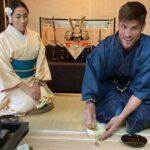
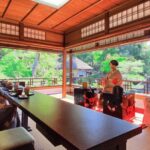
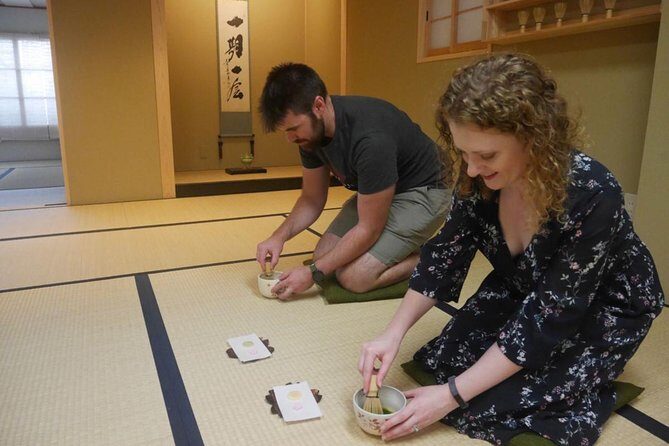
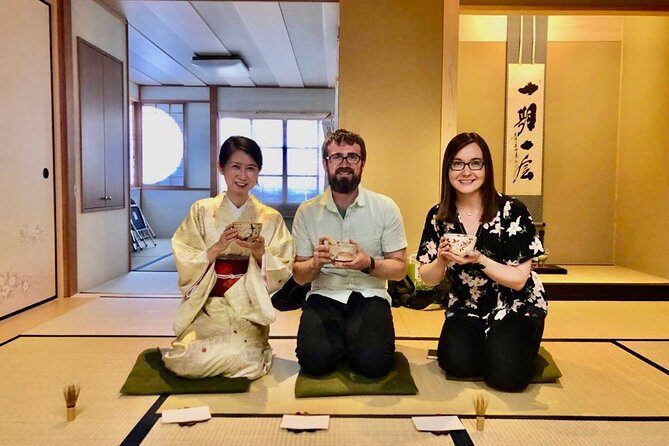
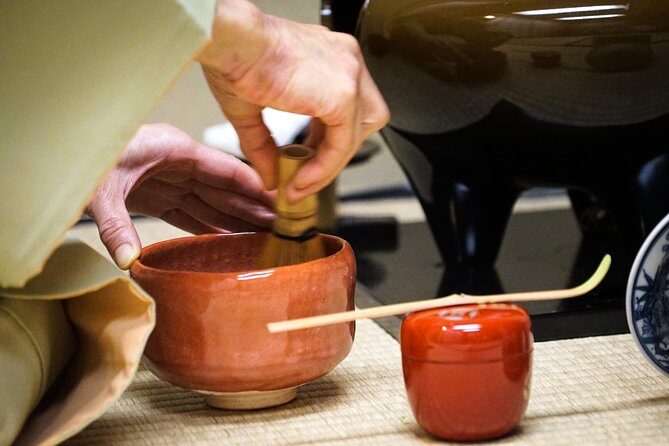
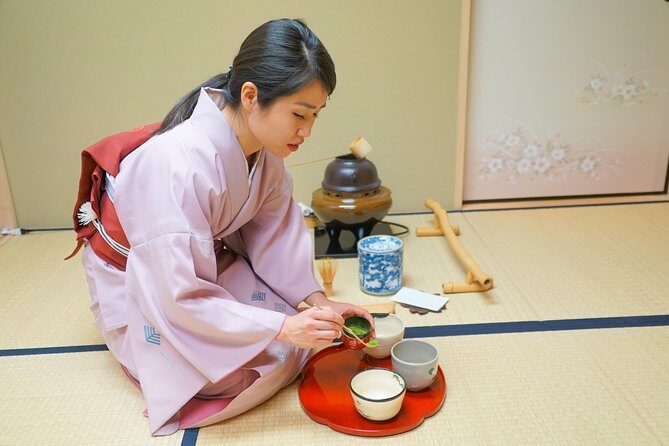
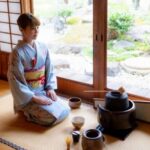
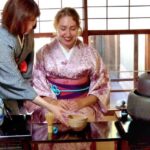
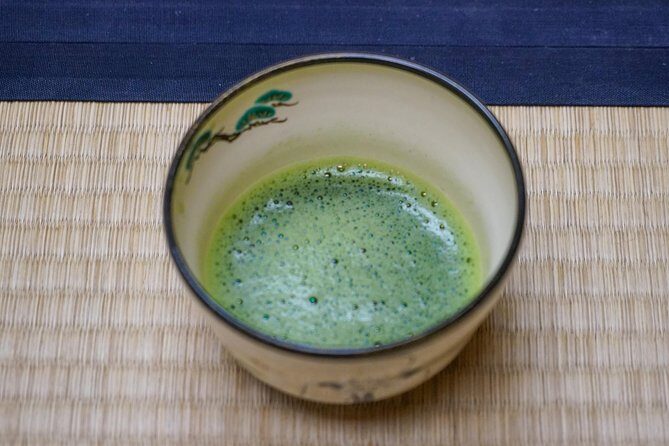
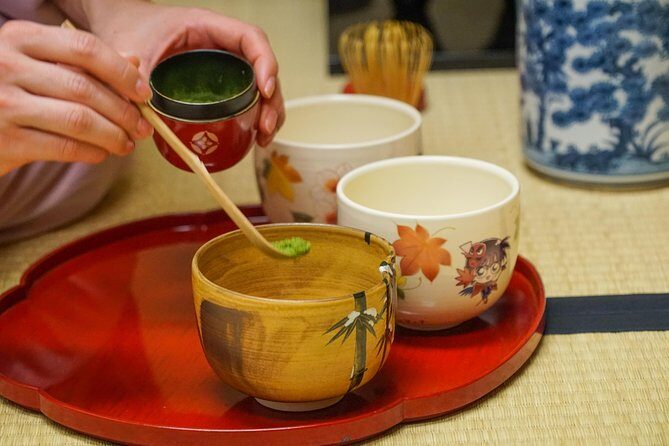
After the temple portion, you shift from sightseeing intensity to a quieter ritual. The tour includes a traditional tea ceremony experience and you’ll drink matcha (green tea). You also get snack samples during the walk.
This part is often the turning point for people who worry a temple tour will feel like information overload. The ceremony gives you a reset. It’s structured, slow, and focused on gestures and manners—so your attention naturally drops from “what’s next?” to “what’s happening right now?”
In the experience, the tea ceremony host has been named as Haruki. People noted how entertaining and sweet the session felt, which fits the best-case scenario for tea: respectful, but not stiff. I like that balance. It means you can learn without feeling put on the spot.
And matcha isn’t just a prop. Green tea is one of the easiest cultural souvenirs to understand because the taste anchors the memory. Plus, the snack pairing helps so you’re not leaving the tea room hungry and then hunting for food immediately.
Photos and a guided route: stop wrestling with directions
This tour includes photos taken during the experience. That doesn’t sound dramatic on paper, but it’s practical. Temple districts are famous for “perfect angles,” and those angles often require you to stop moving while people line up behind you. Having someone take a few photos for you saves time and stress.
The route also passes through specific street sections like Kiyomizu-zaka near the temple area, then onward toward Sannenzaka-Ninenzaka. Your guide helps you read what’s around you so you know where to look and when to stop.
One small drawback I’d plan for: meeting points in Kyoto can be a little chaotic. One traveler shared that they nearly panicked at first trying to find the guide, then it smoothed out once the tour started. My advice is simple: arrive early, take a screenshot of the meeting gate details, and stand where your group will clearly gather.
Guide style: when the conversation makes the temple make sense
A big reason this tour scores so well is the human factor. One guide name that comes up is Hide. People highlighted how he talked about Shinto and Buddhism, and kept things fun with humor—even bringing in non-temple topics (like baseball) when appropriate.
That’s exactly what you want in a short tour. Kiyomizu-dera can feel distant if you only hear dates and terms. But when your guide ties the religious background to the physical space you’re standing in, it clicks. You’re not just collecting facts—you’re understanding the “why” behind the “what.”
Also, small group size helps. With a max of 6 travelers, you’re less likely to feel like you’re stuck listening from the back of the crowd. You can ask questions, and your guide can respond in a way that fits what you’re looking at right then.
Price and value: what $109.39 buys you in Kyoto time
At $109.39 per person, this isn’t the cheapest way to see Kiyomizu-dera. But it’s also not trying to be a bargain “hop-on” tour. The value is in a few specific inclusions:
- Kiyomizu-dera entrance fee
- Tea ceremony experience
- Matcha (green tea)
- Snacks (a few samples)
- Photos during the tour
- About 3 hours with a Kyoto local guide
- A route built around famous streets (Kiyomizu-zaka and Sannenzaka-Ninenzaka)
If you’re planning to do all those things separately—temple admission, booking a tea ceremony, figuring out where to stand for views, and paying for guided context—the cost starts to make sense. The biggest “hidden” value is time. In Kyoto, time is what gets eaten by wandering and indecision.
Not included is additional food and drinks beyond the snack samples. That’s normal for a short cultural experience. If you’re the kind of person who needs a full meal, you’ll want to plan that before or after.
Weather and comfort: what to pack for a 3-hour walk
This tour is walk-forward. It’s not a bus-and-drop kind of day. In summer, it’s very hot and humid in Japan, and the tour recommends you bring water and wear a hat to help prevent heat stroke. I agree. Also plan for sun exposure around temple streets and slopes.
Comfort tips that matter here:
- Wear shoes with real grip for the stone and slope sections.
- Bring water, even if you think you’ll be fine. You won’t feel like stopping for it once you’re on the move.
- If you’re sensitive to crowds, go slower at the waterfall and stairs. Let your guide manage the flow.
Who should book this tour (and who might skip it)
This tour is a good fit if you want:
- One guided plan for Kiyomizu-dera plus key streets
- A tea ceremony that feels like culture, not just a sales stop
- A route that prioritizes views and context without dragging into a full day
You might skip or adjust if:
- You dislike stairs and slopes. The Sannenzaka-Ninenzaka area includes steep walking sections.
- You have strict allergy requirements. The tour notes it can’t guarantee allergy-free meals because food is prepared in kitchens not under MagicalTrip, and substitutions may not be possible.
Also, children under 6 years old are not allowed, so family plans with younger kids need another option.
Should you book? My take on a smart first visit
If it’s your first time in Kyoto, I’d lean yes. This is a tight, well-built introduction to one of the most iconic temple areas—Kiyomizu-dera—and the street world around it. The guided context helps you see the temple as more than a photo backdrop, and the tea ceremony offers a calm break before you march on to your next neighborhood.
If you’re already a Kyoto temple superfan who knows every gate and legend by heart, you might prefer a self-guided route. But for most people, the mix here is the point: temple + ritual + streets + tea, all in about 3 hours, with a small group and a guide who can explain what you’re actually looking at.
FAQ
FAQ
How long is the Kyoto Tea Ceremony & Kiyomizu-dera Temple Walking Tour?
It runs for about 3 hours.
Where do I meet for the tour?
Meet at Yasaka Jinja Nishiromon Gate (Western Tower Gate) at 625 Gionmachi Kitagawa, Higashiyama Ward, Kyoto.
What time does the tour start?
The start time is 9:00 am.
How many people are in the group?
The group size is capped at 6 travelers.
What’s included in the price?
Included are the Kiyomizu-dera entrance fee, a tea ceremony experience, matcha (green tea), snacks, and photos taken during the tour, plus 3 hours with a Kyoto local guide.
Is there anything not included?
The tour does not include additional food or drinks beyond the snack samples.
Are there age restrictions?
Yes. Children under 6 years old are not allowed.
Can the tour accommodate allergies or dietary restrictions?
The tour cannot guarantee allergy-free meals or guaranteed dietary substitutions, since the food is prepared in kitchens not belonging to MagicalTrip. Substitutions may not be possible at certain stops.
What should I bring for hot weather?
In Japan’s summer, it can be very hot and humid, so you should bring water and wear a hat.
What is the cancellation policy?
You can cancel for a full refund up to 24 hours in advance of the experience start time. Less than 24 hours before start time is not refundable.