Tea in Kyoto, with a garden view. This experience pairs a formal tea ceremony with a calm, scenic teahouse setting, so the art and the atmosphere land at the same time. I love the small-group feel and the garden outlook that keeps everything peaceful.
I also love the way you learn the craft. You watch a tea master handle the ritual steps and then you get hands-on practice—so it’s not just watching, it’s understanding how matcha gets made and how it should look in your bowl.
One watch-out: this is not recommended if your feet and knees aren’t comfortable with the traditional seated setup.
In This Review
- Key highlights you’ll care about
- Tea ceremony in Kyoto, with actual garden peace
- Entering SAKAGUCHIAN: where the atmosphere does half the work
- The flow of the ceremony: what happens in those 45 minutes
- 1) Tea room setup and the garden view
- 2) Purifying utensils and starting the ritual
- 3) Whisking matcha and watching the texture form
- 4) Hands-on guidance: bowl handling and whisk technique
- 5) Wagashi sweets paired with your matcha
- What you actually taste: two cups of matcha and wagashi balance
- Price and value: $50.87 for 45 minutes that feels complete
- Small-group focus: why the number of seats matters
- Location tips in Kiyomizu: how to arrive without stress
- Who should book, and who should skip
- What’s included (and what isn’t), so you don’t get surprised
- Should you book Kyoto Kiyomizu Tea Ceremony with scenic garden views?
- FAQ
- How long is the Kyoto Kiyomizu Tea Ceremony experience?
- What is included in the price?
- Is the group size small?
- Is a kimono rental included?
- Is video recording included?
- Is this experience recommended if I have foot or knee issues?
- What if the weather is bad or I need to cancel?
Key highlights you’ll care about
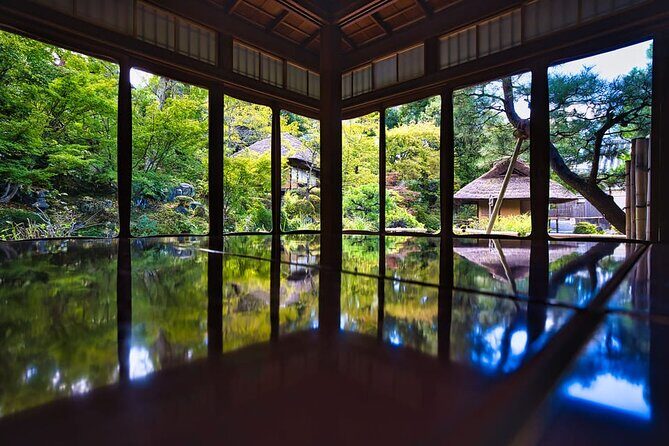
- Teahouse garden views: You’re not stuck facing a wall during the ceremony
- Small group (max 12): More time for questions and a calmer pace
- Two cups of matcha + wagashi: You taste, then you practice
- Photo included: One less thing to worry about (no video recording)
- Hands-on tea steps: Utensil purifying to whisking and serving
Tea ceremony in Kyoto, with actual garden peace
Kyoto is famous for temples, but there’s a different kind of magic in a tea room. This Kyoto Kiyomizu tea ceremony is built around a simple idea: slow down, look closer, and let the ceremony’s precise movements do the talking. And because it happens in a teahouse overlooking a garden, you get that rare combo of culture plus quiet scenery.
The session runs about 45 minutes, and it’s designed as two things at once: you experience a tea ceremony and you see the garden setting that makes it feel like time has softened. It’s also capped at 12 people, so you’re not just another face in a line.
A few more Kyoto tours and experiences worth a look

Entering SAKAGUCHIAN: where the atmosphere does half the work
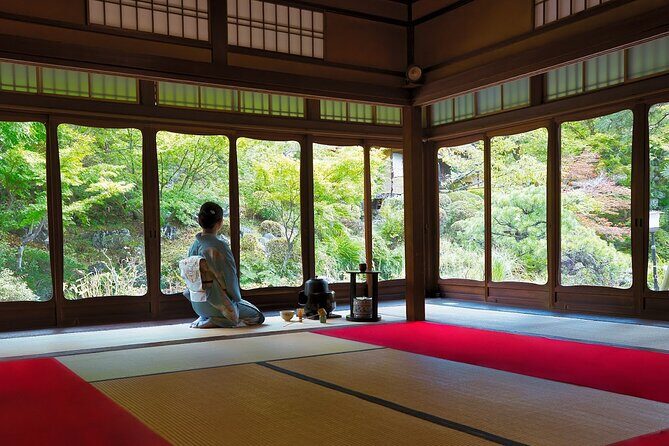
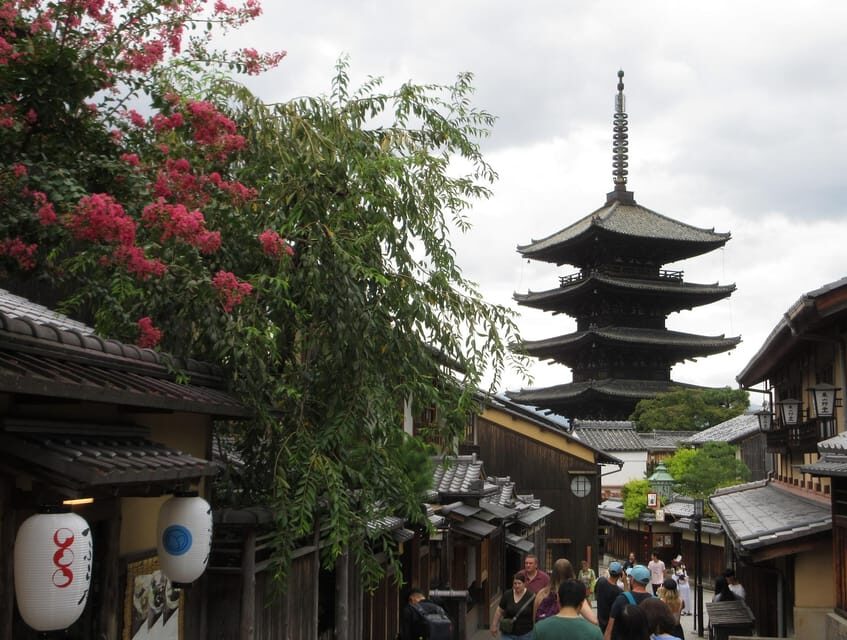
Your meeting point is Tea ceremony SAKAGUCHIAN (茶道体験 阪口庵) at 3-chōme-334 Kiyomizu, Higashiyama Ward, Kyoto 605-0043. The location matters because Kiyomizu is the kind of area where you can lose time quickly in crowds and side streets. This start point gives you a straightforward target, and once you’re inside, the room itself changes the mood.
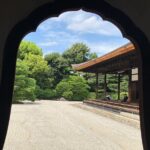
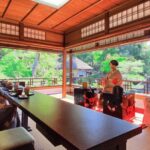
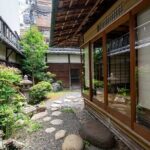
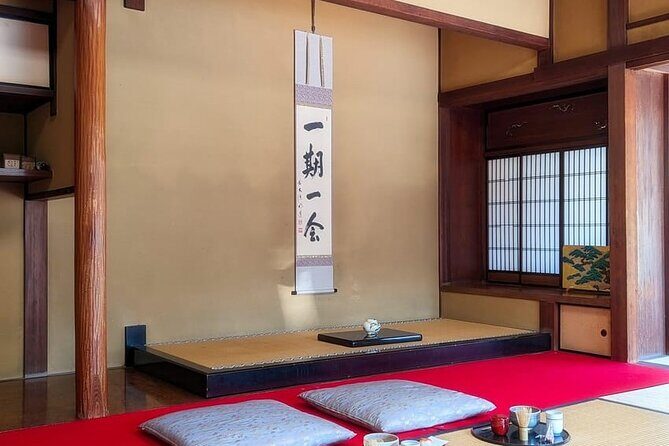
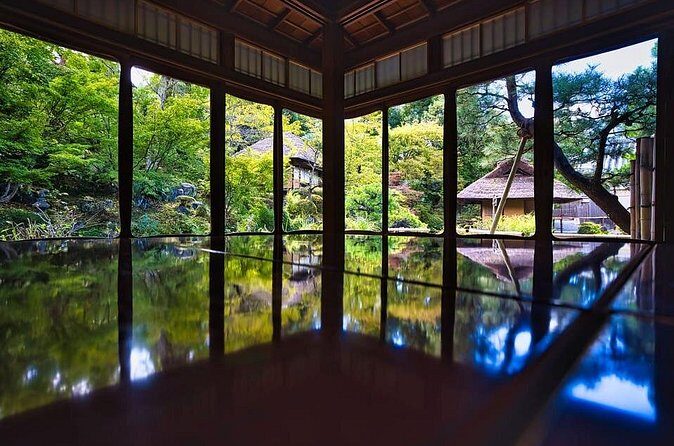
When you step into the tea room, the experience is set up so you’re looking out at the garden while the ceremony unfolds. That sounds like a small detail, but it affects everything: your body settles because your eyes have something gentle to rest on, and the pace feels less rushed.
You’ll also notice the style of the place. Several parts of the experience emphasize traditional presentation—like the ceremonial dress and the careful way the host and tea master move through each step. Even if tea rituals are new to you, the setting helps you treat it as a real moment, not a quick performance.
The flow of the ceremony: what happens in those 45 minutes
This isn’t a long lecture. It’s a structured sequence of rituals, explained and guided, then paired with what you eat and drink. The best way to think about it: you’re going to see the whole picture, then you’ll try key parts yourself.
1) Tea room setup and the garden view
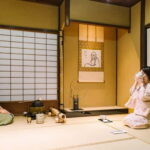
First, you’re guided into a serene tea room where the garden’s seasonal feel becomes part of the experience. Expect a calm, respectful atmosphere. The ceremony isn’t about talking nonstop; it’s about giving you space to watch, absorb, and then participate.
2) Purifying utensils and starting the ritual
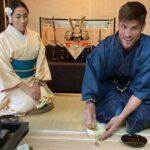
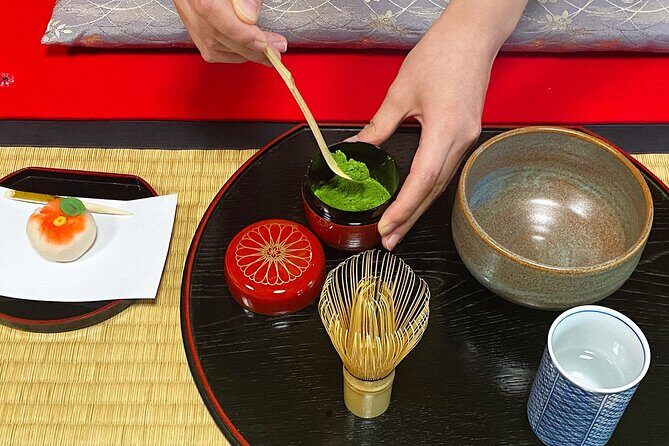
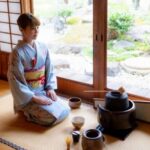
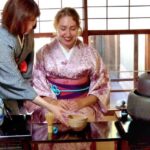
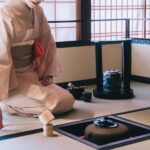
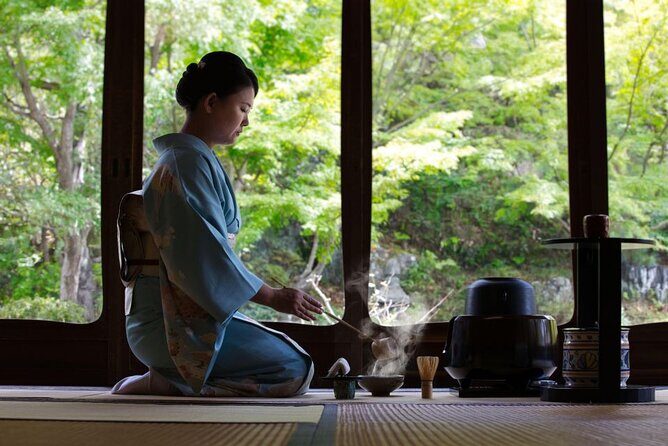
Next comes the practical beauty: the tea master performs the ritual steps, including purifying the utensils before matcha is prepared. This is the kind of detail that’s hard to catch in a restaurant setting, because there you usually just get the final cup. Here, you see the care that happens before the whisk ever touches the bowl.
A few more Kyoto tours and experiences worth a look
3) Whisking matcha and watching the texture form
Then you watch matcha being whisked to the right frothy consistency. You’re not just tasting a drink—you’re seeing what makes matcha different when it’s made properly. The movements are measured and precise, and the visual transformation of the matcha is part of the learning.
4) Hands-on guidance: bowl handling and whisk technique
After the initial demonstration, you’re guided through the techniques passed down through generations—especially how to handle the tea bowl and how to create a good foam. You’ll learn what matters in the process so your second cup isn’t just a sip. It becomes a small skill you take home.
You’ll also get clear guidance on the sequence of steps. The goal is to make you feel successful, not to trap you in complicated rules.
5) Wagashi sweets paired with your matcha
Finally, the ceremony closes with delicate wagashi sweets paired with your matcha. This part is more important than people think. The sweetness and texture of the wagashi help balance the bitterness of matcha and make your tasting more thoughtful.
A photo is also included, so you can capture the setting without hunting for your own moment.
What you actually taste: two cups of matcha and wagashi balance
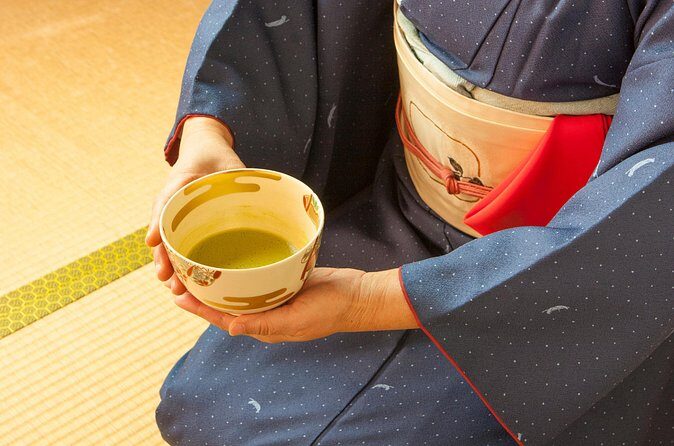
The included food and drink are the heart of the value here. You get 2 cups of matcha and wagashi (traditional Japanese sweets). That matters because matcha ceremonies can be overpriced when they feel like a “look but don’t taste” show. Here, you taste twice and you get taught in between.
The matcha you’ll drink is presented as authentic and freshly prepared by the tea master. You’ll also learn a key point about matcha: the experience isn’t only flavor, it’s texture and preparation. When you see the froth and then make it, you understand why the drink tastes different than the matcha powder scoop you might be used to.
For the wagashi, the experience keeps pairing simple: you’ll have sweets designed to go with the matcha you’re served. It’s a classic contrast—sweet and delicate on one side, grassy bitterness on the other.
Price and value: $50.87 for 45 minutes that feels complete
At $50.87 per person, you’re paying for something more specific than a “matcha tasting.” You’re paying for a real ceremony setting, a small-group experience, and instruction that covers both watching and doing.
Here’s how that value adds up:
- Two cups of matcha instead of one small sample
- Wagashi included, so the tasting isn’t incomplete
- A photo included, which is easy money saved if you’d otherwise want one professional-looking shot
- Up to 12 people, so your attention time is higher than in big group formats
- A tea master demonstration plus hands-on guidance, so you don’t leave with only photos and vague facts
Yes, it’s not the cheapest thing in Kyoto. But in terms of “how much cultural craft you actually experience,” it’s priced like an activity that wants you to remember the process, not just the taste.
A quick consideration: the ceremony is only about 45 minutes. That’s a pro (it won’t swallow your day), but it also means you’ll get an overview and key skills—not every possible detail of tea practice.
Small-group focus: why the number of seats matters
This activity caps at 12 travelers. That limit changes the feel. In a smaller setting, you can ask questions without feeling rushed, and the host and tea master can pace the explanation around your group’s rhythm.
You’ll also notice that the ceremony stays calm rather than feeling like a production line. The combination of limited seats and a quiet teahouse setup is why people describe it as peaceful and relaxing.
If you prefer hands-on cultural activities—rather than standing in the back of a big crowd—this format suits that mindset.
Location tips in Kiyomizu: how to arrive without stress
The meeting point is at SAKAGUCHIAN in Kiyomizu (Higashiyama Ward). Kiyomizu areas can be busy, and Kyoto streets are not always friendly to last-minute wandering with limited cell signal.
My practical advice:
- Give yourself buffer time so you can find the entrance calmly.
- Wear shoes you can step in and out of easily if the ceremony requires removal or special seating.
- Bring or wear socks if you’re comfortable with that. One common piece of advice is to be prepared for a floor-based seating situation.
Also, this experience needs good weather. That matters because while it’s indoors, the whole garden setting is part of the experience, and weather can affect whether the session goes ahead.
Who should book, and who should skip
This tea ceremony is a strong fit if you want:
- A break from temple-to-temple pacing
- A calm, cultural activity that includes tasting and instruction
- A chance to understand matcha preparation in a traditional setting
It’s also a great “reset” when you’re feeling museum fatigue or tired feet—because the pace is slow and the setting encourages stillness.
Skip it if you:
- Have difficulty with traditional seated positions. The tour notes it is not recommended for people with foot and knee problems.
If you’re traveling with family, the format can work well because the group stays small and the explanation is meant to guide you through the ceremony step by step. It also tends to be a satisfying activity for people who want something cultural but not physically demanding beyond the seated posture.
What’s included (and what isn’t), so you don’t get surprised
Included:
- 2 cups of matcha
- Wagashi (traditional Japanese sweets)
- Photo
Not included:
- Kimono rental
- Video recording
So if you’re hoping for a full kimono-style photo set, plan to bring your own look (or book kimono rental separately). And if video is important to you, you’ll need to use your own device for any recording not covered—since the tour does not include video recording.
Should you book Kyoto Kiyomizu Tea Ceremony with scenic garden views?
I think this is a smart booking when you want a true tea ceremony experience without the hassle of figuring everything out yourself. The combo of garden views, a small group (max 12), and two matcha cups with wagashi makes it feel complete for the time and money.
Book it if:
- You like structured cultural experiences with hands-on moments
- You want matcha explained through real technique, not just tasting
- You’d rather slow down than keep rushing between sights
Consider skipping or adjusting if:
- Your feet or knees won’t handle a seated traditional setup
- You’re hoping for a long, deep masterclass. This is short, graceful, and focused—about 45 minutes.
FAQ
How long is the Kyoto Kiyomizu Tea Ceremony experience?
The experience lasts about 45 minutes.
What is included in the price?
The package includes 2 cups of matcha, wagashi (traditional Japanese sweets), and a photo.
Is the group size small?
Yes. The activity has a maximum of 12 travelers, aiming for a more intimate experience.
Is a kimono rental included?
No. Kimono rental is not included.
Is video recording included?
No. Video recording is not included.
Is this experience recommended if I have foot or knee issues?
No. The tour specifically says it is not recommended for people with foot and knee problems.
What if the weather is bad or I need to cancel?
The experience requires good weather. If it’s canceled due to poor weather, you’ll be offered a different date or a full refund. You can also get free cancellation up to 24 hours in advance for a full refund.
If you want, tell me your travel dates and whether you need accessibility accommodations. I can help you decide if the timing and seating style should work for your plan.