Three hours, five Arashiyama highlights. Kyoto’s west-side can feel like a blur, but this tight walking tour lines up the big sights in a way that makes sense on foot. You start near Randen Arashiyama Station, then move through bamboo, temples, gardens, and a modern art stop without spending half your day figuring out routes.
I really like two things here. First, the Sagano Bamboo Forest walk is guided, so you know where to pause for the classic shots and how to read the space. Second, Tenryuji’s Zen garden gives you that calm, slow contrast to the busy Arashiyama streets.
One thing to plan around: it’s a walking tour with temple etiquette and separate entrance fees. You’ll pay admission for Tenryuji and Okochi Sanso at the sites, and the route is not set up for mobility limitations or anyone who needs to avoid stairs and uneven footing.
In This Review
- Quick hits: what you’ll notice right away
- Starting at Tully’s near Randen Arashiyama Station
- Sagano Bamboo Forest: why the guide matters in a “picture perfect” place
- Togetsukyo Bridge viewpoints: mountains, river, and smart photo stops
- Tenryuji Temple’s Zen garden: the calm counterweight
- Okochi Sanso Villa gardens: a quieter kind of Kyoto
- Kimono Forest illumination: modern art in an old district
- Price and value: $26 for a guided route, plus two entrances
- Who this Arashiyama tour suits best
- Practical comfort tips (so your feet stay friends)
- Should you book this Arashiyama highlights tour?
- FAQ
- How long is the Kyoto Arashiyama tour?
- Where do I meet the guide?
- What’s included in the price?
- Are entrance fees included for Tenryuji and Okochi Sanso?
- What should I bring, and what should I wear?
- Is this tour good for everyone with mobility needs?
- What’s the group size and language?
Quick hits: what you’ll notice right away
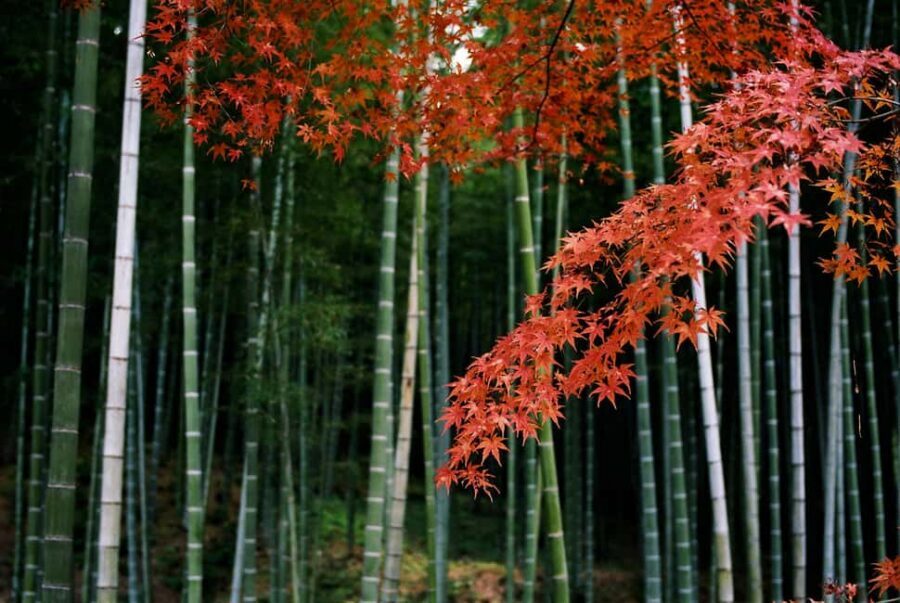
- Sagano Bamboo Forest with an actual plan: you don’t just wander; you walk with a guide who keeps the flow moving.
- Togetsukyo Bridge views framed by mountains: the stop is built for photos and quick panoramic appreciation.
- Tenryuji Temple (UNESCO) + Zen garden pacing: you get context for what you’re seeing, not just a quick pass-by.
- Okochi Sanso Villa gardens and tea-house option: tranquil grounds, plus the chance to add matcha and sweets at your own expense.
- Kimono Forest modern light installation: a cool contrast to centuries-old surroundings, especially in the evening.
Starting at Tully’s near Randen Arashiyama Station
This tour starts at Tully’s Coffee at Randen Arashiyama Station. It’s an easy meeting point, and you’ll spot your guide by their partner shirt. Still, do yourself a favor: arrive early and calm. The guide only waits 10 minutes max, so don’t count on a late scramble through the station corridors.
From there, you’re walking. That sounds obvious, but in Arashiyama it matters. Streets feel close on a map, yet the real walking is a mix of slopes, turns, and pedestrian bottlenecks near major sights. A small group also helps. This tour is limited to 9 participants, which keeps it from turning into a slow-moving stampede.
Practical stuff you’ll want before you meet:
- Comfortable shoes (flat soles help when paths get uneven).
- Camera (you’ll want it at bamboo, bridge, and the light installation).
- Cash (useful for entrance fees and any extras like matcha).
And yes, dress matters at temples. Think modest and respectful—skip shorts and tank tops when you’re visiting temple grounds.
A few more Kyoto tours and experiences worth a look

Sagano Bamboo Forest: why the guide matters in a “picture perfect” place
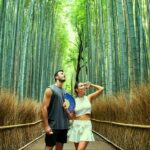
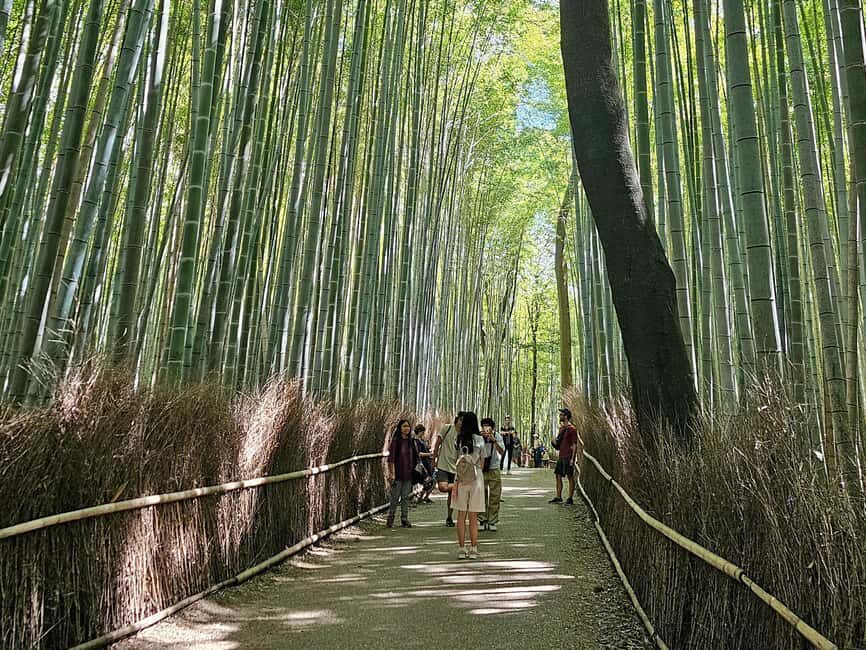
The Sagano Bamboo Forest is the headline, and for good reason. Even with the crowds, walking into those tall stalks gives you that slightly unreal feeling—quiet air, rhythmic columns, and the sense that the world has narrowed to a single path.
What makes this stop better with a guide is how you move through it. Without guidance, it’s easy to drift into the busiest angles or miss the spots that frame the bamboo for photos. With a guide, you get small course corrections—when to pause, where the view lines are more flattering, and how to keep your time efficient.
Also, bamboo doesn’t photograph the same from every spot. A slight shift in position can change what you see between the stalks. The short duration of the whole tour means you need those micro-decisions made for you. This isn’t a “take-your-time forever” day, but it’s a smart way to get the iconic experience without burning hours.
Plan for the vibe: it can be cold or cloudy at times of year, and bamboo still looks great. The guide keeps you moving so you’re not just standing around waiting for the ideal moment.
Togetsukyo Bridge viewpoints: mountains, river, and smart photo stops
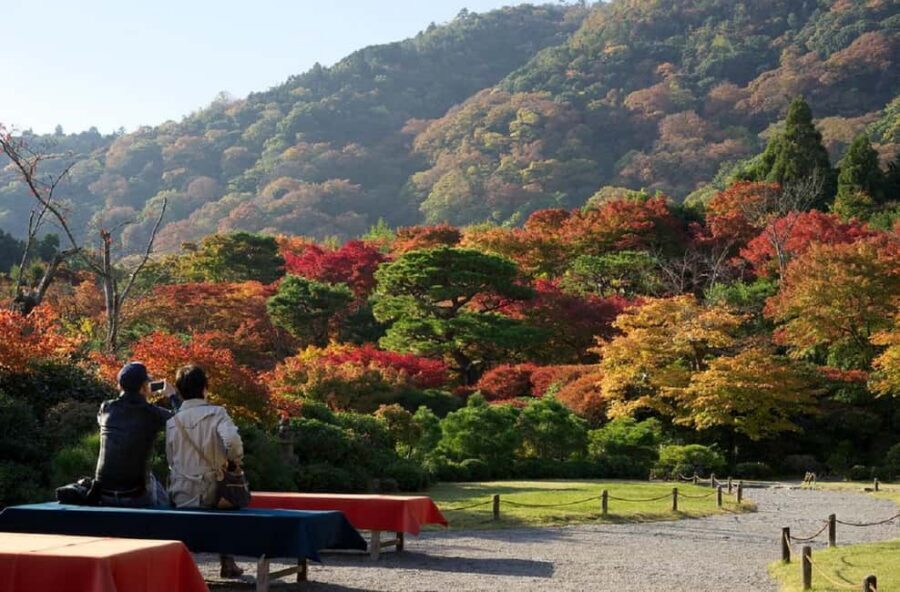
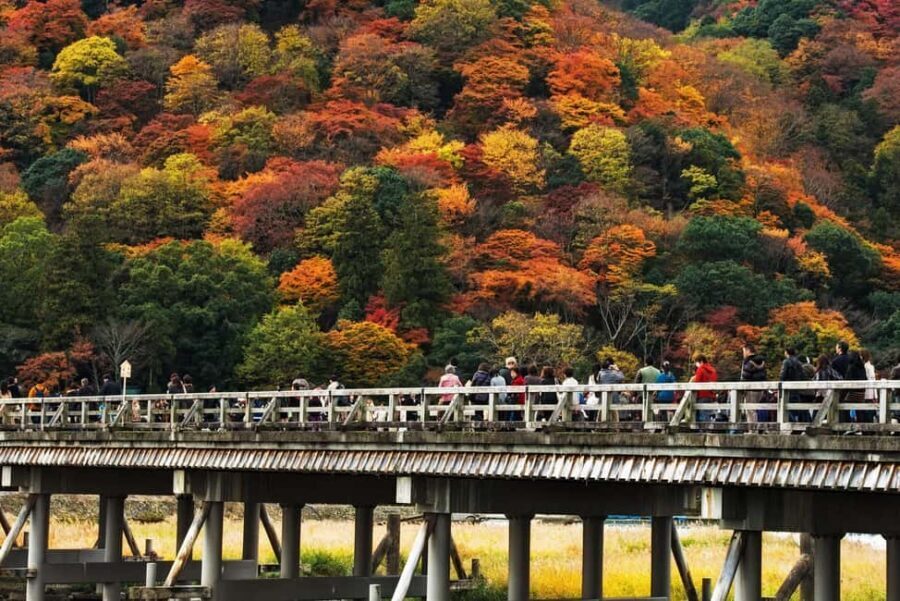
Next comes Togetsukyo Bridge, one of those Kyoto images you’ve probably seen on postcards. But up close, the real magic is how the bridge connects river views with the surrounding mountain backdrop. It’s not just a crossing; it’s a framed viewpoint.
This tour treats it like a photo stop with a purpose. You’re not expected to sprint from one landmark to another. You get time to look up and out, and to shift your angle a bit for better shots. If you’re bringing a camera, this is where you’ll feel the most payoff because the scene is wide and layered—bridge lines, water reflections, and mountain slopes.
A quick reminder: the walking between Arashiyama highlights often includes uphill/downhill sections. One of the standout points from the experience quality is how guides handle the real terrain, not the idealized version on a map. If you’re used to walking in uneven spots, you’ll feel comfortable. If you’re not, wear shoes that can handle it.
Tenryuji Temple’s Zen garden: the calm counterweight
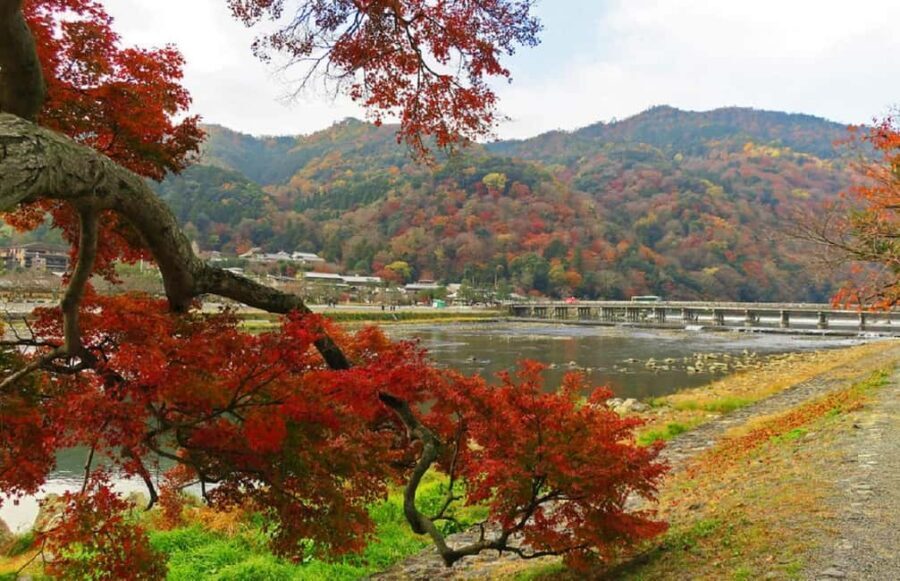
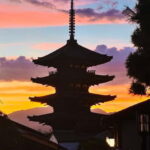
Then you’re at Tenryuji Temple, a UNESCO-listed site famous for its Zen garden. This is where the tour balances out the big visual wow moments. Bamboo and bridges are dramatic, but a Zen garden is about attention—how you watch, not just what you photograph.
What I like about having a guide here is context. Even if you’ve never studied temple design, you can still notice composition: the way paths and plantings guide your eye, and how the garden creates a sense of order. Without context, you might just see greenery and stones. With a guide, the garden starts to make sense as a planned experience.
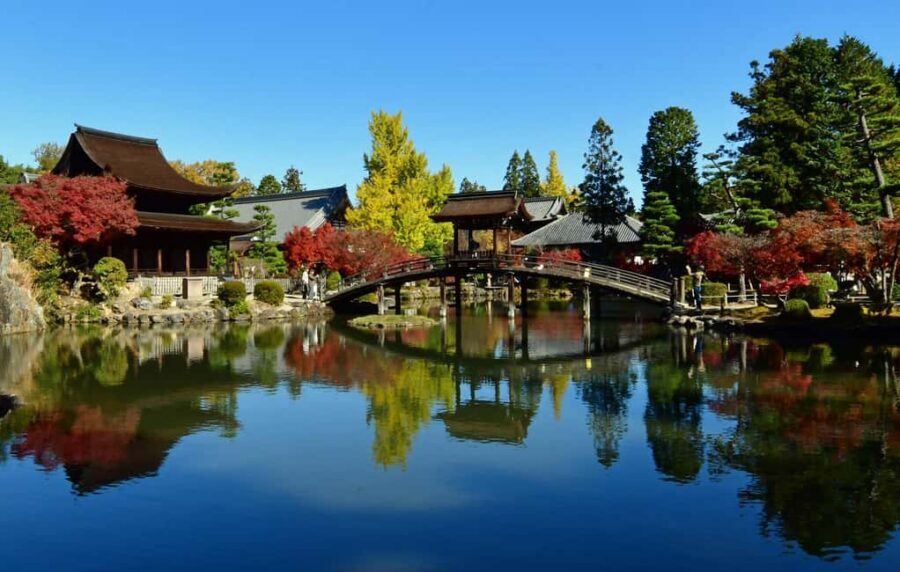
Also, temple visits require basic respect. Dress modestly. That means covering up in a way that fits the grounds. It’s simple, and it helps you avoid awkward moments where you’re stuck at the gate—or spending your time inside worried you dressed wrong.
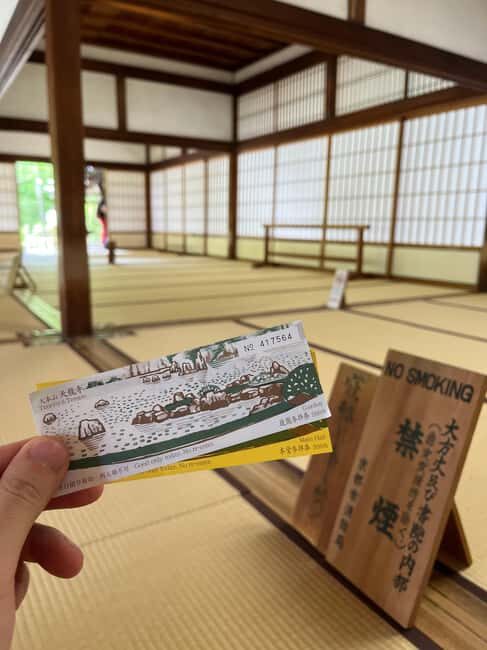
Tenryuji admission is not included in the tour price, so you’ll want to plan for that extra cost at the site.
Okochi Sanso Villa gardens: a quieter kind of Kyoto
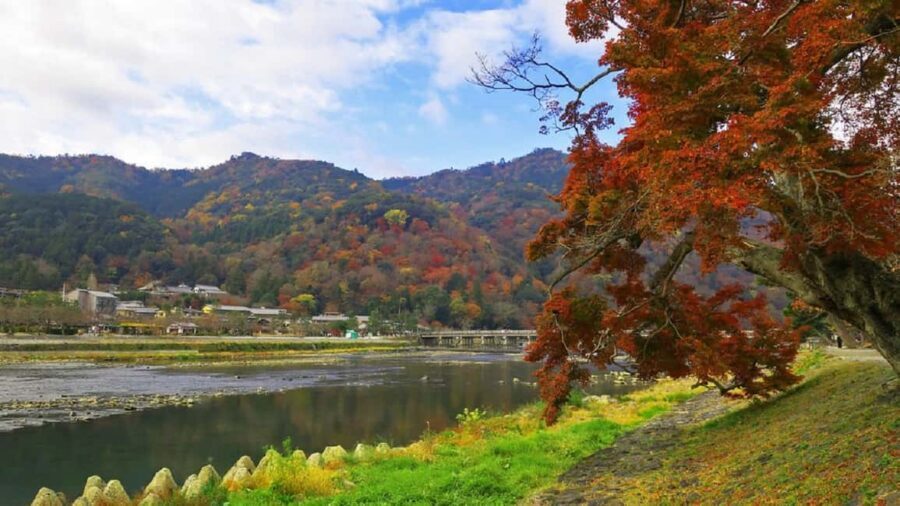
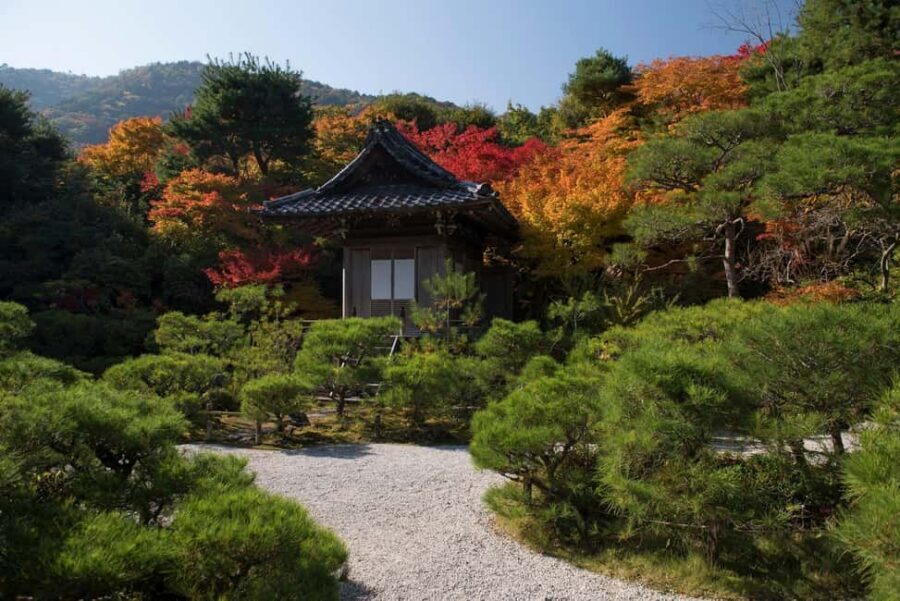
After Tenryuji, you shift to Okochi Sanso Villa, another garden-focused stop. The tone here feels more intimate. Instead of one iconic giant view, you get a sequence of calmer garden scenes—places that encourage slower walking and shorter pauses to look closely.
Okochi Sanso is also a nice change of pace because it breaks the loop of bamboo → bridge → temple. It’s still Kyoto, still pretty, but it’s calmer and more personal. If you like gardens, this is where your brain starts to relax.
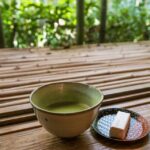
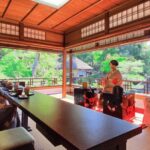
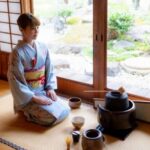
There’s one practical bonus too: there’s a tea house on-site, and you have the option to order traditional matcha tea and sweets at your own expense. That’s a good way to recharge your feet without needing to leave the property to find a café.
Entrance fees for Okochi Sanso are not included, so again, budget a little extra for admission.


Kimono Forest illumination: modern art in an old district
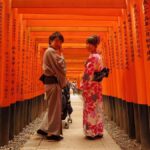
The tour ends with Kimono Forest, described as a modern art installation that’s illuminated. This is a fun way to see Arashiyama differently. Kyoto can feel timeless, but Kimono Forest adds color and design that doesn’t belong to the old-world vibe—and that contrast is the point.
I like this kind of stop because it changes how you think about the area. You’re not only collecting traditional landmarks; you’re also seeing how modern Kyoto creates visual experiences in a historic setting. The result feels playful rather than solemn.
Because this is an illuminated install, timing matters. The tour is only 3 hours total, so your visit may depend on your time slot and the day’s light. If you care about night views, choose a time that puts you near the installation when lights are on.
Bring your camera. Also bring patience for crowds. Light installations naturally pull people in, so you might share space to get shots.
Price and value: $26 for a guided route, plus two entrances
The listed price is $26 per person for a 3-hour walking tour with an English-speaking guide, small group size (up to 9). That’s a solid value for a short window in Kyoto—especially if you want a plan without hiring a private driver or building your own route across multiple areas.
Here’s the honest math: your base price covers the guide and walking time. It does not cover entrance fees for Tenryuji and Okochi Sanso. Those admissions are a separate cost you’ll pay on-site, so your real total will be a bit higher than $26.
Still, I think it’s good value because:
- You get a guided flow across major sights instead of piecing it together.
- You avoid dead time—standing around trying to decide which path to take next.
- A small group makes the experience feel more human, less like a rushed conga line.
If you’re only in Kyoto for a short stretch, this is a smart way to get the “greatest hits” without turning the day into a logistics project.
Who this Arashiyama tour suits best
This tour is ideal when you want Kyoto highlights but you don’t have long daylight hours to burn. It’s also a good fit if you like photography, garden time, and short walks through iconic districts.
It’s also a strong choice for first-timers to Arashiyama. Many sights look close together, but the real experience is about route efficiency and smart pacing. A guide helps you make the day feel coherent.
Who should skip it:
- People with mobility impairments.
- People with heart problems.
- People with respiratory issues.
That’s not a judgement call; it’s a reality check. The tour includes walking and uneven terrain, and you’re visiting multiple places in a short window.
Practical comfort tips (so your feet stay friends)
Arashiyama walking can feel deceptively tricky. Expect slopes and uneven paths, especially around major sites. Wear shoes that give traction and won’t ruin your day after repeated uphill/downhill steps.
Other tips that make the tour smoother:
- Keep your phone charged. You’ll want photos at bamboo, bridge, temple garden viewpoints, and Kimono Forest.
- Bring a bit of cash for entrance fees and optional extras like matcha and sweets.
- Dress modestly for temples. Even if you feel warm, the rules help everyone have a better experience.
- Be at the meeting point 10 minutes early. This tour isn’t built to wait for latecomers.
One of the quality markers here is how guides handle movement on real paths. You can feel more confident when the person leading the group understands the terrain and how to pace people safely.
Should you book this Arashiyama highlights tour?
I’d book it if you want a short, guided way to hit the essentials in Arashiyama: Sagano Bamboo Forest, Togetsukyo Bridge, Tenryuji, Okochi Sanso, and Kimono Forest—all in about three hours. The small group size and English-speaking guide make it easier to enjoy the sights instead of managing routes.
Skip it if walking is a struggle for you, or if you prefer slow, independent wandering with lots of time at each site. This isn’t a “linger for hours” itinerary. It’s built for smart coverage and photo-ready moments.
If you’re planning your Kyoto day and you want a practical plan that still feels special, this tour is a strong match.
FAQ
How long is the Kyoto Arashiyama tour?
The tour lasts 3 hours.
Where do I meet the guide?
Meet at Tully’s Coffee at Randen Arashiyama Station. The guide will be waiting and wearing a shirt with the local partner name.
What’s included in the price?
You get an English-speaking tour guide and a 3-hour walking tour.
Are entrance fees included for Tenryuji and Okochi Sanso?
No. Entrance fees are not included for Tenryuji and Okochi Sanso.
What should I bring, and what should I wear?
Bring comfortable shoes and a camera (plus cash). For temple grounds, dress modestly and respectfully—avoid shorts or tank tops.
Is this tour good for everyone with mobility needs?
No. It is not suitable for people with mobility impairments.
What’s the group size and language?
The tour is in English with a small group limited to 9 participants.