Kyoto can feel like a blur. This route slows it down and strings the day together in smart order. You’ll start with the sheer wow-factor of Sanjusangendo, then move to hillside Kiyomizudera, and finish in the historic lanes of Gion.
Two things I like right away: first, the tour takes you through the real “old Kyoto” vibe in Higashiyama, not just big-name temples. Second, the pacing stays friendly for a 7-hour day, with a small group capped at 10 and a live Spanish-speaking guide (not just an audio app).
One consideration: it’s still a walking tour. You’ll do some on-foot time through cobbled streets like Sannenzaka and Ninenzaka, plus bus transfers, so bring comfortable shoes and plan for a bit of movement.
In This Review
- Key highlights worth circling
- The best way to see Kyoto’s “traditional core” in one day
- Sanjusangendo first: why the 1,001 Kannon statues work
- Kiyomizudera and the hillside terrace views from inside Kyoto’s drama
- Higashiyama on foot: Sannenzaka and Ninenzaka without the chaos feeling
- Hōkan-ji (Yasaka Pagoda) and Yasaka Shrine: classic icons in a small radius
- Kōdaiji Temple and the bamboo forest you’ll actually want to sit in
- Gion: geisha culture and the feeling of Kyoto after the temples
- What you’re really paying for with an $86, 7-hour tour
- Timing, transit, and your feet: how to make the day feel easy
- Who this tour is best for (and who should consider alternatives)
- Should you book this Kyoto Kiyomizudera, Sanjusangendo, Kōdaiji, and Gion tour?
- FAQ
- FAQ
- What time does the tour start, and where do we meet?
- How long is the tour?
- What is included in the tour stops?
- Is there a guided component during temple visits?
- What language is the guide?
- How big is the group?
- Is the tour mostly walking?
- What should I bring for transit and comfort?
- What is the cancellation and payment option?
Key highlights worth circling
- Sanjusangendo at the start: a long hall (about 120 meters) packed with 1,001 statues of Kannon
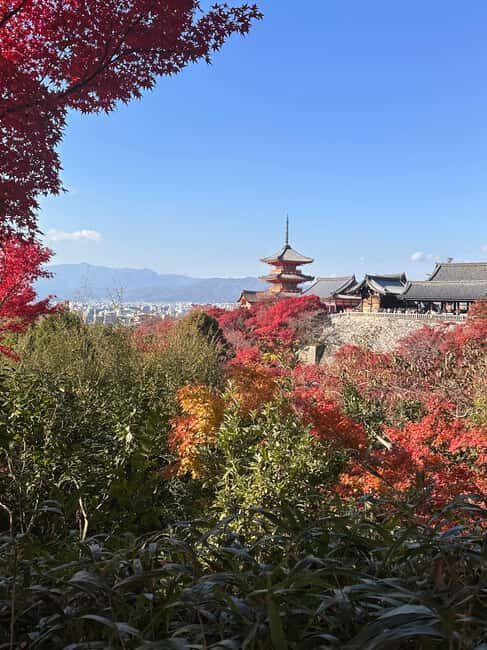
- Kiyomizudera’s hillside terrace: wooden structure with big Kyoto views built right into the slope
- Higashiyama stroll through Sannenzaka and Ninenzaka: cobbled lanes, wooden houses, craft shops, and classic street corners
- Photo-ready icon moments: Hōkan-ji (Yasaka Pagoda) tucked among traditional houses, plus Yasaka Shrine nearby
- Kōdaiji and its bamboo forest: a famous peaceful spot inside a temple tied to the Toyotomi family
The best way to see Kyoto’s “traditional core” in one day
This tour is built for people who want Kyoto to feel coherent. Instead of scattering you across the map, it funnels you through the eastern old-city areas, so each stop supports the next one.
You’ll begin at Sanjusangendo, then head toward Kiyomizudera and the Higashiyama lanes. After that, it keeps moving through the temple-and-shrine cluster around Yasaka, then lands you in Gion to wrap up with the atmosphere people associate with Kyoto after walking hours.
The overall feel is practical: plenty of guided time inside temples, plus enough roaming to catch that “I’m in the historic district” sensation without feeling you’re sprinting.
A few more Kyoto tours and experiences worth a look


Sanjusangendo first: why the 1,001 Kannon statues work
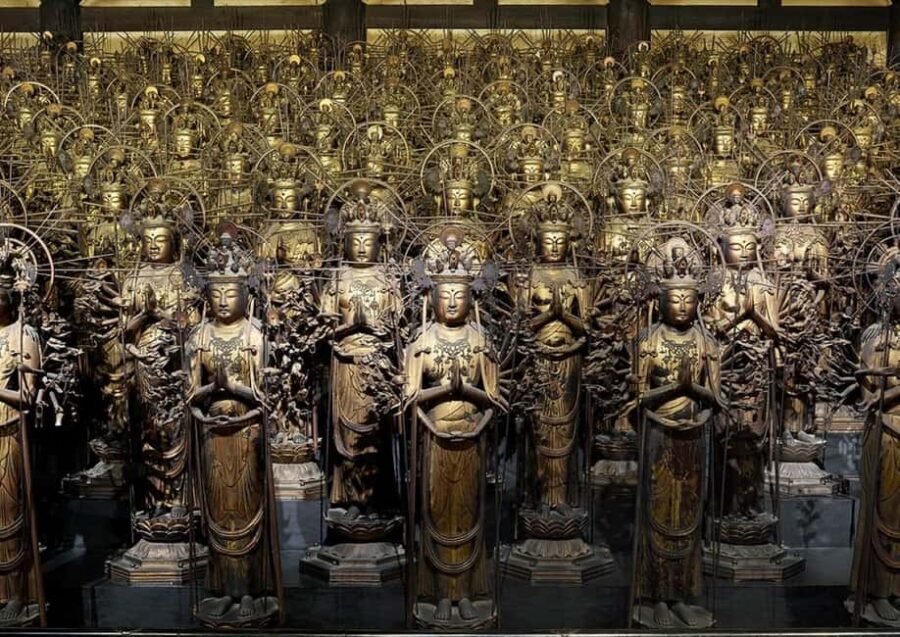
Starting at Sanjusangendo is a smart move because it grabs your attention before the day fills up. The main hall stretches about 120 meters, and inside you’ll see 1,001 statues of Kannon, the goddess of mercy.
Even if you don’t know the artwork in detail, the scale does the talking. That’s what makes it such a great opener: the sight is the story. And with a guided visit (about 1 hour), you get help noticing what you might otherwise miss when you’re just looking for the “big picture.”
Practical tip: go in ready to slow down. This isn’t a place where you rush from one point to another. If you take a minute to stand back and look along the length of the hall, you’ll get a more satisfying sense of why people make a pilgrimage here.
Kiyomizudera and the hillside terrace views from inside Kyoto’s drama
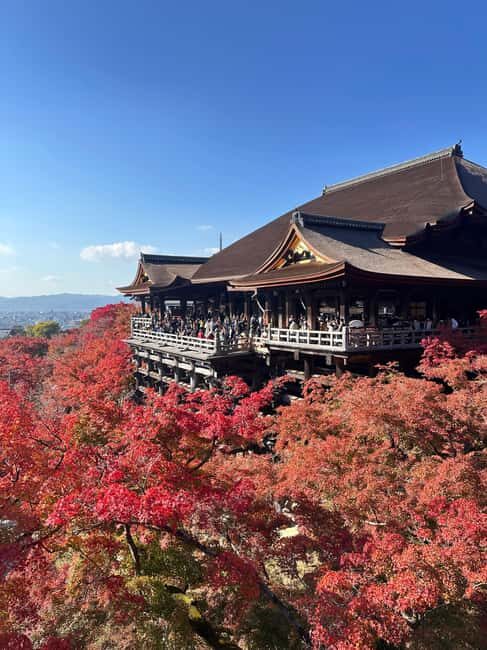
Next comes Kiyomizudera, famous for its wooden terrace suspended on the hillside. The key here is not just the structure—it’s how it frames Kyoto around it. From the terrace area, you get views that feel made for photos, but also good for simply taking a breath.
You’ll get about 1 hour of guided time at Kiyomizudera, which helps you focus on what matters on-site: the terrace viewpoint, the flow of the grounds, and the story behind why the place feels so theatrical in the landscape.
One thing I like about this stop on a day like this: it gives you a natural “pause moment.” After Sanjusangendo’s long hall, Kiyomizudera shifts the energy to elevation and open sightlines. It’s a nice change in pace.
Higashiyama on foot: Sannenzaka and Ninenzaka without the chaos feeling
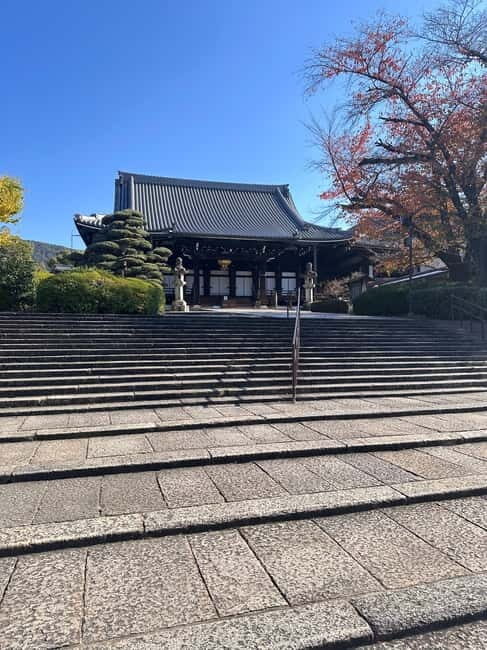
After you’ve seen the big temple icons, the tour threads you through Higashiyama Ward, including the cobbled lanes of Sannenzaka and Ninenzaka. These are the streets that make Kyoto look like Kyoto: wooden houses, craft shops, and traditional corners that seem frozen in time.
The walking segment is around 1 hour of sightseeing in the Higashiyama area (with breaks built into the flow). This is where you’ll feel the day turn from “site viewing” into “street wandering,” which is usually where good travel days happen.
Practical tip: take your shoes seriously here. The streets are cobbled, and you’ll want stable footing so you can enjoy looking into shopfronts and side streets instead of focusing on your balance.
Also, if you’re trying to shop, pace yourself. The lanes are scenic, but they can encourage you to stop every few minutes. Keep your priorities in mind: first, take in the streets; then decide if a shop has something you truly want.
Hōkan-ji (Yasaka Pagoda) and Yasaka Shrine: classic icons in a small radius
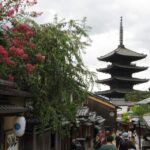
This tour brings you to Hōkan-ji, commonly known as the Yasaka Pagoda, one of Kyoto’s most photographed icons. What I like about the way the tour treats this stop is that you’re not just getting the postcard angle—you’re seeing it positioned among traditional houses.
Then you move to Yasaka Shrine for about 30 minutes of guided exploration. This matters because it keeps the meaning of the photo in your head. A lot of famous sights lose their context when you only see them from one angle. With guidance, you get a better sense of how the space works and what to pay attention to while you’re there.
If you’re the type who likes to understand the “why” as you look, the pairing of pagoda and shrine is a satisfying one-two. It’s still photogenic, but it doesn’t feel like random sightseeing.




Kōdaiji Temple and the bamboo forest you’ll actually want to sit in
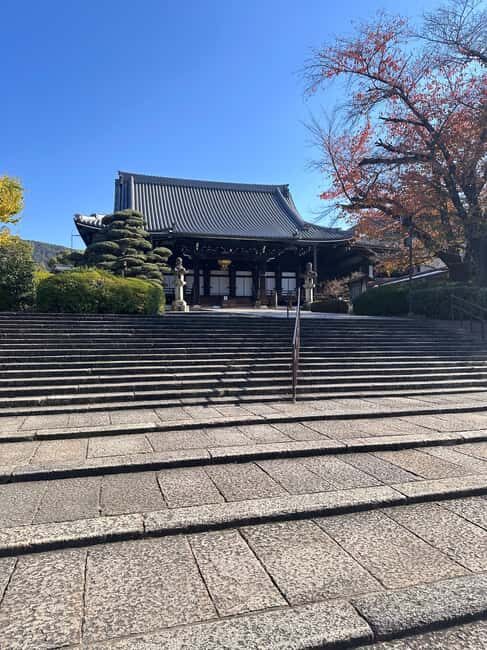
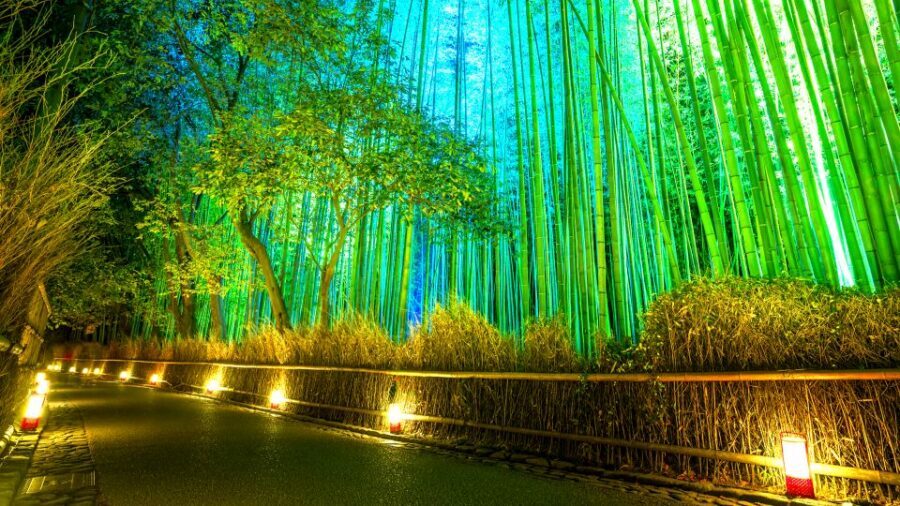
Next up is Kōdaiji Temple, dedicated to the Toyotomi family. The standout here is the bamboo forest located within the temple grounds—described as a secret bamboo forest, and the effect is exactly what you want on a long sightseeing day.
A guided visit lasts about 1 hour, which is the right amount of time to walk through the forest area, notice the quiet shift, and take in the atmosphere without feeling rushed.
This is also one of those stops where group size matters. With a small group (up to 10), you can move at a comfortable pace and still have space to enjoy the visuals. When a temple is quiet, crowds can flatten the mood. This format helps you keep the calm.
Practical tip: if you’re sensitive to walking distance, this is the place to go slow. Take 5 minutes, let your feet adjust, and then enjoy the bamboo section fully.
Gion: geisha culture and the feeling of Kyoto after the temples
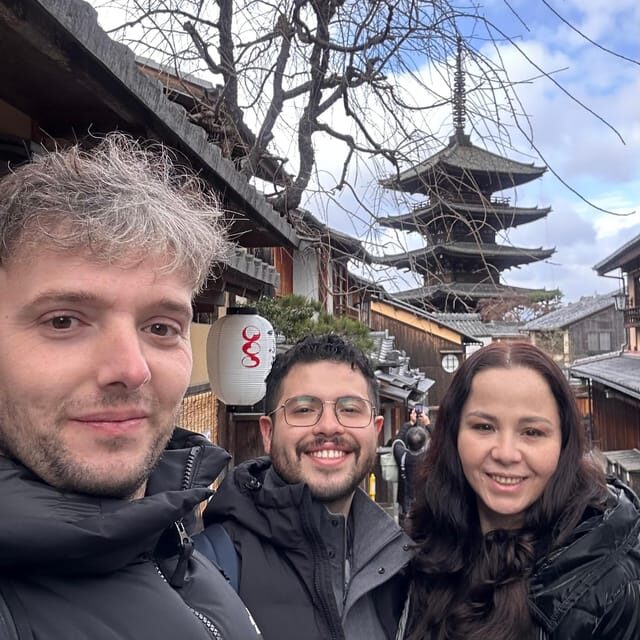
The last major phase is the walk into Gion, with guided time that lasts about 1 hour. You’ll also visit Yasaka Shrine before reaching Gion, which helps the day “land” in the right mood—less rush, more atmosphere.
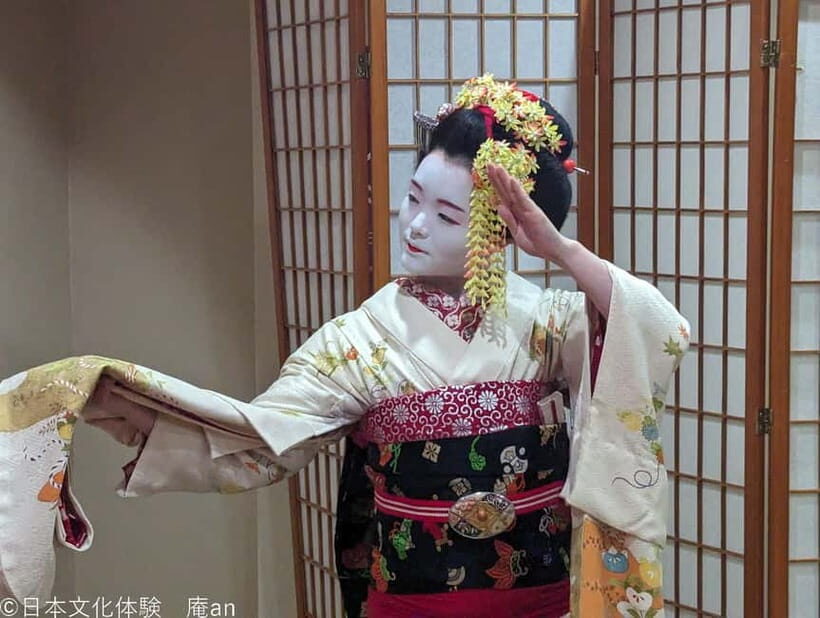
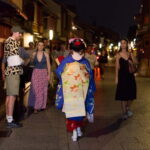
In Gion, you’ll learn about geisha culture and history, and you’ll spend time on the district streets where that cultural layer shows up through the look and rhythm of the area.
What I find valuable here is the guided perspective. Gion can be misunderstood if you treat it like a theme park street. The tour approach here connects the district feel to the broader cultural background, so you’re not just hunting for sightings—you’re reading the neighborhood more thoughtfully.
If you want photos, aim for the corners and side streets, not just the main thoroughfare. The value of finishing in Gion is that your eyes are already trained by the earlier stops, so you notice details sooner.
What you’re really paying for with an $86, 7-hour tour
At about $86 per person for a 7-hour day, you’re not paying just for access to temples. You’re paying for a guided path that strings together distant-but-connected Kyoto areas, plus coordination so you don’t waste time figuring out transit between stops.
The tour also packs real “time inside” moments: guided visits at Sanjusangendo and Kiyomizudera, plus additional guided blocks at Hōkan-ji, Kōdaiji, Yasaka Shrine, and Gion. That mix is what makes the price feel fair: you’re spending a meaningful portion of the day with a live guide.
You’re also getting a small-group experience limited to 10 participants, which helps on stops like the bamboo forest and on the Higashiyama lanes where crowd density can change fast.
If you’re comfortable building your own route and you don’t mind sorting transit, you could DIY it. But if you’d rather spend your mental energy on the sights instead of the logistics, this format is a strong value.
Timing, transit, and your feet: how to make the day feel easy
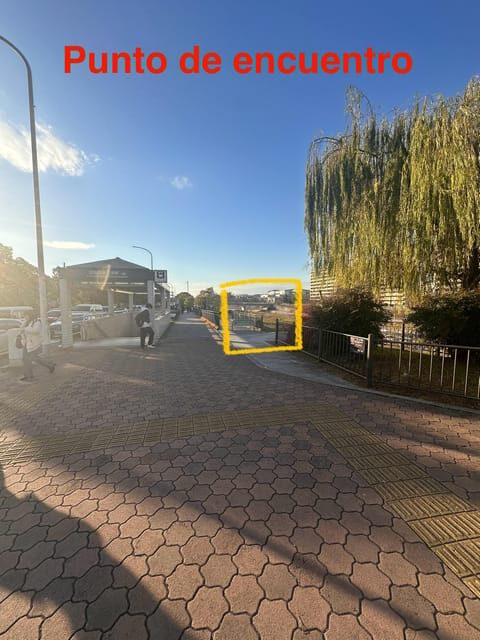
The day starts at 9:00 a.m. at Shichijō Station, Exit 1 and finishes in Higashiyama Ward. That finish location matters: plan your next activity nearby so you’re not trying to hop across town right after.
You’ll take buses during the tour. The guidance suggests bringing 230 yen cash or using a transport card like ICOCΑ, SUICA, or PASMO. This is one of those small details that saves stress later.
What to bring is straightforward:
- Comfortable shoes
- Comfortable clothes
And one clear limit: baby carriages aren’t allowed. If that affects your group, you’ll want to check alternatives before committing.
One more nuance: the guide is Spanish-speaking, and some content may appear in its original language. That’s normal in temple settings, but if you need every single sign explained in Spanish, keep expectations flexible.
Who this tour is best for (and who should consider alternatives)
This tour fits you if:
- You want a traditional Kyoto highlights route without hopping neighborhoods all day
- You enjoy guided context at temples and shrines
- You like mixing “big sights” with street wandering in places like Sannenzaka and Ninenzaka
- You prefer a small group over large bus-style crowds
You might want a different option if:
- You’re very sensitive to walking on uneven surfaces
- You need an English-speaking guide (the tour language is Spanish)
- You want only one or two temples with a slower pace, rather than a full 7-hour circuit
Should you book this Kyoto Kiyomizudera, Sanjusangendo, Kōdaiji, and Gion tour?
If your goal is the strongest concentration of classic Kyoto—Sanjusangendo, Kiyomizudera, Higashiyama streets, Yasaka-area icons, bamboo at Kōdaiji, and then Gion—it’s an easy yes. The day flows from inside-the-temple awe to hillside views, then into the old streets, and ends in a neighborhood where Kyoto feels lived-in.
Book it if you want a guided plan that keeps you from wasting time between stops. Skip it only if you’re not up for a walking-heavy day or you’re not comfortable with Spanish as the main guide language.
FAQ
FAQ
What time does the tour start, and where do we meet?
You meet at Shichijō Station, Exit 1, at 9:00 a.m.
How long is the tour?
The total duration is 7 hours.
What is included in the tour stops?
You’ll visit Sanjusangendo, Kiyomizudera, stroll in Higashiyama (including Sannenzaka and Ninenzaka), see Hōkan-ji (Yasaka Pagoda), visit Kōdaiji, go to Yasaka Shrine, and finish in Gion.
Is there a guided component during temple visits?
Yes. The tour includes live guided visits at multiple stops, including Sanjusangendo, Kiyomizudera, Hōkan-ji, Kōdaiji, Yasaka Shrine, and Gion.
What language is the guide?
The live tour guide speaks Spanish.
How big is the group?
The group is small, limited to 10 participants.
Is the tour mostly walking?
There is some walking. You’ll stroll through areas like Higashiyama and walk through the cobbled streets of Sannenzaka and Ninenzaka, plus you’ll use buses during the day.
What should I bring for transit and comfort?
Bring comfortable shoes and comfortable clothes. For buses, it’s advised to bring 230 yen in cash or use a transport card such as ICOCΑ, SUICA, or PASMO.
What is the cancellation and payment option?
There is free cancellation up to 24 hours in advance for a full refund, and you can reserve now and pay later.