Tea can change your whole Kyoto morning. At Jotoku-ji Temple, Tea Ceremony Ju-An turns a quick stop into a calm ritual: you enter through the main gates, pause at the purification fountain, and wait on the red benches for your English guide. I like the way the hosts bring structure without killing the peaceful mood, with support from people such as Kate and Yaki before the tea master takes over.
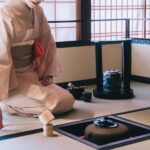
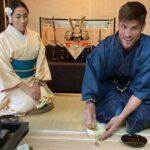
My favorite part is the hands-on matcha workshop. You’ll step into the Grand Tearoom, do a traditional purification ritual, remove your shoes, and then learn the fine art of preparing and drinking matcha step by step. It’s not just watching either; you get time to make your own cup and ask questions while the tea master guides with patience.
One big consideration: the temple grounds are wheelchair accessible, but the tearoom is not, because there are three steps.
In This Review
- Key things to know before you go
- Finding Tea Ceremony Juan at Jotoku-ji: main gate to red benches
- The walk through the temple grounds before tea
- The purification ritual and Grand Tearoom entry (where etiquette becomes experience)
- The tea master’s chanoyu workshop: learn the why, not just the steps
- Matcha tasting in context: what makes this cup different
- Small-group energy: English hosts, manageable pace, lots of questions
- Price and time: is $29 for 70 minutes good value?
- Rain, shoes, and seating tips that actually help
- Who should book this Kyoto tea ceremony, and who might skip it
- Should you book Tea Ceremony Ju-An at Jotoku-ji?
- FAQ
- How long is the Kyoto tea ceremony at Jotokuji Temple?
- Is the instructor teaching in English?
- How big is the group?
- What is included in the price?
- What is not included?
- Where do I meet for the ceremony?
- Is this wheelchair accessible?
Key things to know before you go
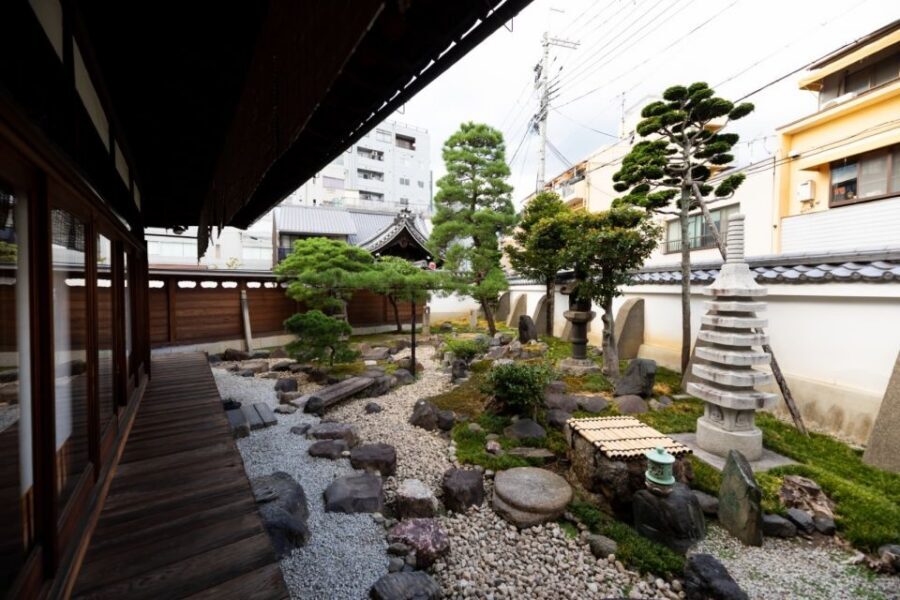
- Jotoku-ji Temple setting: you start in the temple grounds, not a studio, so the atmosphere feels real.
- Red benches + purification fountain: you’re guided through a calm arrival routine before you ever touch the tea tools.
- Grand Tearoom protocol: shoe removal and a traditional purification ritual set the tone.
- English guidance in a small group: limited to 10 participants, so questions don’t get pushed aside.
- Matcha preparation and tasting: you learn the process and get to drink what you make.
- Rain-friendly backup: if weather turns, you’re directed to shelter options like waiting inside the Grand Tearoom.
Finding Tea Ceremony Juan at Jotoku-ji: main gate to red benches
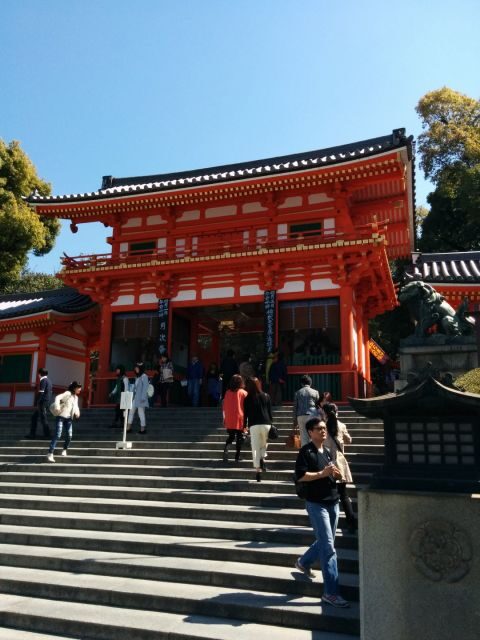
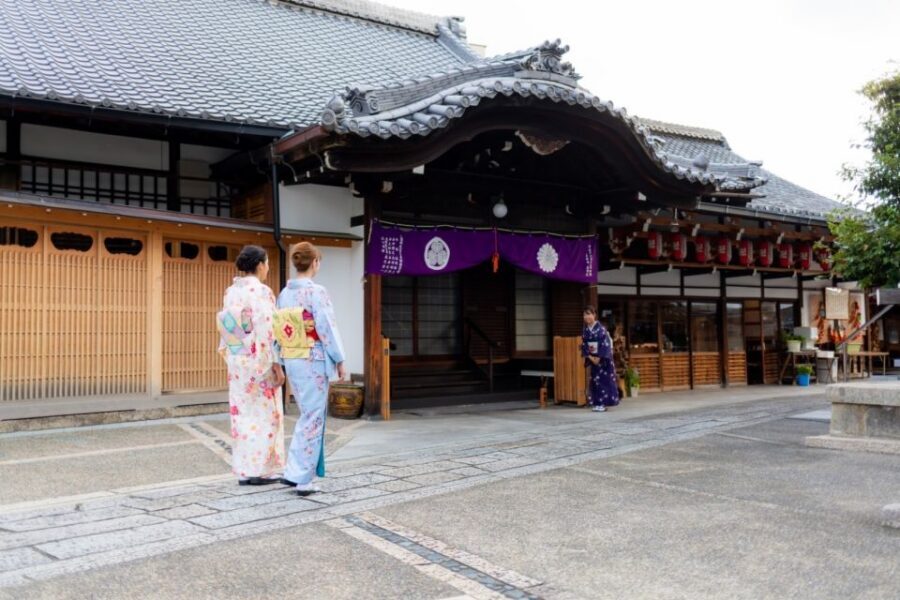
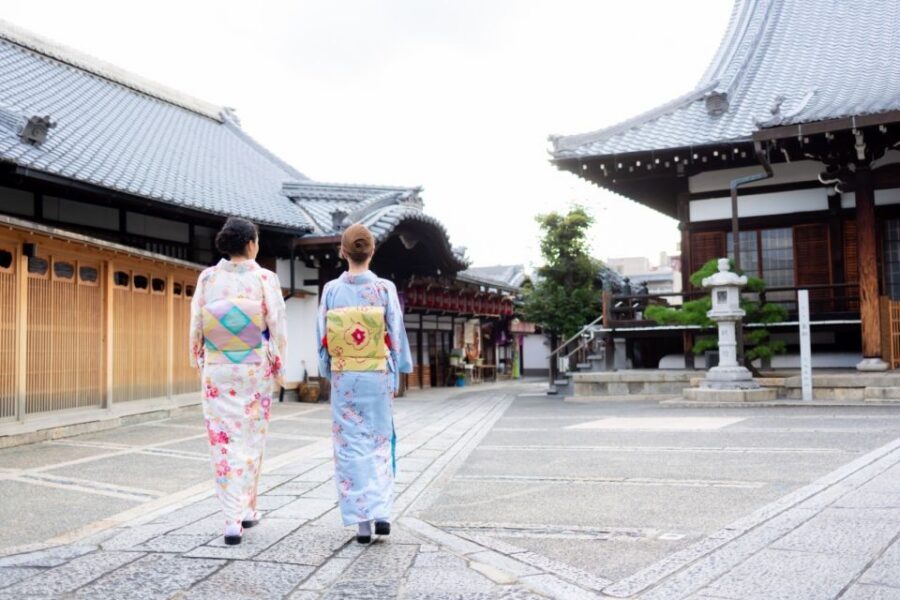
Tea Ceremony Ju-An is staged at Jotoku-ji Temple, with a meeting point at 556, Gojo-sagaru, Tominokoji Dori, Shimogyo-Ku, Kyoto. Once you’re inside the temple area, you’ll face the Main Hall, then look left for the steps that lead you toward the tea room access.
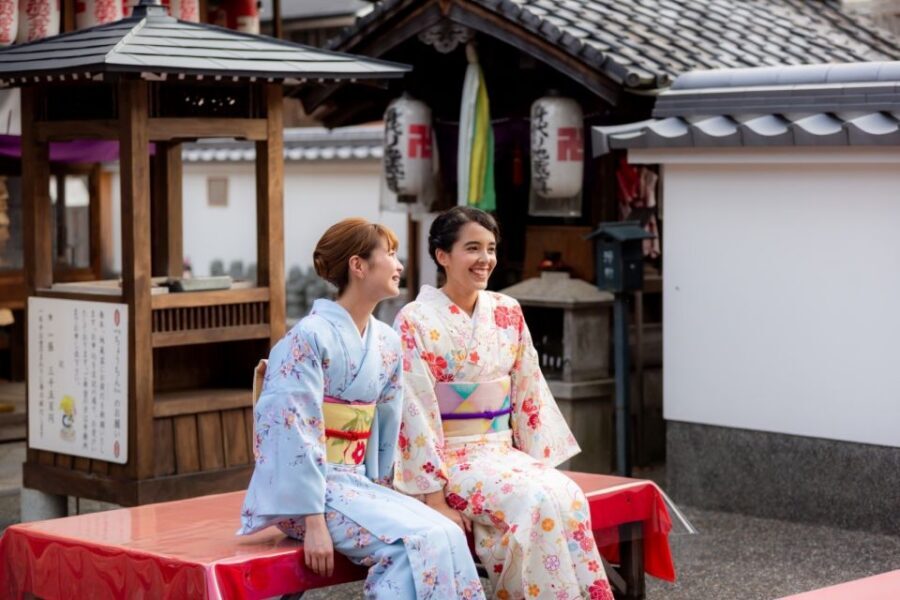
Plan to arrive a few minutes early. You’ll enter through the main gates and move past a Grand Tearoom entrance area (and a parish shop nearby), then your guide meets you at the red benches. This part matters more than you might think, because it’s your first lesson in how the ceremony works: slow down, observe, and follow the flow rather than trying to multitask your way through Kyoto.
A few more Kyoto tours and experiences worth a look
The walk through the temple grounds before tea
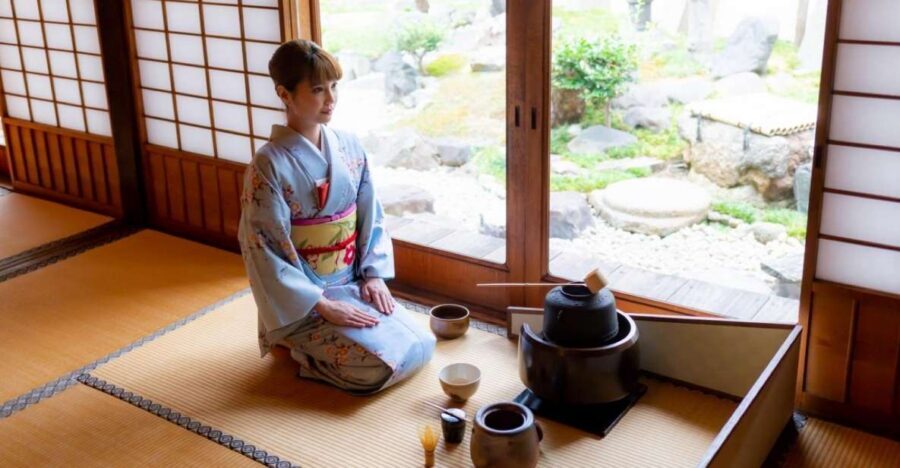
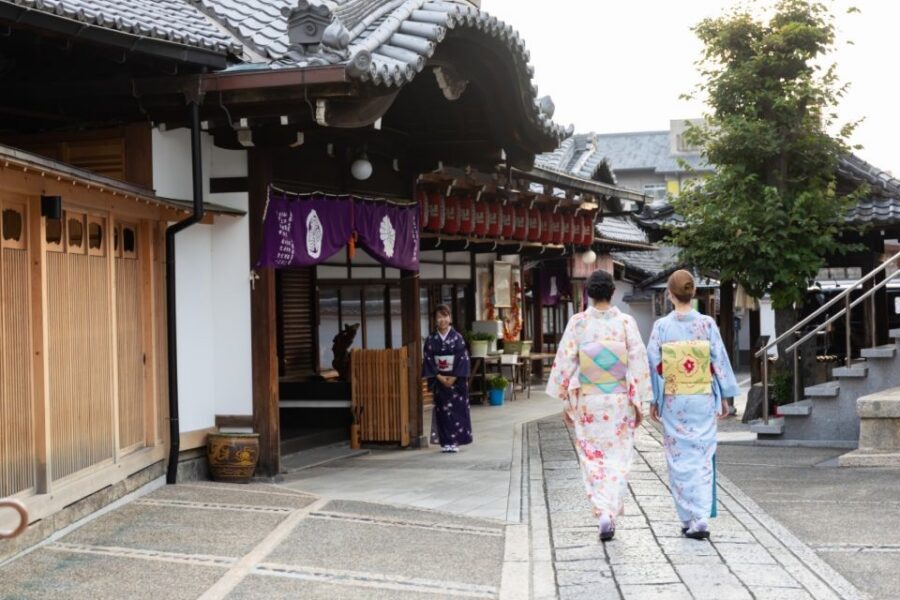
During the early stretch, you’re free to admire the temple architecture and take your time with the surroundings. A key stop is the purification fountain, where you’ll see and follow the ritual rhythm that comes before the tea.
Weather is handled in a practical way. If conditions are good, you sit at the red benches for a break and let the space do its job. If it rains, you’ll have options such as standing under the gable of the shop area or waiting in the Grand Tearoom until it’s time to begin.
This is a good moment to turn off your sightseeing brain. Kyoto can feel like a sprint of temples and photos, and this segment gives you a softer tempo. You’re still at a real religious site, but you’re also being gently guided toward a different kind of attention.
The purification ritual and Grand Tearoom entry (where etiquette becomes experience)
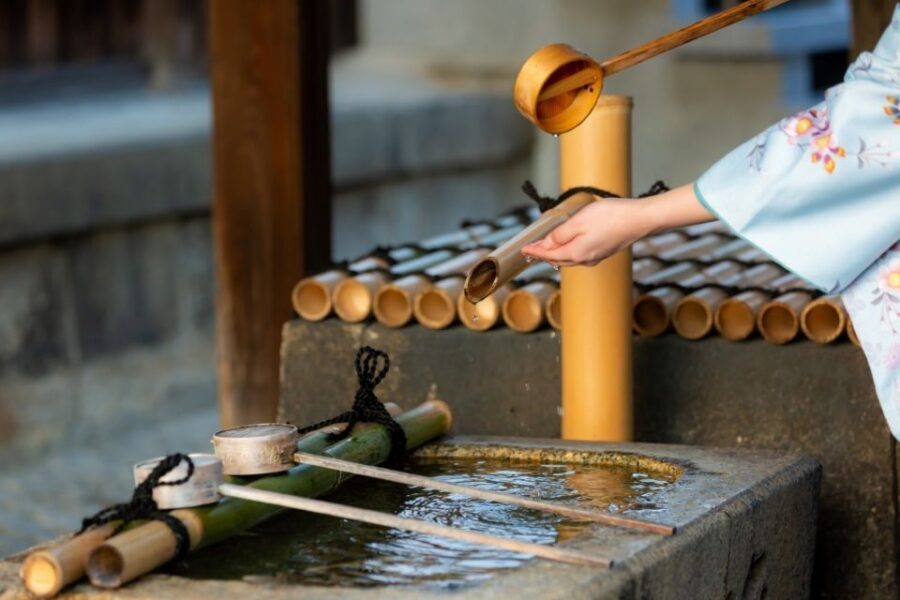
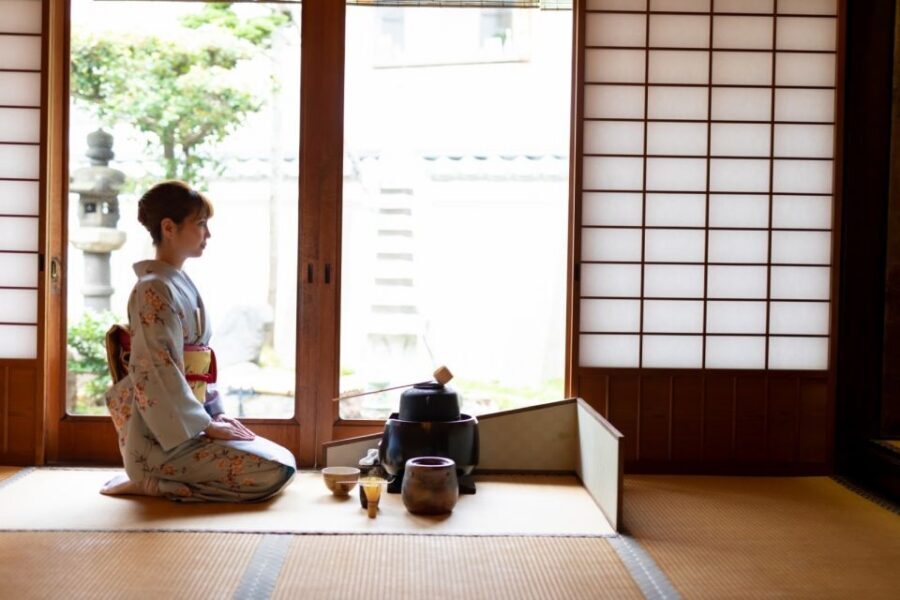
When it’s time to move inside, you enter the Grand Tearoom where the instructor and tea master are ready. The tour starts with a traditional purification ritual, which helps explain why this ceremony feels more like a practice than a performance.
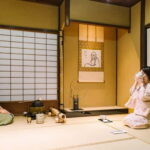
You’ll remove your shoes at the entrance of the Grand Tearoom. Then your group proceeds inside to your seats. The ceremony uses traditional floor seating, which is why you’ll want to be comfortable sitting on the floor for about the length of a short workshop.
If you’re not comfortable sitting in the traditional position, seats and stools can be provided. That’s an important detail if you’re planning this for older knees, tight hips, or anyone who just knows they’ll struggle with long floor sitting.
The tea master’s chanoyu workshop: learn the why, not just the steps
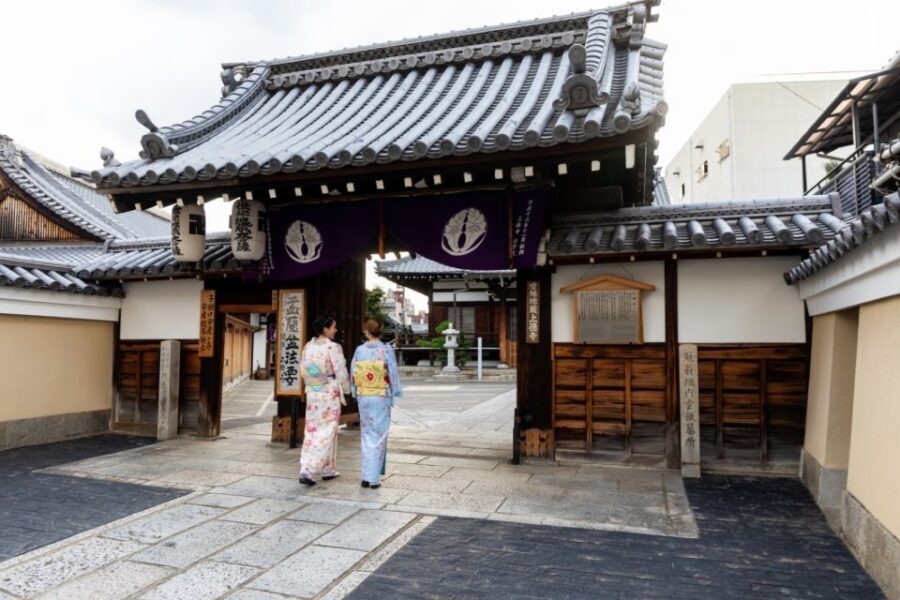
This is a 70-minute experience, which means you’re not getting a multi-hour, full-class deep study. Instead, you get the core structure of chanoyu in a focused, approachable way: you learn what the rituals mean and then you apply that knowledge with guidance.
The tea master guides you through each step of matcha preparation. You’ll learn the importance of the ceremony and the proper way to drink matcha, not just the mechanics of whisking and serving. Expect clear explanations in English, and a steady pace designed for a small group.
A big plus for value is that it’s interactive. You don’t just watch someone prepare a cup; you get the chance to make your own matcha and taste it afterward. That one shift turns the experience from passive sightseeing into something you can remember with your own hands and senses.
You’ll also have a light sweet accompaniment as part of the experience. It’s meant to balance the matcha flavor, and it rounds out the tasting so you get more than one dimension of the ceremony.
Matcha tasting in context: what makes this cup different
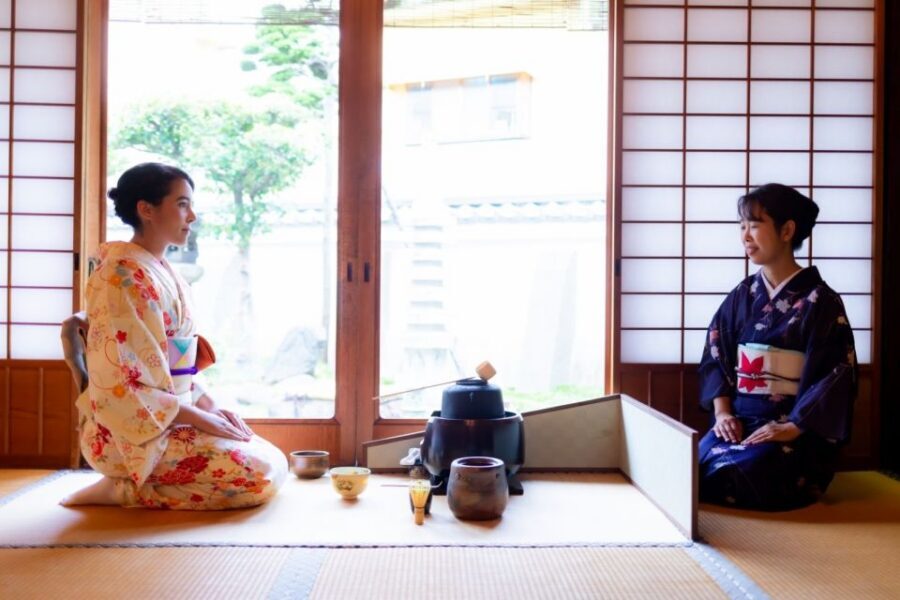
Matcha isn’t just a drink in Japan. In this setting, you learn how matcha works as a cultural practice tied to focus, respect, and hospitality. The tea master’s explanations help you understand why every gesture has a reason, from the pacing to the way the tea is presented and consumed.
One of the most repeated strengths of this experience is how carefully the tea preparation is explained. The instruction is step-by-step, and the hosts keep things grounded so you can actually follow along. If you’ve only tried matcha as a smoothie or a latte, this is where you’ll feel the difference between casual green tea and ceremonial matcha at its best.



Small-group energy: English hosts, manageable pace, lots of questions
The group is limited to 10 participants, which changes the vibe fast. In a small group, you’re not shouting questions across a crowd, and you’re not just waiting your turn for a photo. The tone stays respectful, but you’re still free to engage.
English instruction is provided, and the hosts often translate and guide through the meaning behind each step. People such as Kate and Yaki come up in session accounts, and I like how that support makes the ritual feel less mysterious and more understandable, without turning it into a lecture.
If you’re worried about feeling awkward, don’t be. The pacing is designed so you can follow the actions and keep up with the rhythm. You’ll also get enough time to ask questions, which helps you leave with real understanding instead of just a good memory.
Price and time: is $29 for 70 minutes good value?
At $29 per person for 70 minutes, this is a solid value if you’re after a genuine taste of chanoyu without committing to a half-day class. Some tea experiences run much longer, and that can be tough when you’re juggling Kyoto’s packed schedule. Here, you’re paying for concentrated access: temple setting, guided ritual, English explanation, and hands-on matcha preparation.
What makes it worth it isn’t only the tea itself. You’re paying for context: purification, etiquette, the meaning of the gestures, and a teacher who stays with you through the process. If you were to replicate this on your own, you’d need time to find a formal setting, learn the rules, and get proper guidance. In 70 minutes, this gives you the structure you need to do it correctly.
One practical note: the ceremony includes tea and tasting elements, but meals aren’t included. So eat beforehand if you’re hungry. Think of this as a culture stop that happens at tea-time, not a replacement for dinner.
Rain, shoes, and seating tips that actually help
Here’s what can make or break the experience on the day.
- Wear practical bottoms: you’ll be sitting in traditional ways in the Grand Tearoom, and comfort helps.
- Plan for shoe removal: you’ll take shoes off at the entrance of the tearoom, so avoid footwear that’s hard to slip on or off quickly.
- Bring a calm mindset: the ceremony is quiet by design, and rushing your own pace fights the experience.
- Expect weather options: the plan includes backup choices if it rains, like waiting indoors or under shelter.
Accessibility matters too. The temple grounds are wheelchair accessible, but the tearoom is not because there are three steps. If someone in your group uses a wheelchair, this activity won’t work as designed.
Who should book this Kyoto tea ceremony, and who might skip it
I’d steer you toward this tour if you want:
- a short, meaningful introduction to Japanese tea ceremony culture,
- a small-group setting with English guidance,
- the chance to make and drink matcha yourself,
- a peaceful counterpoint to Kyoto’s bigger sights.
I’d think twice if:
- you strongly prefer long, lecture-style experiences with hours of practice, or
- your group includes anyone who needs wheelchair access to the tearoom.
This one is built for balance: real tradition, manageable timing, and respectful teaching.
Should you book Tea Ceremony Ju-An at Jotoku-ji?
Yes, if your goal is a Kyoto experience that feels quiet, human-sized, and genuinely tied to a real temple setting. The value comes from the combination of temple atmosphere, purification and etiquette, English guidance, and hands-on matcha preparation within 70 minutes.
Book it especially if you’re the type who likes to understand the why behind what you’re doing. You’ll leave with a cup you made and an explanation you can actually use next time you see matcha in Japan.
FAQ
How long is the Kyoto tea ceremony at Jotokuji Temple?
The tea ceremony lasts 70 minutes.
Is the instructor teaching in English?
Yes. Instruction is provided in English.
How big is the group?
It’s a small group limited to 10 participants.
What is included in the price?
The tour guide and the chanoyu workshop ceremony are included.
What is not included?
Meals are not included, and kimono is not included (it can be rented separately).
Where do I meet for the ceremony?
The meeting point is Tea Ceremony Juan at 556, Gojo-sagaru, Tominokoji Dori, Shimogyo-Ku, Kyoto. Inside the temple, you face the Main Hall and look left for steps that give access to the tea room.
Is this wheelchair accessible?
The temple is wheelchair accessible, but the tearoom is not because there are three steps. The activity is not suitable for wheelchair users.