Kyoto tea can feel intimidating. This one is calm, clear, and built for comfort. You’ll do a chair-based tea ceremony in a traditional townhouse setting, plus a garden purification moment and a friendly English walkthrough of tea manners. I especially love making my own creamy matcha with a bamboo whisk, and I like that you can stay seated while learning the movements and etiquette. The main consideration: it’s not designed for wheelchair users, and if you pick the kimono option you should plan extra time to arrive early.
If you want a Kyoto experience that feels lived-in, not stagey, this hits the mark. You also get photo-friendly props (umbrellas, folding fans, and even katana sword-style photo time) and a few hands-on extras like calligraphy and flower arranging. One drawback to keep in mind: the location is outside central Kyoto, so you’ll want to build in a little travel time before and after.
In This Review
- Key things you’ll notice right away
- Entering a Kyoto tea ceremony where your knees don’t panic
- The setting: a southern Kyoto townhouse with real character
- Before tea: purification at the stone basin
- The tea lesson: clear explanations, then you practice
- Welcome drinks and sweets: what you’re tasting along the way
- Photos and props: making it fun without breaking the mood
- Writing your name in Japanese: calligraphy with a keepsake
- Flower arranging: a second craft that makes the ceremony feel complete
- Optional kimono rental: worth it if you want the full Kyoto feeling
- Price and value: why $45 makes sense here
- Getting there: south Kyoto directions that save stress
- Who this tea ceremony suits (and who should skip)
- Should you book Kyoto chair-style tea at this townhouse?
- FAQ
- How long is the Kyoto chair-style tea ceremony?
- Where is the meeting point and how do I get there?
- Do you sit on the floor or in chairs?
- What language are the guides speaking?
- What is included in the price?
- Is hotel pickup or drop-off included?
- If I choose the kimono option, when should I arrive?
- Is this activity suitable for wheelchair users?
- Can I cancel for a full refund?
- Can I reserve now and pay later?
Key things you’ll notice right away
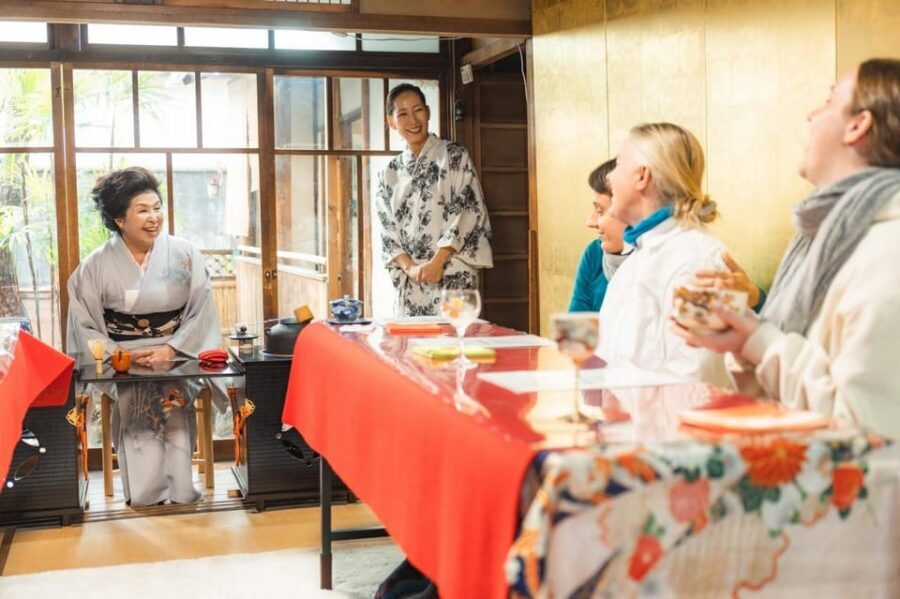
- Chair comfort instead of floor seating, so you can actually focus on the ritual
- 100-year-old kyo-machiya townhouse atmosphere, with a look at old altars and antiques
- Matcha made by you, including that thick, frothy whisked texture
- Garden purification at a stone basin, shrine-style, before you start the ceremony
- Name calligraphy plus a keepsake scroll or envelope in Japanese scripts
- Optional kimono rental to make the photos and the mood feel truly Kyoto
Entering a Kyoto tea ceremony where your knees don’t panic
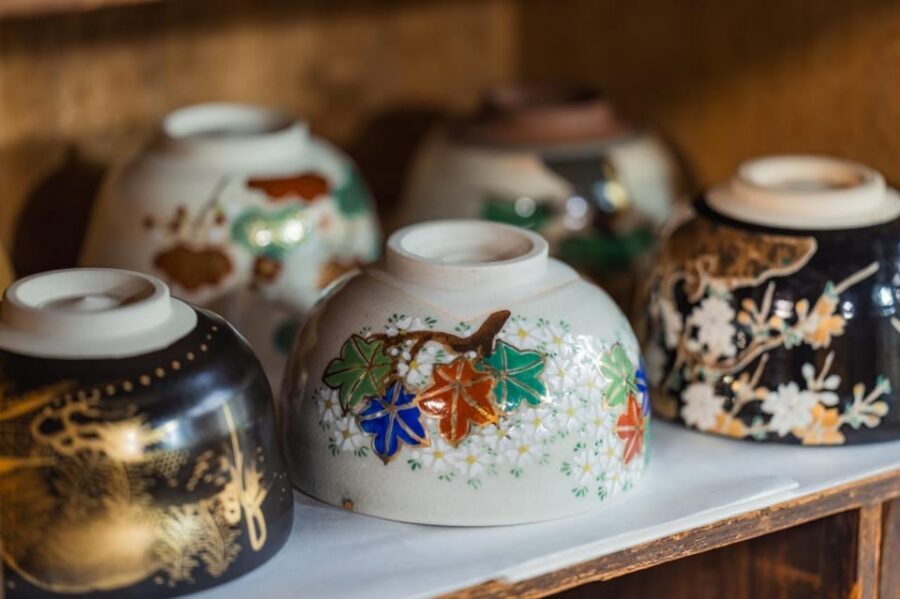
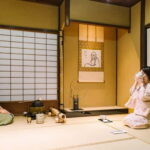
A traditional tea ceremony often means sitting on the floor for a long stretch. Here, the big shift is simple: you sit on a chair. That one change makes the whole experience easier to enjoy, especially if you’re traveling after a packed day of temples and train rides.
You’ll start with a welcome drink, typically sake or juice (and you may be offered other options such as Japanese tea). This matters more than it sounds. It settles you in, and it also gives you a moment to slow down before the etiquette lesson begins.
The ceremony itself is still tea ceremony. You’ll learn the reasons behind the steps, the spirit of the manners, and how the movements connect to respect and attention. It’s not just watch-then-sip.
A few more Kyoto tours and experiences worth a look
The setting: a southern Kyoto townhouse with real character
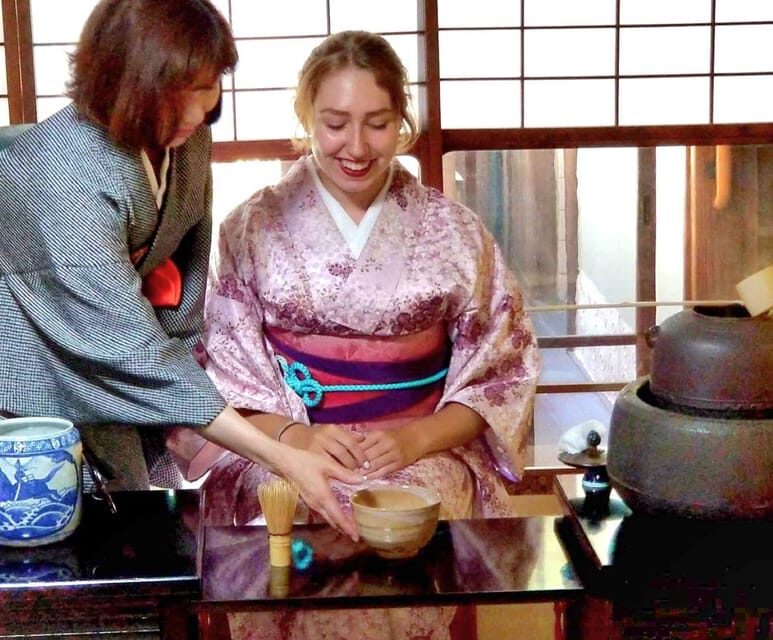
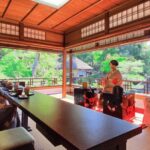
This takes place in southern Kyoto, on the outskirts, around a 20-minute train ride from your starting area. The neighborhood is known for sake, so if you want to eat or browse right after, you can. It also keeps the experience from feeling like a quick stop in the middle of the busiest tourist loops.
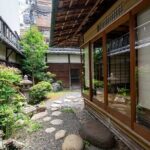
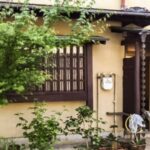
The home is a kyo-machiya townhouse that’s said to be over 100 years old. When you arrive, the mood feels nostalgic and domestic, the kind of place that makes you think of daily life, not performance. Inside, you may also notice old Buddhist and Shinto altars and some antiques as you stroll through the townhouse.
Even if you’re not a “historic buildings” person, the house helps. It frames the ceremony as something rooted in everyday Kyoto etiquette rather than a theme you only see once.
Before tea: purification at the stone basin
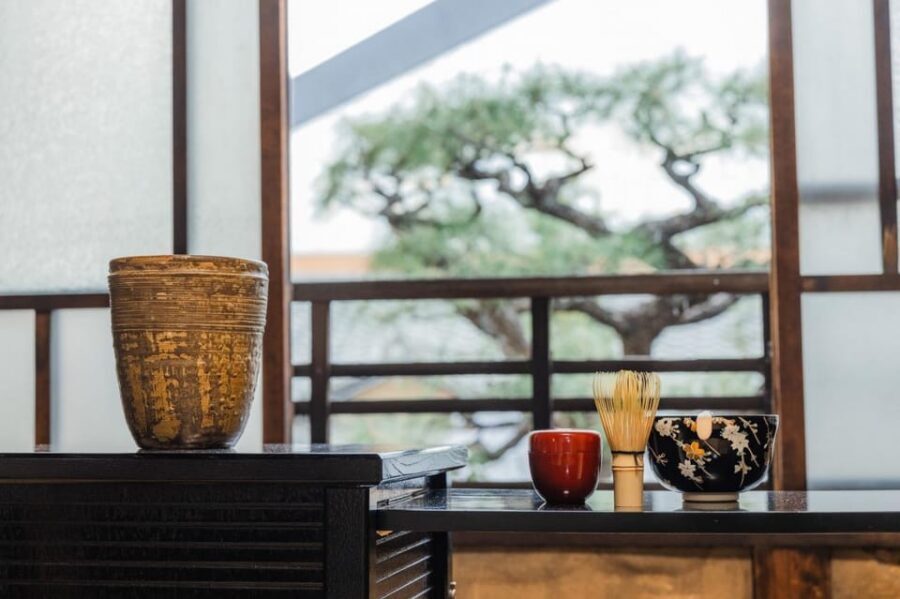
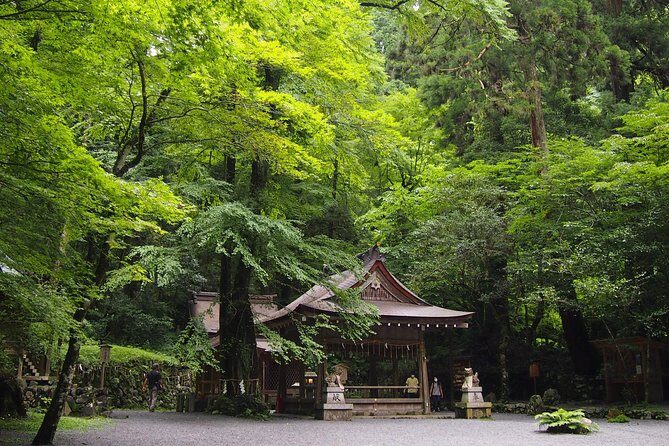
One of my favorite parts of this format is the garden sequence. You’ll experience how purification can be done at a stone basin, in a shrine-like way. Even though you’re not entering a full religious space, the idea is the same: you’re preparing yourself mentally and physically.
It’s short, but it sets the tone fast. You stop thinking about your next stop and start paying attention to the moment you’re in.
If you’re the type who likes understanding context, this part is a strong “why” step. It also gives you a reset before you sit down for the formal tea steps.
The tea lesson: clear explanations, then you practice
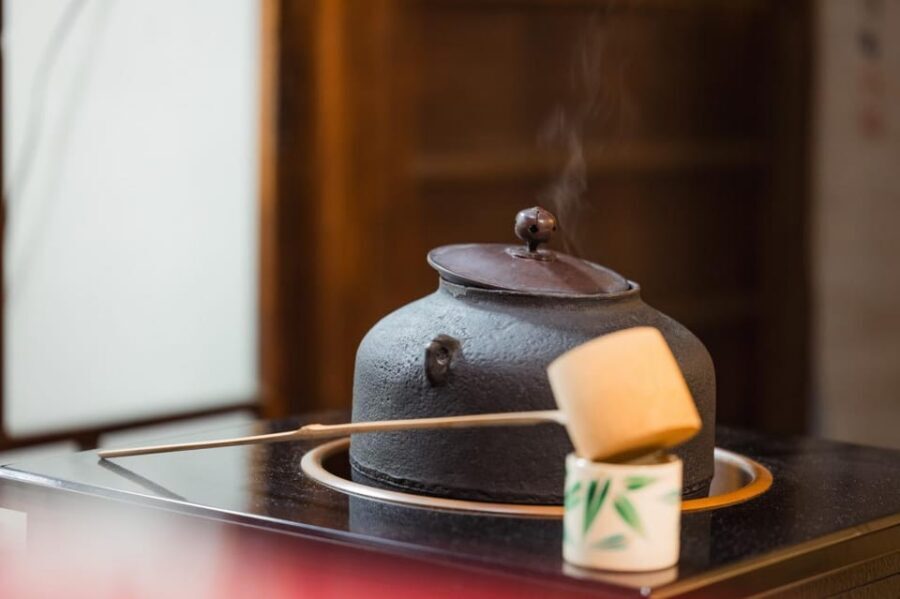
The instruction includes presentations in English, including PowerPoint-style background on how tea ceremony developed in Japan and what the manners represent. That historical framing is useful. It turns tea from a cute activity into something with a point.
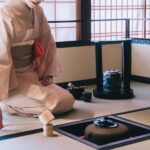
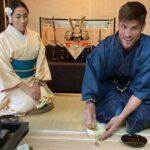
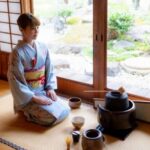
Then comes the hands-on part. You’ll learn how to prepare matcha properly and make it yourself. This is where the experience stops being passive.
Using a bamboo whisk, you’ll create that creamy, frothy texture matcha is known for. Don’t rush this step. The whisking is part technique, part patience. When you get it right, you’ll taste the difference immediately.
Along the way, you’ll also learn the etiquette around receiving tea and how to handle the tools. Because you’re seated at a table, you can keep your posture steady without fighting the floor.
Welcome drinks and sweets: what you’re tasting along the way
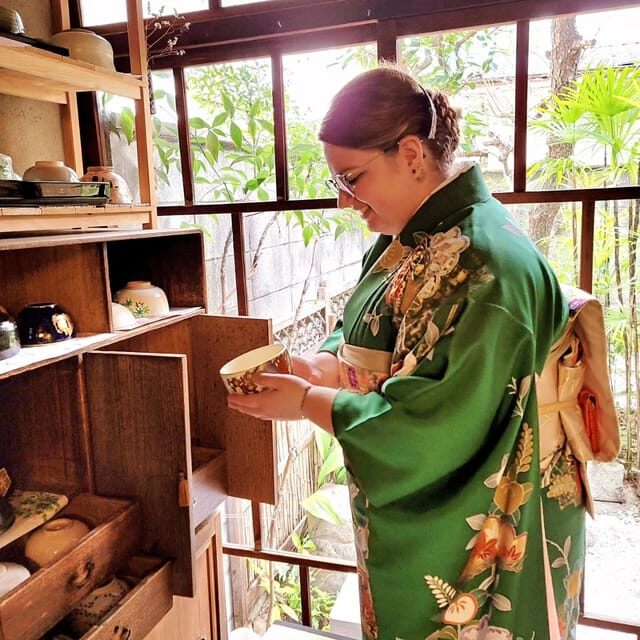
Tea ceremonies always include food in some form, and here you get traditional sweets made for the tea. That pairing matters. The sweets are meant to balance the bitterness and earthiness of matcha, so you taste the tea with more nuance.
You’ll also have a welcome drink first, commonly sake or juice. That soft start makes it easier to settle into a slower rhythm, especially if you arrive feeling rushed or jet-lagged.
There’s also a note about latte art using thick tea. This is one of those modern touches that can still work well if you approach it like a skill practice rather than a gimmick. It gives you another sensory moment before the core ritual.



Photos and props: making it fun without breaking the mood
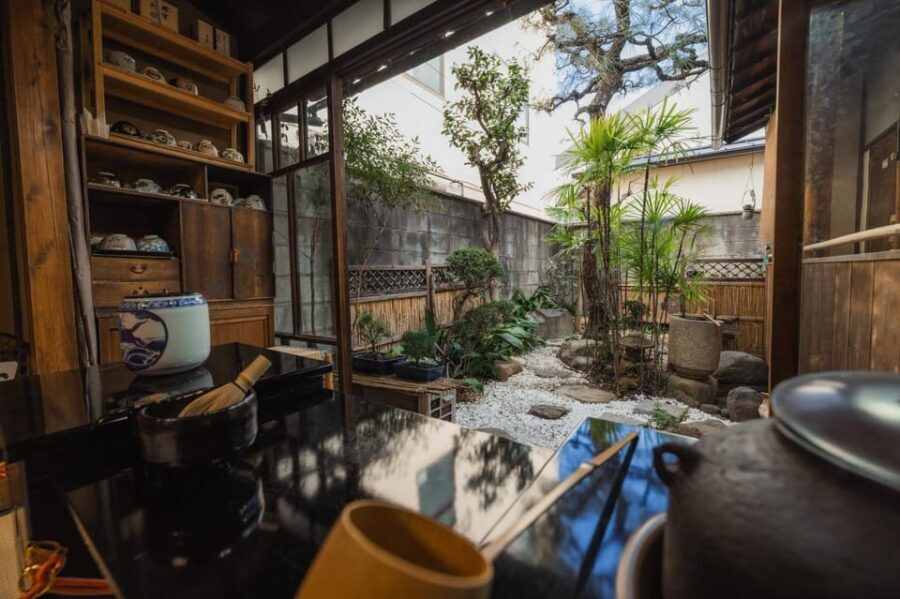
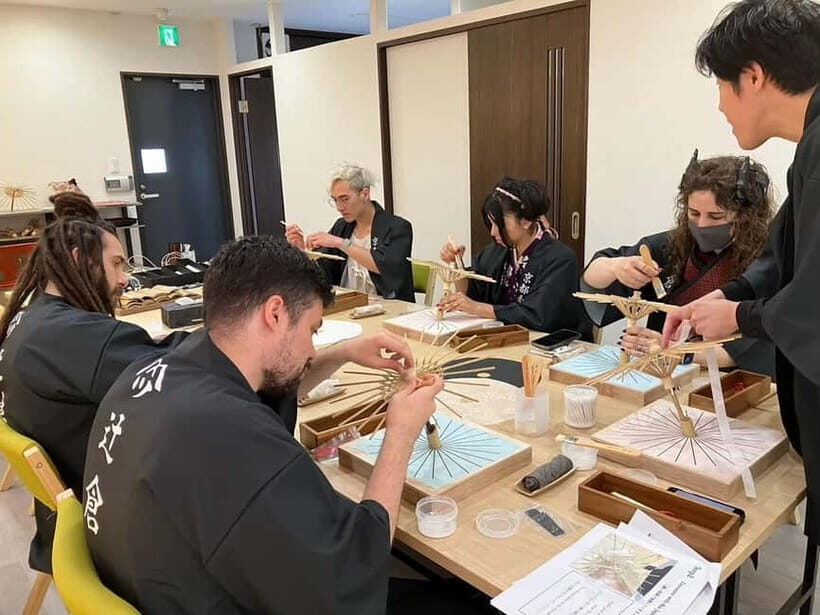
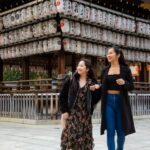
One reason people book this is the “you’ll get to play” factor, and it’s handled thoughtfully. You’ll have time for photos and videos in the townhouse and garden setting, and you’ll use props like umbrellas and folding fans.
There’s also katana sword-style photo time. It’s not about pretending to be a warrior. It’s more about adding a dramatic Kyoto visual to your pictures while you’re in kimono or traditional styling.
My advice: keep the photos time respectful. Do it during the photo windows, not mid-ritual. The hosts keep a steady flow, and your best photos will come when you follow their timing.
Writing your name in Japanese: calligraphy with a keepsake
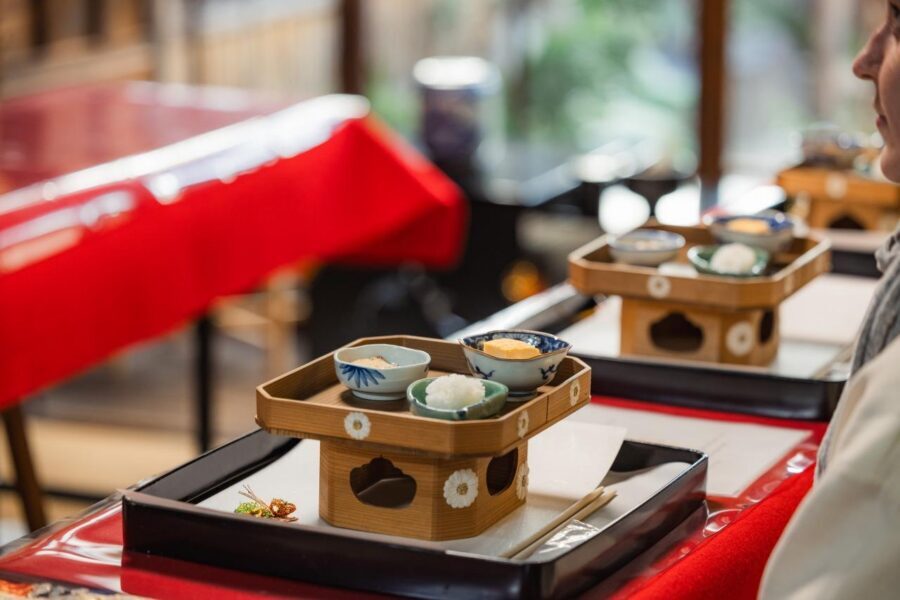
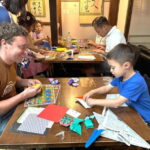
Calligraphy is included, and this is one of those moments you’ll remember after the matcha has vanished. You’ll write your name using Japanese scripts, with options that can include kanji or hiragana. Many participants also get to practice multiple scripts, such as hiragana and katakana, so you can compare how your name looks across systems.
At the end, you get a hanging scroll or an envelope with your name written. That’s a big value add compared with activities where you only leave with photos. You’ll have something physical to remind you of the experience later.
Go into this part with a beginner mindset. The point isn’t perfect brushwork. It’s the process, the pace, and the small sense of accomplishment when your name looks right in a script you can’t usually read.
Flower arranging: a second craft that makes the ceremony feel complete
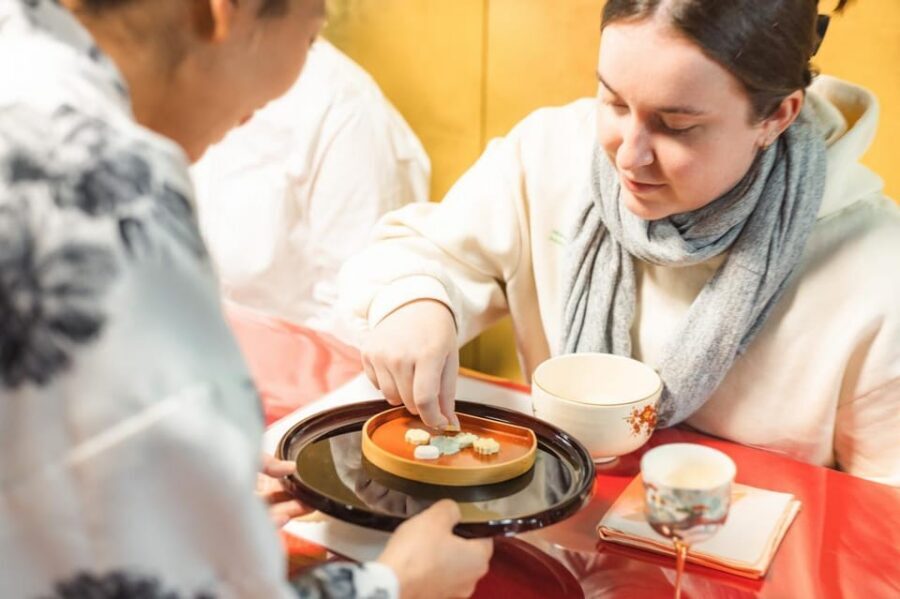
Another hands-on inclusion is flower arranging. This is a great pairing with tea because it connects to the idea of seasonal presentation and careful attention to detail.
Even if you’ve never done ikebana before, the arrangement part works because the activity is guided. It gives your brain a new channel after the matcha step and before calligraphy, so the session stays varied without feeling chaotic.
When you finish, you have tea in your memory and a small crafted item that makes the experience feel more personal than a simple tasting.
Optional kimono rental: worth it if you want the full Kyoto feeling
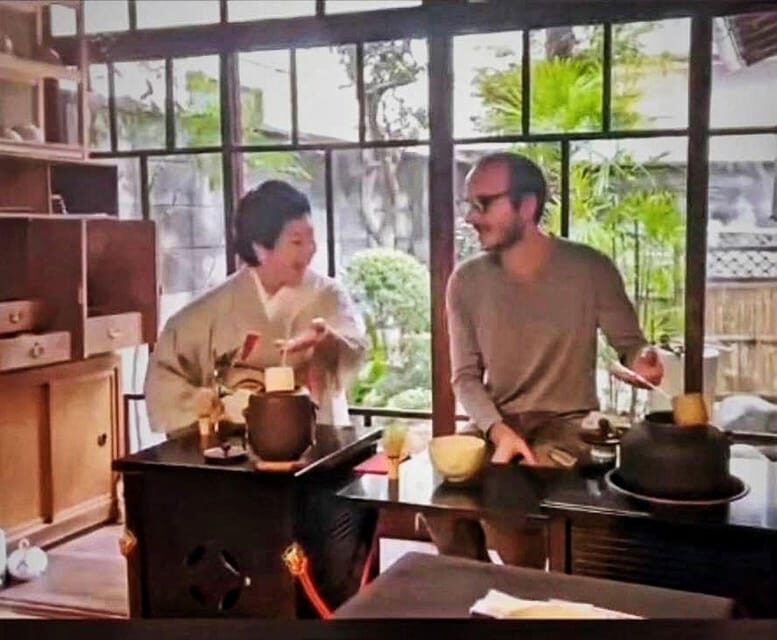
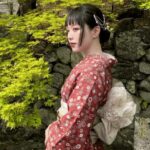
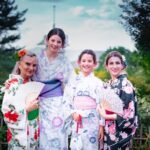
If you want the full “Kyoto in one afternoon” effect, you should seriously consider the kimono option. You can reserve it, and if you select it you’ll need to arrive about 30 minutes early so they can get you dressed properly.
The practical payoff is big. Kimono makes the photos better, yes. But more importantly, it changes how you move and pay attention. It turns the session into a more immersive cultural moment, not just a workshop.
Two cautions:
- If you’re pregnant, the guidance asks you to refrain from wearing a kimono for health and safety.
- If you dislike added dressing time, you might skip it and still have a great ceremony. The chair seating already removes one major discomfort factor.
Price and value: why $45 makes sense here
At about $45 per person for 90 minutes, this isn’t the cheapest thing in Kyoto. It also isn’t pretending to be. What makes the price feel fair is the mix of components you actually get.
You’re paying for:
- A guided tea ceremony experience with explanation, not just a quick tasting
- Hands-on matcha preparation using a bamboo whisk
- Traditional sweets and welcome drinks
- Calligraphy with a written-name keepsake (scroll or envelope)
- Flower arranging
- Plus optional extras like kimono rental and latte-art-style thick tea practice
In other words, you’re not only buying tea. You’re buying time, instruction, and multiple guided crafts in a real, old townhouse setting. If you’d otherwise spend the same amount on a single museum entry or a single meal with little structure, this gives you more “learn something and do something” value.
Getting there: south Kyoto directions that save stress
No hotel pickup is included, so you’ll want to navigate on your own. The meeting point is on the outskirts of Kyoto, about 20 minutes by train, and guides wearing kimono will be waiting.
Two routes are listed:
From Kintetsu Kyoto Station:
- Take an express train about 15 minutes to Kintetsu Momoyama-Goryo-mae Station.
From Keihan Gion-Shijo Station:
- Get off at Fushimi-Momoyama Station.
From there, you’ll head west on the Otesuji shopping arcade. Walk about 3 minutes, then turn right at the Mizuho Bank or a mobile shop such as Rakuten. Continue walking until you see the old Kyoto townhouse with a blue curtain.
From Momoyama Station (JR):
- Head northwest, pass by Gokogu on the right in about 300 meters.
- Continue on Otesuji, turn right at the Mizuho Bank or Rakuten mobile shop.
- Walk about 2 more minutes until you spot the townhouse with the blue curtain.
If you’re prone to arriving late, give yourself buffer time. This is the kind of activity where being on time helps everything flow.
Who this tea ceremony suits (and who should skip)
This works well for:
- Couples who want a calm, romantic cultural activity with real craft steps
- First-timers to tea ceremony who want clear English instruction
- Families with teens who can participate in calligraphy and matcha without being overwhelmed
- People who want Kyoto culture without the floor-seating pain
It may not work for:
- Wheelchair users, since it isn’t suitable for wheelchairs
- Anyone who wants a completely hands-off experience. You’ll be participating, not just watching
Also, if you’re short on time, remember the location is outside central Kyoto. Build your day with train timing so you don’t feel rushed.
Should you book Kyoto chair-style tea at this townhouse?
Yes, if you want tea ceremony that feels both authentic and doable. This one balances ritual with comfort: chair seating, a real old townhouse setting, and multiple hands-on activities like matcha, calligraphy, and flower arranging.
Book it especially if you’re the kind of traveler who likes structure. You’ll learn the meaning behind the steps, not only the motions. And if you’re considering kimono, it’s one of the few add-ons where the extra effort pays off fast in atmosphere and photos.
If you hate crafts or want pure sightseeing time instead, you might skip it. But if you want one memorable Kyoto afternoon that gives you skills, a keepsake, and a calm story to tell later, this is a strong choice.
FAQ
How long is the Kyoto chair-style tea ceremony?
The experience lasts 90 minutes.
Where is the meeting point and how do I get there?
It’s in southern Kyoto on the outskirts, about 20 minutes by train. Directions are provided from Kintetsu Kyoto Station (to Kintetsu Momoyama-Goryo-mae Station) or from Keihan Gion-Shijo Station (to Fushimi-Momoyama Station), and then you walk along Otesuji shopping arcade to a townhouse with a blue curtain. Guides wearing kimono will be waiting.
Do you sit on the floor or in chairs?
You sit on a chair instead of on the floor.
What language are the guides speaking?
The instruction is in English.
What is included in the price?
Included are the tea ceremony experience, traditional sweets, a welcome drink (sake or juice), latte art using thick tea, calligraphy experience, a hanging scroll or envelope with your name written in Japanese characters, kimono rental if you choose that option, and a tea ceremony flower arranging experience.
Is hotel pickup or drop-off included?
No, hotel pickup and drop-off are not included.
If I choose the kimono option, when should I arrive?
If you select kimono rental, you should arrive 30 minutes before the experience begins.
Is this activity suitable for wheelchair users?
No, it is not suitable for wheelchair users.
Can I cancel for a full refund?
Yes. You can cancel up to 24 hours in advance for a full refund.
Can I reserve now and pay later?
Yes, you can reserve now and pay later.