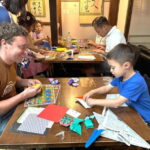
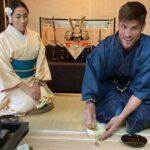
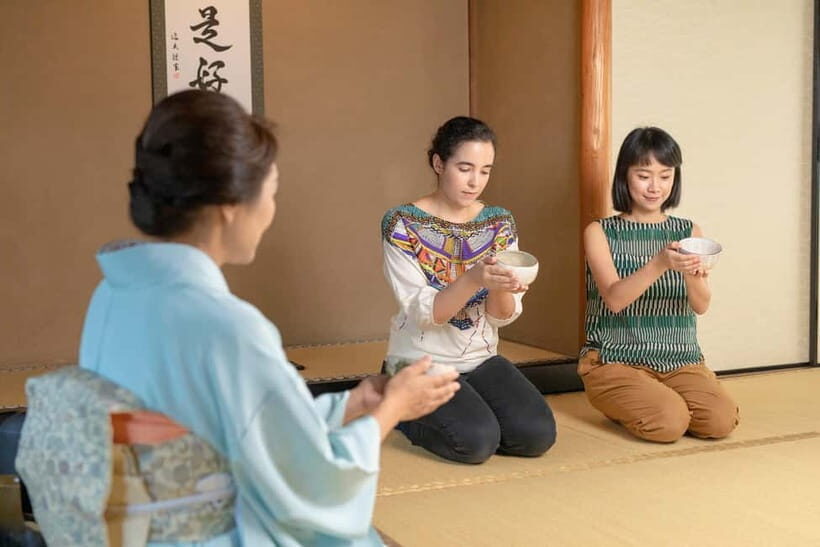
A tea ceremony can feel like a time machine. In a 100-year-old machiya townhouse, you learn the etiquette behind Japanese tea and then get to practice it yourself. I especially love two parts: the way the tea master walks you through each gesture, and the hands-on moment where you make your own matcha under supervision. One thing to keep in mind: it’s a quiet group experience, and you may sit on the floor (or use a small chair), so plan to move gently and keep your voice low.
This experience is built around real Kyoto pacing. If you book the kimono option, you’ll pick your outfit at the Gojo-area shop first, then the tea ceremony starts about two hours after your selected start time (so you’re not stuck waiting around with nothing to do). The good news is that the program includes what you need—tea, sweets, a leaflet, and an interpreter—so you can focus on the ritual instead of translating everything in your head.
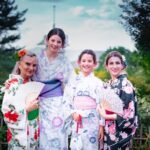
If you choose the kimono add-on, you also get to wear it after the ceremony and stroll Kyoto before returning it. I like that it’s not just a costume moment; the kimono ties into the setting and the overall feel of the day, including that townhouse architecture you’ll be standing inside. Just remember the house rules: no flash photography indoors, no smoking inside, and you’ll want to bring socks and skip sandals.
In This Review
- Key Highlights You’ll Actually Feel During This Kyoto Tea Ceremony
- A Tea Ceremony That Happens Inside a 100-Year-Old Machiya Townhouse
- Kimono Choice at Gojo Shop, Then Tea Starts Two Hours Later
- The Tea Ceremony Itself: History, Etiquette, and the Flow of the Room
- You’ll Make Matcha: The Hands-On Part That Makes It Stick
- Traditional Sweets and Matcha You Actually Eat and Drink
- After Tea: Wear Your Kimono Around Kyoto (Then Return It by 5:30)
- Optional Kyo-Machiya Tour Add-On: Architecture + Culture in the Same Place
- Socks, Shoes, and Silence Rules That Matter in a Shared Room
- Price and Value: Is $31 Worth It?
- Who This Kyoto Tea Ceremony Suits Best
- Should You Book This Kyoto Tea Ceremony?
- FAQ
- How long does the tea ceremony experience take?
- Where do I meet the staff for the kimono rental option?
- Where do I meet if I book only the tea ceremony?
- When does the tea ceremony start if I choose kimono rental?
- Can I sit on the floor during the ceremony?
- What should I bring?
- Are sandals or flip-flops allowed?
- What photos are allowed during the ceremony?
Key Highlights You’ll Actually Feel During This Kyoto Tea Ceremony
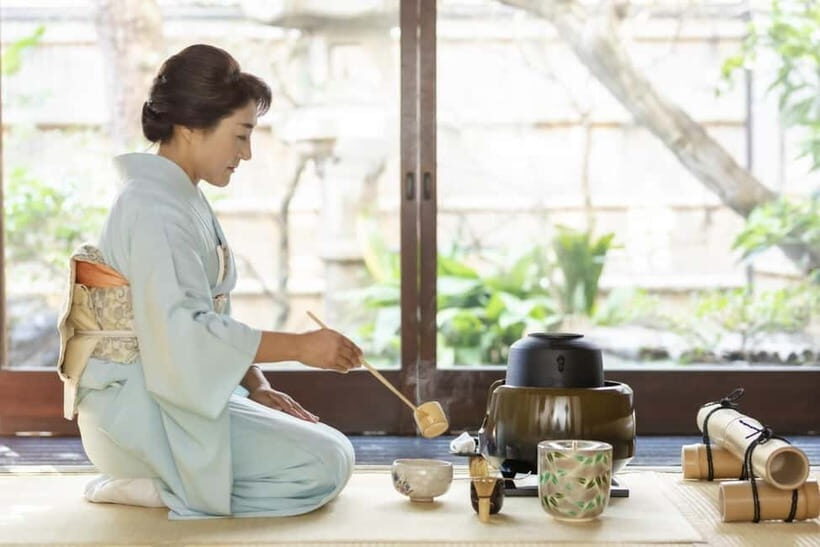
- Hands-on matcha practice with close supervision from the tea master
- 100-year-old machiya setting that makes the ceremony feel grounded and real
- Etiquette + meaning, not just a performance, from bowing to how to drink
- Kimono rental option for a full Kyoto “day outfit,” not a quick photo stop
- Small-group vibe inside a larger session, with a room that may change based on turnout
A Tea Ceremony That Happens Inside a 100-Year-Old Machiya Townhouse
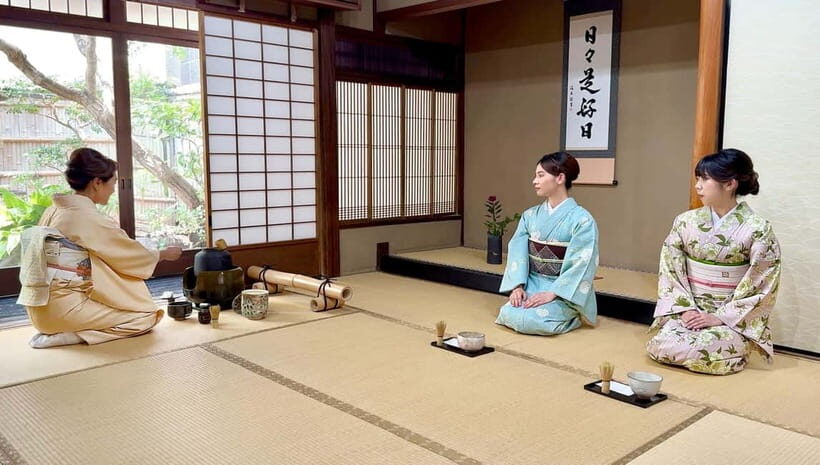
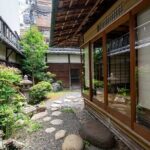
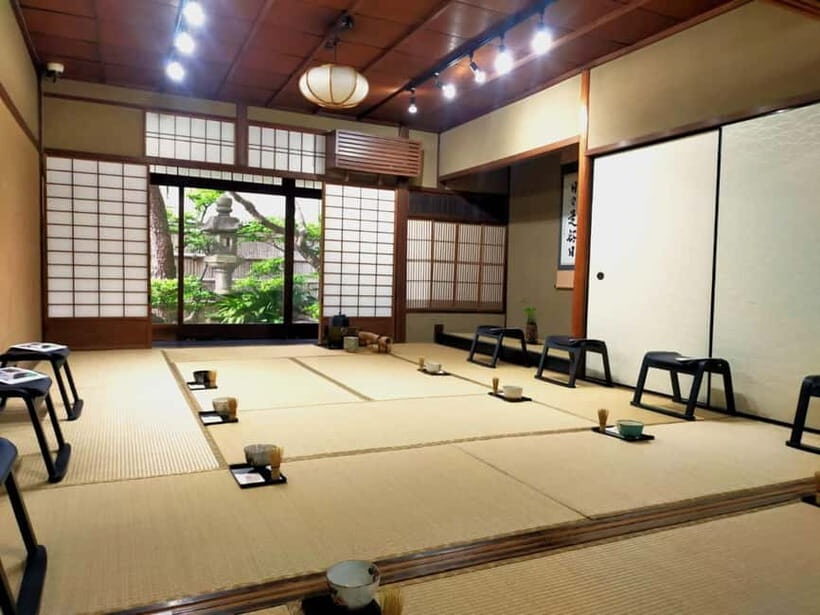
Kyoto tea culture isn’t only in the cup. It’s in the room you’re in—the paper screens, tatami-style flooring, and the calm layout that encourages slow movement and attention. That’s why I like this format: you’re not learning tea etiquette in a generic space.
The tea ceremony is hosted in Yumeyakata Oike Bettei (a traditional machiya townhouse). The venue choice matters because the ceremony depends on quiet cues: where items are placed, how you sit, when you bow, and how you handle the tea bowl. When the space already feels traditional, you don’t have to “pretend” the moment—you just follow along.
One more useful detail: the experience offers a choice of seating. If you’d rather not sit on the floor, you can use a small chair. That single option can make the difference between enjoying tea calmly and spending the whole time thinking about your legs.
A few more Kyoto tours and experiences worth a look
Kimono Choice at Gojo Shop, Then Tea Starts Two Hours Later
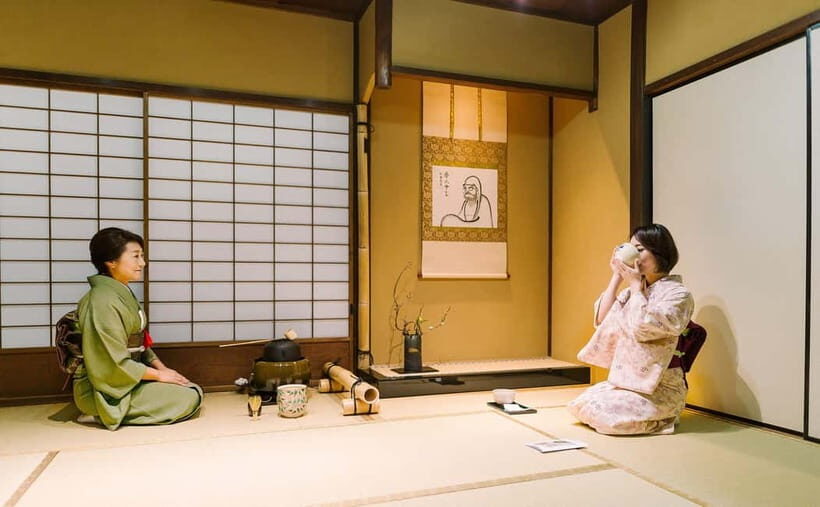
If you select the kimono rental plan, the day begins at the Gojo Shop—Kyoto Kimono Rental Yumeyakata—at your voucher’s stated time. You’ll pick from a range of colors, designs, and sizes, and you’ll get assistance to get dressed appropriately.
Here’s the part that trips people up: the tea ceremony doesn’t start immediately after kimono selection. It begins two hours after your selected starting time. For example, if your kimono start time is 11:00 AM, the ceremony begins at 1:00 PM. So you’re basically scheduling a “dress first, ceremony later” rhythm.
For the kimono add-on, ladies can also add hair styling and makeup, and upgrade from casual kimono to a more formal Houmongi style. If that option is available in your booking, I’d take it if you want the full ceremonial look. It also helps the kimono feel like part of the experience, not something you wore just for the photos.
The Tea Ceremony Itself: History, Etiquette, and the Flow of the Room
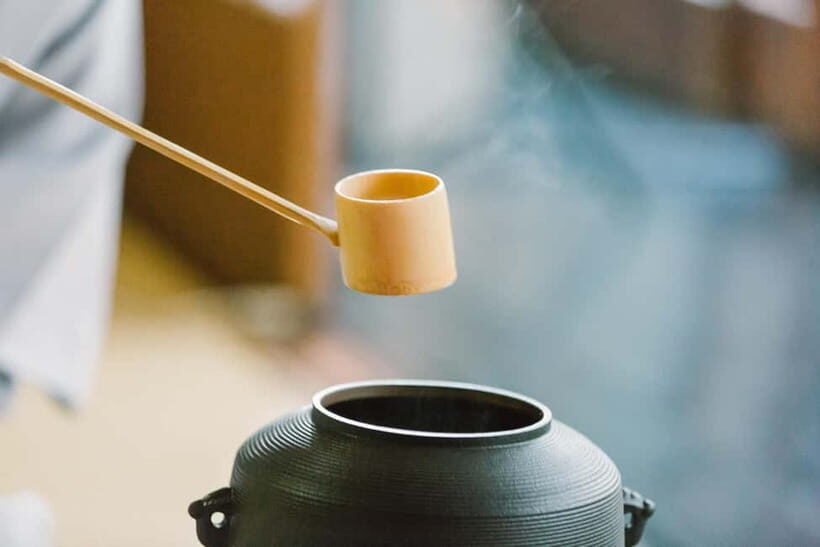
When you arrive for the tea portion, you’ll start with an explanation of the tea ceremony’s path into Japan and how the practice took its current form. The program frames it from its introduction from China roughly 1,200 years ago to the way of tea people recognize today.
Then you move into the practical stuff—how to greet, how to bow, how to handle the sweets, and how to observe the tea bowl. This is one of my favorite ways to learn the ceremony because it keeps the ritual from feeling random. Instead, you understand why each gesture exists and what to pay attention to.
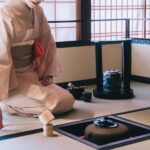
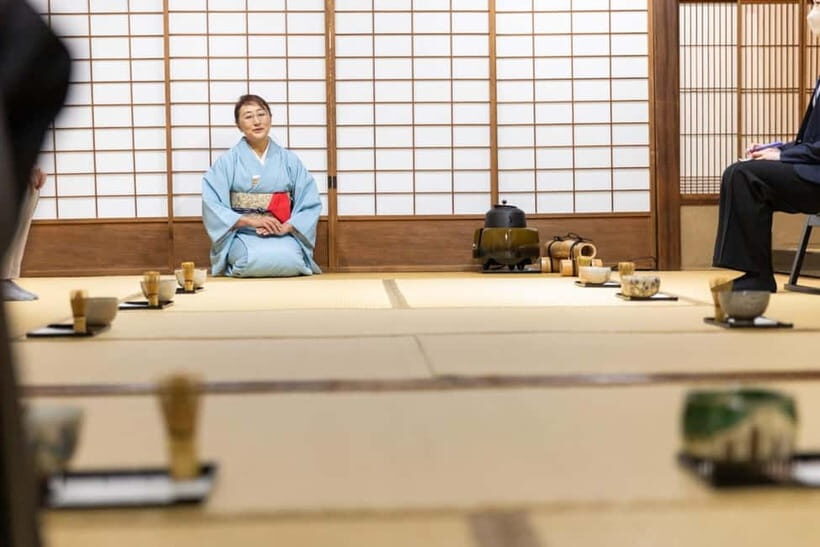
You’ll also see the ceremony paced like a conversation. The tea master brings all the items into the room and prepares the first tea for a guest. You get a front-row view of how the tools and motions connect, which is crucial because matcha isn’t just about taste—it’s about technique and timing.
And yes, your body gets a vote here. You can sit on the floor if you’re comfortable, or sit on a small chair if that’s easier. Either way, the session expects a quiet atmosphere, so plan to keep your phone away unless you’re allowed to take photos later (flash is not allowed indoors).
You’ll Make Matcha: The Hands-On Part That Makes It Stick
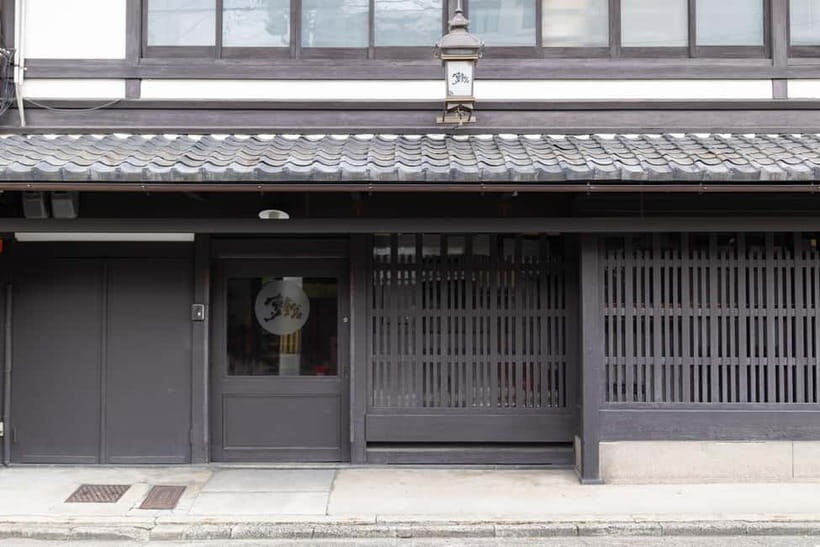
The most satisfying part is not watching someone else do it. After the first tea is served, you prepare your own tea under the tea master’s supervision.
That supervised step is the difference between a “look at this” show and real learning. You get corrections and guidance while you whisk, and you learn how to manage the tea-making motions without turning the moment into a clumsy science experiment. The tea master closes the ceremony after everyone completes their tea actions, and then you can ask questions before you leave.
I also like that the session teaches you how to observe the bowl. It’s a small detail, but it changes how you drink. You’re not just consuming matcha; you’re participating in a ritual with attention.
If you’re wondering who leads your session, the program includes an interpreter and tea master support, and names like Lim, Ling, and Maki have been associated with hosting roles in past experiences. Even if your master is someone else, the structure is the same: the interpreter helps you follow the etiquette and the meaning.
Traditional Sweets and Matcha You Actually Eat and Drink
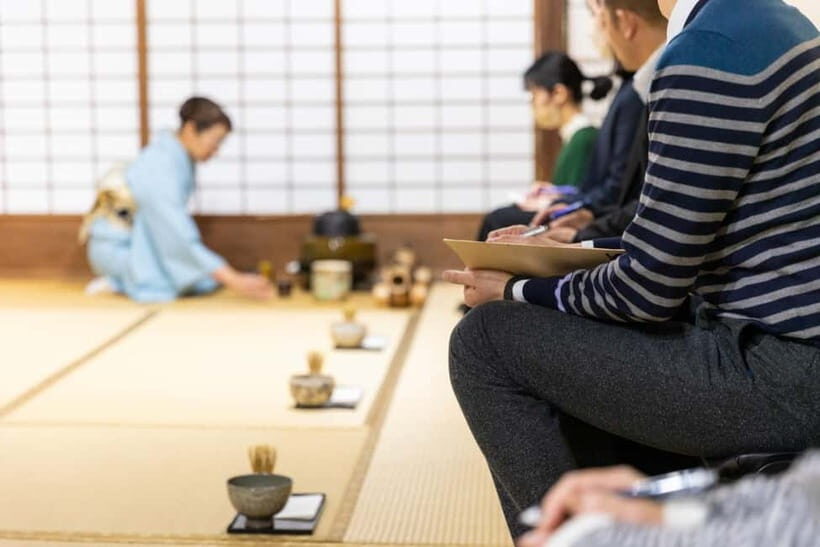
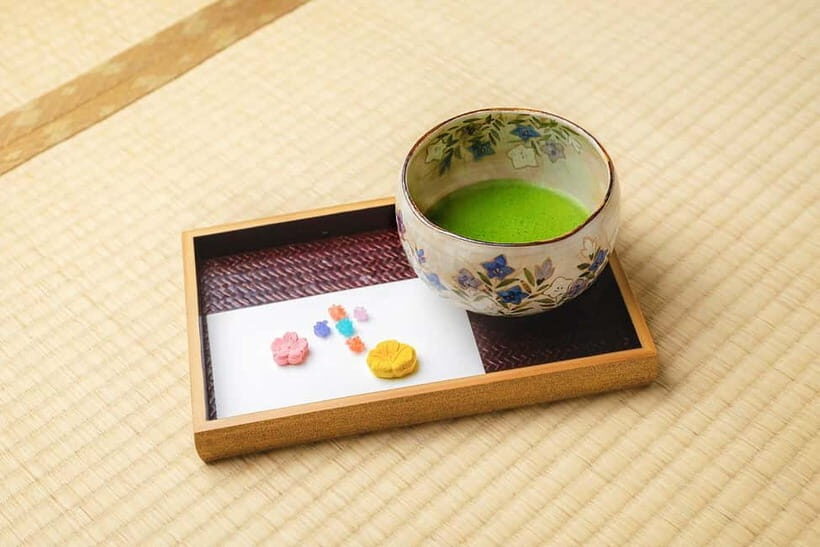
This isn’t a ceremony where you sip something symbolic and then leave hungry. You’re served matcha tea along with traditional Japanese sweets. The sweets are part of the intended order of the ritual—eat, then drink, with the ceremony pacing guiding your senses.
In practical terms, this helps you avoid the common “culture activity hangover” where the schedule is pretty but your stomach is grumbling. The tea ceremony itself is designed to last long enough for the full flow—introduction, demonstrations, your preparation time, and the wrap-up.
Also, since you’re in a tea house environment, taste becomes part of the education. When you understand how to hold the bowl and when to take a drink, matcha tastes less like a blur and more like a focused experience.



After Tea: Wear Your Kimono Around Kyoto (Then Return It by 5:30)
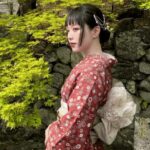
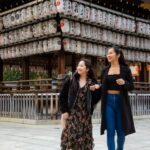
If you choose the kimono plan, you don’t just get changed and head back out. After the tea ceremony, you can stroll around Kyoto wearing your kimono.
There’s a clear end time: you must return the kimono to the Yumeyakata Gojo Shop by 5:30 PM the same day. I recommend planning your walking route with that deadline in mind—kimono footwear and socks aren’t the same as your usual comfy shoes routine.
And one note that matters: kimono can feel warm and layered. If you’re visiting in warmer months, expect some extra heat. Many people still love the effect, but it’s smart to go slower and take breaks instead of trying to “power-walk” Kyoto like you’re on vacation time trial mode.
Optional Kyo-Machiya Tour Add-On: Architecture + Culture in the Same Place
If you select the add-on, you get a bonus education right after the ceremony. You’ll join a Kyo-Machiya (Kyoto Townhouse) Tour held in the same machiya location.
The timing here is nice: you’re not switching venues or stretching your day thin. The tour includes about 20 minutes of walking and then roughly 10 minutes of selfie time, plus a total 30-minute Machiya moment. If you like architecture and “how houses work” details, this add-on gives your tea knowledge a physical setting to match.
This townhouse area is also described as historically significant. The tea house is near Kyoto Gosho (Kyoto Imperial Palace), and the former residence of Nijō Yoshimoto (1,320–1,388) is next door. He was a high-ranking court noble and a founding influence in Renga (linked verse poetry), which adds a literary-art angle to the visit.
In other words, you’re not only learning etiquette for tea. You’re also seeing how court culture and refined gatherings were part of the same world.
Socks, Shoes, and Silence Rules That Matter in a Shared Room
This session has rules for a reason. Tea ceremony spaces run on quiet, careful movement, and respect for shared attention. The program asks for socks and forbids sandals or flip-flops. Indoors, flash photography isn’t allowed either.
You also shouldn’t bring pets, and food and drinks aren’t allowed in the ceremony room. There’s no smoking indoors and the staff asks guests to keep noise down.
It’s also a group session that can accommodate up to 20 people. That means the room setup can change based on the number of participants. The takeaway is simple: show up calmly, listen for where you should sit, and don’t expect to roam.
If you arrive late, you can still join, but the session time can’t be extended. So if you’re planning a busy Kyoto day, give yourself a cushion around the meeting time.
Price and Value: Is $31 Worth It?
The published price is $31 per person for the experience, and the tea ceremony includes matcha, traditional sweets, a leaflet, and a tea master with an interpreter. That’s the core value: you’re paying for guided learning plus the actual tea-making time, not just a brief tasting.
Where it gets better is that the venue isn’t generic. A ceremony in a 100-year-old machiya gives you atmosphere built into the price. And because you make your own tea under supervision, you leave with a skill you can try again at home—plus the etiquette context that makes it meaningful.
If you add the kimono option, you’re also paying for the outfit rental and support. That adds comfort trade-offs (kimono can be warm and a bit cumbersome) but it often makes the day feel more complete—especially if you’re photographing your Kyoto moments responsibly.
My practical advice: if you’re choosing only one “cultural hands-on” activity in Kyoto, this is the kind that justifies the time. If you’re already exhausted by outfit rentals, you can still do the ceremony without kimono as a cleaner, simpler schedule.
Who This Kyoto Tea Ceremony Suits Best
This works best for people who enjoy structured cultural activities and want guidance. It’s suitable for guests aged 10 and above, and it expects you to follow instructions calmly.
It’s also great for couples, solo travelers, and small groups who want a shared moment without needing to chat constantly. If you like learning why people do things—not just what they do—this fits well.
On the other hand, it’s not suitable for several categories listed by the program: people under 10, pregnant women, wheelchair users, people over 6 ft 6 in (200 cm), visually impaired people, babies under 1 year, and people over 209 lbs (95 kg).
If any of those apply to you, double-check whether this is the right match for your body and mobility needs before booking.
Should You Book This Kyoto Tea Ceremony?
Yes—if you want a Kyoto activity that teaches you something real, not just something pretty. The strongest reason to book is simple: you learn the etiquette, you watch the ritual, and then you make matcha yourself in the same traditional setting.
I’d especially book the kimono plan if you’re already planning to walk Kyoto afterward and you want the outfit to be part of the day’s flow. The kimono isn’t just for the ceremony; you get time to wear it around Kyoto and finish the look with the proper return deadline by 5:30 PM.
If you prefer minimal fuss, consider booking the tea ceremony only. It’s still a hands-on, guided experience in a traditional townhouse, and it saves you the kimono layers and the two-hour scheduling gap.
FAQ
How long does the tea ceremony experience take?
The overall experience duration is listed as 50 minutes to 3 hours, depending on the option you choose and the day’s timing.
Where do I meet the staff for the kimono rental option?
Go to the Gojo Shop at the starting time stated on your voucher to pick your kimono.
Where do I meet if I book only the tea ceremony?
If you book the tea ceremony only, go to Oike Bettei 5–10 minutes before the voucher’s stated starting time.
When does the tea ceremony start if I choose kimono rental?
The tea ceremony begins about two hours after your selected starting time. For example, 11:00 AM kimono pickup leads to a 1:00 PM tea ceremony start.
Can I sit on the floor during the ceremony?
You can sit on the floor, but the program also notes you can use small chairs if you prefer not to sit on the floor.
What should I bring?
You should bring socks.
Are sandals or flip-flops allowed?
No. Sandals or flip-flops are not allowed during this experience.
What photos are allowed during the ceremony?
Flash photography is not allowed indoors.