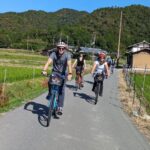
Kyoto hides in its side streets. This morning e-bike tour is a practical way to see Kyoto’s geisha districts and Imperial Palace area without wrestling maps for hours. I like the stress-free equipment rental setup and the easy, steady pace that works well for a private group.
One thing to consider: you still ride in rain, so if you hate wet streets at all, plan for ponchos or be ready to switch to a bus/metro walking version.
In This Review
- Key Things That Make This Morning E-Bike Tour Worth It
- Why Hidden Alleys Look Better on an E-Bike
- Miyagawacho Kaburenjo: Calm Wooden Streets and Geisha-District Texture
- Gion After Morning Light: Maiko and Geiko District Energy
- Tatsumi Bridge Walk: Willows, Stream Path, and a Breather
- Kyoto Imperial Palace: Cycling Along Gravel Paths in a Former Residence
- Kashiwayacho and the Kamo River Break: A Rest That Actually Feels Like Kyoto
- Price and Value: What You’re Paying For at $103.04
- What It Feels Like to Ride: Battery Help, Traffic Anxiety, and Pace
- Rain, Ponchos, and the Backup Plan You’ll Care About
- Who This Tour Fits Best (and Who Should Skip)
- Should You Book This Hidden Alleyway E-Bike Tour?
- FAQ
- What’s the duration and start time of the morning tour?
- Is this a private tour?
- How many people are allowed per guide?
- What’s included in the tour price?
- What happens if it rains?
- Are there age or height requirements?
Key Things That Make This Morning E-Bike Tour Worth It
- Private-group pacing: your guide sets the tempo, so you’re not sprinting to catch up.
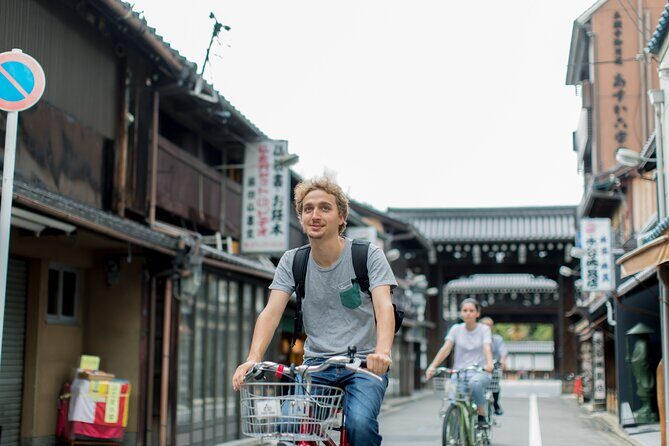
- E-bike rentals included: you’re not hunting for a bike or figuring out how to ride in Japan traffic.
- Old Kyoto atmosphere fast: the route hits Miyagawacho and Gion for that traditional alley feel in a short time.
- Imperial Palace by bicycle: you travel through the former residence area along gravel paths, not just outside viewpoints.
- Kamo River rest time included: you get an actual break, not only check-the-box sightseeing.
- Guides with strong Q&A energy: I’ve seen examples of guides like Rich-San, Yuichi, and Annie who will answer questions and adjust on the fly.
Why Hidden Alleys Look Better on an E-Bike
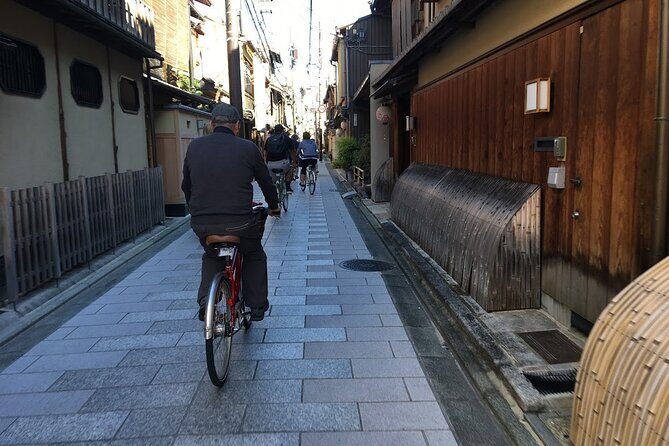
Kyoto can be pretty, but walking everywhere gets tiring fast—especially if you’re bouncing between neighborhoods. The best trick here is the e-bike itself. You cover ground without draining your legs, and you can spend your attention on what you’re actually seeing: wooden townhouses, shrine-and-street corners, and the long, quiet feeling of back lanes.
This is also a smart “first or second day” style plan. In about three hours, you get a cross-section of Kyoto: geisha districts, a historic palace area, and a river pause. You’re not just taking photos; you’re learning how the neighborhoods feel and how they connect.
And since it’s a private tour for your group, you don’t have to bargain with the pace of strangers. Your guide can slow down when you want to look closer, and speed up when you’re ready to move.
A few more Kyoto tours and experiences worth a look

Miyagawacho Kaburenjo: Calm Wooden Streets and Geisha-District Texture
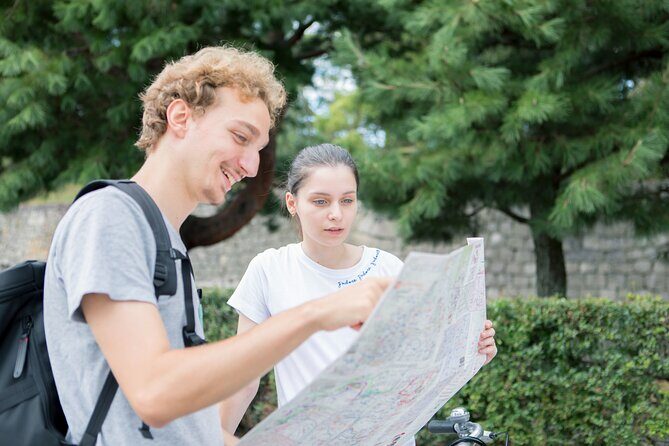
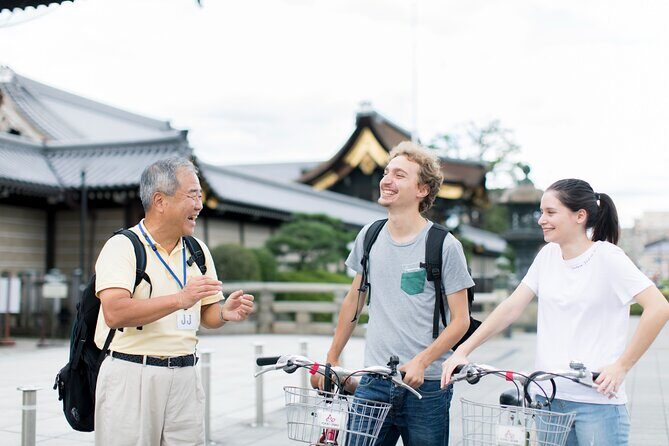
Your first stop is Miyagawacho Kaburenjo, a geisha district that’s described as the second biggest among Kyoto’s five geisha areas. This is where the tour earns its hidden-alley name.
You’ll stroll for about 15 minutes in an alley lined with traditional wooden houses on both sides. The key value here isn’t a specific landmark. It’s the atmosphere: the narrowness, the quiet, and that sense of old Kyoto that’s hard to recreate from a main street.
A drawback to keep in mind: geisha districts can be visually subtle. If you expect big stage-like scenes at every turn, you might feel slightly underwhelmed. The payoff comes from noticing the details—street layout, house style, and the calm rhythm of the neighborhood.
Tip for making the most of this stop: wear shoes you don’t mind getting a little dusty, since you’ll later be moving along gravel paths too. Also, it’s worth keeping your voice a touch softer. The streets feel lived-in.
Gion After Morning Light: Maiko and Geiko District Energy
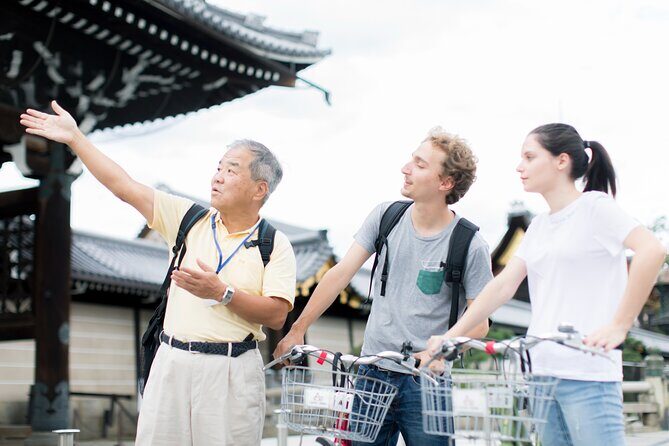
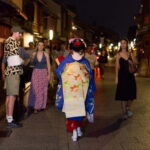
Next up is Gion, one of Kyoto’s most famous geisha districts. The tour keeps this stop short (around 15 minutes), but it’s paced so you can get the overall vibe without turning it into a rushed checklist.
This is the area where you’ll hear and see the terms maiko girls and geiko women connected to the district’s tradition. The description you’re given is clear: Gion developed as a major geisha area, and an elegant, refined old-time atmosphere still remains.
What I like about adding Gion here—rather than treating it as a standalone day—is contrast. Miyagawacho gives you the quieter wooden-alley mood. Gion adds a bit more visual polish and famous-district energy, but you’re still moving through it at a human pace rather than getting swept around by a crowd.
Practical consideration: in this kind of neighborhood, timing matters. You’re doing a morning start (9:00 am), which often feels calmer than the peak afternoon crush. Still, it’s a famous area, so expect foot traffic on main streets.
Tatsumi Bridge Walk: Willows, Stream Path, and a Breather
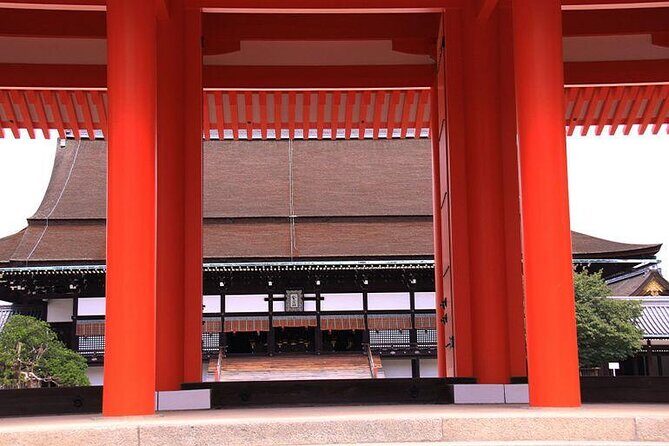
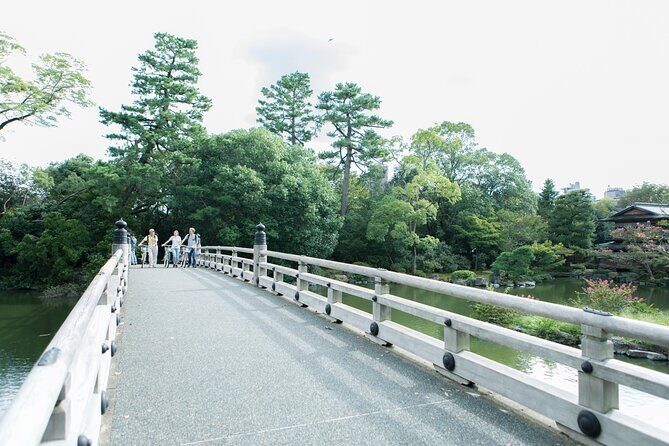
After the geisha-district stops, the route shifts into nature-adjacent Kyoto with Tatsumi Bridge. You spend about 15 minutes on a path that runs along a stream, with willows swinging in the breeze.
This is a small stop, but it’s an important one. It resets your head after streets full of people and architecture. You also get a different kind of Kyoto detail: water, greenery, and a slower, gentler rhythm.
One thing to note: the tour description calls the stream path a limped stream (so think “narrow, meandering waterway” rather than something dramatic). That’s fine. This stop works because it’s a mood change, not because it’s a big sightseeing draw.
If you’re sensitive to spring and early-summer insects, you might want light protection just in case you’re close to greenery and water. Nothing extreme is mentioned, but the setting is the setting.
Kyoto Imperial Palace: Cycling Along Gravel Paths in a Former Residence
Then comes the big historic anchor: Kyoto Imperial Palace. You’ll ride and spend about 20 minutes here.
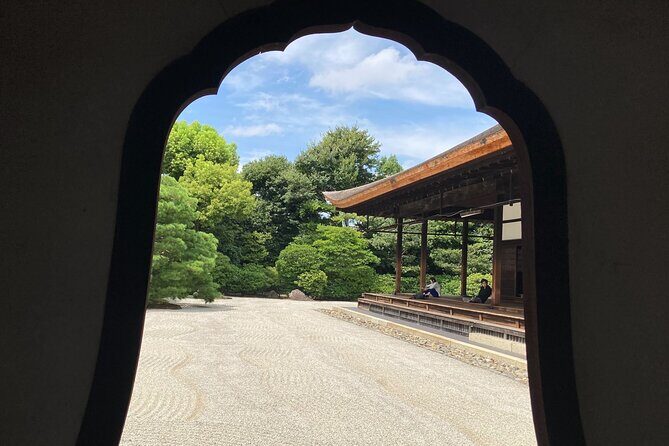
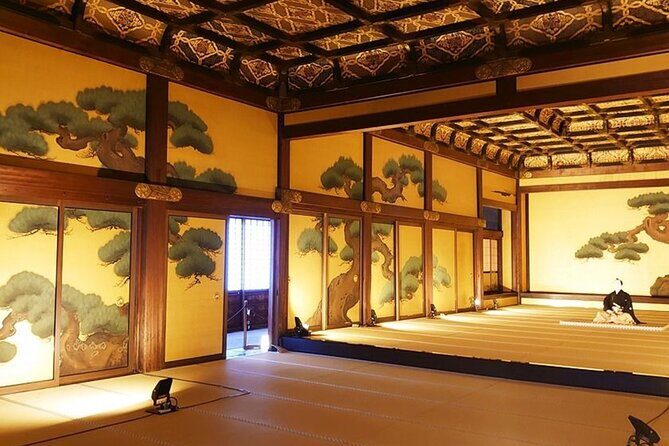
The key context is simple and useful. The Kyoto Imperial Palace used to be the residence of Japan’s Imperial Family, and now it’s open to the public as a national garden with seasonal flowers. Instead of just standing outside, you cycle along gravel paths inside the garden area.
I love this format because it turns a museum-like site into a lived-in landscape. The action—riding slowly on gravel paths—helps you notice how the grounds are laid out and how the garden space is meant to be experienced.
Possible drawback: gravel paths can be a little firm under you. If you’re not used to bikes, it can feel bumpy. The tour is designed for most travelers, but comfort matters. One review advice you should take seriously: wear padded pants if you’re not used to riding a bike. That’s the difference between enjoying the day and thinking about your backside for the next hour.
Also, since this stop is a garden, keep an eye on weather conditions and footing. If it’s wet, gravel can get slick.


Kashiwayacho and the Kamo River Break: A Rest That Actually Feels Like Kyoto
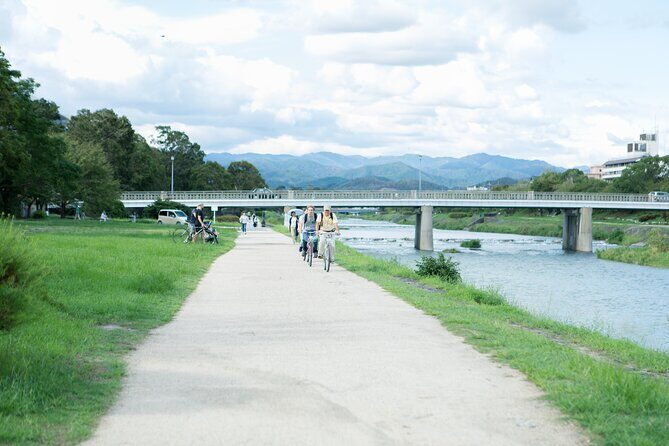
Your final sightseeing moment is Kashiwayacho, where you take a break by the Kamo River. This part is about 20 minutes, and admission is included for the tour’s stop structure.
This is where the tour wins over the typical “constant walking” sightseeing day. You get a chance to sit, reset, and watch the river life without feeling like you’re wasting time. The Kamo River is described as local residents’ beloved spot, so it’s not only a scenic stop—it’s a real-life Kyoto pause.
I also like the timing: you’ve already done geisha districts and a major palace garden. By the time you reach the river, you’re ready for a slower pace and a mental breather.
A simple consideration: if you’re visiting in warmer months, river-adjacent areas can be breezy but still sunny. Bring something for sun and keep water handy.
Price and Value: What You’re Paying For at $103.04
At $103.04 per person for roughly three hours, this tour isn’t the cheapest option in Kyoto. But it’s also not a “luxury only” price when you look at what’s included.
You’re paying for:
- Private group comfort (your guide isn’t juggling other schedules)
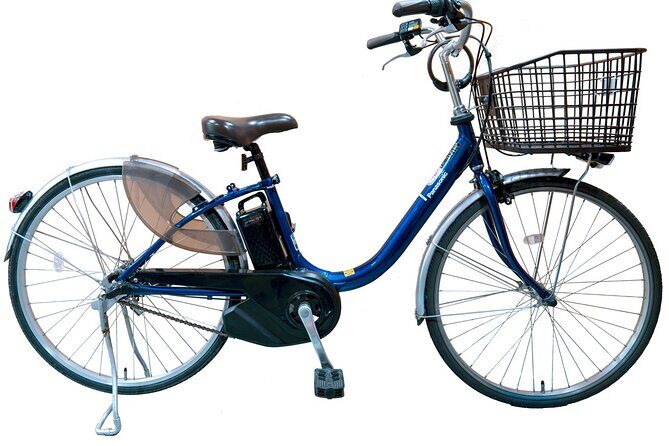
- E-bike rental and equipment support
- A pre-planned route that avoids map mistakes and wasted time
- Guided stops at places that would take more effort to stitch together correctly on your own
If you’re in Kyoto for just a short stay, value often comes from reducing friction. This tour reduces friction: you show up at the meeting point, get your bike setup, and go. And because the route targets specific areas—Miyagawacho, Gion, the Imperial Palace grounds, and the Kamo River—you get a “big slice of Kyoto” without walking miles in one afternoon.
The best kind of buyer here is someone who wants quality direction and comfort. If you love slow wandering with zero structure, you might feel boxed in. If you want an efficient morning that still feels authentic, this is a strong fit.
What It Feels Like to Ride: Battery Help, Traffic Anxiety, and Pace
The tour is designed as a stress-free e-bike experience with rentals included. Most travelers can participate, but comfort depends on your willingness to ride safely and follow instructions.
A few practical points:
- Children must be at least 10 years old and at least 145 cm tall, and they must be able to ride unassisted.
- The tour is set up for small groups: min 2 and max 6 guests per guide. If your group is larger (7–12), an extra guide can be arranged.
- The ride includes short stop times, so you’re not stuck on the bike for long stretches without breaks.
And yes, weather affects comfort. One review story flagged that on a rainy day, bike riding became less fun, and the guide’s English level limited deeper conversation. That doesn’t mean the tour is bad—just that conditions shape your experience. If you want lots of back-and-forth discussion, you’ll enjoy the plan more on nicer days.
If you’re new to riding, take the padded-pants advice seriously. It’s a small cost that can make a big difference in how you feel at the end of the tour.
Rain, Ponchos, and the Backup Plan You’ll Care About
The tour operates in rain. You’re offered options if the weather goes sideways:
- Continue as usual on bikes with a rain poncho at no extra charge, or
- Switch to a walking tour using public transportation (bus or metro), included in the tour fee.
That matters because Kyoto weather can change quickly, especially in shoulder seasons. If you hate wet bike seats and slick gravel, you’ll probably prefer the public-transport walking shift. If you don’t mind rain and want to keep the original route flow, the poncho-on-bike option keeps the plan intact.
I’d treat this as a “flexible morning” experience rather than a “guaranteed sunny photo shoot.” You’re there for the neighborhoods and the guided flow; rain is part of the deal.
Who This Tour Fits Best (and Who Should Skip)
This tour is a great match if:
- You want to see geisha districts plus Imperial Palace area in one morning
- You don’t want to spend half your day figuring out routes
- You like the idea of a private guide setting the pace
- You want an easier ride than walking everywhere, especially in hot weather
You might skip it if:
- You prefer long, unstructured wandering with no set route
- You strongly dislike riding bikes in any weather and won’t enjoy the rain options
- Your group includes people who can’t comfortably ride a bicycle safely
Also, it’s worth noting how popular this style of tour is: it’s typically booked about 47 days in advance on average. If your dates are fixed, don’t wait until the last minute.
Should You Book This Hidden Alleyway E-Bike Tour?
If you’re trying to get your bearings fast in Kyoto, I’d book this. It’s the kind of morning plan that gives you both atmosphere (wooden alleys in Miyagawacho, refined Gion energy, willow-and-stream calm at Tatsumi Bridge) and big-history context (Imperial Palace grounds). Then it finishes with a real Kyoto break by the Kamo River instead of ending right after the last photo.
Book it if you’ll appreciate guidance and pacing, and if you’re comfortable riding an e-bike for short rides between stops. Consider a different plan only if rain would ruin your day or if your group struggles with riding comfort.
In short: it’s efficient, guided, and designed to keep you from burning energy on navigation and logistics.
FAQ
What’s the duration and start time of the morning tour?
The tour lasts about 3 hours and starts at 9:00 am.
Is this a private tour?
Yes. It’s private, meaning only your group participates.
How many people are allowed per guide?
The tour accepts a minimum of 2 and a maximum of 6 guests per guide. If you have 7–12 people, an extra guide can be arranged.
What’s included in the tour price?
The price includes the e-bike experience with equipment rental. A Kamo River stop includes admission as part of the itinerary. Mobile tickets are used.
What happens if it rains?
The tour operates in rain. You can continue on bikes with rain ponchos, or switch to a walking tour using public transportation (bus or metro), which is included in the tour fee.
Are there age or height requirements?
Yes. Children must be at least 10 years old, at least 145 cm tall, and able to ride a bicycle safely on the road unassisted.