Kyoto at night feels like another world. This 3-hour Gion evening food tour pairs a calm walking route through the lantern-lit streets with real context on the maiko and geiko scene, then finishes with a 10-course kaiseki meal. I like that you get both the cultural story and the food, not just one or the other. I also like that the guides I’ve seen mentioned in bookings—Miki, Sae, Marie, Mickey, Rosalia, and Russ—tend to be friendly, energetic, and good at explaining what you’re seeing at street level.
One thing to consider: it’s not a “many restaurants, tons of samples” tour. You’ll do some snack stops along the way, but a big chunk of the experience is the kaiseki dinner at the end, so plan your evening around that sit-down meal.
If you want Kyoto’s evening look plus a structured way to eat well, this tour is built for you.
In This Review
- Key things I’d circle on this tour
- Walking Gion After Dark: The 3-Hour Rhythm That Works
- Meeting Point in Gion: Finding Japan Kanji Museum & Library Fast
- Maiko and Geiko Culture on the Ground, Not in a Lecture
- Snack Stops: How the Small Bites Fit With Kaiseki
- Enter the 10-Course Kaiseki Dinner: What You’re Actually Paying For
- Kyoto Architecture Views: Lanterns, Alleys, and a Better Evening Pace
- Price and Value: Is $216 Worth It for a 3-Hour Evening?
- Small Group, English Guide, and Food Needs: What to Plan
- Who Should Book This Gion Evening Food Tour?
- Should You Book It? My Straight Answer
- FAQ
- How long is the Kyoto Evening Gion Food Tour?
- Where is the meeting point?
- Do you wait if I’m running late?
- Is hotel pickup included?
- What’s included in the price?
- Are transportation costs included?
- Does the tour include snack stops?
- What about allergies or dietary restrictions?
- Is passport information required?
- Is there a small-group limit?
- FAQ
- What’s the cancellation policy?
- Can I reserve and pay later?
- How many people are required per booking?
- What should I wear?
- What language is the tour guide?
- Is this tour wheelchair accessible?
Key things I’d circle on this tour
- Small group (up to 10 people) keeps the walk from feeling rushed.
- Maiko/geiko culture lessons happen while you’re actually in Gion and Shirakawa.
- Snack stops plus a 10-course kaiseki means you taste along the way and then go deeper at dinner.
- English-speaking guide with a track record of patience (including with kids and food restrictions in past groups).
- Lantern-lit architecture on foot is a major part of the appeal, not just a backdrop.
Walking Gion After Dark: The 3-Hour Rhythm That Works
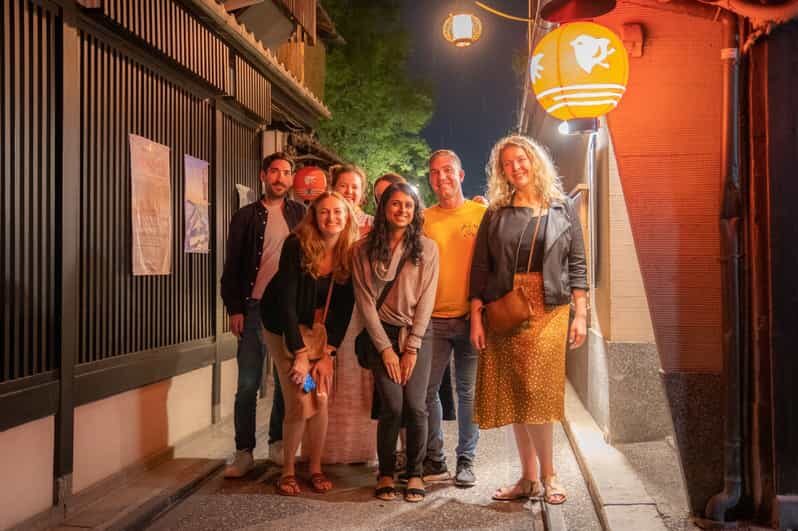
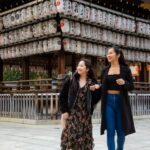
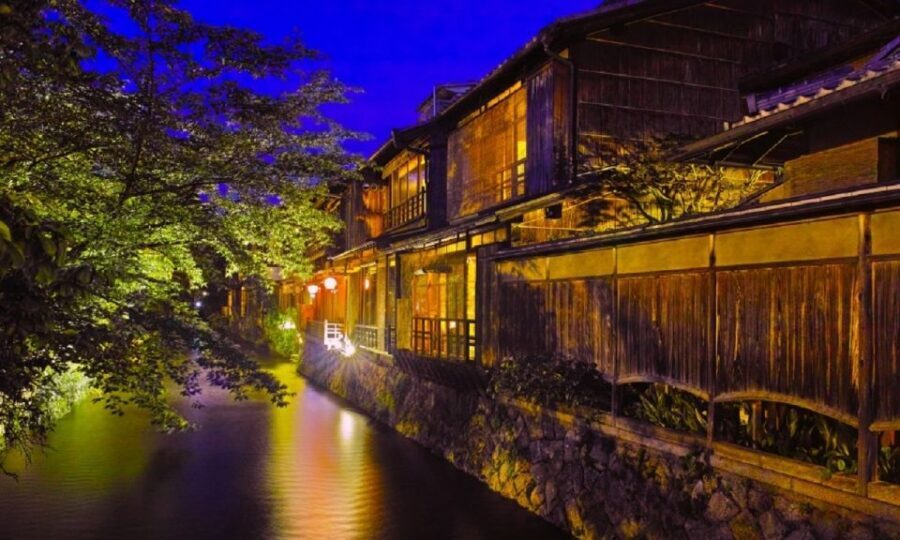
This tour is designed for that sweet spot when Kyoto shifts from daytime hustle to evening quiet. You start on foot, timed for twilight, when the streets in Gion and Shirakawa feel especially cinematic: lanterns up, storefronts closed up, and the alley geometry suddenly matters. Expect a steady pace with a few stops built in so you’re not just marching between points.
The flow is simple:
1) Walk and learn about the local culture as you go
2) Make several snack stops so you taste multiple Kyoto-style bites
3) Finish with a multi-course kaiseki dinner (10 courses), dessert, and one included drink
That structure is the value. Many food tours skim the “food” part and forget the “why.” Here, the walking and storytelling give you context so the meal lands harder.
A few more Kyoto tours and experiences worth a look

Meeting Point in Gion: Finding Japan Kanji Museum & Library Fast
You meet in front of the Japan Kanji Museum & Library, at Gionmachi Minamigawa, Higashiyama Ward. Your guide will be holding a sign, and they will wait no more than 5 minutes past the start time.
Practical tip: build in time to get there before your listed start. Gion streets are charming, but they can also be a bit maze-like when you’re searching for the exact storefront. If you’re even slightly late, you don’t want to lose the start of the walk.
Also note what’s not included: hotel pickup isn’t part of the tour (it can be arranged for an additional charge, but it’s not automatic). You’ll handle getting yourself to the meeting point.
Maiko and Geiko Culture on the Ground, Not in a Lecture
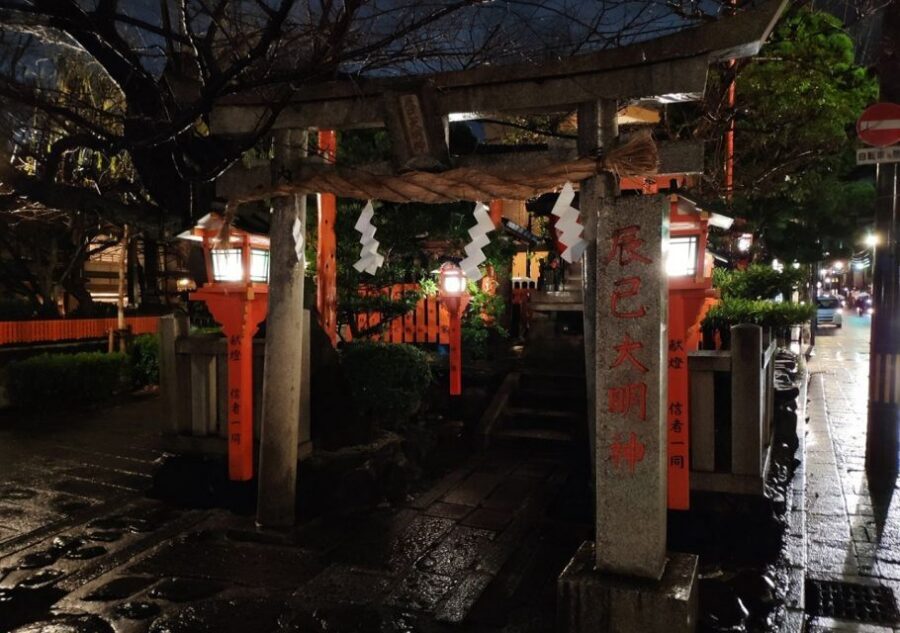
A big reason this tour gets such strong marks is that it treats the maiko and geiko world like something you can understand by watching it in context. As you walk through the district, you’ll learn about the traditions and current practices behind the culture—plus the kinds of roles and routines that help explain what you see around you.
The tone from past groups (based on how people describe their guides) tends to be story-based and practical: how things work, what the signs and settings mean, and what to look for without turning it into a sightseeing checklist.
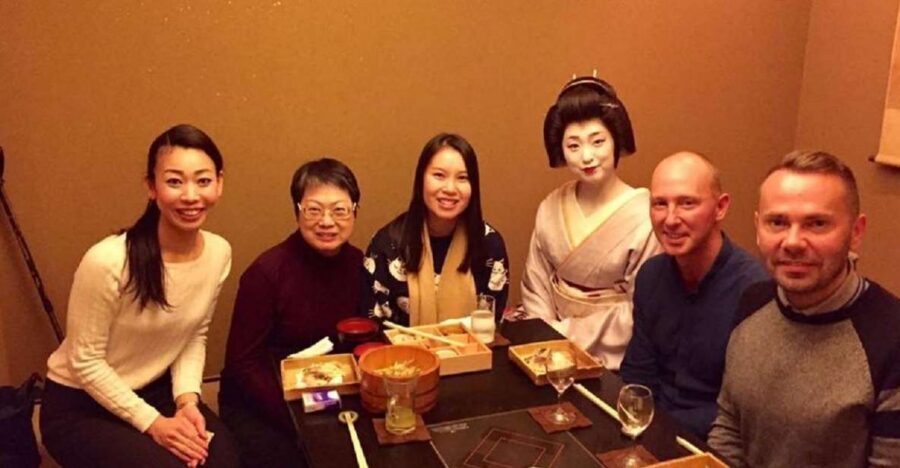
You may also get that “Kyoto moment” that makes the whole night feel real. One booking specifically mentions being lucky enough to see a geisha and a maiko during the outing. It’s not something you can guarantee, but it’s a reminder that being there on foot in the right neighborhoods at the right hour gives you chances that a bus tour simply won’t.
Snack Stops: How the Small Bites Fit With Kaiseki
The tour includes several snack stops to sample Kyoto’s traditional flavors. This is a good approach because it trains your palate before the dinner arrives. Instead of showing up hungry and trying to taste everything at once, you’ll get little hits—then you’ll “snap into focus” when the kaiseki begins.
What you’re tasting is seasonal and regional as part of the kaiseki theme, and past guests highlight foods like miso and yuba showing up in the dinner course lineup. Another guest notes a mix of flavors that can include grilled fish, with the overall emphasis on careful seasoning and texture.
One balanced caution from a lower-rated experience: the snack portion can feel lighter than people expecting from the words food tour. In that case, the dinner ended up being the main event, with only limited sampling along the route. If you prefer lots of different restaurants and many standalone dishes, you might find this more of a Gion evening + kaiseki dinner than a full-on “crawl.”
Enter the 10-Course Kaiseki Dinner: What You’re Actually Paying For
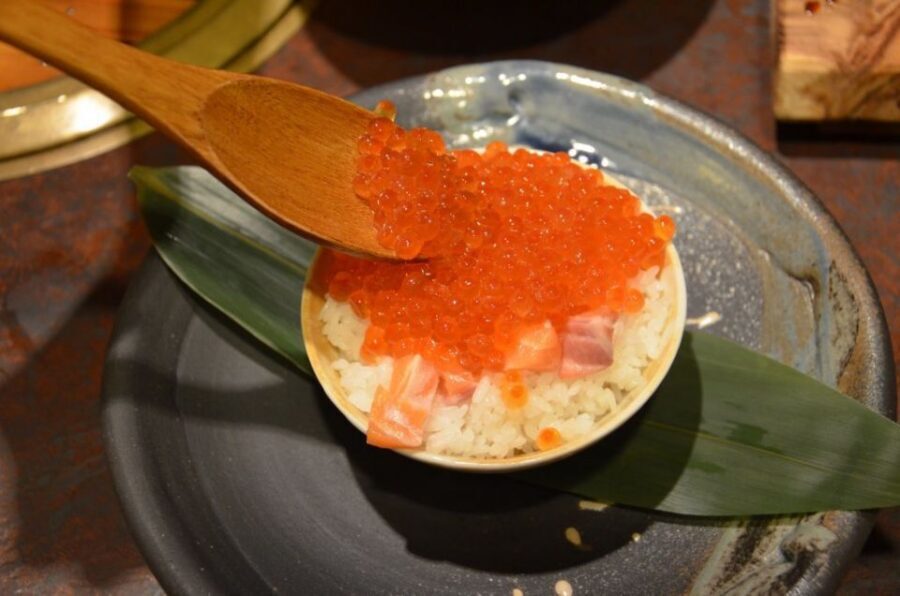
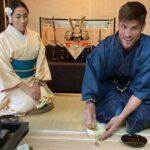
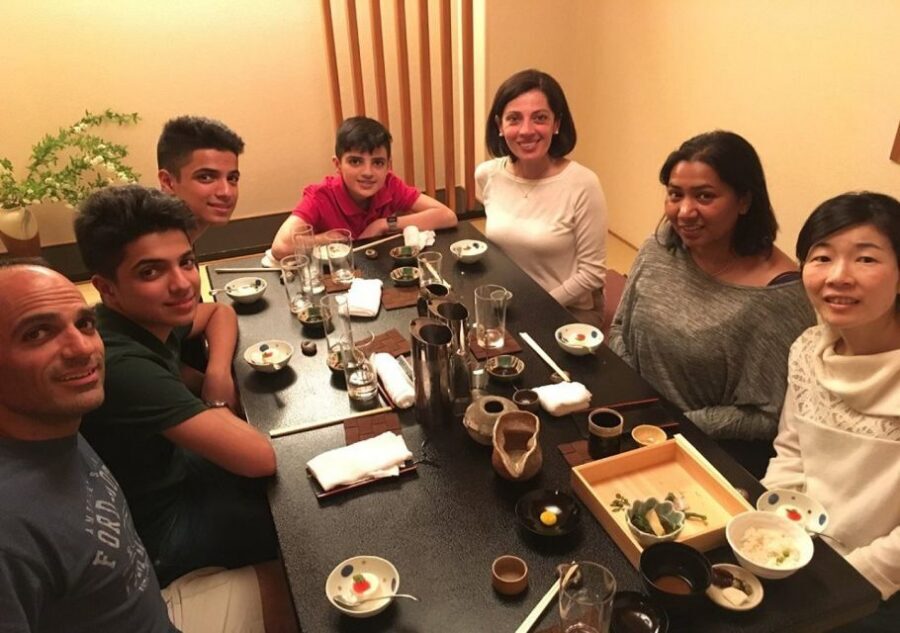
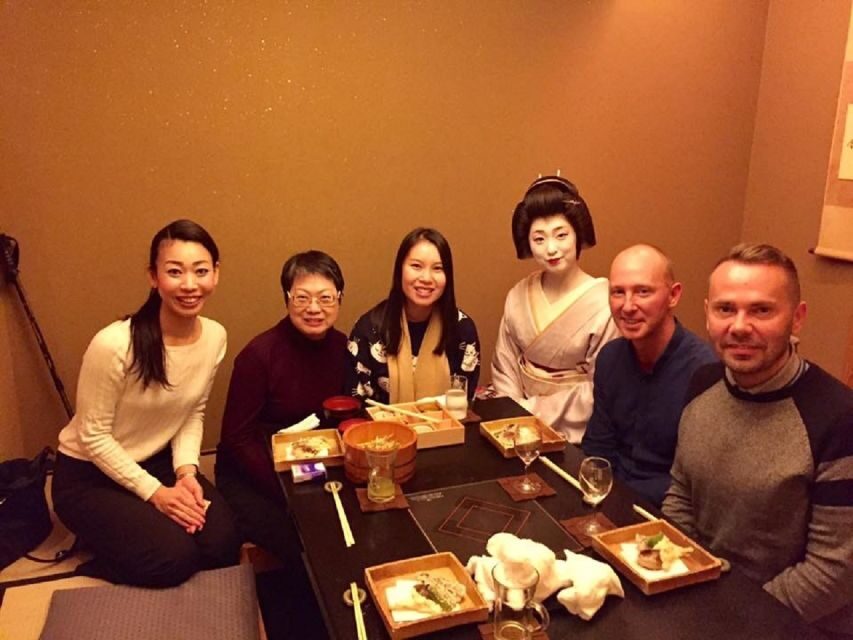
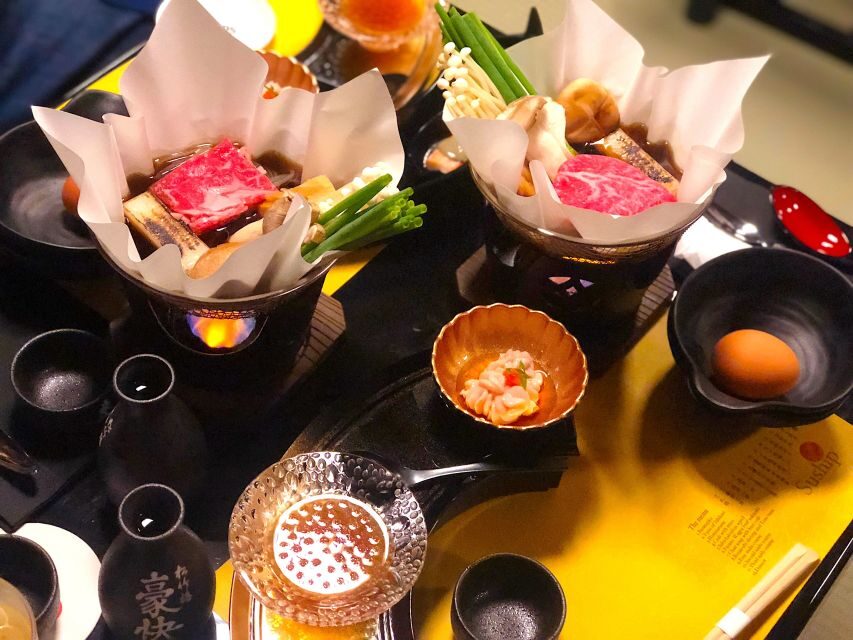
The included centerpiece is a 10-course kaiseki dinner, plus dessert and one drink. Kaiseki is not “just dinner.” It’s a structured meal where seasonal ingredients, presentation, and timing all matter. The goal is balance: flavors, temperatures, and textures that keep changing course by course.
Here’s what to expect based on what the tour describes and what guests mention:
- Seasonal, regional choices rather than a generic menu
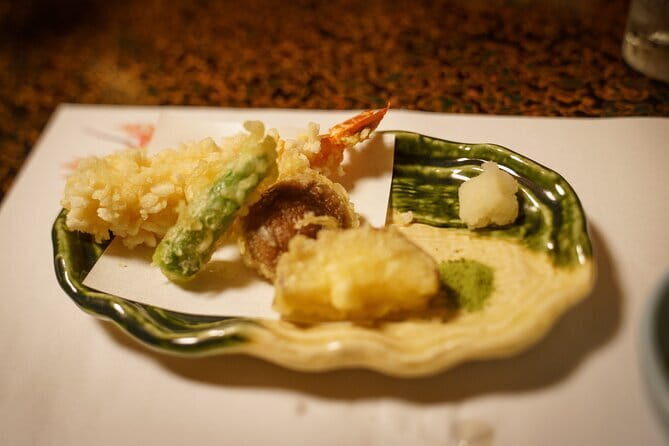
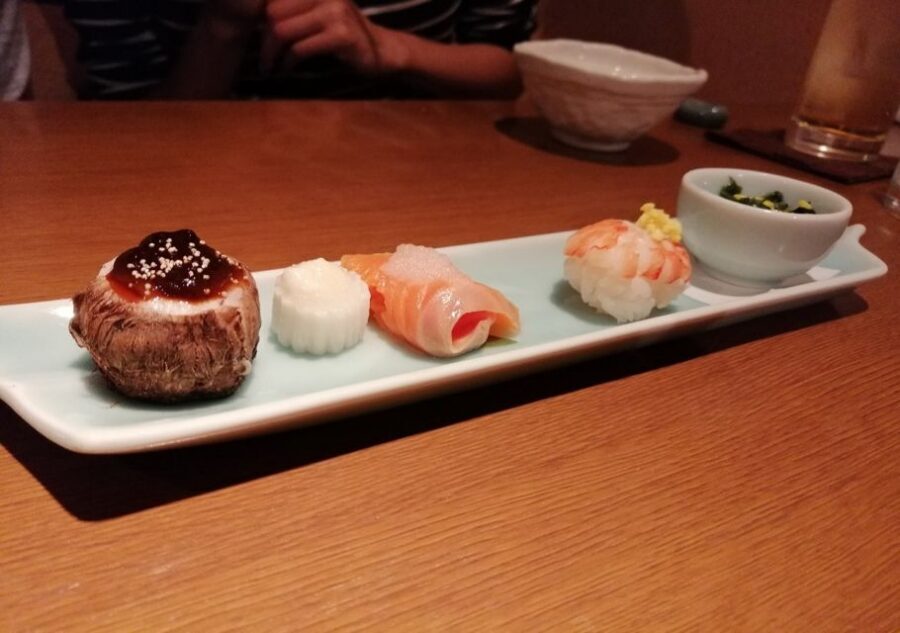
- Courses arranged and served with attention to detail (one guest specifically describes it as feast-for-the-eyes, arranged on small Japanese ceramics)
- Flavor highlights that often include umami-rich miso, gentle sweetness (like yuba), and a course or two that may include grilled fish
How to make the most of it:
- Go with the flow. Kaiseki is paced intentionally. If you rush through it, you miss the point.
- Take a quick look at each serving before the first bite. The presentation is part of the experience.
- If you have dietary restrictions, tell the guide ahead of time. The tour explicitly asks you to inform them of allergies or dietary requirements.
Also, remember what’s included versus not:
- Included: guide, 10-course dinner, dessert, and one drink
- Not included: additional drinks or food (so budget extra if you like to keep ordering)


Kyoto Architecture Views: Lanterns, Alleys, and a Better Evening Pace
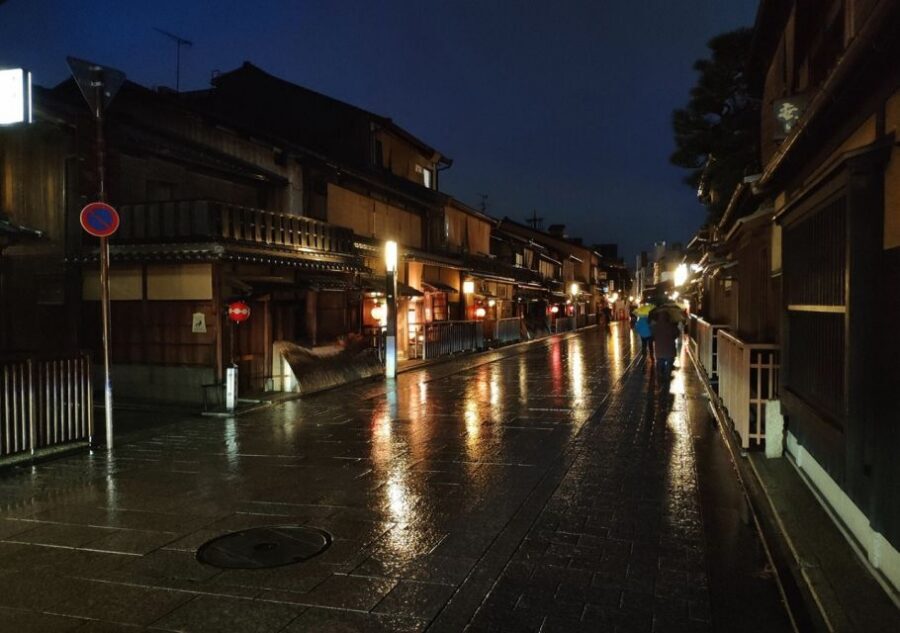
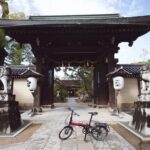
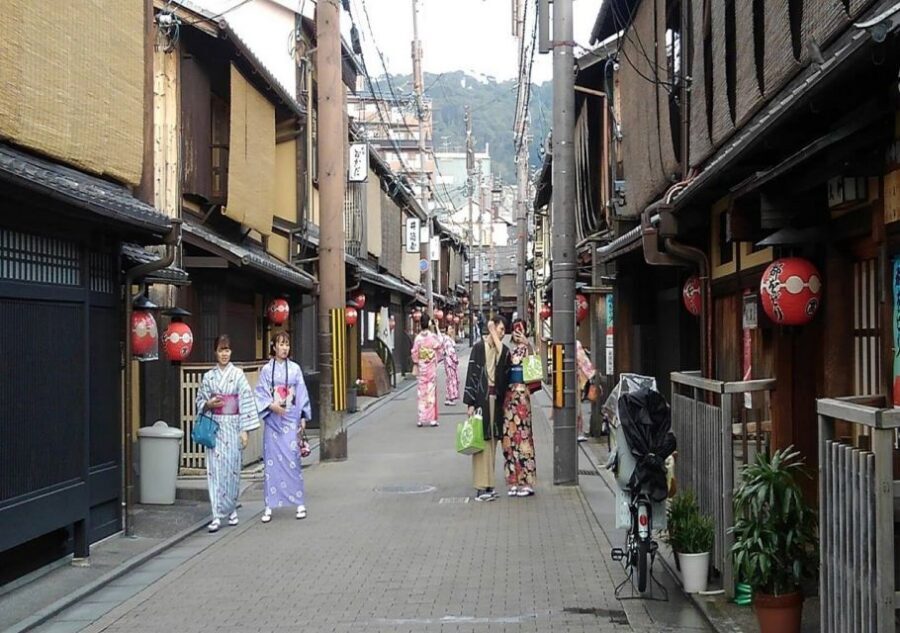
Even if you’re there primarily for the food, the walk is doing real work. The tour is built around evening views of Kyoto’s historic neighborhoods—especially the atmosphere in Gion and Shirakawa. Expect centuries-old teahouse settings, cobblestone streets, and those narrow alleys where you suddenly notice how architecture shapes street-level life.
This is where the “3 hours” makes sense. Too short and you only scratch the surface. Too long and you’re tired before the dinner. Here, you get enough time to feel like you’re walking inside the story, then you sit down before you run out of energy.
And yes, kimono and the soft soundscape can be part of the experience too. The tour description points to things like kimono-clad figures passing by and background traditional music (like shamisen). Whether you catch a moment like that in real life depends on the evening, but you’re in the right place to notice it.
Price and Value: Is $216 Worth It for a 3-Hour Evening?
At $216 per person for a 3-hour tour, this is not a budget activity. But it’s also not just “a walk with a snack.” You’re paying for:
- A local English-speaking guide
- The structure of guided walking in Gion and Shirakawa
- Multiple snack stops
- A 10-course kaiseki dinner
- Dessert and one drink
For me, the value question comes down to this: you’re getting the cost of an expensive dinner package folded into the price, plus someone making the evening make sense as you go. If you were to do kaiseki on your own, you’d still need to figure out timing, how to navigate the district, and how to understand what you’re seeing while you eat.
Two things to check in your own mind:
- If you hate long sit-down meals, this might be less comfortable than you want (the tour is centered on the dinner).
- If you’re expecting a heavy variety-of-restaurants food crawl, one note from a past booking suggests the tour can feel more neighborhood-focused, with most food delivered at the final restaurant.
Small Group, English Guide, and Food Needs: What to Plan
This is a small group experience, limited to 10 participants. That matters. In a crowded area like Gion, smaller groups usually means a smoother pace, fewer people blocking walkways, and more chance for the guide to answer questions.
The guide is English-speaking, and several bookings mention being impressed by how the guide explained things without rushing. One review also highlights managing different needs, including food restrictions/allergies and patience with groups that included kids.
Before you go, do the easy prep that makes the tour better:
- Wear comfortable shoes (you’re walking)
- Inform the tour of any allergies or dietary requirements
- If you’re in the group and you’re aged 10+, you may need to provide a copy of your passport information as requested by the activity
And if you need directions on how to avoid awkward mistakes while navigating Japan, this is the kind of tour where that kind of practical advice can show up. Some past guests specifically praised guides for adding extra tips to help them get around smoothly.
Who Should Book This Gion Evening Food Tour?
You’ll likely love this if:
- You want a guided introduction to maiko/geiko culture in the right neighborhoods (Gion and Shirakawa)
- You’re excited about kaiseki dinner and want it packaged with explanations
- You’d rather do a small, well-paced evening than a big group scramble
- You like food that’s seasonal, presented carefully, and eaten course by course
You might skip it if:
- You’re looking for a fast, high-volume “snack at multiple restaurants” style crawl
- You don’t enjoy multi-course dinners
- You prefer a purely self-guided approach with zero structured storytelling
Should You Book It? My Straight Answer
If you want Kyoto’s evening charm plus a dinner that feels special, book it. The biggest strength is the combination: walk with cultural context, taste a few things along the way, then settle into a 10-course kaiseki that’s clearly the main event.
My only hesitation is for people who define food tours as lots of small restaurants and lots of variety spread across stops. If that’s your style, keep expectations aligned: the snacks are part of the build-up, but the meal at the end is where most of the food happens.
FAQ
How long is the Kyoto Evening Gion Food Tour?
The tour lasts 3 hours.
Where is the meeting point?
Meet in front of the Japan Kanji Museum & Library at Gionmachi Minamigawa, Higashiyama Ward, Kyoto. Your guide will be holding a sign.
Do you wait if I’m running late?
The guide will wait no more than 5 minutes after the starting time before the tour departs.
Is hotel pickup included?
No. Hotel pickup isn’t included, though it can be arranged for an additional charge.
What’s included in the price?
Included items are a local English-speaking guide, a 10-course dinner, dessert, and one drink.
Are transportation costs included?
No. Transportation costs aren’t included.
Does the tour include snack stops?
Yes. The tour includes several snack stops to sample traditional Kyoto cuisine.
What about allergies or dietary restrictions?
You should inform the provider of any food allergies or dietary requirements before the tour.
Is passport information required?
A copy of your passport information is required for all participants aged 10 and over.
Is there a small-group limit?
Yes. It’s a small group, limited to 10 participants.
FAQ
What’s the cancellation policy?
You can cancel up to 24 hours in advance for a full refund.
Can I reserve and pay later?
Yes. The tour offers Reserve now & pay later, so you can book and pay nothing today.
How many people are required per booking?
A minimum of 2 people per booking is required.
What should I wear?
Wear comfortable shoes since you’ll be walking.
What language is the tour guide?
The tour is in English.
Is this tour wheelchair accessible?
No accessibility details were provided in the tour information given, so you should ask the provider directly if you need specific accommodations.