Tea here feels like a real invite. I love that this is truly hands-on wagashi making, not a performance, and I also love the small group size (max 8) that keeps the tone calm and personal. One thing to consider: you’ll usually sit on the tatami floor, so plan for kneeling and floor seating unless you request a chair.
You start at a local house, guided by friendly English-speaking hosts and instructors who are licensed guide interpreters. There’s a short explanation of tea and tea ceremony traditions, then you walk through a tiny garden to an authentic room, where you’ll learn about details like the hanging scroll and how a bowl of matcha is properly served.
The price is $52.26 per person, and for that you get guided instruction, plus two bowls of matcha and the Japanese sweets connected to what you make. It’s not a hotel-ride kind of experience, so you’ll want to handle your own way there and back.
In This Review
- Key highlights before you go
- A Small-Group Tea Ceremony in Fushimi’s Real Neighborhood
- Wagashi Making: The Sweet Part You Can Actually Recreate
- Entering the Tea Room: Scrolls, Tatami, and How You Should Sit
- Matcha Ceremony Steps: From Watching to Doing
- What You’ll Drink and Eat (and the caffeine reality)
- Where You Meet Near Fushimi-Inari (and How to Get Ready)
- Price and Value: Why This $52.26 Session Works
- Who Should Book This (and Who Might Skip It)
- Should You Book This Kyoto Tea and Wagashi Class?
- FAQ
- How long is the Kyoto near Fushimi-Inari Wagashi making and small group tea ceremony?
- What group size should I expect?
- Do I need to sit on tatami, or can I request a chair?
- What should I bring or wear?
- Is it okay for children?
- What’s included in the price, and is pickup included?
Key highlights before you go
- Max 8 people means questions get answered and the pace stays relaxed
- Hands-on wagashi: you learn one kind of Japanese sweet, not just watch
- Matcha lessons in full steps: first observe, then prepare it yourself
- Authentic house setting with a tiny garden walk and a tatami tea room
- English-speaking licensed guide interpreters keep the culture context clear
- Near Fushimi Inari: you can pair this with shrine time without losing your day
A Small-Group Tea Ceremony in Fushimi’s Real Neighborhood
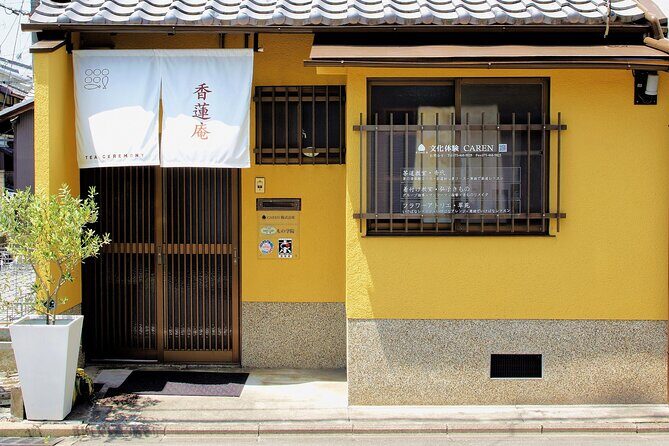
This Kyoto tea ceremony doesn’t feel staged. The setting is a local house in Fushimi Ward, and the vibe matches what you’re there for: quiet attention, careful movements, and a slower pace than you’ll get around the big sights.
You’ll be in a group capped at eight people. That matters more than you might think. In bigger tours, tea lessons can turn into background noise. Here, you get time to follow along, reset when you need to, and actually understand what the instructor is saying and why certain steps matter.
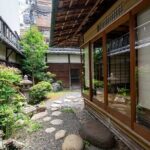
Another plus is the sense of place. You’re close enough to Fushimi-Inari-taisha that you can plan this as part of a shrine day, but far enough that you get a feeling for daily Kyoto life. A couple of details help: you walk to the tea room through a small garden, and you sit in an authentic Japanese-style space rather than a studio classroom.
English support is built in, too. The instructors are licensed guide interpreters, so you’re not just hearing translations. You’re getting explanations that help you connect the motions to the traditions behind them.
A few more Kyoto tours and experiences worth a look
Wagashi Making: The Sweet Part You Can Actually Recreate
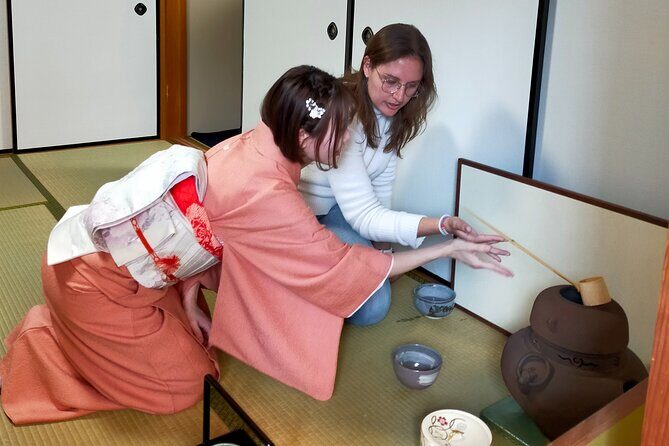
The first part of the experience is wagashi making in the kitchen area of the house. This is not a passive stop. You learn how to make one kind of wagashi yourself, guided by the English-speaking host/instructor right there with you.
Expect a hands-on session where you’ll get tools and guidance and then do the work. Yes, it can get a little messy—normal for something made by shaping and preparing sweet ingredients. That’s part of the fun. If you’ve ever wanted a Kyoto souvenir that isn’t just packaging, wagashi is the answer because you take home the memory of doing it yourself.
A practical note: wagashi is crafted with seasonality and presentation in mind, and that’s part of why tea ceremonies pair sweets with matcha. In this session, you’ll also be able to eat the Japanese sweets you made, during the ceremony flow afterward.
After the class, you shift gears from making to etiquette and tea focus. You’ll move from kitchen learning into a room setup where the tea ceremony steps become the main show.
Entering the Tea Room: Scrolls, Tatami, and How You Should Sit
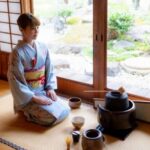
Once you arrive at the house, your host guides you where you need to be first—then you’ll move into the tea portion. If it’s not raining, you’ll step outside and walk through a tiny little garden before entering the authentic Japanese-style room.
This little transition is more than scenery. It helps you mentally switch from tourist mode to ceremony mode. People tend to remember small moments like this, because it feels like the host is guiding you, not rushing you.
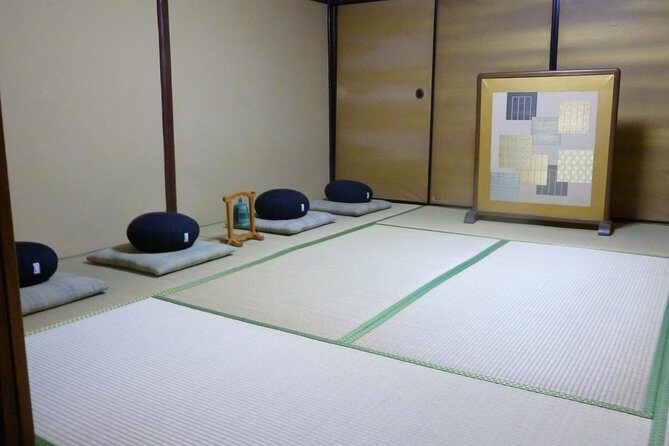
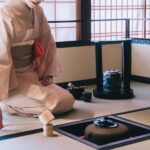
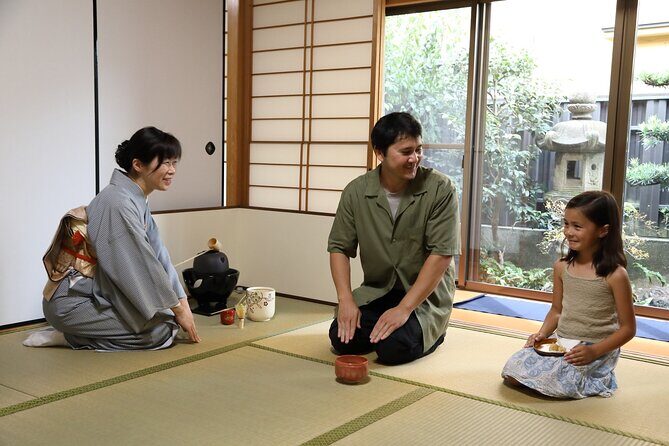
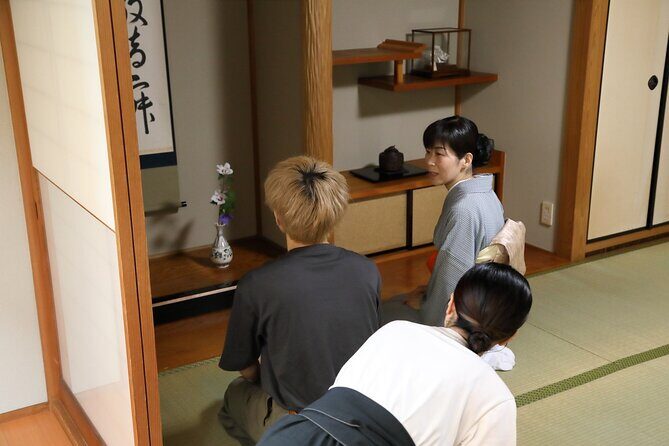
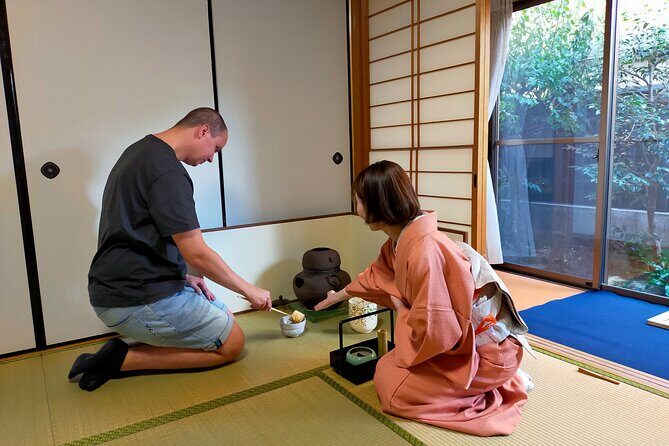
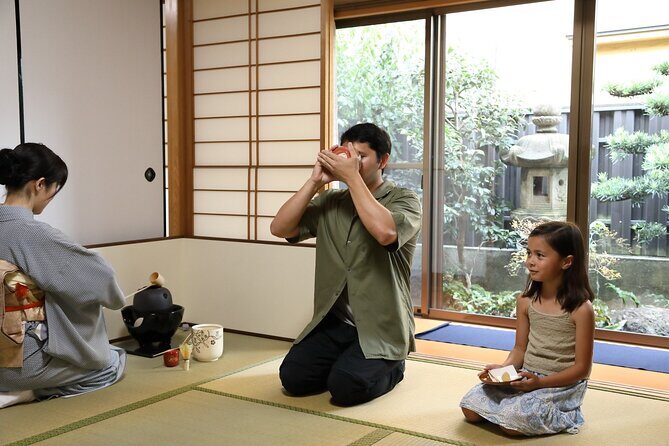
Inside, you’ll sit on the tatami floor. The instructor will explain what to expect in the ceremony and share meaning behind details like the hanging scroll on the wall. That’s a key ingredient in a real tea-room experience. Instead of just teaching you how to drink matcha, the lesson connects the room’s elements to tradition.
One important consideration: bare feet aren’t allowed in the room. You’ll need socks, and you’ll want easy shoes that you can take off and put back on quickly. If floor seating is hard for you, it’s possible to prepare a chair instead of tatami—just let them know when you reserve and include how many chairs you need.
Matcha Ceremony Steps: From Watching to Doing
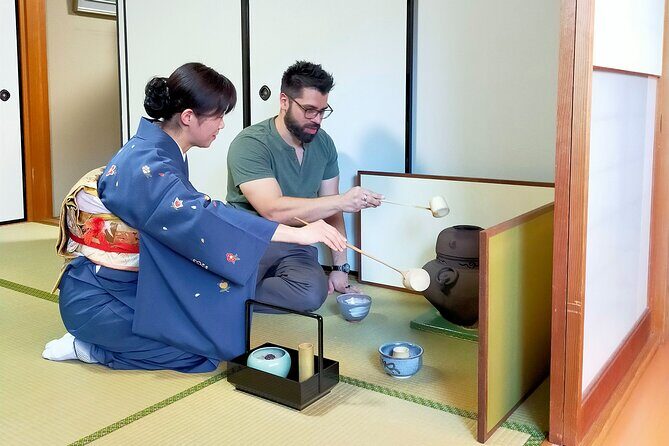
Tea ceremony often looks “easy” from a distance, and then you try it and realize it’s all about control—how you handle the bowl, how you move, and how you pay attention. Here’s how the session flows in a way that helps you learn instead of just trying to copy.
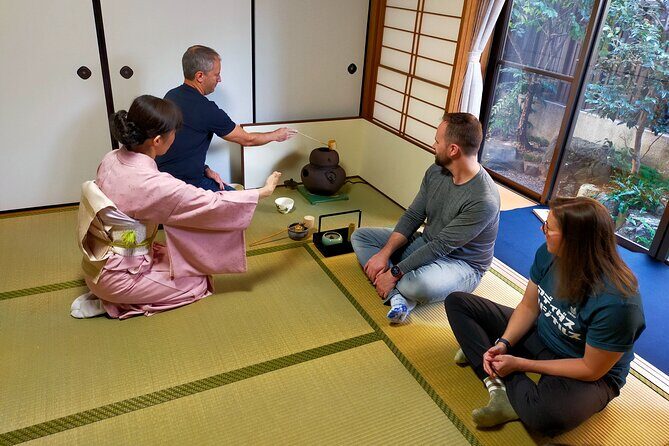
First, you’ll get an explanation of how to attend the tea ceremony. Then, once you’re seated, the instructor demonstrates the meaning behind the structure of the ceremony: what happens first, what happens after, and why certain pauses matter.
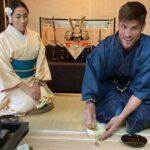
Next comes the matcha part. You’ll savor Japanese sweets that you’ve made, while the instructor demonstrates how to drink a bowl of matcha. After that, you’ll meet the host for the ceremonial preparation of matcha—watch the steps, then get your turn to prepare it yourself.
That progression is smart. You’re not thrown into complex movements before you understand what you’re doing. You’ll learn the ceremonial preparation of matcha, then you’ll practice so you can serve it to friends at home.
A detail I really like: the session is formal in structure, but the tone is friendly. It’s described as feeling like you’ve been invited over for tea by a friend in Japan. That matters because tea ceremony can be intimidating. Here, the teaching is guided, and the hosts keep things welcoming.
What You’ll Drink and Eat (and the caffeine reality)
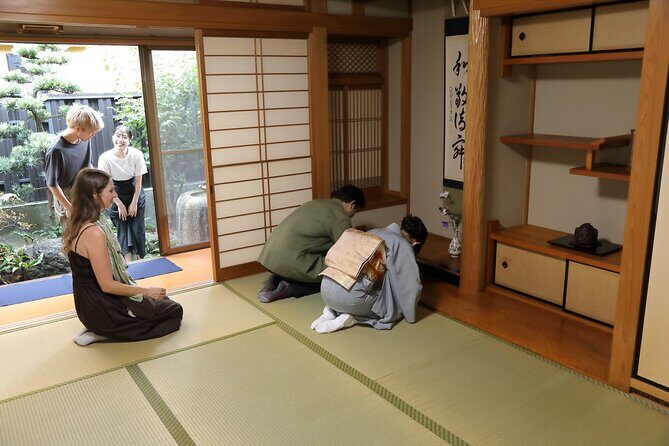
You’ll drink matcha during the ceremony, with two bowls of matcha included. You’ll also get Japanese traditional confectionaries as part of the tea pacing, along with what you made in the wagashi class.
If you don’t take caffeine, this is not for you. The experience is built around matcha, so it’s worth planning around that. On the flip side, if you like tea drinks and you’re curious about how matcha differs when served ceremonially, this is a satisfying way to learn because you’re practicing the whole ritual, not just tasting it once.
Also, keep expectations realistic: matcha and wagashi are a sensory experience, but they’re not a big meal. Think of this as a cultural and taste lesson that pairs well with sightseeing before or after.




Where You Meet Near Fushimi-Inari (and How to Get Ready)
The meeting point is at 38-4 Fukakusa Watamorichō, Fushimi Ward, Kyoto, 612-0022, Japan. The start time is 9:45am, and the experience runs about 1 hour 15 minutes.
It ends back at the meeting point. So plan your schedule around it like a morning appointment. If you want to visit Fushimi-Inari-taisha, the timing is convenient. One review described it as about a 10-minute walk to the shrine, which is exactly the kind of pairing you want in Kyoto: culture in a quieter neighborhood, then orange torii gates right after.
You’ll also want to bring or wear socks. Bare feet aren’t allowed in the room. Wear or bring easy shoes that can come off quickly—tea spaces require shoe removal, so this helps you stay comfortable.
The group is small (max 8), which also affects logistics. You won’t have the chaotic line of people. Still, arrive a few minutes early so you can settle in, find the right spot, and get your socks ready.
Price and Value: Why This $52.26 Session Works
At $52.26 per person, this isn’t a budget “grab-and-go” activity. But it also isn’t just paying for tea flavor. You’re paying for instruction, materials, and guided practice.
Here’s the value equation that makes sense for this tour:
- You get an English-speaking instructor and licensed guide interpreter support
- You do hands-on wagashi making (not a demo)
- You get two bowls of matcha plus Japanese traditional confectionaries
- You learn the ceremony structure, including how to attend and how to prepare matcha yourself
For many Kyoto experiences, you pay for a nice view or quick tasting. This one is different. It gives you skills and a repeatable souvenir idea. If you can make and serve matcha at home, you’re taking home something more memorable than a photo.
The one cost tradeoff: there’s no hotel pick-up or drop-off. You’re responsible for getting to the meeting point. If you like walking or using public transit, this is usually fine. If you need door-to-door convenience, you may prefer a tour that includes transport.
Who Should Book This (and Who Might Skip It)
This experience fits you if you want a calm, respectful cultural activity and you’d like to learn actual steps you can repeat later. It also helps if you like interactive lessons. Making wagashi yourself is the kind of thing that makes the afternoon more interesting, because you’re not just consuming culture—you’re making part of it.
It’s also a good fit for people who like small group tours. Maximum 8 keeps things understandable and prevents the “everyone watches, nobody learns” issue.
You might want to skip or reconsider if:
- You don’t take caffeine (matcha is central, and two bowls are included)
- Floor seating is a serious problem for you and you don’t want the option of a chair
- You’re expecting a quick “try matcha” taste only (this is a lesson with practice)
For families, it’s designed with clear age guidance: children aged 8 to 12 need at least one adult participating. Children aged 7 or under aren’t able to participate in this session. So it’s workable for families with older kids who can follow instructions and sit comfortably.
Should You Book This Kyoto Tea and Wagashi Class?
I think you should book it if you want Kyoto culture that isn’t all crowds and lines. The small group size, the hands-on wagashi lesson, and the full matcha preparation practice make it worth the time and money. You also get a peaceful local-house setting and English guidance that helps you understand what you’re doing instead of just following gestures.
If you’re cautious about sitting on tatami, make sure to request a chair in advance. And if caffeine isn’t your thing, skip this one because matcha is the point.
If you can handle a short morning commitment and you’re open to learning a ritual step-by-step, this is the kind of experience you’ll still be talking about after you leave Kyoto.
FAQ
How long is the Kyoto near Fushimi-Inari Wagashi making and small group tea ceremony?
It lasts about 1 hour 15 minutes (approx.).
What group size should I expect?
The group is limited to a maximum of 8 travelers.
Do I need to sit on tatami, or can I request a chair?
You’ll normally sit on the tatami floor, but it is also possible to prepare a chair instead. You need to let them know how many chairs you want when you make your reservation.
What should I bring or wear?
You should bring or wear socks, since bare feet are not allowed in the room. Wear easy shoes that are simple to take on and off.
Is it okay for children?
Children aged 8 to 12 need at least one adult to participate. Children aged 7 or under are not able to participate in this session.
What’s included in the price, and is pickup included?
The price includes an English-speaking instructor, all fees and taxes, and coffee and/or tea (including two bowls of matcha) plus Japanese traditional confectionaries. Hotel pick-up and drop-off service are not included.