Kyoto slows down in Arashiyama. This private 3-hour walk pairs top sights like Tenryu-ji with hands-on garden and culture explanations in clear English, so the whole area clicks fast.
I really like how the tour feels personal. You get a friendly, expert guide (Richard) with the patience to answer questions, and you move at a pace that fits your group.
One thing to plan for: some parts involve steps and graded sections, so if you have mobility limits, I’d go in with eyes open and ask what’s easiest to avoid.
In This Review
- Key highlights worth caring about
- Where Your Tour Starts: Randen Arashiyama and an Easy Beginning
- Togetsukyo Bridge: Set Your Eyes on Arashiyama First
- Tenryu-ji Temple: Zen Gardens Explained Without Guesswork
- Bamboo Forest Street: Making Photos Feel Less Like a Stampede
- Okochi Sanso Gardens: Tea Break and the Art of Quiet
- Monkey Park Instead of Okochi Sanso: Choosing Views Over Gardens
- The Guide Makes It Worth It: Richard’s Patience and Clarity
- 3 Hours, Not 3 Days: What This Pace Gets Right
- Price and Value: $120 That Includes the Tickets
- Weather and Timing: Plan for the Day, Not the Fantasy
- Who Should Book This Arashiyama Tour
- Should You Book This Tour?
- FAQ
- Is this a private tour?
- How long is the Arashiyama walking tour?
- What’s included in the price?
- Are food and drinks included?
- Can I choose Monkey Park instead of Okochi Sanso?
- Where do we meet and where does the tour end?
- Is the tour suitable if I have mobility issues?
Key highlights worth caring about
- Private tour with no other guests, so you can ask questions and set a comfortable pace
- Tenryu-ji Temple included, including access to the interior areas and the famous zen garden focus
- Bamboo Forest Street photo time, with guidance on how to walk and look so it feels less chaotic
- Okochi Sanso OR Monkey Park option, letting you choose gardens-and-tea calm or higher viewpoints
- All entrance fees included for the main sights, so you’re not juggling ticket lines
- Mobile ticket and a clear meeting spot near public transportation
Where Your Tour Starts: Randen Arashiyama and an Easy Beginning
You meet at TULLY’S COFFEE near Randen Arashiyama Station, which is a smart move because it keeps your morning or afternoon straightforward. The meeting address is specific, down to the shop number, so I’d treat arrival like a tiny scavenger hunt: get there a few minutes early and confirm you’re at the right Tully’s.
From there, you’re on foot through Arashiyama. That’s the best way to understand the area because the views and sightlines change block by block. Also, returning to the same meeting point at the end means you don’t have to think about a complicated finish.
A few more Kyoto tours and experiences worth a look

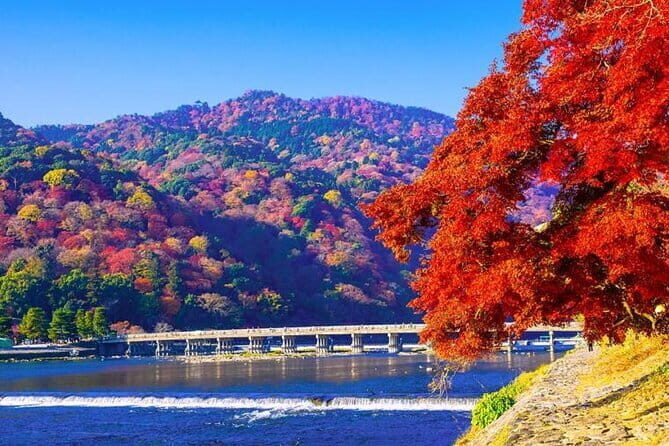
Togetsukyo Bridge: Set Your Eyes on Arashiyama First
The first stop is Togetsukyo Bridge, with about 30 minutes to view it. Even if you’ve seen photos, the bridge works better in person because it frames the river and the surrounding scenery in a way a picture can’t match.
What I like here is that it gives you context before you enter temples and gardens. You start noticing how the river, paths, and greenery shape where people gather. If you’re the type who likes to understand a place instead of just collecting snapshots, this “orientation” moment is worth the time.
A quick consideration: this is a popular area. If you want calmer photos, give yourself a little time to find angles rather than snapping from the first crowded spot you hit.
Tenryu-ji Temple: Zen Gardens Explained Without Guesswork
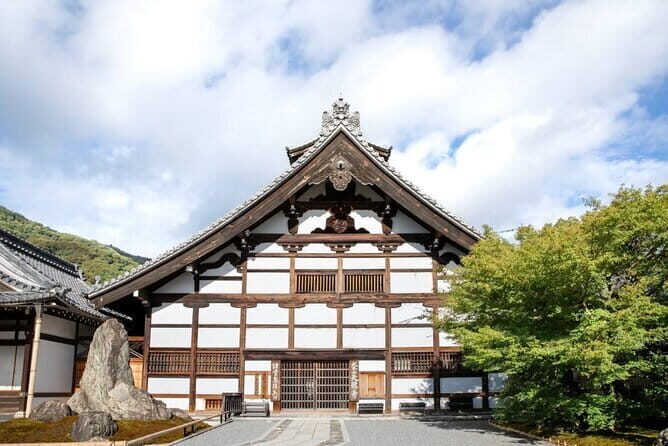
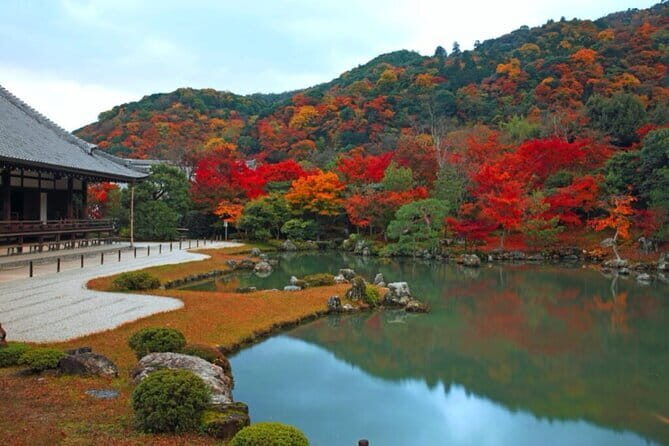
Next comes Tenryu-ji Temple, a World Heritage site, with about an hour inside. You’ll enter the temple grounds, and the guide focuses on the interiors and the famous zen gardens in detail. This is where a good guide turns a pretty place into something meaningful.
I love that this stop isn’t treated like a rushed checkmark. With Richard’s style, you get explanations that help you read what you’re seeing: why certain spaces feel open or quiet, how the garden design guides your eyes, and what makes Tenryu-ji stand out among Kyoto’s temple experiences.
There’s also a practical advantage. Tenryu-ji can be easy to “wander through” if you don’t know what to look for. With guidance, you spend your time on the sections that actually matter, which is a big deal in only a 3-hour tour.
Bamboo Forest Street: Making Photos Feel Less Like a Stampede
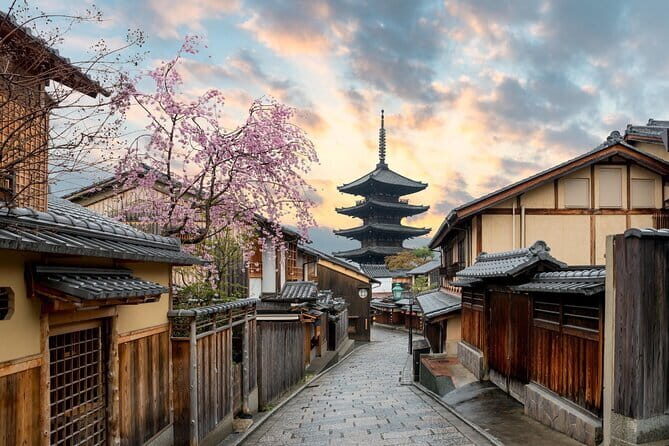
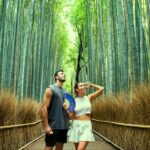
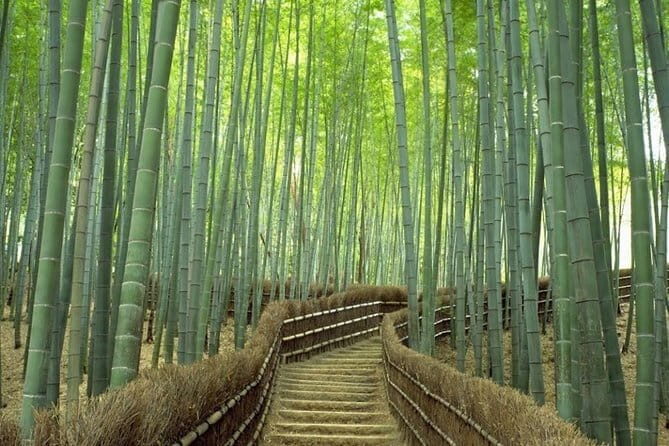
Then you walk the bamboo forest street for about 30 minutes. You’re there for pictures, but the smarter value is learning how to move through it. With a guide, you’re not just reacting to crowds—you’re walking with purpose.
Here’s how this plays in real life: the forest looks different depending on your position, height, and the angle of light. Richard’s explanations and the tour timing help you avoid the worst “everyone stops at once” moments and instead keep a smooth flow.
If you’re sensitive to crowds or you’re traveling during peak hours, I’d still expect busy spots in Arashiyama. The good news is that the tour portion is brief enough that you’re not stuck for hours in the busiest bamboo zones.
Okochi Sanso Gardens: Tea Break and the Art of Quiet
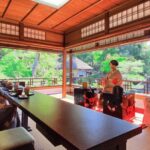
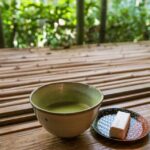
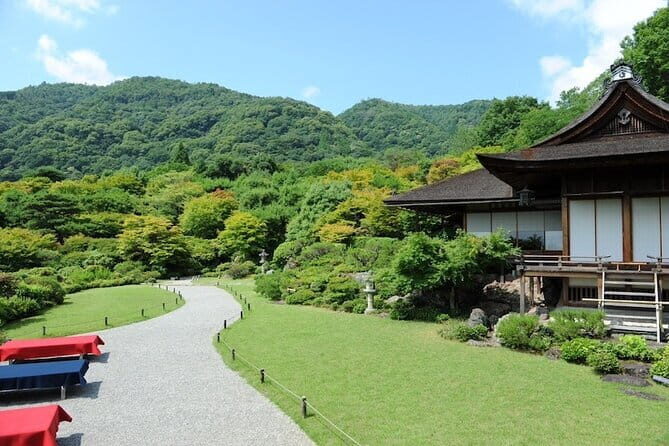
After bamboo, you shift into slower mode at Okochi Sanso Garden for about an hour. This is the stop built for calm: rest, take in the gardens, and learn about Japanese gardening and architecture from the guide.
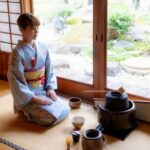
One detail I really appreciate is the green tea pause idea. The tour description frames it as a rest moment in the gardens, which makes sense because Okochi Sanso is meant to be enjoyed, not sprinted through. Just plan on paying for drinks if you order on-site, since food and drinks aren’t listed as included.
What you’ll likely get out of this stop is a clearer sense of how gardens function in Japan. Instead of “plants everywhere,” you’re looking at composition—ways paths and views choreograph a visitor’s experience. Even if you’re not a garden expert, the guide turns it into something you can understand with your eyes.
A possible drawback: if you choose Okochi Sanso, you’re trading away the higher viewpoint option. For some people, that’s perfect. For others, Monkey Park views are the priority.
Other guided tours in Kyoto


Monkey Park Instead of Okochi Sanso: Choosing Views Over Gardens
You can swap Okochi Sanso for Monkey Park if you prefer. The key is that you need to tell the guide at the start, so decide before you meet if you can.
This is a big “choose your mood” decision:
- Okochi Sanso tends to fit better if you want gardens, tea, and architectural explanations.
- Monkey Park tends to fit better if you want sweeping views and don’t mind a more active feel.
Because the itinerary only gives durations for each main section, you won’t feel completely rushed—but you should still expect walking. And if steps and graded sections concern you, this is the swap I’d discuss carefully with the guide in advance.
The Guide Makes It Worth It: Richard’s Patience and Clarity
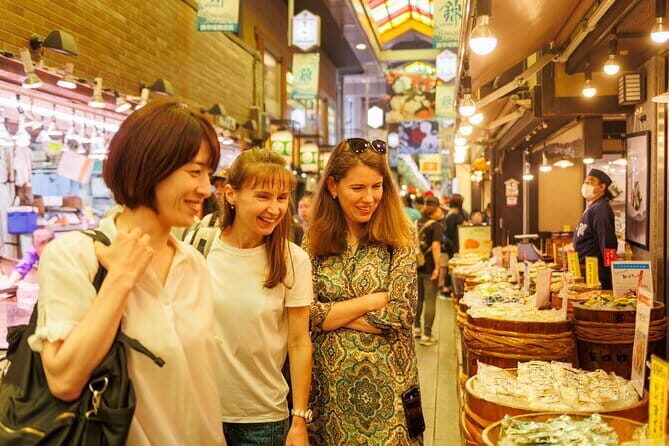
The tour’s biggest strength isn’t just the sights. It’s the guide. Multiple people highlight Richard’s calm, patient approach and his deep local understanding. I’d treat that as a real deciding factor, not a nice-to-have.
This tour is designed around clear native English explanations about temples and Japanese culture. That means you can actually follow what you’re being shown, not just tag along behind someone who reads a script. It also matters that Richard can tailor the time to what you care about—cultural context, architecture, landscapes, and garden design.
If you’ve ever visited a temple and thought, I’m not sure what I’m looking at, this is the fix. You’ll know what to look for and why it’s arranged the way it is.
3 Hours, Not 3 Days: What This Pace Gets Right
This experience is about 3 hours, give or take. That short timeframe is a plus in Kyoto because you can still fit other things the same day.
The pacing also makes sense:
- Start with a landmark view at Togetsukyo Bridge
- Go into Tenryu-ji when you can focus
- Walk bamboo for photos without overstaying
- Finish with either Okochi Sanso (tea and garden explanation) or Monkey Park (viewpoint option)
That structure helps you avoid the most common Arashiyama problem: spending too long traveling between “nice” spots without absorbing anything. Here, each segment has a purpose.
Price and Value: $120 That Includes the Tickets
At $120 per person, this is not a bargain-basement tour, but it’s also not priced like a luxury custom escape. The value comes from what’s included: all entrance fees for Tenryu-ji and Okochi Sanso or Monkey Park, plus a top expert guide.
If you’ve ever paid for a guide and then later realized tickets weren’t included, you know how quickly the total becomes annoying. Here, you’re already covered for the major admissions, which makes your spending feel more predictable.
Food and drinks are not included. That’s normal for Kyoto walking tours. The trade is that you can choose what you like at stops, instead of being locked into one set menu you didn’t order.
If you’re traveling with a group, there are group discounts listed. If that applies to your situation, it’s worth checking—because splitting the cost can make this feel like a steal for the guide time you get.
Weather and Timing: Plan for the Day, Not the Fantasy
The tour requires good weather. If weather is poor, you may be offered a different date or a full refund. That matters because bamboo and temple-garden visits feel best when the grounds are comfortable and the light is decent.
You can choose a morning or afternoon start time. My practical advice: pick the time when you’ll handle crowds best. If you like quieter scenes, you might aim for the part of the day that fits your style, but either way, Arashiyama can still be lively.
Who Should Book This Arashiyama Tour
This works especially well if:
- you want Arashiyama’s top hits without planning the order yourself
- you care about temple and garden meaning, not just pretty photos
- you prefer a private experience where you’re not squeezed into someone else’s pace
- you appreciate clear, patient explanations from a guide like Richard
It may not be the best match if:
- you have strict mobility limits and need a fully step-free route (there are parts with graded sections and ancient stone steps, so you should ask first)
- you want long unstructured free time in the area
- you’re traveling with the expectation that drinks are included (they aren’t)
Should You Book This Tour?
I’d recommend booking if you want Arashiyama to feel understandable and calm rather than frantic. The mix of Togetsukyo Bridge, Tenryu-ji, bamboo, and a choice between Okochi Sanso or Monkey Park gives you variety without wasting hours. And because the guide is a real strength here—especially Richard’s patience and clear English—you’ll get more than a sightseeing circuit.
I’d only hesitate if mobility is a concern, or if you’re the kind of traveler who prefers zero guidance. For most people, the included admissions plus a thoughtful guide makes this a strong value for a focused Kyoto afternoon.
FAQ
Is this a private tour?
Yes. It’s a private tour, meaning only your group participates and there are no other guests joined in.
How long is the Arashiyama walking tour?
The tour lasts about 3 hours (approximately).
What’s included in the price?
All entrance fees are included for Tenryu-ji Temple and Gardens, plus either Okochi Sanso or Monkey Park. The guide is also included, speaking clear native English.
Are food and drinks included?
No. Food and drinks are not included.
Can I choose Monkey Park instead of Okochi Sanso?
Yes. You can visit Monkey Park instead of Okochi Sanso if you tell the guide at the start of the tour.
Where do we meet and where does the tour end?
You start at TULLY’S COFFEE Randen Arashiyama Station Shop, and the tour ends back at the same meeting point.
Is the tour suitable if I have mobility issues?
Most travelers can participate, but some parts include graded sections and ancient stone steps. If mobility is a concern, it’s smart to discuss what parts might be difficult with the guide.