Kyoto reads better on foot. This guided walking tour turns the geisha culture stories of the Kiyomizu area into something you can see right in front of you, as you move from shrine to temple and street to street.
I especially like how the guide connects what you’re looking at to the real traditions behind it, including talk about geiko and meiko. I also like the practical pacing: a break, stairs (so plan your legs), and enough time at photo spots that you’re not sprinting for the next stop.
In This Review
- Key points at a glance
- Walking from Yajikita Statue: how the tour starts and ends
- Two hours of Kiyomizu-area streets, temples, and stories
- Why geiko and meiko talk makes the whole walk click
- Stairs, shoes, photos, and weather: the practical stuff that saves your day
- Stop quality: what you should expect from shrine and temple time
- The optional Chion-in extension: when it’s worth the extra time
- Price and value: what $39 buys you in Kyoto
- Who should book this Kiyomizu geisha walking tour
- Booking notes that affect your day
- Should you book this geisha culture & Kiyomizu walking tour?
Key points at a glance

- Geiko and meiko context while you walk, not just a checklist of sights
- Shrines and temples in the heart of Kyoto, plus time for photos
- Photo-friendly stops with reminders to ask permission around people
- About 2 hours of walking with some stairs, so wear real shoes
- Optional Chion-in add-on for extra temple time (40–50 minutes, 1000 yen)
Walking from Yajikita Statue: how the tour starts and ends

The tour kicks off right by a landmark that’s easy to find: the Yajikita statue at the intersection of Sanjyo Street and the Kamogawa path. There’s a Lawson nearby and a Starbucks right in front, which helps if you’re meeting up while you’re still figuring out Kyoto street logic.
You’ll finish back at the same meeting point. That matters more than it sounds, because you don’t have to plan a separate route back across the city after you’ve been walking and taking in temples.
One quick practical note: use the restroom before you start. The first break comes later, and the pace is meant for walking and learning, not repeated stops.
A few more Kyoto tours and experiences worth a look


Two hours of Kiyomizu-area streets, temples, and stories

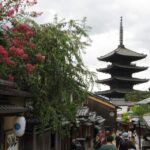
This is a shorter, focused walk with about 2 hours of walking, built around shrines and temples and the stories that make them matter in Kyoto. The good news is that it’s not a “see 20 things and forget half” situation. It’s designed to give you time to look up at architecture, notice details, and understand why locals respect these spaces.
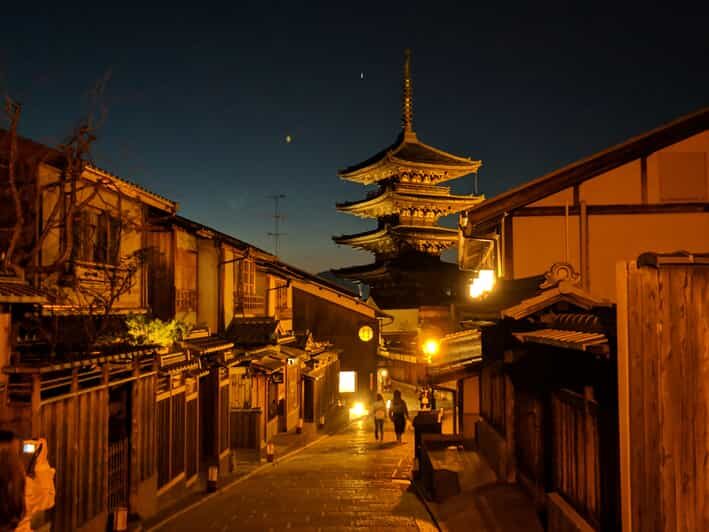
As you go, expect the guide to point out visual cues you might miss on your own. Think of things like how buildings frame the street, how sites are arranged, and what kinds of customs go with a visit. Even if you’ve been to temples before, the explanations help you read them differently.
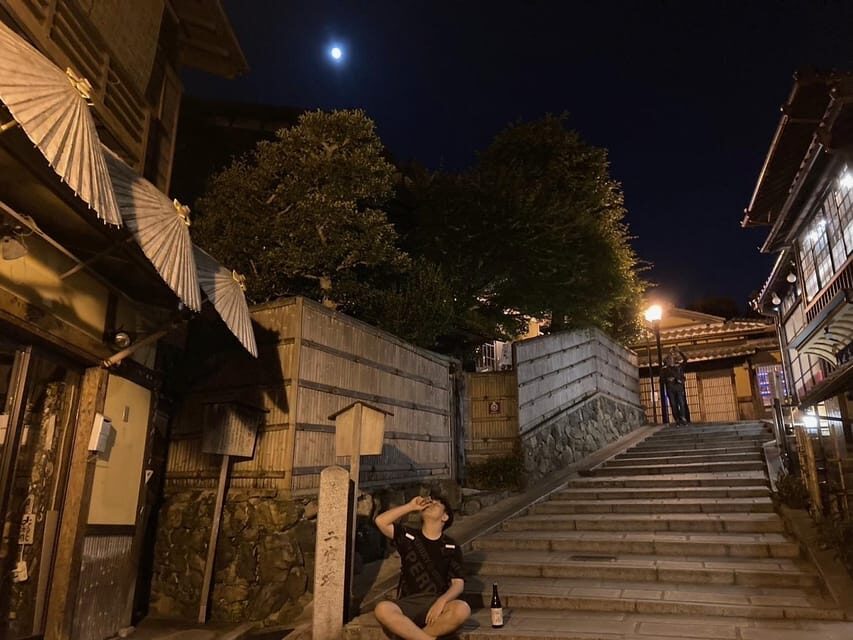
The tour also includes less-frequented areas that give you a more personal sense of daily life around the routes people actually use. It’s not only postcard Kyoto. It’s Kyoto as a place where traditions are woven into normal movement—walking, stopping, bowing, and noticing.
Why geiko and meiko talk makes the whole walk click

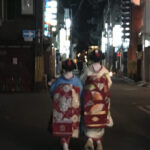
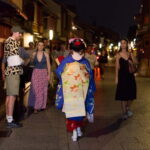
You’re not just touring temples here. The tour is explicitly built around geisha culture, including context about geiko and meiko, and how those roles connect to what you see around the Kiyomizu area.
Here’s the value for you: Japanese entertainment traditions can feel like locked doors if all you do is read names and dates. A good guide turns it into practical understanding—what the training and cultural expectations are meant to protect, and why certain etiquette and spaces matter. On this kind of tour, the guide’s job is to translate culture into street-level details.
One example from real tour experiences: a guide named Lily is praised for making geiko and meiko culture feel understandable, and for bringing energy to the explanations. Another repeated theme is that the guide checks in, stays friendly, and is open to questions—so if you want to know why something is done a certain way, you’re not just left to guess.
One honest consideration: you might not see a geisha in person during the walk. The tour’s real promise is cultural understanding and the context around it, not a guarantee of seeing someone working on the street.
Stairs, shoes, photos, and weather: the practical stuff that saves your day

This tour includes stairs, so comfy shoes are not optional. I’d treat this like an active walking afternoon, not a gentle stroll. The route is designed for you to keep moving, learn along the way, and still enjoy the sights without feeling rushed.
There’s also a break during the tour, and the schedule is built to give you time for photos at photogenic stops. That’s a big deal in Kyoto, where you’ll often be standing in busy areas with limited time windows. If you’re the type who likes to shoot a few good photos instead of posting shaky ones, you’ll appreciate the pacing.
Weather matters too. Kyoto can change fast, and you should be ready for all conditions. Bring an umbrella or raincoat so you don’t spend the whole tour trying to stay dry and focused.
Also pay attention to the photography rules. Photography is allowed, but please be respectful and ask for permission before taking photos of people. And no, video recording is not allowed. Plan to save your phone recording for later, because the tour rules are firm on this point.
Stop quality: what you should expect from shrine and temple time

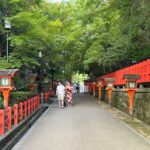
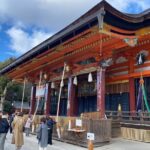
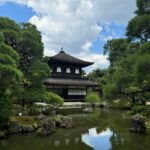
You’ll visit multiple shrines and temples during the walk, with the guide focusing on architecture, art, and customs. You’ll get the story behind what you’re seeing, not just a sentence printed on a plaque.
At each main site, the value usually comes from three things:
- You learn what to look for in the building or layout
- You understand how customs shape the way people behave there
- You’re given time to take in the place rather than rushing through
Even when you’re surrounded by tourists, these stops can still feel personal if the guide helps you notice details. And because it’s a guided walk, you’re not stuck figuring out what matters while your feet are already tired.
If you’re hoping for a perfectly silent, museum-like experience: this is Kyoto. You’ll be walking through real streets with real people nearby. The goal is calm curiosity, not total solitude.
A few more Kyoto tours and experiences worth a look



The optional Chion-in extension: when it’s worth the extra time

On the day of the tour, you can add an extended visit to Chion-in temple. It’s typically an extra 40–50 minutes, and it costs 1,000 yen per person.
When is that add-on worth it? If you want more temple time and you don’t mind extending your walking and sightseeing stretch, it’s a solid choice. Chion-in is a major stop, so this extension helps you go beyond the walk’s shorter temple rhythm and spend more time inside a single larger experience.
If your legs are already tired from other Kyoto plans, you can skip it. The base tour still covers the geisha-culture storytelling and the core shrine/temple walk.
Either way, remember that the longer you add, the more you’ll want to keep a careful pace. This is a shoes-and-stamina situation.
Price and value: what $39 buys you in Kyoto

At $39 per person, this is a price point that makes sense for a guided walking experience in Kyoto—especially because you’re getting more than directions.
You’re paying for:
- A friendly, energetic, professional English guide
- Time on foot with cultural explanations tied to what you’re seeing
- Built-in break time and photo time
- A geisha-culture angle (geiko and meiko context), not just general sightseeing
Do you save money by DIY walking? Sure, you can. But DIY usually means you spend your attention reading signs and guessing what matters. Here, the guide helps you translate Kyoto’s visual language into something you actually understand.
Also, you may see a discount when you book through Mashberry Tourism’s website. If you’re deciding between several Kyoto experiences, I’d compare them by how much guided meaning you’ll get per hour, not just the cost.
Who should book this Kiyomizu geisha walking tour

This tour fits best if you want:
- A structured walk through Kyoto with cultural storytelling
- Shrines and temples paired with context about geisha traditions
- Time for questions, because you’re curious about how customs work
It’s a smart pick for first-time Kyoto visitors who feel overwhelmed by the number of temple choices. It’s also good for returning visitors who’ve already seen big-name temples and want a more culture-forward angle focused on geisha life and roles.
Two clear limitations to keep in mind:
- It’s not suitable for people with mobility impairments and not suitable for wheelchair users.
- It includes stairs and steady walking, so if you’re managing pain or fatigue, this may not be the right fit.
Booking notes that affect your day

You’ll have an English-speaking guide, and the tour is designed for about 2 hours of walking. If you want flexibility, the booking supports reserve & pay later, and that can help when you’re juggling Kyoto weather plans.
If plans shift, cancellation up to 24 hours in advance is listed as a full refund. That’s helpful when Kyoto umbrellas are suddenly in high demand.
Just do yourself a favor and plan around the meeting point. Start near Yajikita statue so you’re not spending the first 15 minutes lost, because the tour time is meant for walking and learning.
Should you book this geisha culture & Kiyomizu walking tour?
If you like Kyoto at walking speed, want explanations tied to what you see, and care about understanding geiko and meiko culture, this is a strong match. The built-in photo time and the guide’s focus on customs and architecture make it feel more useful than a typical temple hop.
I’d skip it if you need fully step-free walking or you’re looking for a guaranteed chance to spot a geisha on the street. This tour’s strength is context and culture, not a show-up-and-see guarantee.
If you want one practical decision rule: book it if you can handle comfortable shoes, stairs, and a couple hours of focused sightseeing. Then add Chion-in only if you still feel good at the end of the base tour.