Two hours in a quiet temple room changes everything. In Kyoto, this experience pairs guided zazen meditation with Zen teaching from 16th-generation abbot Eitetsu Nishida, then follows it with matcha and sweets in a garden known for its long, unchanging beauty. It’s a welcome break from the noise, with you slowing your mind down instead of speed-walking sights.
What I like most is how practical the teaching feels. You sit through two rounds of meditation and get clear guidance on what to do with your posture and attention, not vague advice. I also love the tea part: learning matcha and seasonal sweets isn’t tacked on; it connects Zen practice to everyday rituals, in the calm of the temple grounds.
One consideration: sitting still for two 20-minute zazen rounds can be tough if you’re expecting comfort to be built in. Chairs are available, but the space is not wheelchair accessible, and wearing a rented kimono can make meditation positions awkward.
In This Review
- Key things I’d put on your radar
- Why Jusho-in Zen feels different from Kyoto sightseeing
- Finding the north gate of Myoshin-ji and getting quiet fast
- Two 20-minute zazen rounds with Abbot Eitetsu Nishida
- Zazen etiquette: chairs, posture, and what to wear
- The garden credited to Eitoku Kano: why it helps your focus
- Matcha and sweets: the Zen connection that actually makes sense
- The photographer and the commemorative photo keepsake
- Price and time: is $109 worth it?
- Who should book this Zen zazen and tea experience
- Small practical tips so you enjoy the day
- Should you book this Kyoto Zen experience?
- FAQ
- How long is the Kyoto Zen experience at Jusho-in?
- What happens during the meditation part?
- Is the tour taught in English?
- Do I get matcha and sweets?
- Will I receive photos from the experience?
- Is this experience wheelchair accessible?
- Does it run rain or shine, and what about free cancellation?
Key things I’d put on your radar

- Chief priest teaching from Eitetsu Nishida, the 16th-generation abbot of Jusho-in
- Two 20-minute zazen sessions that are short enough to try, long enough to matter
- Matcha history and Zen etiquette, taught right before you drink it
- A garden attributed to Eitoku Kano, with seasonal views that have stayed in place for centuries
- A photographer captures the experience, and you get the photo data later
- Small-group pacing (private or small groups available) that leaves time for questions
Why Jusho-in Zen feels different from Kyoto sightseeing

Kyoto can be intense. Temples are beautiful, but they can also feel like a blur of crowds, tickets, and group shuffling. This experience tilts the day toward stillness, with your focus pulled inward instead of out toward famous landmarks.
You’re doing zazen in a real Zen setting tied to Myoshin-ji (Japan’s largest Zen temple complex). Jusho-in itself dates back to 1599 and sits among 46 sub-temples. That matters because you’re not just watching a cultural show—you’re being invited into a living practice.
And then there’s the follow-up: matcha and sweets in the garden after meditation. Zen isn’t presented as a museum topic. It’s treated as something you practice, in your body first, then in your attention during tea.
A few more Kyoto tours and experiences worth a look

Finding the north gate of Myoshin-ji and getting quiet fast

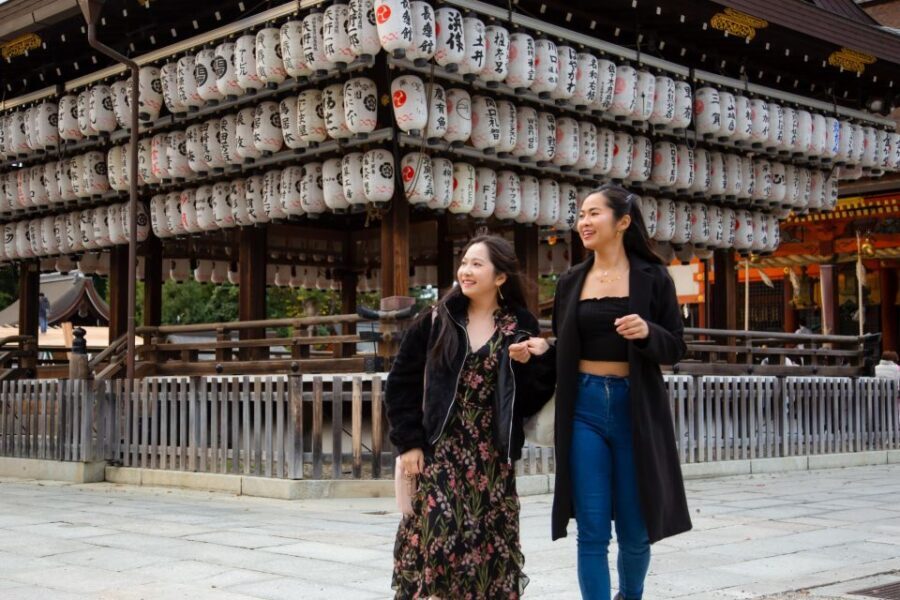
Your tour starts at the north gate of Myoshin-ji Temple, then you walk with a guide to Jusho-in. That short move is more than “getting there.” It helps you shift modes: from street energy into temple rhythm before you even sit down.
You’ll want to arrive a bit early so you’re not rushing. Seating is assigned in the order of reservations, so early arrival helps if you have any concerns about sightlines, airflow, or where you’d like to sit. The tour runs rain or shine, so plan for weather—Kyoto mornings can change quickly.
Also note what the experience expects from you. No alcohol or drugs, and you can’t bring weapons or sharp objects. This is a calm, controlled space, and the rules support that.
Two 20-minute zazen rounds with Abbot Eitetsu Nishida

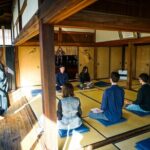
The heart of the experience is two sets of zazen meditation, with instruction and a chief-priest sermon as part of the program. You’ll sit for two rounds of 20 minutes, which is a smart design for beginners: it’s long enough to feel the strain of doing nothing, but not so long that you’re totally overwhelmed.
Between the rounds, there’s typically a break for stretching and Q&A, which helps you reset. That structure matters because the hardest part of zazen isn’t “being spiritual.” It’s dealing with the normal human mind that keeps trying to think, plan, and remember stuff. Multiple short rounds let you learn without burning out.
Eitetsu Nishida—described as the 16th-generation abbot of Jusho-in—leads the guidance. He also brings a lighter tone; several participants mention humor and kindness during teaching. That combination helps: when the teacher is both serious about practice and relaxed with people, you’re more likely to focus instead of performing.
And if you’re wondering what Zen emphasis looks like in real life, Rinzai-style Zen is known for intense practice and direct experience. You’re not being asked to memorize a philosophy text first. You’re asked to sit, follow instruction, and notice what happens.
Zazen etiquette: chairs, posture, and what to wear

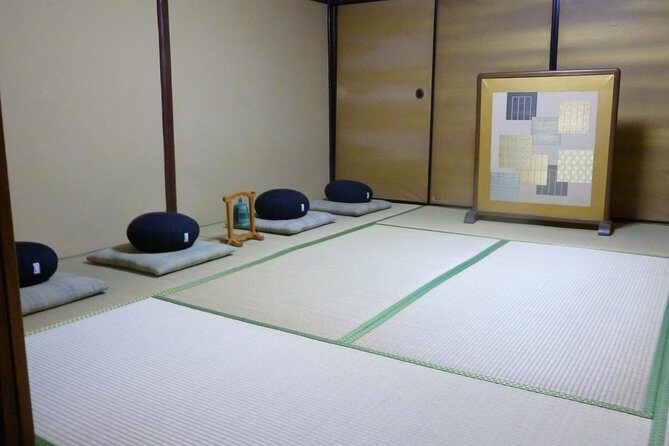
Let’s talk comfort, because zazen is physical in a subtle way. The experience is open to all ages, and chairs are available for those who need them. That’s a big deal if you’re not used to sitting on the floor or keeping your back upright for long stretches.
If you’re flexible, you might sit in the traditional posture. If you’re not, take the chair without guilt. The point is attention and stillness, not proving toughness. One reviewer specifically noted the relief of chair support when they needed it.
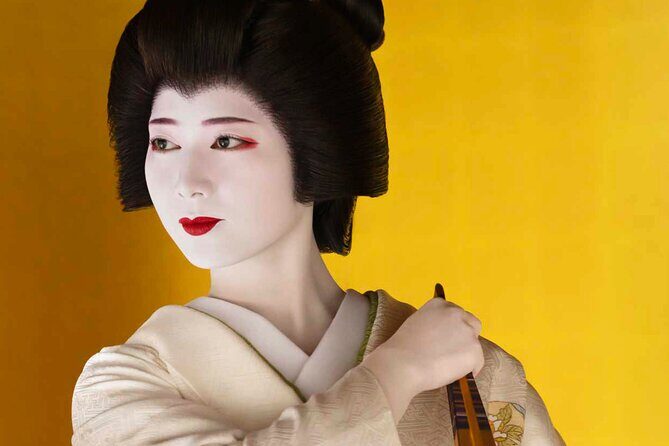
What to wear: there are no strict dress requirements. But there’s one warning worth respecting—if you come wearing a rented kimono, it may be difficult to sit and meditate comfortably. The fabric and fit can limit your ability to adjust posture, and it’s hard enough without extra restrictions.
If it’s cold, you might be offered blankets. That’s not guaranteed for every day, but it’s been part of the experience on chilly sessions. Doors may be open toward the garden too, which is lovely for atmosphere and a bit more challenging for your legs and hands. Dressing in layers helps.
The garden credited to Eitoku Kano: why it helps your focus
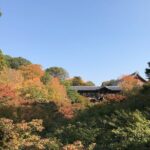
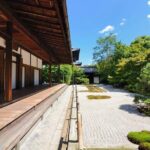
After zazen, you slow down again—this time in a garden known for its long-standing design. Jusho-in’s garden is attributed to Eitoku Kano, a renowned 16th-century painter, and it’s said to remain unchanged since its creation. That’s rare in a place with centuries of history.
What you’ll notice is how the garden changes with the seasons. Cherry blossoms in spring, fresh greenery in summer, autumn leaves, and snow in winter. Even if you’re only there for a short time, your senses get a clear pattern: attention plus nature equals easier calm.
Sitting meditation is hard for most people because it’s not about visual stimulation. Yet a garden helps. It gives you something calm to anchor in the periphery, and it provides natural cues for breathing and posture. It’s a quiet background that supports the practice without turning it into a performance.
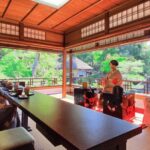
Several participants also highlight the view from a small setting overlooking the garden. If you enjoy a sense of enclosure—stillness held inside stone walls—this place delivers that feeling.




Matcha and sweets: the Zen connection that actually makes sense
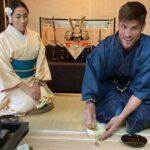
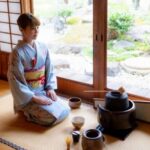
Here’s the part I think many visitors underestimate: tea isn’t just a break. You’ll learn about matcha and its history from Eitetsu Nishida, and then you’ll drink matcha with traditional seasonal sweets.
The value isn’t only taste, although the matcha and wagashi (Japanese sweets) are often praised as a highlight. It’s the way the experience turns tea into a lesson in awareness. You’re taught how to receive and drink the tea properly, which is basically Zen training for your hands, your timing, and your attention.
It also helps that the sweets are paired to the tea. Multiple people mention the thoughtful pairing and the refined presentation. You’re not just eating something sweet to recover from meditation. You’re tasting with intention, which makes the whole morning feel connected instead of segmented.
If you’re a matcha fan, this is a chance to understand it in context—what it means culturally, and how it fits into a life of mindful practice. If you’re not a matcha fan yet, you might still enjoy it because the ceremony-style guidance keeps you from treating it like a random drink.
The photographer and the commemorative photo keepsake
Most temple visits don’t include any formal photo help. Here, you’ll have a photoshoot during the experience, using a single-lens reflex camera. You then receive the photo data as a keepsake within a few days after your tour ends.
That’s practical for two reasons. First, it means you don’t spend your focus arranging shots while you’re supposed to be practicing calm. Second, it gives you images that actually match what you did—meditation posture, the tea moment, and the temple atmosphere—without you hunting for angles the whole time.
Don’t expect this to replace your own travel photos of Kyoto. Instead, think of it as documentation of your one-of-a-kind practice day.
Price and time: is $109 worth it?
For $109 per person, you’re getting about two hours of guided Zen practice plus tea, sweets, and a temple entry ticket. That’s not a bargain in the “cheap ticket” sense. But it’s not just a “tour of a temple,” either.
Here’s what you’re paying for:
- Temple entry and participation in the program
- Instruction and a chief-priest sermon
- Matcha and Japanese sweets
- Photographer coverage and later photo data
- A live English-speaking guide to keep everything clear
When you compare this to doing zazen “on your own,” the real value is support. Zazen has a learning curve. You don’t have to be a scholar to sit well, but you do need someone to show you how. The short, structured format (two 20-minute rounds) also reduces the risk of choosing the wrong approach and losing an entire morning to frustration.
If you want a quiet experience near Kyoto that’s focused on practice rather than crowds, the price is easier to justify.
Who should book this Zen zazen and tea experience
This is a great fit if you:
- Want a calmer Kyoto day away from the crush
- Are curious about Zen and want direct experience, not just lectures
- Do meditation or yoga sometimes and want a real-world model
- Want an experience that works for couples and solo visitors who still want human guidance
- Prefer small-group energy (private or small groups are available)
It may be less ideal if you:
- Need full wheelchair accessibility (this experience is not wheelchair accessible)
- Know you can’t handle sitting upright, even with chair support
- Expect a casual, flexible pace. This is structured to protect silence and ritual flow.
It’s also a good choice for a rainy morning, since the program runs rain or shine and the temple atmosphere can actually feel more grounding when the weather is gray.
Small practical tips so you enjoy the day
A few things help your experience go smoothly:
- Bring layers. Kyoto can feel cold inside temple spaces, especially if doors face the garden.
- Consider chair seating if you’re unsure about floor posture.
- Skip the rented kimono if you want the easiest time meditating.
- Ask questions during the Q&A. This is where the Zen philosophy becomes practical for daily life.
- Don’t rush the tea. The ceremony-style guidance is part of the learning.
Should you book this Kyoto Zen experience?
Yes, I’d book it if you want a meaningful, quiet Kyoto experience built around zazen practice and matcha rather than sightseeing checklists. Two hours is short enough to fit into a busy trip, and the structure (two 20-minute meditations plus tea afterward) makes the whole thing feel achievable for beginners.
Skip it only if you strongly need wheelchair access or if you know sitting practice won’t work for you at all. Otherwise, this is one of those rare travel moments where you leave with more than photos—you leave with a calmer way to pay attention, even after the day ends.
FAQ
How long is the Kyoto Zen experience at Jusho-in?
It lasts about 2 hours, including the explanations of zazen and the tea experience.
What happens during the meditation part?
You’ll do two sets of 20-minute zazen sessions with guidance, plus a chief priest sermon and time for Q&A.
Is the tour taught in English?
Yes. It’s a live tour with an English guide.
Do I get matcha and sweets?
Yes. After the meditation, you’ll learn about matcha and then enjoy matcha with traditional seasonal Japanese sweets.
Will I receive photos from the experience?
Yes. A photographer takes photos during the tour, and you receive the photo data a few days after the experience.
Is this experience wheelchair accessible?
No. It is not wheelchair accessible, though chairs are available for those who need assistance during zazen.
Does it run rain or shine, and what about free cancellation?
It runs rain or shine. Full refunds are available for cancellations up to 24 hours before the tour starts.