Quiet can be taught.
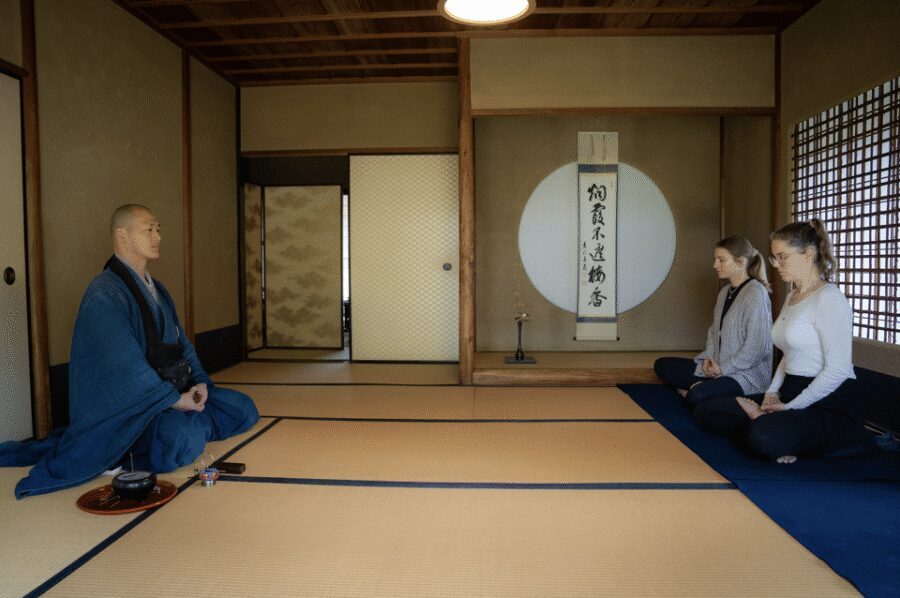
This Kyoto experience pairs a monk-led Zazen lesson with a calm, respectful setting inside a temple that is not open to the public. You’ll get a short culture intro, a lecture on Zen meditation principles and techniques, then guided practice where breathing and posture get real attention. It ends with a tea ceremony and a chance to chat with the monk, plus photos of the temple and gardens.
I especially liked the way the English translation makes Zen practical, not just mysterious, with guides such as Kohtaro and Soma mentioned in past sessions. I also like the pacing: lecture, practice, then quiet garden viewing with matcha tea (and sweets). One drawback to consider is that the session is not for everyone, including people with mobility impairments, claustrophobia, or fear of heights.
In This Review
- Key things I think you’ll care about
- Kyoto Zen at a Temple Most People Never See
- Kodaiji Park Meet-Up and the 10-Minute Walk In
- The Monk Lecture: Zazen Principles and Techniques You Can Use
- Guided Zazen Practice: Breathing, Posture, and Letting Go
- Tea Ceremony After Practice: A Soft Landing in the Gardens
- Photography With the Monk and the Temple Grounds
- Price and Value: Is $91 Worth 90 Minutes?
- Who Should Book This Zen Meditation Session (and Who Should Skip It)
- Should You Book This Private Temple Zen Meditation in Kyoto?
- FAQ
- Where is the meeting point?
- How long is the experience?
- Is transportation included?
- What language is the tour taught in?
- What’s included in the session?
- Is the experience suitable for kids or mobility needs?
Key things I think you’ll care about
- A monk actually leads the meditation space, not just a demo of meditation
- Zazen instruction is guided, including how to sit and how to focus your breathing
- Tea ceremony and garden time come after you practice, not before
- English translation matters here, and the guides are a big part of the flow
- Photo time is included, so you can capture the temple and your moment with the monk
Kyoto Zen at a Temple Most People Never See
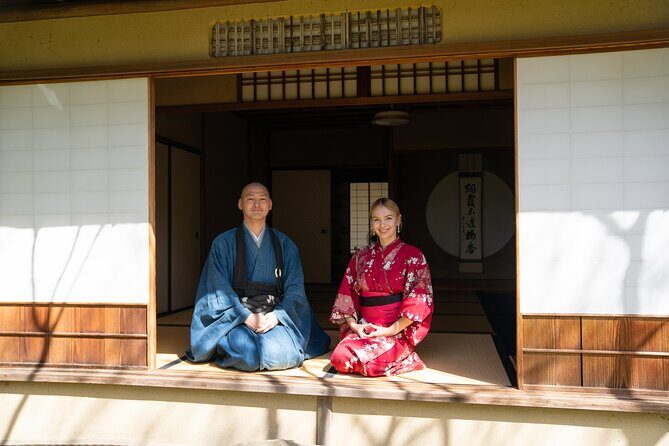
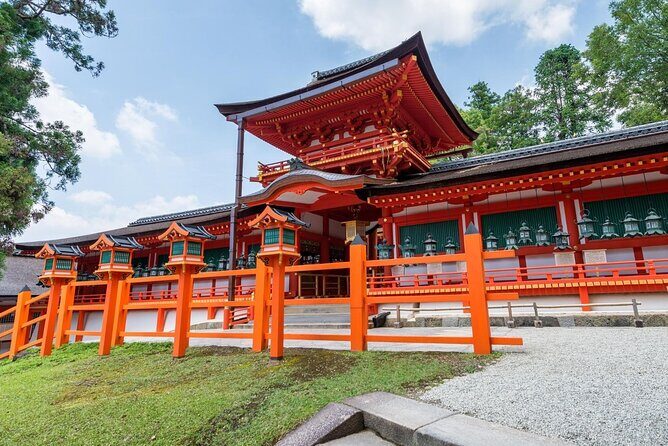
Kyoto is full of temples. This one is different. You’re not doing a quick photo stop in a crowded complex—you’re stepping into a temple setting that’s described as not open to the general public, which changes the whole feel of the visit.
You’re also getting real interaction with the people who practice there. The monk shares the principles and techniques of Zazen, the seated meditation practice at the heart of Zen Buddhism. And because your experience includes guided translation into English, you’re not left guessing at what the lesson means. That combination—direct teaching plus clear communication—turns what could be a quiet activity into something more like a short class with a living teacher.
There’s a theme running through the description: you’re meant to cultivate inner calm and self-awareness. The instruction is not framed as a performance. It’s framed as practice: unify your mind, detach from ego and worldly concerns, and use rhythmic breathing as a tool for steadiness.
A few more Kyoto tours and experiences worth a look
Kodaiji Park Meet-Up and the 10-Minute Walk In
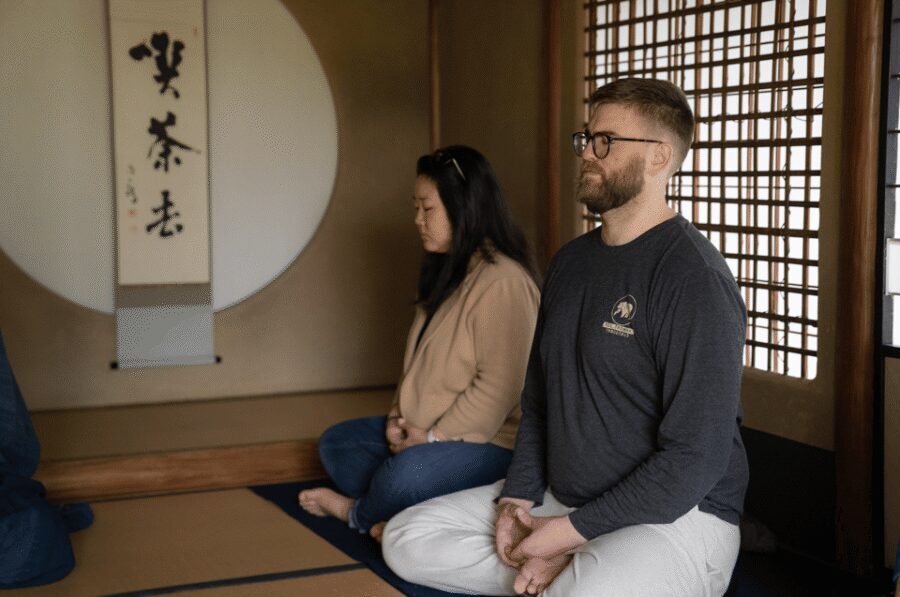
Your start is at Kodaiji Park. The meeting point detail is very specific: you meet at the toilet in Kodaiji Park, on the northern side, and the guide waits there.
That sounds minor, but it matters because this type of experience runs on punctual quiet. If you show up late, you’ll miss the calm build-up and the monk’s timing. Also, if you rely on map pins that don’t match the described spot, you could end up wandering a deserted park area wondering where the group is. My practical advice: arrive a few minutes early and double-check the guide’s message for exact positioning.
Once you meet, you walk about 10 minutes on foot to reach the temple. That short walk is long enough to shift your mindset from sightseeing mode to practice mode. It’s also convenient: you’re not committing to a long hike or exhausting transfer before you sit down to meditate.
The Monk Lecture: Zazen Principles and Techniques You Can Use
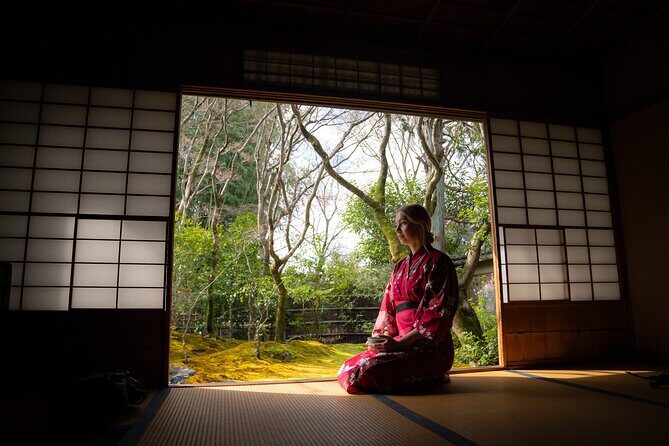
The centerpiece is the guided lecture and instruction on Zazen. This is where the experience becomes more than just sitting quietly. You’ll learn the principles behind Zazen and the techniques you’ll use during practice, including how to sit and how to breathe rhythmically.
The tour format is set up so you’re not pushed into silence immediately. First comes the brief orientation and cultural context, then the monk’s talk. That flow helps if you’re a beginner, because it explains what you’re doing and why you’re doing it. It also helps experienced meditators, because it gives a structured approach rather than a random sitting session.
In past sessions, people have described feeling supported during the teaching—especially around posture and focusing the mind. That matters because a lot of meditation instruction fails when it becomes too abstract. Here, the instruction is framed as practical: learn the technique, then try it with guidance.
One more detail worth noting: you’re allowed to ask questions after meditation. The monk discussion isn’t just a polite goodbye. People have come away feeling like they could bring real mental clutter into the conversation and get thoughtful responses, through the guide’s translation.
Guided Zazen Practice: Breathing, Posture, and Letting Go
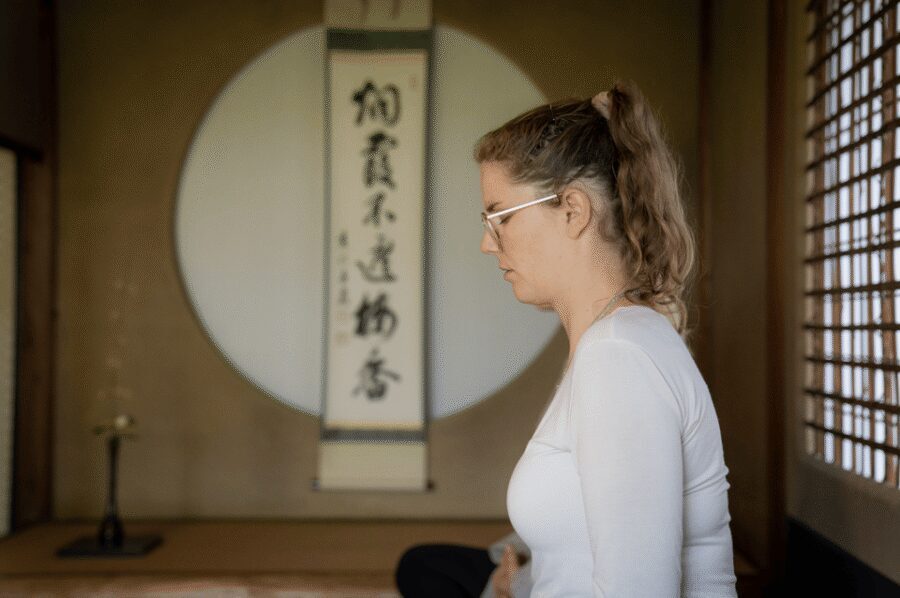
Now you sit. The experience includes the practice of Zazen as part of the 90-minute total, with the guided session happening at the temple.
From the description, the goal is not mystical. It’s functional. You’re meant to unify your mind, confront yourself, and detach from ego and worldly concerns. Rhythmic breathing is specifically highlighted as part of the method. So you’re not just told to be calm—you’re given a way to get there.
If this is your first time meditating, you’ll likely appreciate the structure. People have noted that they felt more confident practicing afterwards because they learned a method they could repeat at home. If you already meditate, you may still like having a monk-led session with a clear emphasis on technique rather than self-guided wandering.
The temple setting also supports focus. It’s quiet, the gardens are close by, and you get the sense you’re in a routine built around attention. That makes it easier to follow the session without constantly scanning your surroundings like it’s a show.
Tea Ceremony After Practice: A Soft Landing in the Gardens
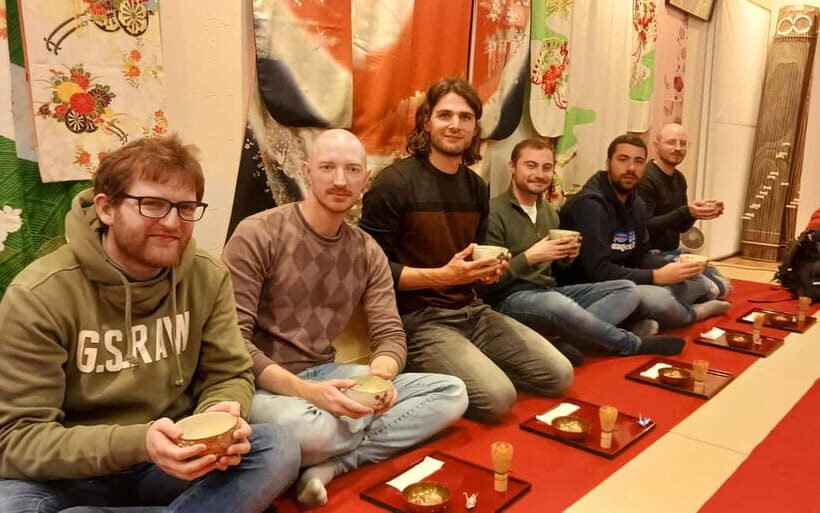
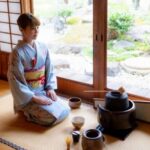
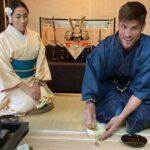
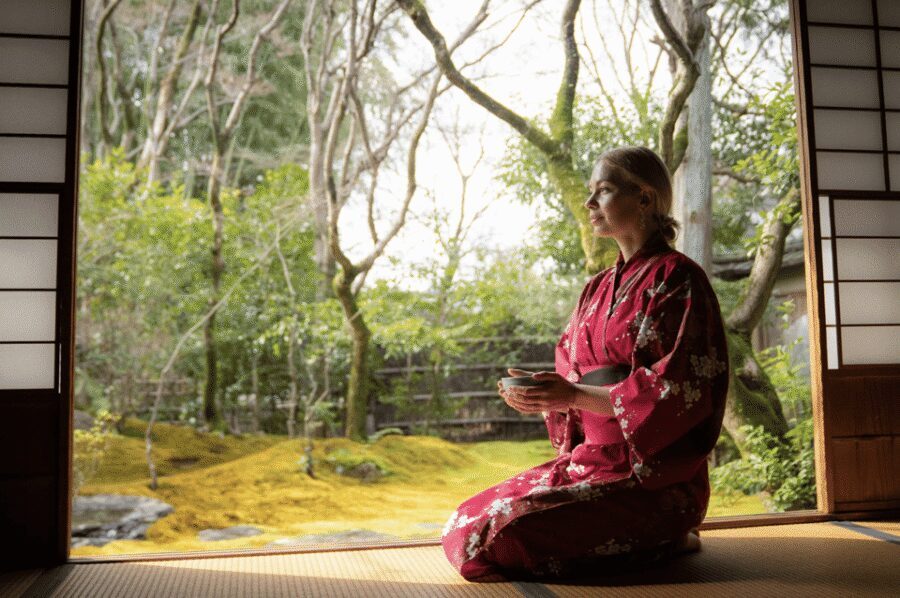
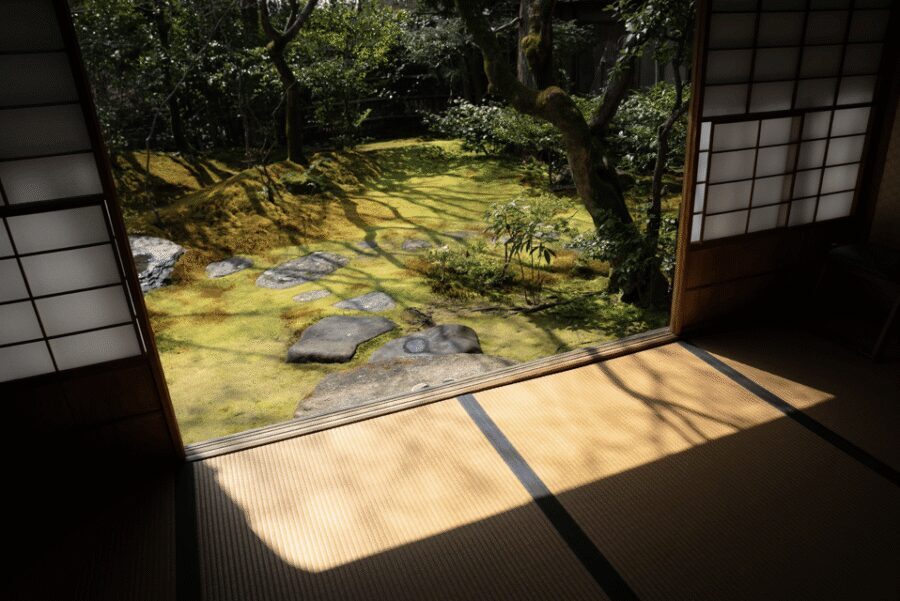
After meditation, the experience finishes with a tea ceremony. You also get to enjoy a view of the temple gardens while you drink tea.
This is a smart ending. Meditation can leave you too aware of your own thoughts if you simply stand up and leave. Tea and garden viewing act like a transition. You get a gentle wrap-up moment where your mind can settle back into the real world without snapping out of calm.
Matcha tea and sweets are mentioned in session feedback, and the overall description clearly points to tea as part of the ceremony. Even if you think you’re not a tea person, this part is about rhythm and mindfulness as much as taste. The gardens add the visual anchor: you’re not just eating and moving on.
Other private tours in Kyoto


Photography With the Monk and the Temple Grounds
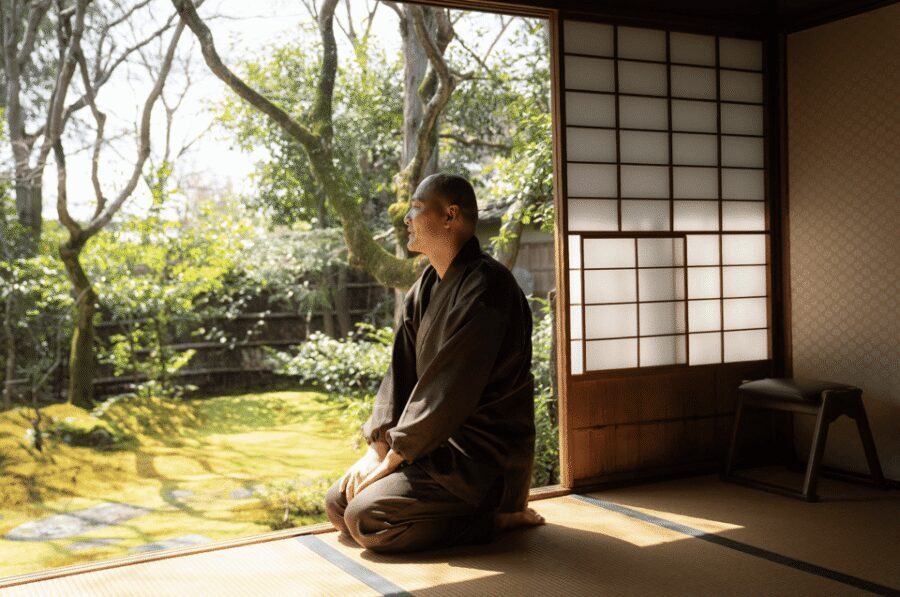
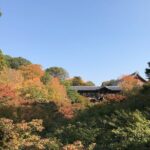
You can take photos with the monk and of the temple and its picturesque gardens. That’s one of the most practical perks of choosing this over a purely spiritual retreat with no visitor interaction.
If you care about photography, plan to bring a fully charged phone or camera and keep it accessible. The photo moments are part of the flow, not an extra request you have to invent on the spot.
That said, keep in mind that this is a meditation setting. The monk discussion and the garden stroll are part of the experience, so treat the timing like a respectful visit: follow your guide’s cues and don’t turn it into a sightseeing sprint.
Price and Value: Is $91 Worth 90 Minutes?
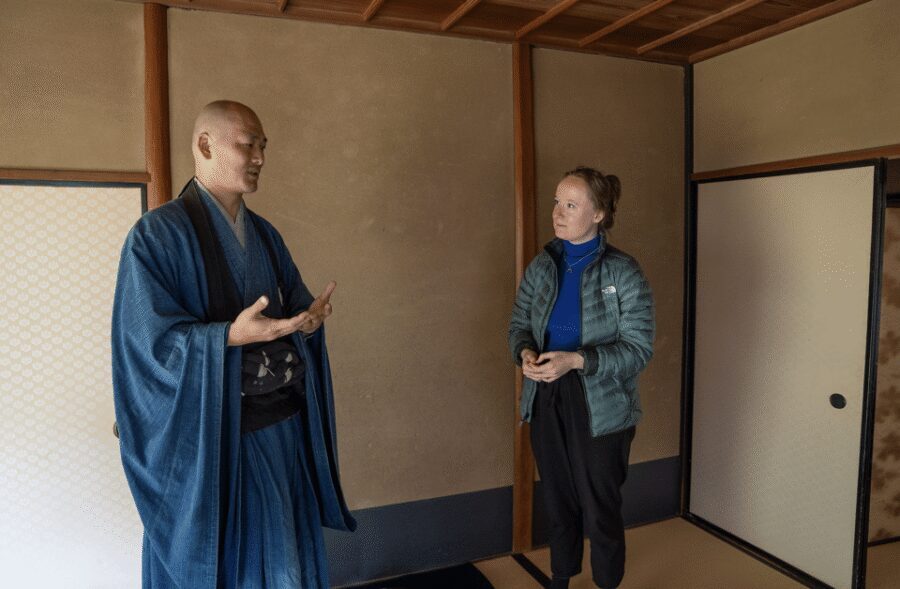
At $91 per person for about 90 minutes, you’re paying for three things that are hard to DIY in Kyoto: access to a temple not open to the public, a monk teaching directly, and an English-speaking guide translating the lesson.
Could you sit at a temple somewhere else for free? Sure. But most DIY options give you atmosphere without instruction. This experience does the opposite: you’re paying to make the practice understandable and personal, with a guided technique lesson plus a question-and-answer conversation.
It also helps that the time feels intentional. You’re not spending half the day commuting or waiting around. The walk from Kodaiji Park is short, the temple time is focused, and the ending includes tea and gardens so you don’t feel rushed back into Kyoto crowds.
In plain terms, if your priority is authentic Zen practice with real context—this price can feel fair. If your priority is maximum sightseeing per hour, you may prefer another Kyoto temple tour with broader coverage.
Who Should Book This Zen Meditation Session (and Who Should Skip It)
This experience is a good fit if you want a calmer, more personal Kyoto moment than the usual temple circuit. It works well for people who:
- want to learn the basics of Zazen with instruction
- like quiet, structured activities
- want time for questions with a monk
- appreciate tea ceremony culture and garden atmosphere
- prefer private or small group settings
It’s not suitable for children under 12, and it isn’t recommended for people with mobility impairments, claustrophobia, or fear of heights. Those limits matter because you’ll be sitting and moving inside a temple environment. If any of those concerns apply, you’ll likely feel stressed rather than calm.
Also, consider your expectations. This is not a showy cultural performance. It’s practice-focused. If you show up ready to sit, breathe, listen, and ask questions, you’ll probably leave satisfied.
Should You Book This Private Temple Zen Meditation in Kyoto?
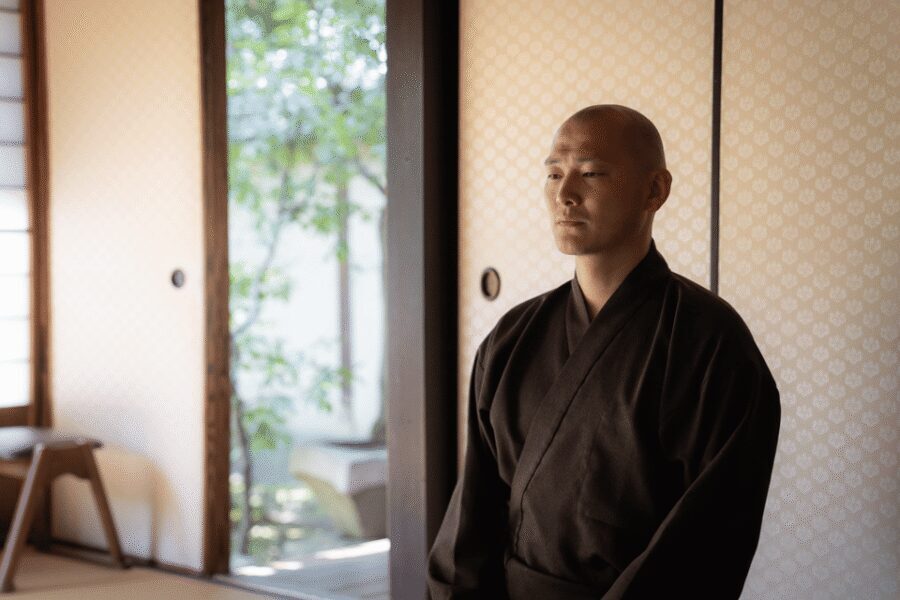
If you want one Kyoto activity that feels like real practice, not just sightseeing, I’d book it. The biggest wins are the monk instruction, the clear English guidance from professionals like Kohtaro or Soma (names vary by session), and the way the session ends with tea and garden calm.
I would hesitate only if you’re uncomfortable with meditation settings, have the listed unsuitability concerns, or you’re looking for a broad, high-volume temple tour. For everyone else, this is one of those experiences that helps Kyoto feel human. You walk in thinking meditation is hard to understand. You walk out with a technique you can remember and a calmer way to hold your attention.
FAQ
Where is the meeting point?
Meet at the toilet at Kodaiji Park. The guide waits on the northern side of the toilet.
How long is the experience?
The total duration is 90 minutes.
Is transportation included?
No, transportation is not included.
What language is the tour taught in?
The live guide is in English.
What’s included in the session?
It includes the Zen experience: entry to the temple, a lecture on meditation principles and techniques, and practice of Zazen. The experience also ends with tea and a discussion with the monk.
Is the experience suitable for kids or mobility needs?
It is not suitable for children under 12, and it is not suitable for people with mobility impairments, claustrophobia, or fear of heights.