A quiet temple lesson in Kyoto.
This small-group Zen meditation session lets you get direct monk guidance in a private temple setting that is usually closed to the public. You also get cultural context on Zen that feels practical, not just ceremonial, plus a chance to actually try the meditation in a calm space that makes it easier to focus.
Two things I especially love: the hands-on posture coaching (you will not guess your way through sitting upright), and the way the monk’s teaching comes across with clear translation. One possible drawback is that it is only about 1 hour 30 minutes, so if you want a long, slow meditation retreat day, this will feel more like a focused introduction than a full practice block.
In This Review
- Key Things You Should Know Before You Go
- Why This Kyoto Zen Session Feels Different Than a Standard Tour
- Finding Kodaiji Park First, Then Finishing at Nene-no-michi
- What the Monk Teaches You Before You Sit
- The Meditation Practice: Quiet Instructions, Real-Time Feedback
- Matcha Tea and Traditional Snacks: The Cultural Reset at the Right Time
- Duration, Group Size, and Why That Makes the Experience Work
- Price: Is $98.83 Worth It in Kyoto?
- Who Should Book This and Who Might Skip It
- Practical Tips So You Get the Most Out of Your 1 Hour 30 Minutes
- Should You Book Kyoto Zen Meditation at a Private Temple with a Monk?
- FAQ
- How long is the Kyoto Zen meditation at a private temple?
- Where do I meet for the tour?
- Where does the tour end?
- How big is the group?
- What’s included besides the meditation?
- Do I need a printed ticket?
- Is the temple normally open to the public?
- Is this experience suitable for most travelers?
- What is the cancellation policy?
Key Things You Should Know Before You Go
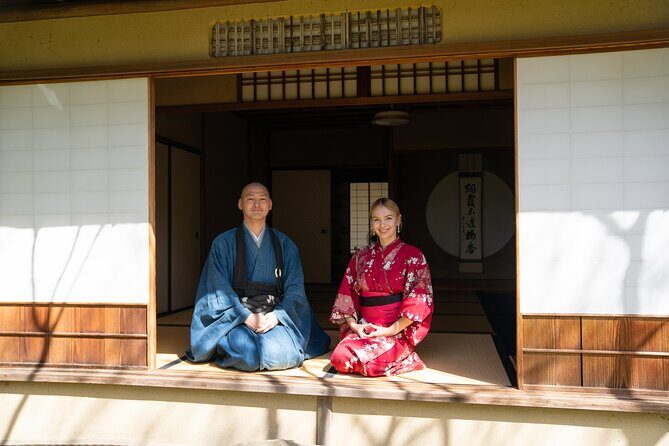
- Private temple access: you visit a temple that is typically closed to the public
- Monk-led instruction: you get Zen principles explained by a real monk, with translation support
- Small group size: a maximum of 9 people keeps it personal
- You practice, not just watch: after the intro, you sit and try meditation in the temple setting
- Matcha tea and traditional snacks: a calm pause that turns the experience into a full small ritual
Why This Kyoto Zen Session Feels Different Than a Standard Tour
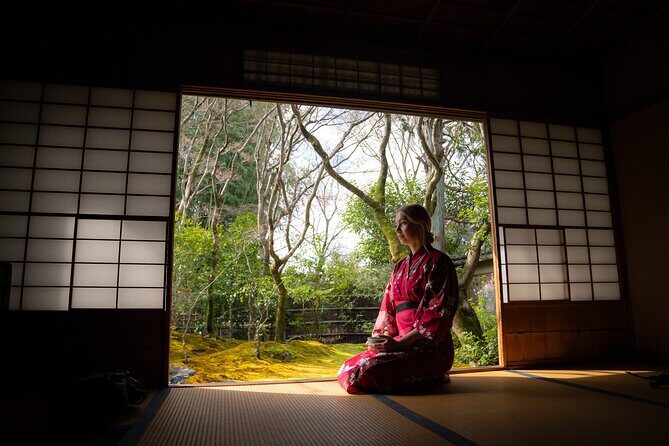
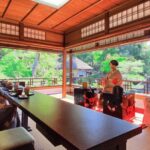
Kyoto can be a lot. Crowds at the big sights, lines for the famous photo spots, and a constant feeling you are rushing to keep up. This experience is the opposite tone. You are there for one purpose: Zen meditation, explained and practiced in a quiet temple space.
What makes it work is that it is not just a talk. You get a guided introduction to core ideas, and then you try sitting meditation yourself in that same atmospheric setting. That practical rhythm matters. When someone teaches you posture and attention, it turns meditation from a vague concept into something you can actually do.
I also like the cultural angle. You do not just learn what Zen is. You learn how the teachings show up in everyday Japanese culture and mindset. If you are the kind of traveler who likes your experiences to have meaning (and not only scenery), this hits that sweet spot.
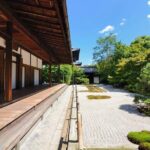
And because the temple is usually closed to the public, you do not feel like you are standing in the same routine as everyone else. You are stepping into a calmer world for a short window, and that changes the whole feel of Kyoto.
A few more Kyoto tours and experiences worth a look

Finding Kodaiji Park First, Then Finishing at Nene-no-michi
The meeting point is at Kodaiji Park, located at 463-28 Shimokawarachō, Higashiyama Ward, Kyoto. From there, you head to the nearby temple site. This matters because you do not waste time figuring out complicated transit for a short experience. You start where many people are already spending time, then you get guided onward.
The tour ends at Nene-no-michi in Shimokawarachō, Shimokawarachō, Kyoto. That finish spot is useful if you want to keep your day mellow afterward. You are not dropped back at the exact same spot you started. You leave the experience and can flow naturally into your next plan.
Practical tip: arrive a bit early near Kodaiji Park. Even if you are not late on purpose, Kyoto streets can slow you down with simple walking routes, turns, and crowd timing. A 1 hour 30 minute session moves fast once you are in it.
What the Monk Teaches You Before You Sit
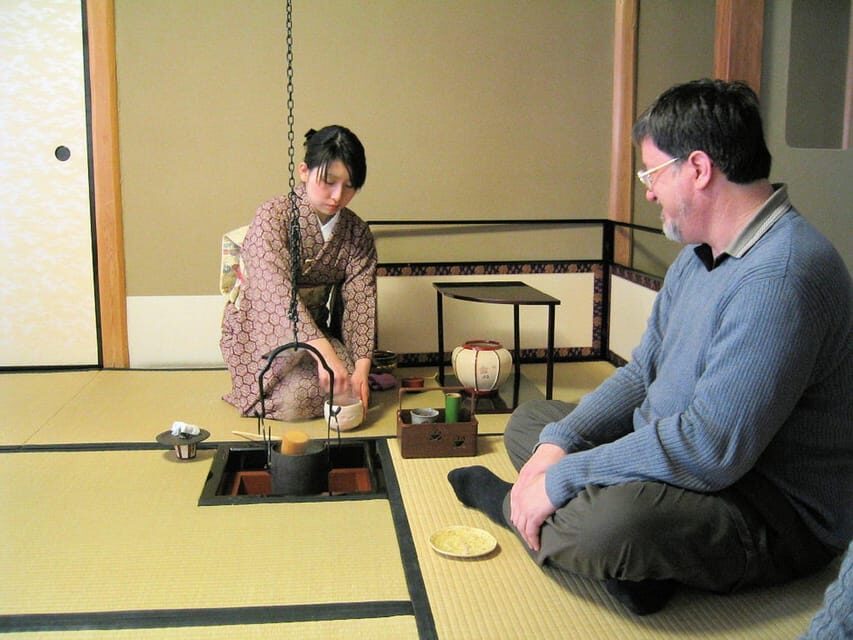
You will have a monk-led Zen session with translation support. The monk focuses on the core principles of Zen meditation and shares insights you would not typically hear in more public settings.
One of the most praised parts of the experience is how genuine and insightful the teaching feels. The monk explains in a way that is meant for real humans, not people trying to perform calmness. That tone helps, because meditation is hard when you feel self-conscious.
A standout theme from the teaching is posture. People often assume sitting meditation is mostly about closing your eyes and “trying hard.” Here, you get guidance on how to sit correctly and comfortably enough to stay focused. That makes a difference because posture is not a small detail. If your body is out of alignment, your mind will keep getting pulled away by discomfort.
You also get the kind of explanation that turns meditation into something you can understand. One example mentioned is the use of a metaphor to make the practice click. If you have ever heard meditation advice and thought, I get the words but not the meaning, this is the kind of instruction that turns ideas into something usable.
The Meditation Practice: Quiet Instructions, Real-Time Feedback
After the introduction, the session shifts from listening to doing. You get the chance to meditate inside the temple setting.
This is the part I think you should pay attention to as a traveler. Many tours offer “meditation experiences” that feel like a performance for the visitors. Here, the emphasis is on practice. The session is small enough that you can actually follow instructions without feeling lost.
You will likely feel the difference right away. In a private temple, sound behaves differently. You notice breath more easily. You stop checking your phone every thirty seconds. The environment does not do all the work, but it supports you.
If you are new to meditation, this is a friendly entry point. One review highlighted that the experience is accessible and educational, and that it reminded them of why meditation practice matters. That aligns with what you can expect: you leave not only calmer for the moment, but with a clearer mental framework for what to do next time you sit.
If you are more experienced, you still may appreciate the reminders. Even seasoned meditators can forget the basics, like aligning the body so the mind can settle. The monk’s coaching helps keep your practice grounded instead of drifting into habits.
Matcha Tea and Traditional Snacks: The Cultural Reset at the Right Time
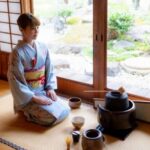
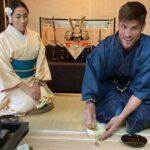
Meditation has a built-in problem for visitors: after you stop doing the practice, you might feel unsure what comes next. This experience solves that with a gentle finish built around matcha tea and traditional snacks.
This part is not just a sweet ending. It is a cultural pause. You transition out of the mental quiet and back into normal life, but in a paced way. In practice, that means you are not left standing in a temple doorway trying to figure out your mood.
Matcha also fits the theme. It is calm, focused, and tied to Japanese tea culture. The snacks add a familiar human element, so the experience feels complete rather than like a short ceremony with no landing.
If you are trying to experience Kyoto beyond temples-as-attractions, this tea-and-snack moment gives you a fuller slice of how rituals connect daily life with mind and body.
Other private tours in Kyoto


Duration, Group Size, and Why That Makes the Experience Work
The session runs about 1 hour 30 minutes. That is a sweet spot for first-timers. Long enough to get instruction and practice, short enough that you do not feel mentally overloaded.
The group size is capped at 9 travelers. For a meditation experience, small-group size is not a luxury. It changes the whole tone. Instructions land better. You can follow along without constantly turning your head to find the guide. And it feels more respectful in a temple environment.
Also, the experience uses a mobile ticket. That helps on travel days when your bag is already full and you do not want extra paper to manage.
From a value standpoint, you are paying for a rare combination: monk instruction, limited group access, and a private temple setting. Most meditation-style activities in big cities are either public demonstrations or generic classes. This one is built around a more specific setting and hands-on attention.
Price: Is $98.83 Worth It in Kyoto?
At $98.83 per person, this is not a budget add-on. So you should ask a clear question: what do you gain that you cannot get on your own?
Here is the math that matters:
- You get private temple access that is typically closed to the public. That alone is hard to replicate without local connections.
- You get monk-led guidance with translation. Self-guided meditation is fine, but it will not correct your sitting posture or explain Zen principles in a grounded way.
- You get structured practice within a specific time frame, with a teaching pace that works for most people.
If you are the type of traveler who enjoys cultural depth and wants a meaningful experience rather than a checklist, this can be good value. If you mostly want a casual taste of meditation with no instruction focus, you might find it pricey for what is ultimately a short session.
My take: it is best for people who want to learn something real. Not only feel calm for an hour, but leave with practical insight you can use again.
Who Should Book This and Who Might Skip It
This experience is a great match if you:
- want a calm, focused Kyoto activity away from the busiest tourist patterns
- are new to Zen and want clear basics, especially posture
- like small groups and respectful settings
- care about translation and guided explanations, not just a silent activity
It may be less ideal if you:
- expect a full-day retreat style schedule
- prefer large group tours with lots of movement and photos
- want a purely sightseeing-focused Kyoto plan
The key point: this is not a “look at a temple” tour. It is a meditation practice with cultural context, taught in a temple setting you cannot easily access otherwise.
Practical Tips So You Get the Most Out of Your 1 Hour 30 Minutes
To make the most of this short session, keep your expectations simple. You are not trying to master Zen by lunchtime. You are getting instruction, practicing once, and learning a few core takeaways.
Here are a few things that help:
- Wear comfortable clothing for sitting. Meditation is easier when your body is not fighting you.
- Plan your day so you are not rushing right beforehand. If you arrive stressed, it takes longer to settle.
- Be ready to follow the monk’s instructions closely during posture coaching. That is where many people feel the biggest benefit.
- Bring a curious, respectful mindset. Temple settings reward calm behavior.
Also, because the session includes matcha and snacks, you do not need to plan a separate tea stop. It is built in as part of the experience pacing.
Should You Book Kyoto Zen Meditation at a Private Temple with a Monk?
I think you should book it if you want a real introduction to Zen meditation in Kyoto, with instruction you can actually use. The strongest reasons are the monk-led teaching, the practice element, and the private temple atmosphere that makes the experience feel more personal than typical public demonstrations. Add in the matcha tea and snacks, and you get a complete, grounded cultural session.
Skip it if you are looking for a long, flexible experience or if you are shopping for something mostly sightseeing-based. This is about practice and learning, not temple hopping.
If your goal is to leave Kyoto feeling like you connected to a way of thinking—not just a place—this is a very solid choice.
FAQ
How long is the Kyoto Zen meditation at a private temple?
The experience lasts about 1 hour 30 minutes.
Where do I meet for the tour?
You start at Kodaiji Park, 463-28 Shimokawarachō, Higashiyama Ward, Kyoto, 605-0825, Japan.
Where does the tour end?
The tour finishes at Nene-no-michi, Shimokawarachō, Higashiyama Ward, Kyoto, Japan.
How big is the group?
The group size is limited to a maximum of 9 travelers.
What’s included besides the meditation?
The experience includes matcha tea and traditional snacks.
Do I need a printed ticket?
No. This tour offers a mobile ticket.
Is the temple normally open to the public?
No. You visit a private temple that is typically closed to the public.
Is this experience suitable for most travelers?
Most travelers can participate.
What is the cancellation policy?
You can cancel for free up to 24 hours in advance for a full refund, based on local time. If you cancel less than 24 hours before the start time, the amount paid is not refunded.