Kyoto, minus the guesswork. This half-day route strings together famous spiritual sites and quieter stops, with a guide so you’re not stuck decoding streets and temple lanes. I loved the crowd-smart routing and the way guides like Kenta and Mika explain Zen garden details in plain English.
One catch: you do climb. Expect a moderate amount of uphill walking and hiking, and the tour runs rain or shine, so your shoes matter.
You’re looking at about 4 hours total, starting at FamilyMart Nakai Tofukuji and ending at the Outer Oratory in Fushimi Inari. It’s a small group (max 8) and you use a mobile ticket.
In This Review
- Quick takes before you go
- Why this Kyoto walk works so well in 4 hours
- Start point near Tofuku-ji: getting oriented fast
- Gaun-kyo Bridge: maple views and a calm first beat
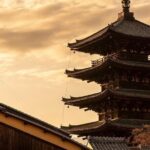
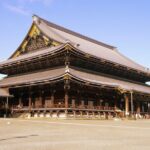
- Tofuku-ji’s Zen complex: stepping into a 13th-century rhythm
- Komyo-in Temple: the “secret Zen garden” payoff
- Araki Shrine: love prayers and relationship-focused rituals
- Fushimi Inari Yotsuji: a viewpoint break on the way up
- Kumataka Shrine: quieter spiritual energy away from the main torii path
- Okusha Worship Center of Fushimi Inari: ofuda, omamori, and goshuin
- Senbon Torii and the Hon-den: the iconic tunnel, plus a quieter sanctuary
- Price and value: what $78.83 buys you
- Who should book this tour, and who might want a different plan
- Should you book this Kyoto guided walk?
- FAQ
- Is the tour about 4 hours long?
- Where does the tour start and what time does it begin?
- How many people are in the group?
- Does the tour run in rain or shine?
- Will I need to do a lot of walking?
- Are admission tickets included?
- Is free cancellation available?
Quick takes before you go
- Secret Zen garden time at Komyo-in, where the atmosphere turns calmer the moment you step in
- Gaun-kyo Bridge viewpoints that frame maples and Tsutenkyo Bridge from a cozy, scenic angle
- Fushimi Inari without the worst crush, thanks to a route that includes viewpoints like Yotsuji
- Extra shrine stops (Araki, Kumataka) that add meaning beyond just torii photos
- Omamori/ofuda/goshuin access at Okusha Worship Center of Fushimi Inari Shrine
- Small group pacing: you can move at your comfort level, with guide support throughout
Why this Kyoto walk works so well in 4 hours
Kyoto is big on temples, but planning them without a guide can turn into trivia homework. This tour takes the thinking out of it. You follow one logical path, with just enough time at each place to actually notice what’s in front of you.
For me, the big win is that it doesn’t feel like a race through landmarks. The route also mixes “icon” stops with lesser-known pockets, so you get photos and still leave with a sense of place. Even the scenery reads differently when you’re walking with context.
And since the group is capped at eight, you’re not battling shoulders while you try to listen. That alone makes the experience feel more personal.
A few more Kyoto tours and experiences worth a look


Start point near Tofuku-ji: getting oriented fast
You meet at FamilyMart Nakai Tofukuji (in the Higashiyama area) at 9:00 am. That starting spot matters because it puts you near the Zen sites before the day gets too hot and busy.
Your guide keeps the day organized, but you still get room to breathe. One of the best practical touches is pacing. I like that you’re not forced to match a group speed that’s too fast for comfort, especially when you hit uphill stretches.
Also, plan to bring comfortable walking shoes. The tour includes hiking-like temple paths, and you’ll feel it more if your shoes are more fashion than function.
Gaun-kyo Bridge: maple views and a calm first beat
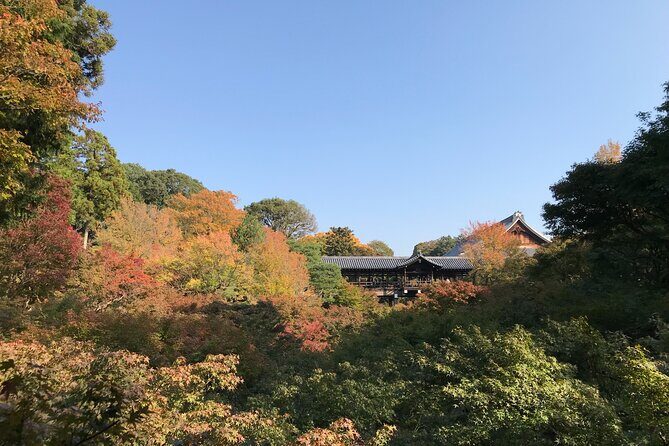
The tour starts with Gaun-kyo Bridge, a wooden bridge over a lush valley. The view is the kind you pause for: you can take in the scene below and look across toward Tsutenkyo Bridge, with maple trees filling the layers of the valley.
This is a smart opening stop. You’re not dropped into torii gates immediately. Instead, you get an early “Kyoto feel” moment—wood, height, and quiet—before the spiritual walking begins in earnest.
Practical note: it’s only about five minutes here. So don’t treat it like a long photo session. Hit the viewpoint, take your shots, and move on while the light and the atmosphere are still easy.
Tofuku-ji’s Zen complex: stepping into a 13th-century rhythm
After Gaun-kyo Bridge, the route brings you to one of Kyoto’s major Zen temples founded in the 13th century. Think of this as your mental reset. The focus here is not just buildings—it’s the way Zen temples are designed to create stillness, even when you’re walking through them.
You get guided context for what you’re seeing, which helps the experience land. Without that background, temples can blur into pretty architecture. With it, you start noticing patterns: where you’re meant to slow down, where the garden spaces signal a different pace, and how worship areas connect to daily monastic life.
If you want a short introduction to Zen ideas and meditation, this is where it starts to make sense. The tour doesn’t lecture; it frames what you’re looking at so you can connect it to the site.
Komyo-in Temple: the “secret Zen garden” payoff
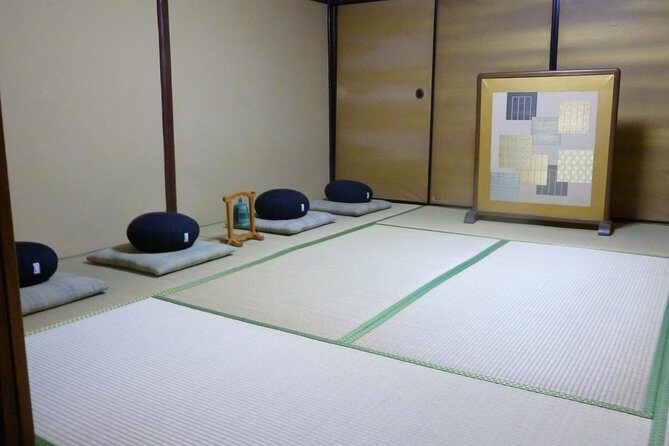
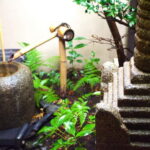
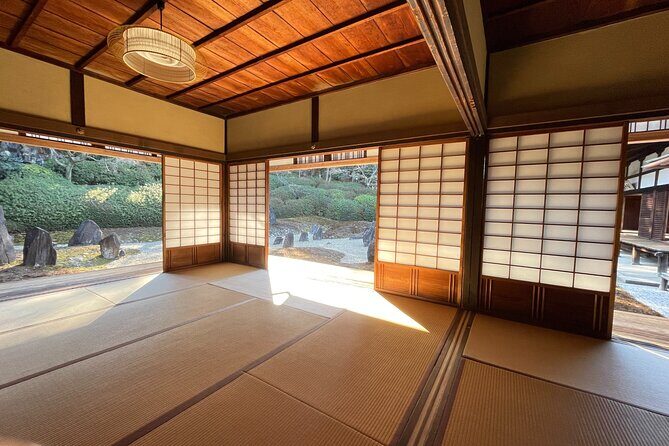
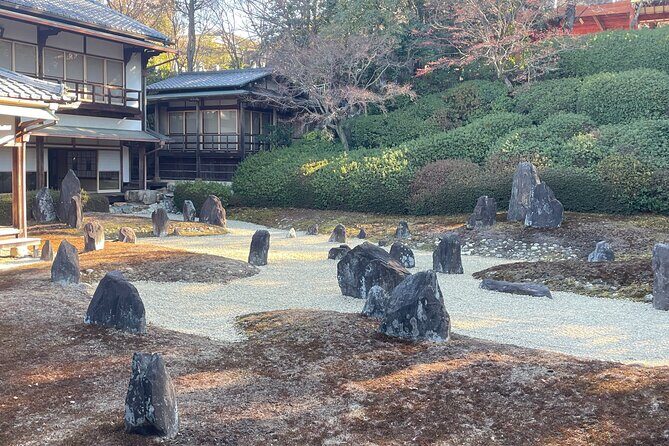
Komyo-in Temple is where the day feels like a hidden Kyoto chapter. This sub-temple is known for a Zen garden and a quiet atmosphere, and the admission is included.
In practice, this stop is the emotional center of the tour. You get time to slow down and look without feeling rushed by the next photo request. The garden experience works best if you take your time and let your eyes adjust. Stone, placement, and empty space are part of the design, not just decorations.
You’ll spend about 25 minutes here. That’s long enough to soak it in if you’re paying attention, but not so long that you start losing momentum. I like that balance.
If you’re the type who can spend 10 minutes staring at a single garden scene, you’ll really enjoy this part.
A few more Kyoto tours and experiences worth a look

Araki Shrine: love prayers and relationship-focused rituals
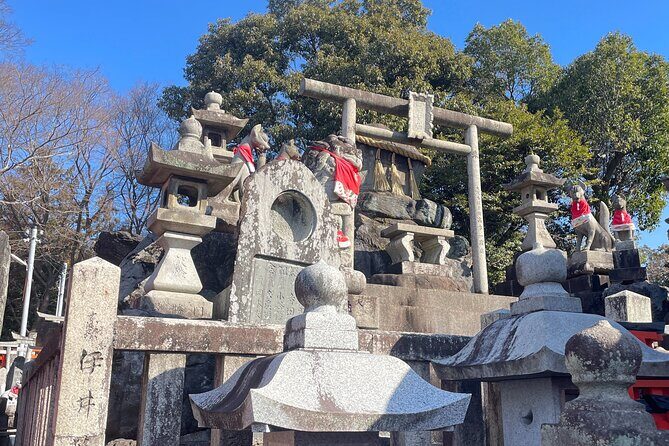
From Zen temple calm, you head to Araki Shrine. People visit this shrine to pray for love, strong relationships, and general wellbeing. It’s a meaningful stop—especially if you’re traveling as a couple or you want something more personal than postcard sightseeing.
This is not a long stop (about 10 minutes), and that’s fine. The goal isn’t to turn it into a ceremony; it’s to understand why the site matters and what visitors come for.
One advantage of having a guide here is that you get the “why” fast. You’re not just walking past a small shrine wondering what you’re supposed to notice.
Fushimi Inari Yotsuji: a viewpoint break on the way up
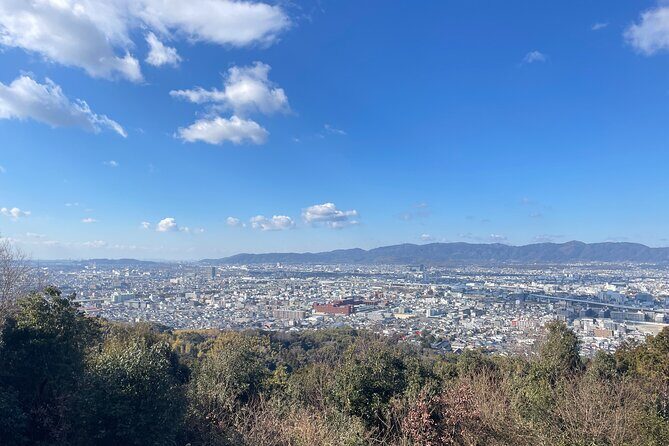
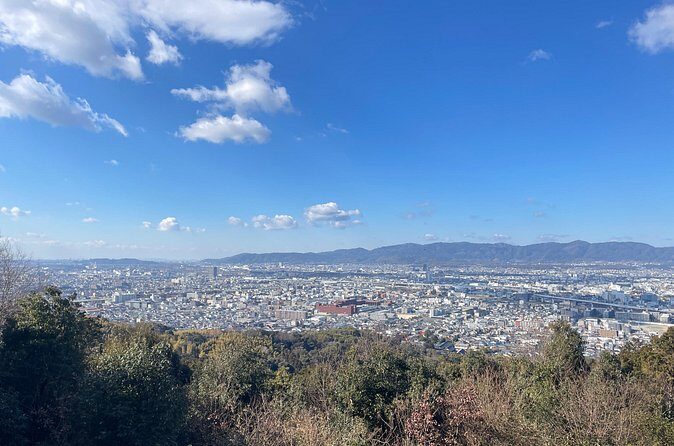
Next comes Fushimi Inari Yotsuji, the four-way crossroad area along the main trail. The highlight here is the viewpoint—an opportunity to step back from the torii tunnel energy for a moment and admire a scenic panorama.
This stop is about 20 minutes. That’s enough time to catch photos and also regroup before you move deeper into the densest torii stretches.
What I like about putting a viewpoint break mid-walk is mental. You stop feeling like you’re just moving from gate to gate. You also get a better sense of how the trail flows and where people gather, so the later walking feels more manageable.
Kumataka Shrine: quieter spiritual energy away from the main torii path
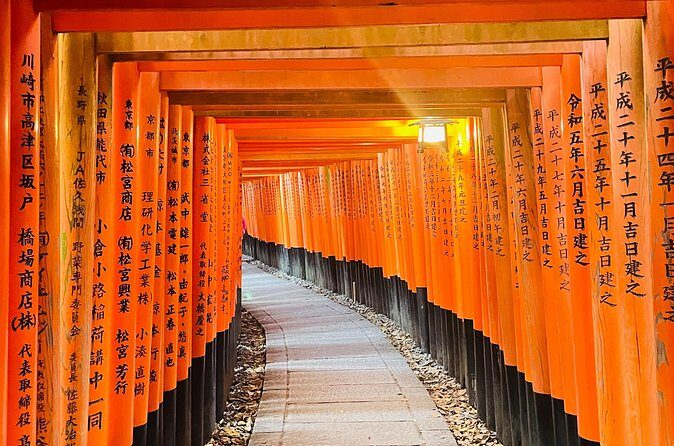
Then the route shifts to Kumataka Shrine, which is described as secluded and mystical. It’s believed to be a place with strong spiritual energy, but the real-life takeaway is how different it feels from the torii lanes nearby.
This is one of those stops that makes the tour more than “just Fushimi Inari.” It gives the day variety: shrine calm, fewer people, and a chance to see a different side of the area’s spiritual landscape.
It’s a short stop (about 15 minutes), but that’s exactly right for a quieter shrine setting. You get enough time to absorb the atmosphere without letting the rest of your day scatter.
Okusha Worship Center of Fushimi Inari: ofuda, omamori, and goshuin
Now you’re inside the Fushimi Inari complex again, at the Okusha Worship Center of Fushimi Inari Shrine (also tied to Nosatsusho in the tour info). This is the place where you can obtain sacred items like ofuda (amulets) and omamori (charms), plus goshuin shrine stamps.
This stop is only about 10 minutes, so it helps to know what you want before you arrive. If you’re collecting goshuin, bring your planned plan: what book, what style, and how much time you want to spend deciding.
Even if you’re not buying anything, it’s a valuable pause because it shows the practical side of shrine culture. The torii gates are the headline, but the worship center is part of the living system—what people actually do while they’re here.
Senbon Torii and the Hon-den: the iconic tunnel, plus a quieter sanctuary
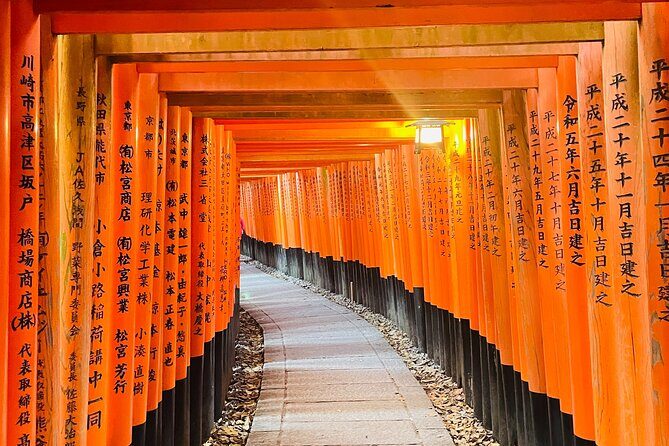
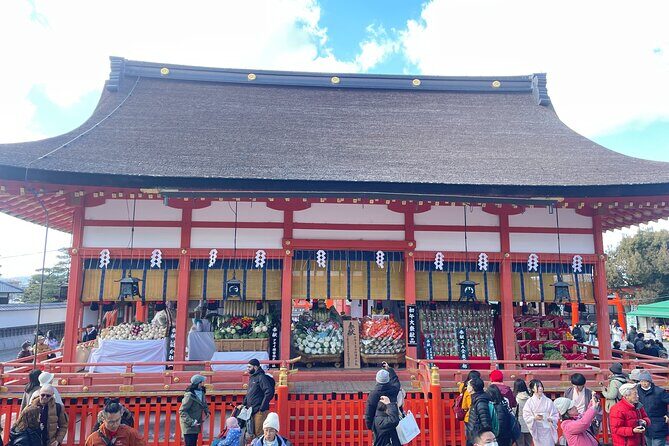
Eventually you reach Senbon Torii—the famous pathway of thousands of vermilion torii gates. This is where the tour earns its most recognizable photos. Walking through that tunnel gives you the classic Fushimi Inari feeling: repetition, rhythm, and the sense of being led onward.
That said, the tour approach keeps things practical. Because you’re not charging through with the entire day’s crowd flow, you get more breathing room while still seeing the key spots.
You then end at Fushimi Inari Taisha Honden (Sanctuary), the main shrine area. Even though the gates and fox statues grab attention, the hon-den serves as a quieter worship setting. It’s a good way to close the tour because it shifts the focus back to the religious purpose of the space.
The tour ends at the Outer Oratory, in the Fushimi Inari area. From there, you can decide how much deeper to go on your own, or take your time leaving when your legs finally surrender.
Price and value: what $78.83 buys you
At $78.83 per person, you’re paying for three things: guided routing, time efficiency, and context at multiple sites.
Here’s the value math that matters:
- You cover several major locations in a single morning stretch without needing to self-plan every connection.
- You get explanations tied to Zen and shrine meaning, not just ticket scanning.
- At least one admission is included (Komyo-in Temple), while other stops are listed as admission free.
I also think the small group size is part of the value. When you’re not packed in, you can ask questions and hear answers. That’s not a luxury detail; it changes what you actually learn while you walk.
If you’d rather spend your time reading offline before the trip, you can DIY this route. But if you want less stress and more understanding on your feet, this price starts to look fair.
Who should book this tour, and who might want a different plan
This tour is a great fit if you want:
- a first-timer-friendly introduction to Kyoto temple culture
- a walk that mixes famous sights with quieter spiritual stops
- a guide who can keep the day understandable and paced
It’s also a good choice for couples and small groups. Araki Shrine adds a personal angle, and the overall vibe feels calm rather than chaotic.
You might want to choose another option if you:
- hate uphill walking or struggle with longer temple paths
- want only the most famous “must-see” spots without detours into smaller shrines
- dislike rain-day plans (this one runs rain or shine)
Should you book this Kyoto guided walk?
Yes, if you’re trying to get the most meaning out of a short window in Kyoto. The strongest reasons are the pacing, the crowd-smart approach, and the fact that you don’t just see Fushimi Inari—you also learn what makes the spiritual sites around it feel connected.
Book it especially if you like guided explanation you can follow without effort. Guides like Kenta and Mika show you where to look and how to understand what you’re seeing, and the small group format makes those moments actually land.
FAQ
Is the tour about 4 hours long?
Yes. The tour duration is listed as about 4 hours.
Where does the tour start and what time does it begin?
It starts at FamilyMart Nakai Tofukuji (12-chōme-232 Honmachi, Higashiyama Ward, Kyoto) with a start time of 9:00 am. It ends at the Outer Oratory (58 Fukakusa Yabunouchichō, Fushimi Ward, Kyoto) in Fushimi Inari Shrine.
How many people are in the group?
The tour has a maximum of 8 travelers.
Does the tour run in rain or shine?
Yes, the tour will take place rain or shine.
Will I need to do a lot of walking?
You should expect a moderate amount of walking and hiking, including uphill sections. Comfortable walking shoes are recommended, and the tour calls for moderate physical fitness.
Are admission tickets included?
Komyo-in Temple admission is included. Other listed stops in the itinerary are marked as free.
Is free cancellation available?
Yes. You can cancel for a full refund up to 24 hours in advance of the experience’s start time.