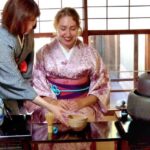
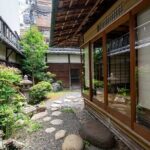
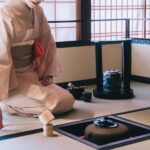
Tea in Kyoto should feel calm and hands-on. This one is built for that sweet spot, with a short visit to a 100-year-old machiya where you actually make matcha and finish with samurai armor photos. I love the combo of traditional tea craft plus a modern matcha latte, and I like that the host (Maya) uses clear English and keeps the mood playful. One thing to keep in mind: the whole experience is short (about 1 hour 20 minutes), so it is more workshop-style than a long, slow full ceremony.
The setting matters here. You’re not doing tea at a generic venue, you’re in a Kyoto townhouse setting that keeps the class focused and quiet, then you move into fun photo time.
For planning, you’ll like that it’s a small group (maximum 10), near public transportation, and you get a mobile ticket. The meeting point is straightforward, and the activity ends back where you start.
In This Review
- Key highlights I think you’ll care about
- Kyoto machiya + matcha class: why the setting actually helps
- Inside the tea ceremony: history, performance, then you take over
- Seasonal wagashi: the sweet side of Kyoto tea culture
- Matcha latte mastery: the modern twist that actually makes sense
- Samurai armor photo session: instant fun with a real wow factor
- How long is it, really, and how it fits your Kyoto day
- Price check: what $71.74 buys you in Kyoto
- Getting there: the meeting point is easy to find
- Who should book this Kyoto tea ceremony + samurai photos?
- Should you book this tea ceremony with samurai armor?
- FAQ
- How long is the Kyoto tea ceremony and samurai photo session?
- What’s included in the experience?
- Where does the tour start?
- Is this a small group activity?
- Do I receive a mobile ticket?
- Is there an English-speaking instructor?
- How much does it cost?
- When should I book?
- Can I cancel for a refund?
Key highlights I think you’ll care about
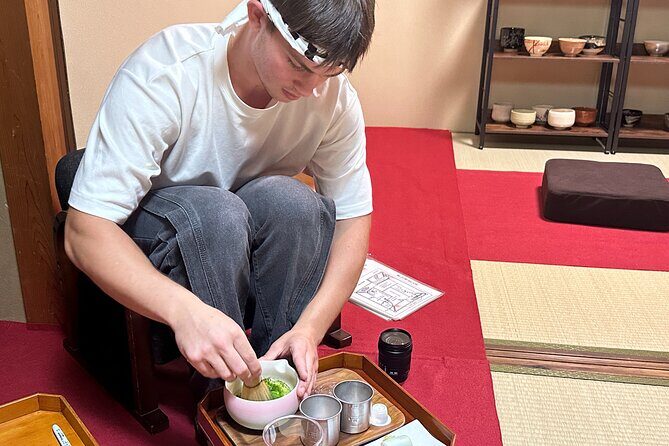
- 100-year-old machiya setting: A traditional townhouse layout makes the tea part feel real, not staged.
- Interactive matcha making: You don’t just watch. You learn and make matcha yourself.
- Matcha latte workshop twist: You get a creamy Kyoto-style latte experience, not only basic tea.
- Seasonal wagashi included: You taste traditional sweets as part of the flow of the class.
- Samurai armor photo session: Real armor plus photo opportunities turn the lesson into a souvenir you can see.
Kyoto machiya + matcha class: why the setting actually helps
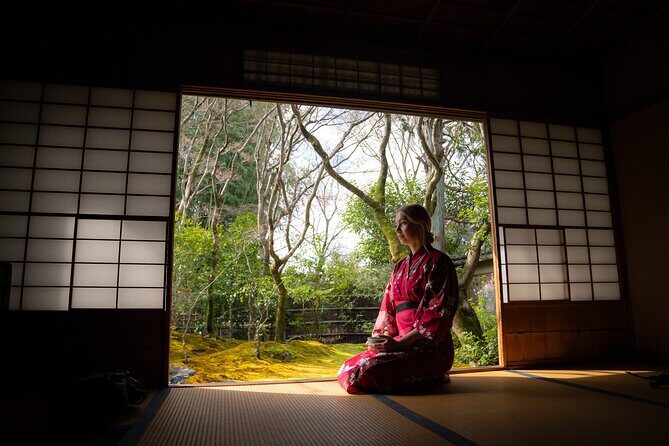
Kyoto is full of places that look traditional, but this one leans into the practical side of culture. You’re hosted in a 100-year-old machiya (a traditional townhouse). That means you’re in a space built for Japanese daily life, not a modern studio set up to look old.
In a class like this, the room matters. When you’re learning something as precise as matcha preparation, a calm setting helps you focus on the steps, the taste, and the tempo. You’re also there for a short run: the core tea experience is about 50 minutes inside the machiya, then the overall experience is about 1 hour 20 minutes with the full wrap-up and photos.
This is a great style if you’re touring Kyoto and don’t want to spend half a day in one place. It’s also beginner-friendly without being watered down. You’re learning the basics of matcha-making in a way that still respects the traditional flow.
And yes, there’s a real payoff: you leave with both a new taste (matcha and wagashi) and a skill you can repeat at home.
A few more Kyoto tours and experiences worth a look


Inside the tea ceremony: history, performance, then you take over
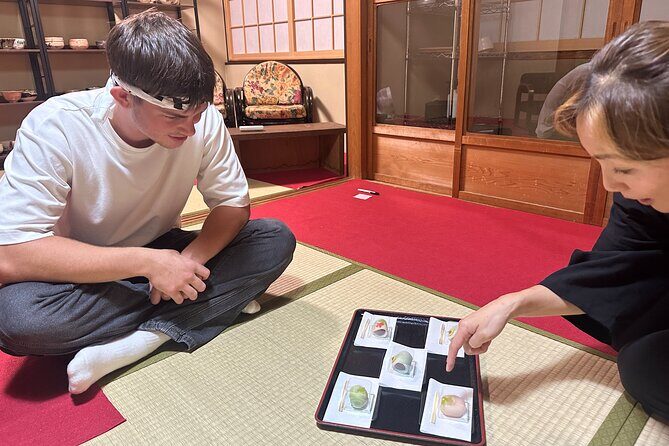
You start with instruction and context, not just instructions. Expect an explanation of the history of the tea ceremony, plus a demonstration of how it’s done. One consistent theme from the class is that the host walks you through what matters and why you’re doing it, then you get hands-on.
This matters for two reasons:
- You understand what you’re aiming for with the matcha, so your result doesn’t feel random.
- You’re not stuck with a bunch of theory. You watch, you try, and you taste.
The experience is built around participation. You’ll learn to make your own matcha, traditionally prepared in the spirit of the ceremony. You’re not just stirring and calling it done. The goal is proper matcha making, and you’ll be guided patiently through it.
The host’s teaching style shows up in the reviews in a big way. Maya is repeatedly described as kind, funny, and helpful, with English that’s easy to follow. That combination is important. If you’re new to Japanese tea terms, a host who can explain calmly and clearly makes the experience click fast. If you’re a total beginner, that’s the difference between you feeling lost and you feeling proud you got it right.
Then comes the part that keeps it from being overly serious: you’re in a small group setting, so you can ask questions, try again if needed, and settle into the pace without waiting forever.
Seasonal wagashi: the sweet side of Kyoto tea culture
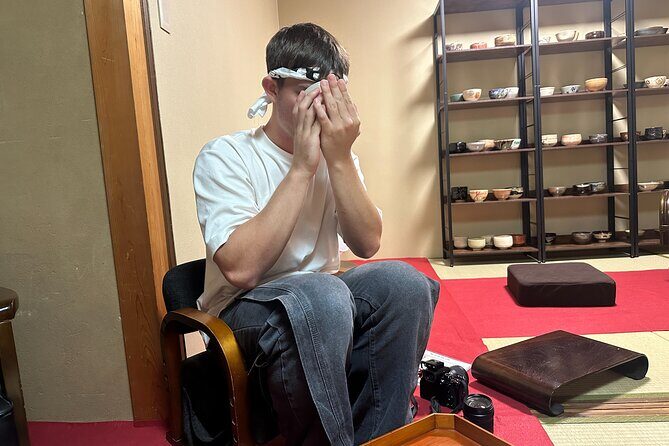
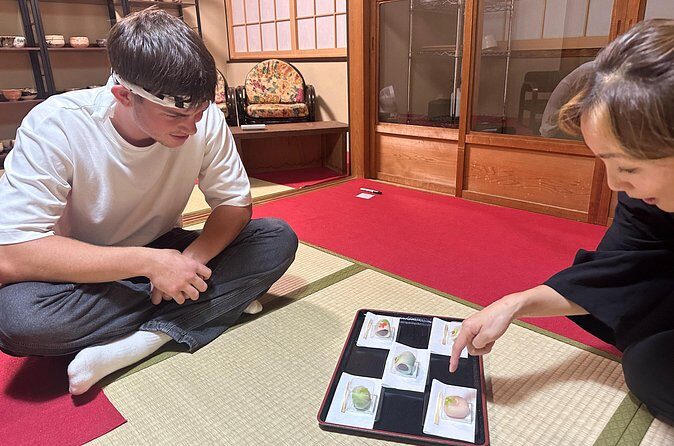
Tea in Japan is never only about the tea. It’s also about the sweets, timing, and how you experience the whole moment. In this class, you’ll get seasonal wagashi (traditional Japanese sweets) alongside your tea.
Even with wagashi, the key is simplicity. You eat the sweets as part of the tea rhythm, which gives you an easy way to pay attention to texture and flavor without needing a lecture about every ingredient.
Here’s what I’d watch for as you eat:
- Don’t rush. The point is to pair it with matcha rather than treating it like a snack break.
- Notice sweetness level and texture. Wagashi is often softer or more delicately flavored than Western sweets, and that contrast makes the matcha feel more balanced.
If you’re the type who loves food experiences that feel cultural but not complicated, wagashi is one of the best pieces of this tour. It also adds variety to your Kyoto day because you’re doing tea culture in a way that’s edible, not just scenic.
Matcha latte mastery: the modern twist that actually makes sense
This experience isn’t only about traditional matcha. You also make a Kyoto-style matcha latte, which is a smart add-on for visitors who want something that feels familiar in format but still Japanese in ingredients and method.
You’ll learn how to turn what you made into a latte-style drink. The host explains what you’re doing, and you taste the result as part of the class flow. The latte part is described as creamy and fun, and it becomes a highlight for a lot of first-timers because it feels like a practical skill.
One extra detail I really like: you can receive a recipe to make it at home. That’s not just a nice souvenir. It turns the workshop into something you can repeat, which gives this higher value than classes where you only leave with photos.
The host also connects it to mindfulness and the history of tea ceremony. You’re not going to be doing meditation for an hour, but the idea is that matcha is about attention and calm. You’ll likely feel that shift while you’re preparing the drink, especially after the initial instructions.
Samurai armor photo session: instant fun with a real wow factor
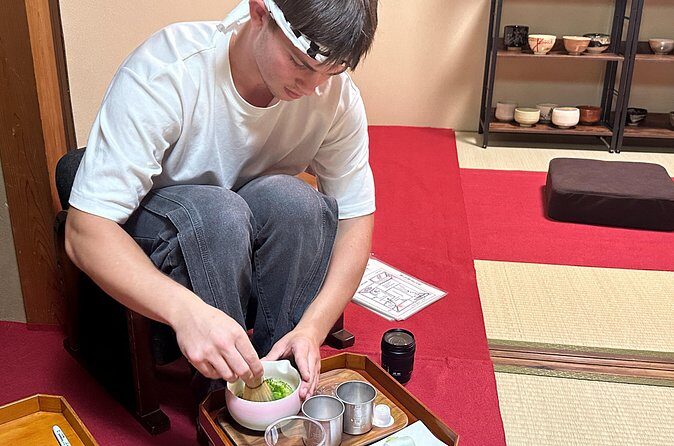
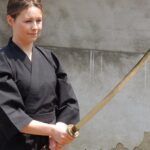
After the tea part, the experience pivots into something visual and memorable: you get the chance to wear authentic samurai armor for photos.
This is a big part of why this tour feels different from a standard tea class. A tea ceremony teaches you a taste and technique. The armor photos give you a story and an image you can share immediately. In Kyoto, where you’ll see lots of temples and gardens, it’s a refreshing change of pace to dress up and get in the frame.
A few practical notes for photo time:
- Wear clothes you’re comfortable sitting in and moving slightly while adjusting armor.
- If you’re bringing a camera, you’ll want it ready, because the class style includes photo opportunities.
- Expect the photo part to be fun rather than solemn. Think cosplay energy, but historically themed.
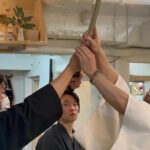
One review also points out that the interaction gives plenty of photo chances, so you’re not just snapping one picture and moving on.
A few more Kyoto tours and experiences worth a look


How long is it, really, and how it fits your Kyoto day
The full experience is about 1 hour 20 minutes. The matcha and wagashi portion inside the machiya is about 50 minutes, and the rest of the time goes to the full wrap-up and samurai photo moment.
This timing is ideal if you want a cultural activity without losing half your day. You’ll also appreciate the short duration if you’re pairing it with nearby Kyoto sights in the same neighborhood.
Group size is also a factor. It’s capped at 10 travelers, which is a sweet spot. You’re close enough to get personal attention, but the group doesn’t feel chaotic.
If you’re traveling with friends, this format works well because you can laugh together during the interactive steps and end with the armor photos that everyone will remember.
Price check: what $71.74 buys you in Kyoto
At $71.74 per person, this isn’t the cheapest thing you can do in Kyoto. But it is priced like an experience that includes multiple value items, not just a short demonstration.
Here’s what your money is paying for, based on what’s included:
- Entry to a 100-year-old machiya setting
- Hands-on matcha-making instruction
- Seasonal wagashi
- A matcha latte you make and taste
- A samurai armor photo session
- A small-group cap (max 10)
Also, you’re getting more than a meal. You’re buying instruction and participation, which is what makes tea ceremonies feel special. A lot of food activities are just eating. This one adds skill-building, and that’s why the cost feels easier to justify.
If you’re a total tea beginner, this is also a practical entry point. You’ll learn the basics without feeling like you need to already know matcha vocabulary or equipment.
Getting there: the meeting point is easy to find
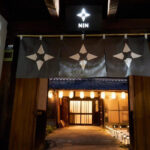
You meet at Samurai Gyoza Factory Kyoto, address listed as 230-1 Kamimyōkakujichō, Nakagyo Ward, Kyoto, 604-0025, Japan. The activity ends back at the meeting point.
The good news: it’s described as near public transportation. That’s what you want in Kyoto, where transit is reliable but walking between neighborhoods can add up.
My practical arrival tip:
- Plan to be there about 10 minutes early so you’re not rushed.
- If you’re hopping from another attraction, give yourself a little buffer. Kyoto streets can be easy to navigate, but it’s still easy to lose time if you’re bouncing between areas.
The tour also uses a mobile ticket, so you can keep everything on your phone and not worry about paper.
Who should book this Kyoto tea ceremony + samurai photos?
This is a great fit if:
- You’re curious about tea culture but don’t want a long, confusing course.
- You’re a beginner who wants clear explanations in English.
- You like interactive food experiences where you make something.
- You want a memorable photo moment that’s not just standing in front of a shrine.
It’s also a nice choice for groups of friends, since the vibe is described as fun and lighthearted while still teaching you the correct approach to matcha.
I’d skip it or think twice if:
- You want a very long, highly traditional ceremony with extended silence and a deep dive into etiquette.
- You dislike dressing up for photos. The armor part is a core feature, not an optional add-on.
Should you book this tea ceremony with samurai armor?
If you want a Kyoto experience that combines taste, technique, and a fun souvenir photo, I’d book it. The strong points here are the interactive matcha-making, the modern matcha latte twist, and the host style with clear English and humor (Maya is repeatedly praised for that). The small group size helps you feel part of the process, not stuck watching from the sidelines.
The main decision factor is time. At about 1 hour 20 minutes, you’re getting a focused taste of the culture rather than an all-day immersion. If that matches your travel style, it’s a very good value for what you do and what you take home.
If your schedule is tight but you still want something genuinely Kyoto beyond sightseeing photos, this fits the bill.
FAQ
How long is the Kyoto tea ceremony and samurai photo session?
It runs for about 1 hour 20 minutes (approx.), with about 50 minutes at the machiya for the tea ceremony portion.
What’s included in the experience?
You’ll learn matcha-making, enjoy seasonal wagashi, make a matcha latte, and finish with a chance to wear samurai armor for photos.
Where does the tour start?
The meeting point is Samurai Gyoza Factory Kyoto, 230-1 Kamimyōkakujichō, Nakagyo Ward, Kyoto, 604-0025, Japan.
Is this a small group activity?
Yes. The maximum group size is 10 travelers.
Do I receive a mobile ticket?
Yes, the tour uses a mobile ticket.
Is there an English-speaking instructor?
Based on guest feedback, the host Maya speaks English very well and gives instructions clearly.
How much does it cost?
The price is $71.74 per person.
When should I book?
On average, it’s booked about 72 days in advance, so planning ahead is a good idea for popular dates.
Can I cancel for a refund?
Yes. Free cancellation is available if you cancel up to 24 hours in advance of the experience start time for a full refund. Changes within 24 hours of start are not accepted.