Samurai sword dancing sounds fancy, but it’s surprisingly practical. At the Samurai Kembu Theater, you watch Kenbu unfold like short stories from Japan’s feudal era, with English narration that keeps the meaning clear. Two highlights for me are how the performers explain the purpose behind the motions and how the show ends with a hands-on chance to hold and swing a sword. The one thing to think about: it’s not a gritty swordfight spectacle, so if you want nonstop combat action, you may feel slightly shortchanged.
You’ll arrive, slip off your shoes, and settle into a close-up stage experience where the choreography does the talking. The show focuses on grace, stance work, and ceremony, then sends you home with a small but real skill moment that makes Kenbu feel less like theater and more like discipline.
In This Review
- Key things to know before you go
- Entering Samurai Kenbu Theater and getting your bearings fast
- How the Kenbu performance works: stories, stances, and clear narration
- Samurai sword responsibility: why the show keeps safety and mindset together
- Traditional tales on stage, narrated in English
- Folding fan techniques: the Samurai toolkit beyond the katana
- The mini sword lesson and photo moment you actually remember
- Price and value in Kyoto: what $32 buys you (and what it doesn’t)
- Who should book this Kenbu show in Kyoto
- Quick planning tips so the show fits your day
- Should you book Samurai Kenbu in Kyoto?
- FAQ
- How long is the Samurai Kenbu show?
- Where do I meet for the show?
- Is the narration available in English?
- Are photos or videos allowed during the show?
- Is there a sword lesson, or is it just watching?
- Is folding fan practice included?
- Is the theater wheelchair accessible?
- Is luggage storage available?
Key things to know before you go
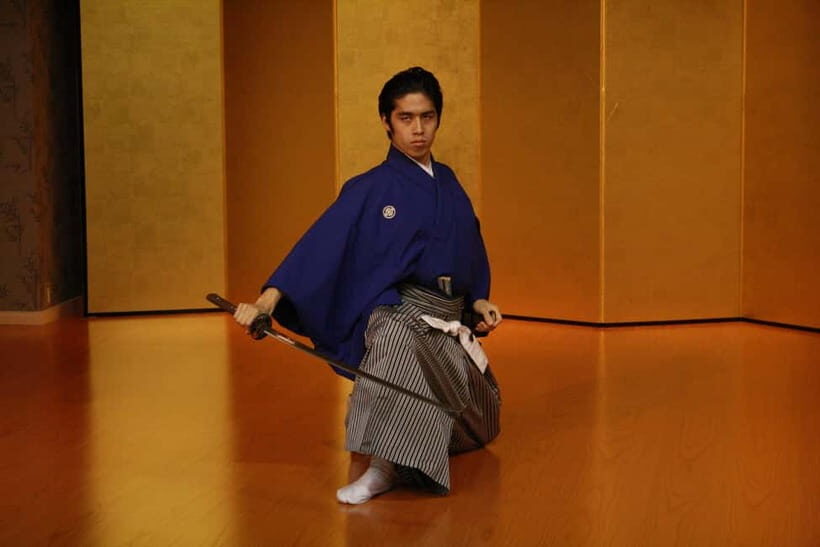
- Kenbu told in English: Each dance is paired with context and Samurai-culture background.
- Poems, battlefield preparation, and sword responsibility: The theme is duty, not just flair.
- Traditional style plus newer Kenbu: You’ll see both older-feeling forms and more modern variations.
- Folding fan techniques included if time allows: Fans are treated like part of a Samurai toolkit.
- Short sword lesson at the end: You get instructor-led help for safe, gentle-to-strong swings.
- Photos only after the show: No filming during, but there’s a photo window afterward.
Entering Samurai Kenbu Theater and getting your bearings fast
Plan on arriving 5–15 minutes early. This matters because there’s no waiting room, and people without an appointment can’t just hang around inside. The theater is easy to reach on foot: it’s about a 4-minute walk from Subway Sanjo Keihan Station and around 5 minutes from Sanjo Station on the Keihan Main Line.
When you get there, you’ll follow the local custom and take off your shoes before entering the performance space. It’s a small thing, but it sets the tone: this is meant to feel like a cultural moment you respect, not like a quick photo stop.
One more practical note: there’s no space for large luggage or big travel bags. If you’re coming from sightseeing with a daypack, you’ll likely be fine, but don’t show up with suitcases.
A few more Kyoto tours and experiences worth a look

How the Kenbu performance works: stories, stances, and clear narration
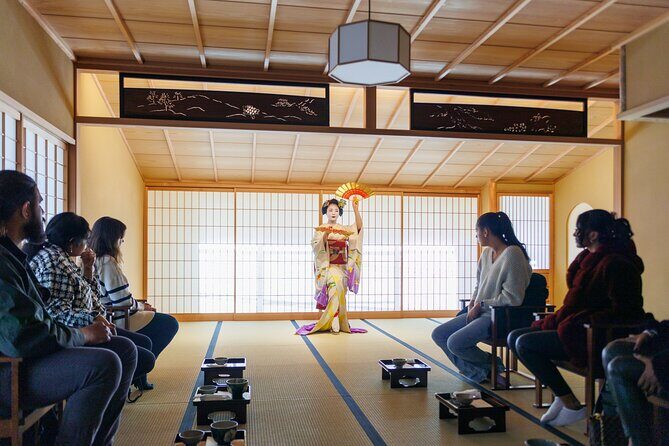
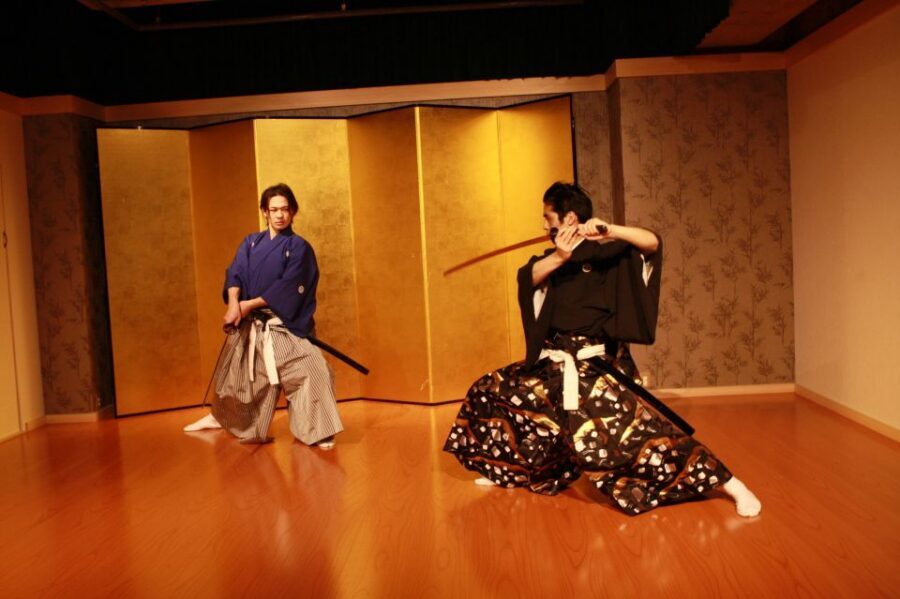
The show is designed around Kenbu as a sword dance style that dates back through Japan’s feudal period, with themes spanning roughly the 12th to 19th centuries. The pacing is built like a series of scenes: narration first, demonstrations next, then a short connection back to Samurai life.
What I like most is how the storytelling is structured so you’re not guessing. You’ll hear an introduction about Kenbu history and techniques, and you’ll get small explanations between demonstrations so each movement has a job. That’s one reason the show lands well even if you don’t know anything about Samurai culture beforehand.
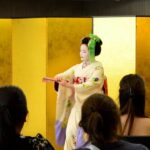
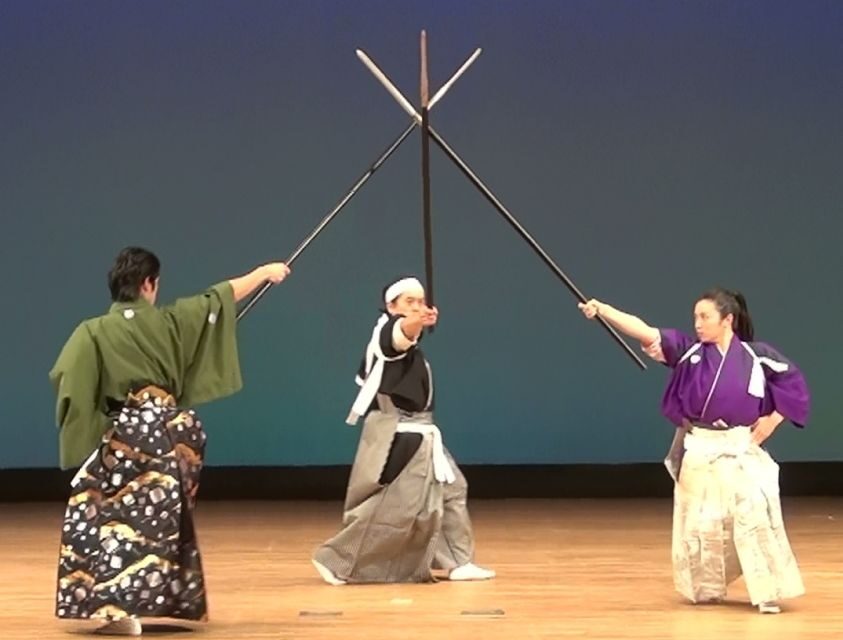
During the demonstrations, you’ll see performers swing swords through complex movements that represent scenes tied to Samurai traditions. The show also brings in the idea of poems recited by Samurai before heading to battle, so the choreography reads like discipline with meaning behind it—not just flashy motion.
And yes, you’ll see traditional-style Kenbu alongside new-style Kenbu. That contrast helps you understand Kenbu as living culture, not museum reenactment.
Samurai sword responsibility: why the show keeps safety and mindset together
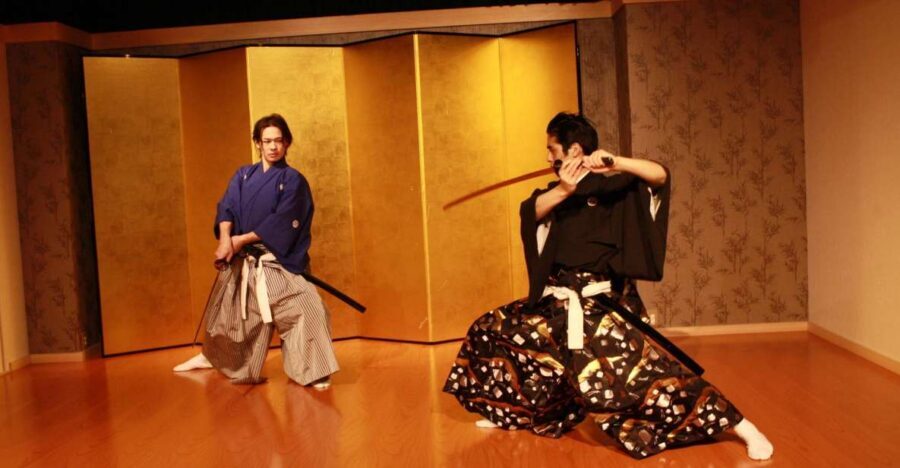
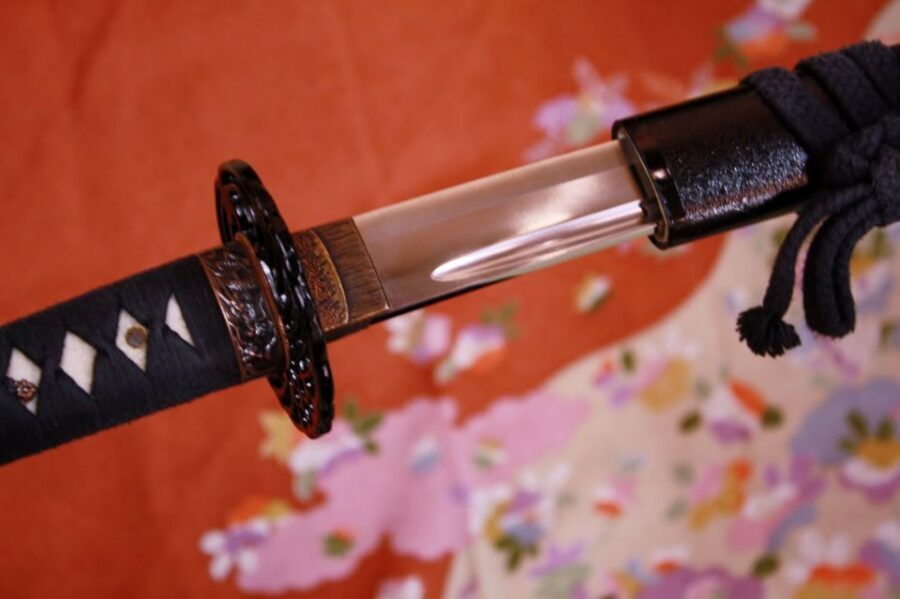
A big part of Kenbu is mindset. The program specifically talks about the responsibility of carrying a Samurai sword, which is a reminder that weapons in Samurai culture weren’t treated like toys or props. The tone stays focused on respect and correct form.
Even when you’re watching the performers, you can feel the emphasis on controlled stances and intentional movement. The choreography doesn’t come off as random; it feels like training condensed into a stage sequence.
This is also where the show’s approach to “sword knowledge” becomes valuable. You’re not just learning what looks cool. You’re learning the idea that carrying and wielding a blade requires restraint, discipline, and awareness.
Traditional tales on stage, narrated in English
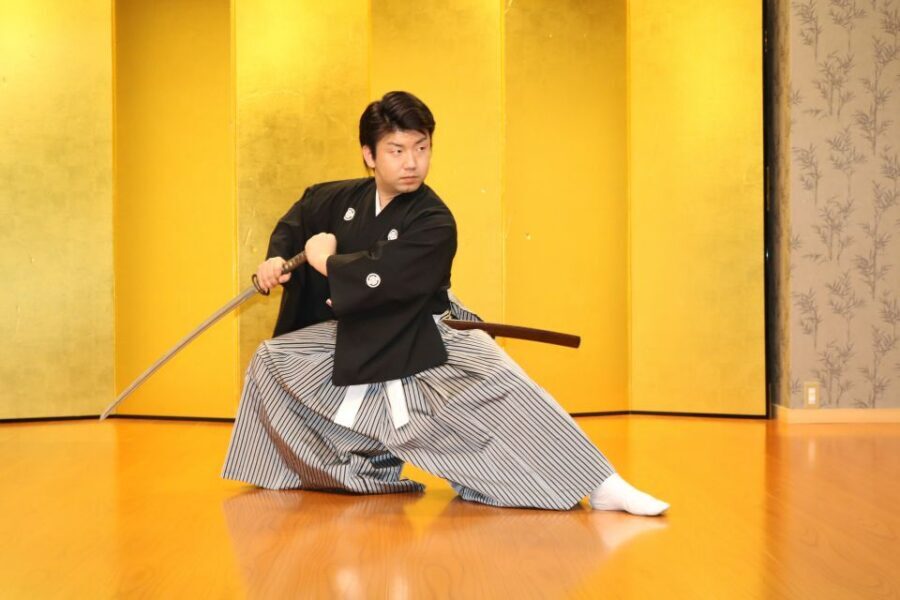
One of the easiest ways to enjoy this show is to lean into the stage format like it’s story time, but with swords. The performance includes traditional tales played out on stage, and it comes with English narration so you can follow along.
This narration is not just background filler. It helps connect the motion you’re seeing to the reason it exists. That means you can watch for patterns—like how a stance shifts, how a swing starts, or how the fan gets used—without needing a Samurai textbook.
The overall effect is cinematic in a simple way: dramatic moments, clear explanations, and choreography that communicates even when the topic is historical.
Folding fan techniques: the Samurai toolkit beyond the katana
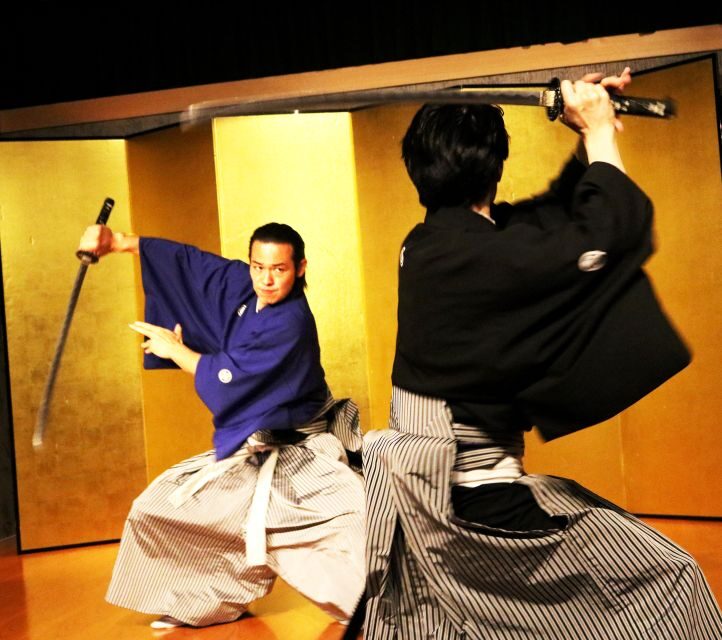
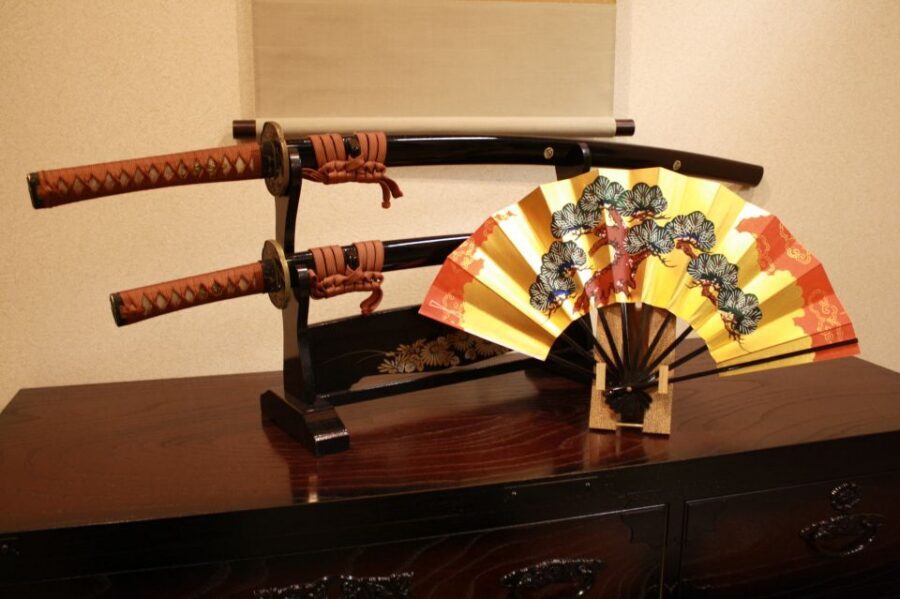
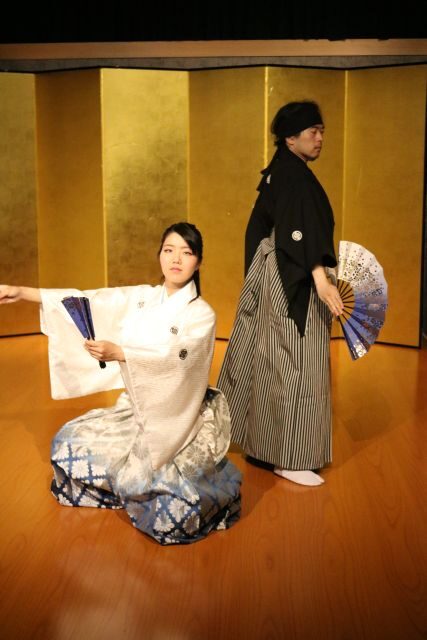
The show doesn’t limit itself to sword-only visuals. You’ll see techniques using a folding fan, too. The program frames the fan as a necessity for a Samurai, which helps you understand why Kenbu includes more than just blade work.
If you’re someone who likes small details, this is a fun angle. A folding fan can look like a harmless accessory, but in these performances it’s treated like a tool tied to movement and meaning. It also adds variety to the choreography so the show keeps its rhythm.
There’s also a chance you’ll learn fan basics during the mini experience at the end if there is time. Even a brief introduction can help you appreciate why the fan shows up in the storytelling.
A few more Kyoto tours and experiences worth a look

The mini sword lesson and photo moment you actually remember
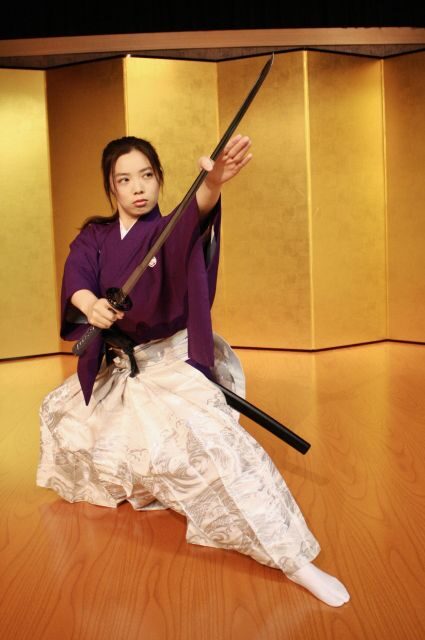
Here’s the moment most people are talking about: the short sword lesson at the end. First, you’ll be guided on how to pick up the sword and practice steps like slowly pulling out the scabbard and grasping the blade. That matters because it teaches the idea that motion starts from control.
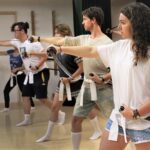
Then comes the fun part. At the instructor’s command, you’ll swing gently at first. If it’s going well and time allows, the instructor may guide you to swing more forcefully. It’s not a chaotic “try to copy this” situation. You get commands, corrections, and a pace that keeps it safe.
If you’re also doing the fan part, the instructor typically works that in alongside the sword lesson when possible. The point is to give you a taste of the style, not to turn this into a full training class.
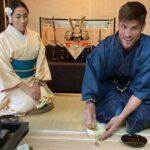
Photos are handled with a clear rule: no photos or videos during the show, but you do get a photo opportunity afterward. Many people like this because the stage energy is already done, and you’re not trying to hide a camera during the most important scenes. The staff may also help snap photos for you, which is a nice bonus if you’re traveling in a pair.
One more practical tip: if you want to use your camera after the show, get your phone ready before the final minutes end. Waiting can make you miss the window.
Price and value in Kyoto: what $32 buys you (and what it doesn’t)
At about $32 per person for around 1 hour, this is priced like a concentrated cultural experience. The value is the combination: a narrated Kenbu show plus a short, instructor-led sword interaction. You’re not just paying to watch; you’re paying to participate in a small, guided way.
If you compare this to doing sword training through a full class, you’re getting the stage context and a starter physical understanding without committing to a longer schedule. The tradeoff is time. You’ll learn the basics of how it feels to hold and swing, not how to become proficient.
Also keep expectations aligned: this is not built as a fight demonstration. It’s elegant motion and story-driven performance with a hands-on taste at the end. If you want a full-contact martial arts vibe, you may prefer a different kind of dojo experience.
Who should book this Kenbu show in Kyoto
This experience is a good fit if you want something cultural that still includes a real physical component. I think it’s especially great for:
- History and culture lovers who like stories tied to specific eras.
- Martial arts fans who enjoy form, discipline, and stances more than raw sparring.
- Families looking for a short, structured activity that doesn’t require advanced language skills.
It can also work well for people who are a bit nervous about “doing” something physical. The lesson is short and instructor-guided, and the show prepares you for the idea of responsibility and control.
If you hate rules like no photos during the show, plan to enjoy the performance first and save your camera time for the after window.
Quick planning tips so the show fits your day
Because the show is about 1 hour, it can slot into a busy Kyoto day without wrecking your schedule. Just remember the key constraint: no waiting room. If you show up late, you may be rushed rather than relaxed.
Food and drinks aren’t included. So if you’re hungry, handle a snack or a drink before you arrive. Also, dress for comfort. You’ll remove shoes indoors, so think about socks that are comfortable for a while.
Finally, keep your luggage small. No large bags are accommodated, so travel light if you can.
Should you book Samurai Kenbu in Kyoto?
Yes, I’d book it if your goal is to understand Kenbu beyond a quick spectacle. The biggest reason: you get storytelling that’s understandable in English, plus a short lesson that makes the movements feel grounded in discipline.
Skip it only if you’re specifically craving combat-style action. This show is more about grace, stance, and Samurai cultural meaning than about sparring or choreographed battle chaos.
If you want an hour that’s equal parts performance and respectful participation, this one is a strong match.
FAQ
How long is the Samurai Kenbu show?
The experience lasts about 1 hour.
Where do I meet for the show?
Meet at the Samurai Kembu Theater, Kyoto.
Is the narration available in English?
Yes. The instructor provides English and Japanese during the experience.
Are photos or videos allowed during the show?
No. You’re asked to refrain from taking photos or videos during the show, but there is a photo opportunity afterward.
Is there a sword lesson, or is it just watching?
There’s a short sword lesson at the end, and you can try holding and swinging a sword briefly.
Is folding fan practice included?
The show includes folding fan techniques, and you may have a chance to learn fan use during the mini experience if there is time.
Is the theater wheelchair accessible?
Yes, it’s listed as wheelchair accessible.
Is luggage storage available?
There’s no room for large luggage or travel bags.