Kyoto rarely lets you get this close. This 1-hour (sometimes up to 1.5 hours) Geisha experience gives you an up-close look at a Maiko dancing in a rare, respectful format, plus the chance to talk, ask questions, and take photos afterward. I especially liked the tight structure: two short dances, then a Q&A and photo time, not just people watching from the back.
One thing to keep in mind: the performance is intentionally short. Even if the program runs about an hour, the Maiko’s dancing portion is brief by design, and you’ll want to be on time because a couple reviews mention timing can shift and late arrivals may lose access.
Quick highlights before you go
- A real Maiko encounter: Only about 40 Maiko are said to remain in Kyoto today.
- Short, preserved performances: You get the key dances, not a long stage show.
- Interaction is the point: Q&A, photos, and a traditional game after the dances.
- Two venue styles: A tea house inside a Kyo-Machiya or a dedicated showhouse in Gion.
- Small group size: Maximum 25 people keeps it more personal.
- Green tea included: Plus a guide/translator to help your questions land.
In This Review
- Kamishichiken Street and the rare Maiko factor
- Tea house inside a Kyo-Machiya vs Gion showhouse seating reality
- What the show really looks like (and why it’s not a full hour dance)
- The Q&A, photo time, and the game: how the interaction stays respectful
- Your guide/translator: what you’re paying for beyond the stage
- Green tea included: a small touch that sets the tone
- Price check: is $79.59 worth it for a short performance?
- Logistics that actually matter: timing, meeting area, and kimono add-ons
- Who should book this Maiko show (and who might skip it)
- Should you book a 1-hour Geisha Show in Kyoto?
- FAQ
- How long is the Geisha Show in Kyoto?
- What happens during the show?
- What’s included in the price?
- Are there different venues to choose from?
- If I selected the kimono rental & hair set option, what do I need to do?
- What is the cancellation policy?
Kamishichiken Street and the rare Maiko factor

If you’re coming to Kyoto for culture, this is one of the few chances to see the craft up close instead of through a screen. The big hook here is meeting a Maiko, the geisha trainee, in a setting where the focus stays on the art form and the etiquette.
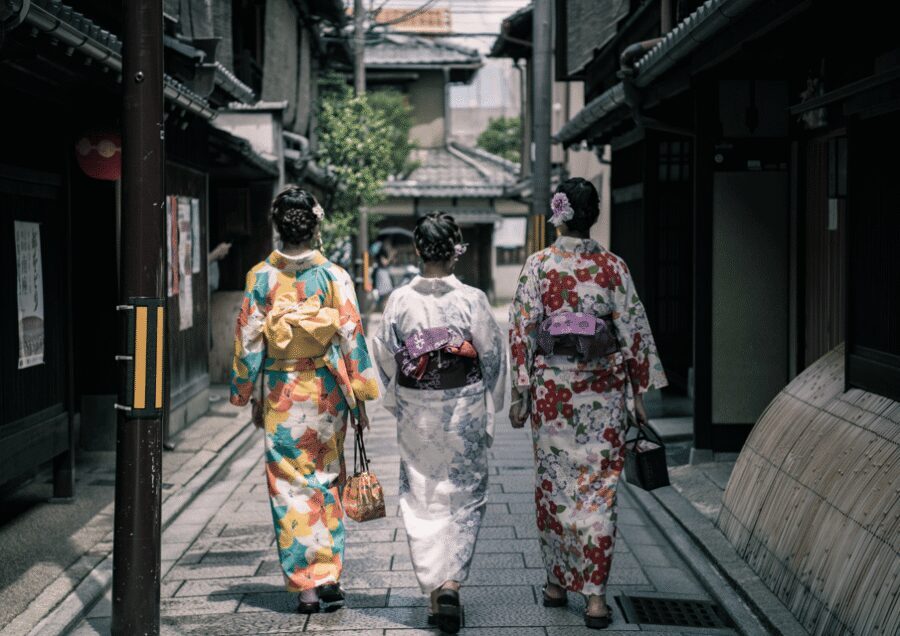
Kamishichiken Street is the core area for this experience. You’re in a part of Kyoto where the geiko and maiko world is woven into daily life, so the whole thing feels less like a theme show and more like you’ve been invited into a traditional moment.
Now, a reality check that’s also a good sign: the Maiko performances are intentionally short to preserve the art. That means you’re not paying for a marathon. You’re paying for access to something rare, done carefully, with time set aside for questions and interaction.
Tea house inside a Kyo-Machiya vs Gion showhouse seating reality

You get two different venue options, and this can matter more than you’d expect.
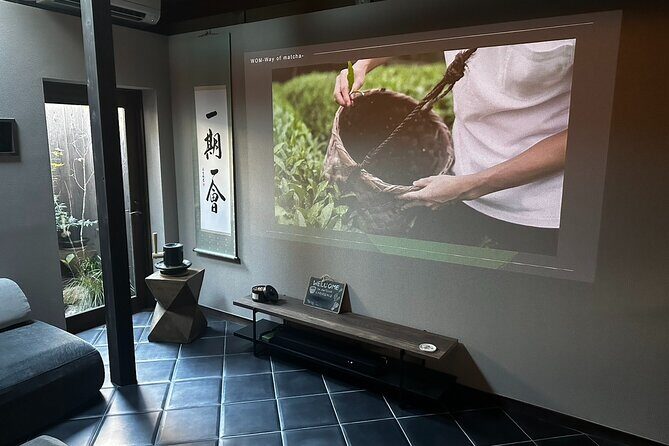
One option is held in a tea house inside an authentic Kyo-Machiya. A Kyo-Machiya is a traditional townhouse style, and the tea house setting tends to feel quiet and intimate, like the room is part of the performance. The second option is in a dedicated showhouse in Gion, which is typically more like a purpose-built venue for structured viewing.
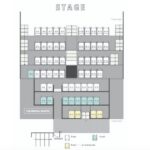
Here’s my practical advice: before you book, check the photos for your chosen option. One review mentioned seating being confusing and ending up in a spot that offered the worst view. That tells me your exact position can shape what you see, especially for the dances.
Also, remember what this is. It’s not a giant theater with stadium sight lines. You’re attending a small-group cultural program where your closeness can be a win, even if that also means seating isn’t always perfect.
A few more Kyoto tours and experiences worth a look


What the show really looks like (and why it’s not a full hour dance)

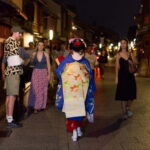
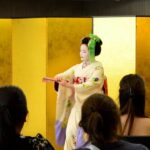
The program runs about 1 hour to 1 hour 30 minutes, but the dancing portion is intentionally brief. Expect two short dances total, around 10 minutes of performing time, then the rest of the hour shifts into conversation and cultural interaction.
After those dances, you’ll move into Q&A, then a photo session, followed by a traditional Japanese game. That flow is one of the reasons this works for many people. You’re not just watching a performance and leaving. You’re learning while you’re there, then stepping into a bit of playful tradition at the end.
From a value standpoint, this format is worth thinking about. If you want a long stage show, you may feel shorted. If you want a rare encounter with a Maiko plus time to ask questions and engage, this structure makes sense.
And yes, you should plan to arrive with enough buffer. A couple reviews mention time changes and issues if you’re late, plus one note that late arrivals couldn’t get in once the show started. So treat this like a museum tour: arrive early, then relax.
The Q&A, photo time, and the game: how the interaction stays respectful

The best part of this experience for many people is the human interaction. After the dances, you get a Q&A where you can ask about the lifestyle, training, or what you’re seeing. A translator is included (a professional tour guide/translator), so your questions don’t have to be perfect. Reviews even highlight guides like Soichiro, Ai, Genki, Chihiro, and Yuko as part of different departures, and many people praised how clearly the translation supported the conversation.
Then comes the photo session. This is where the closeness pays off. You’re not just getting a quick glance. You’re capturing the moment in the same room where the Maiko has been performing and speaking.
Finally, there’s a traditional Japanese game. This is a fun curveball that turns the experience from purely educational into something memorable. Several reviews specifically called out that the game was enjoyable, and one family said kids especially liked it.
One more detail that shows up in feedback: some programs included additional stops like a shrine visit as part of the overall outing. That doesn’t mean every departure will do the same thing, but it’s a reminder that you might get more than just the dance segment depending on the day’s flow.
Your guide/translator: what you’re paying for beyond the stage

You’re not only paying for access to a Maiko. You’re also paying for interpretation and guidance so you know how to behave and what to ask.
The tour includes a professional tour guide/translator. In reviews, names like Soichiro, Genki/Genki, and Ai come up often, and people repeatedly mention the guides were friendly, informative, and personable. That matters because Maiko culture has specific etiquette, and your questions land better when you’re guided on what’s appropriate.
This is also where the experience becomes less intimidating. If you don’t know Japanese (and most people don’t), you can still participate. A good translator helps you get real answers, not just a vague overview.
And yes, the guide can make or break a tour. In the positive feedback, the guides are often described as calm hosts who guided the group, made sure everyone understood what was happening, and kept things smooth even in a small venue.
Green tea included: a small touch that sets the tone

Green tea is included as part of the experience. It may sound minor, but it helps you shift into the right mood.
In traditional spaces, tea time is part of the rhythm. It gives you a moment to settle, look around, and mentally switch from busy-streets Kyoto mode to careful, quieter culture mode.
Since additional drinks or food aren’t included, think of this tea as the one included refresh. If you want snacks later, plan that into your day instead of assuming the tour will handle it.
A few more Kyoto tours and experiences worth a look



Price check: is $79.59 worth it for a short performance?

Let’s talk money plainly.
The price is $79.59 per person, with group discounts available and a mobile ticket. Duration is about 1 hour to 1.5 hours, and you get green tea plus a guide/translator. You also get direct interaction: Q&A, photos, and a traditional game.
Some reviews say it’s worth it, even calling it a highlight or “must do.” Others say it’s overpriced for what they expected, especially because the dancing portion is short. One person felt $90 was not worth it for only one hour.
Here’s how I’d evaluate value if you’re on the fence:
- If your main goal is a long performance you can watch like a show, you may feel underwhelmed.
- If your goal is rare access to a Maiko, plus time to ask questions and take photos, the structure starts to make financial sense.
In Kyoto’s geiko/maiko world, the supply of close-access experiences is limited, and Maiko performances are intentionally short. You’re paying for that constraint, plus the venue setup and translation support. In other words: this isn’t “a bargain,” but it can be a fair trade if you know what you’re buying.
Logistics that actually matter: timing, meeting area, and kimono add-ons

The main area you’ll connect with is Kamishichiken Street. That puts you in the Gion-adjacent orbit, which is convenient if you’re already touring that part of Kyoto.
Group size is capped at 25, which helps it feel controlled and intimate rather than chaotic.
If you choose the kimono rental & hair set option, there’s a specific step you have to do yourself on the day of the tour. You’ll visit the kimono rental shop before the show at Kyoto Kimono Rental Mimosa, 362-2 Masuyacho, Higashiyama Ward, Kyoto 605-0826. The key practical detail: tell the staff you’re from GuideMe Japan and give your name. No payment is required at the shop because the rental and hair set are already included with the option.
Also, bring your expectations about timing. Reviews point to at least some timing changes, and one note warns that once the show started, late arrivals couldn’t join. So do not treat the start time casually.
Who should book this Maiko show (and who might skip it)

This tour fits best if you want:
- a close, respectful look at Maiko artistry
- real conversation time (Q&A) with translator support
- photos and a traditional game, not just passive viewing
- a small-group program in a traditional venue style (tea house or showhouse)
It may not be the best fit if you:
- want a full-length dance show where the Maiko performs continuously for the whole hour
- hate structured timing and hate feeling like you must arrive precisely on schedule
- are very price-sensitive and only measure value by “minutes of performance”
For families, it can work well because the interaction and game can keep kids engaged. One family review even mentioned kids enjoyed the snack at the end, which suggests the end part of the program may include a small treat depending on the flow that day.
Should you book a 1-hour Geisha Show in Kyoto?
If you’re choosing between “skip the show” and “try one cultural experience you can actually talk about,” I’d book this with eyes open. The short performance is not a scam; it’s part of the tradition’s preservation. What makes this worth it is what you get around the dances: guided explanations, Q&A, photo time, and the traditional game in a small-group setting.
Book it if you want a rare encounter and you’re happy to participate. Skip it if you’re only after a long stage show or you’re likely to show up late.
If you do book, do two things that raise your odds of satisfaction: choose the venue option that looks best to you in the photos, and arrive early enough that timing drama never becomes your problem.
FAQ
How long is the Geisha Show in Kyoto?
The experience lasts about 1 hour to 1 hour 30 minutes.
What happens during the show?
You’ll see two short dances, then have a Q&A, a photo session, and a traditional Japanese game.
What’s included in the price?
The included items are the geisha meeting and experience, traditional Japanese green tea, and a professional tour guide/translator.
Are there different venues to choose from?
Yes. You can choose a tea house option inside an authentic Kyo-Machiya or a Gion Theater option held in a dedicated showhouse.
If I selected the kimono rental & hair set option, what do I need to do?
You should visit Kyoto Kimono Rental Mimosa before the show, tell the staff you are from GuideMe Japan and provide your name. No payment is required there.
What is the cancellation policy?
You can cancel for a full refund if you cancel at least 24 hours in advance. If you cancel less than 24 hours before the experience starts, the amount paid isn’t refunded.