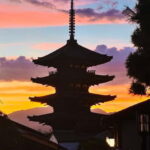
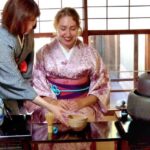
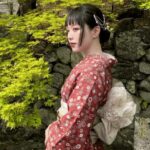
That tea house feels like a pause button. This 90-minute experience takes you to Miyagawa Tokusaburo shoten, a 100-year-old private house near Katsura Imperial Villa, where the pace stays calm and the room feels far from Kyoto’s usual clamor. I especially like that the whole thing is small (max six people) and in English, so etiquette and tea steps don’t turn into a rushed blur.
Two standout parts for me: first, the chance to wear an antique kimono that’s described as over 80 years old, picked and styled with real care. Second, you get instruction from the owner (Toku), with over 20 years of tea ceremony experience, including etiquette, history, and the specific how-to of matcha preparation.
One consideration: this is a private residential setting, not a big garden show. If you’re expecting a flashy venue or a long, heavy hands-on matcha workshop with lots of tea varieties, the 1.5 hours and the included tasting (green tea and Japanese sweets) may feel a bit limited.
In This Review
- Key Things I’d Highlight Before You Go
- Why Katsura-area Tea Feels Like a Reset
- Antique Kimono Rental: Over 80 Years Old and Actually Worn, Not Just Given
- The Tea Lesson: Matcha Preparation and Etiquette in Plain Terms
- What’s Included for $99.10 (and Where the Value Really Lies)
- Practical Details That Help Your Experience Go Smoothly
- Where it starts and how to find it
- Group size and pace
- Language
- Service animals
- Photos
- Who This Kyoto Tea + Kimono Experience Is Best For
- Should You Book This Antique Kimono and Matcha Ceremony?
- FAQ
- How long is the tea ceremony experience?
- How many people are in the group?
- Is the experience available in English?
- Where does the experience start?
- What is included in the price?
- Is lunch or dinner included?
- Is a mobile ticket provided?
- Is confirmation provided immediately after booking?
- Are service animals allowed?
- What is the cancellation policy?
Key Things I’d Highlight Before You Go
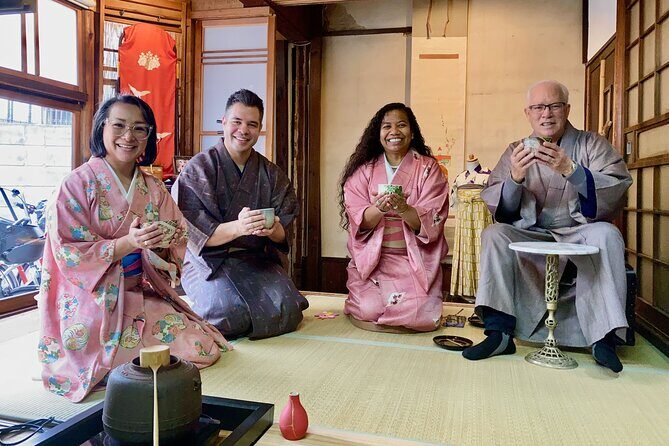
- Antique kimono rental included (over 80 years old, plus help with selection and styling)
- Small-group tea ceremony capped at six people for a more personal pace
- Near Katsura Imperial Villa in a quiet 100-year house, away from crowds
- Matcha making instruction and tea etiquette explained step by step
- Green tea and Japanese sweets included, so you’re not just watching
- English available, with explanations geared toward understanding the ritual
Why Katsura-area Tea Feels Like a Reset
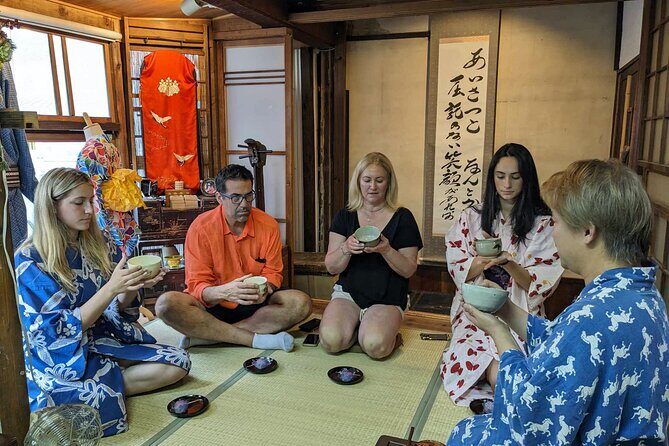
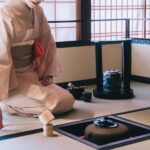
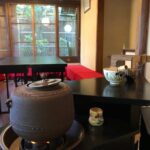
I love Kyoto experiences that don’t feel like a performance. This ceremony happens in an old private house—over 100 years old—and because it’s close to Katsura Imperial Villa, the atmosphere tends to feel quieter and more grounded than the city-center scramble.
You get a rare thing in popular destinations: time to watch details without the constant “move along” energy. The setting matters because tea ceremony etiquette is built on slow movement—how you sit, when you turn, how you receive and set items down. In a calm room, those gestures make more sense instead of feeling like a memorized dance.
One more smart touch: you learn not just what to do, but why. The owner also explains the relationship between samurai and the tea ceremony, which adds a layer of meaning beyond matcha itself. If you’ve ever wondered how something so quiet connects to something so intense in Japanese history, this is where that connection clicks.
A few more Kyoto tours and experiences worth a look
Antique Kimono Rental: Over 80 Years Old and Actually Worn, Not Just Given
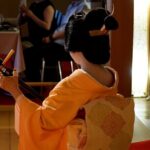
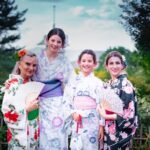
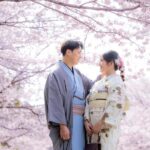
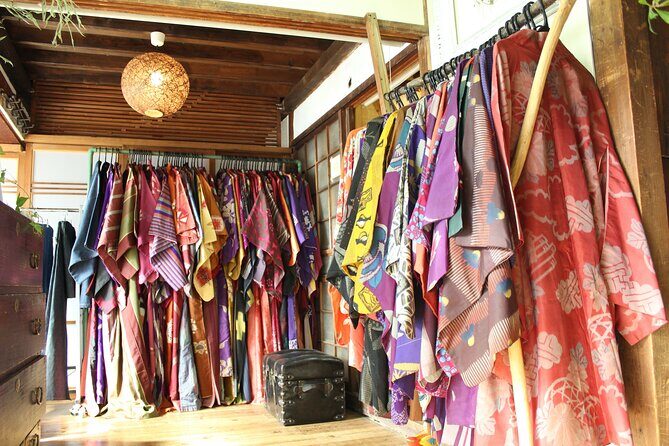
Let’s talk kimono, because this is half the magic. You don’t just get handed a robe and pointed toward a room. You start by selecting from their collection, and Toku’s team helps with fitting and styling—think help with obi coordination and hair accessories.
The kimono is described as rare and over 80 years old, and that alone raises the stakes. You’re wearing something with age and character, which makes the ceremony feel more respectful and less like a costume. In places where kimono rentals are mass-produced and rushed, the energy can feel off. Here, the focus is on getting you into the right look and helping you feel comfortable enough to follow instructions.
A few practical notes that come up in the experience:
- You’ll likely take photos during the process, and the team is happy to help with that.
- If you have trouble kneeling or holding certain poses, you may find the ceremony adapted so you can still participate. That flexibility can make a big difference in comfort and confidence.
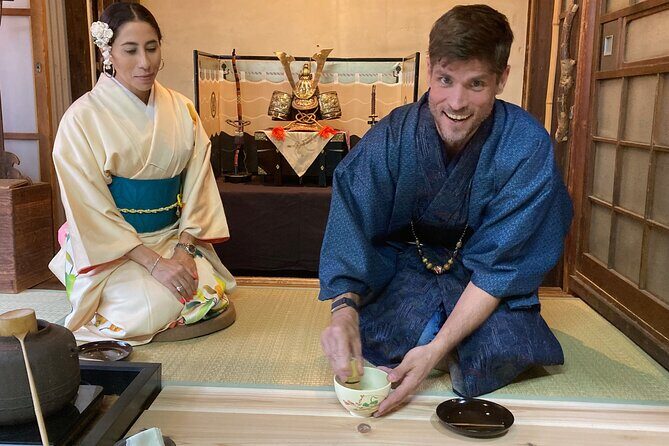
Also, one oddball detail I appreciated from what people describe: you may even get a photo chance with a sword prop. It’s not the point of the ceremony, but it can be a fun extra for pictures—just don’t expect it to replace the ritual itself.
The Tea Lesson: Matcha Preparation and Etiquette in Plain Terms
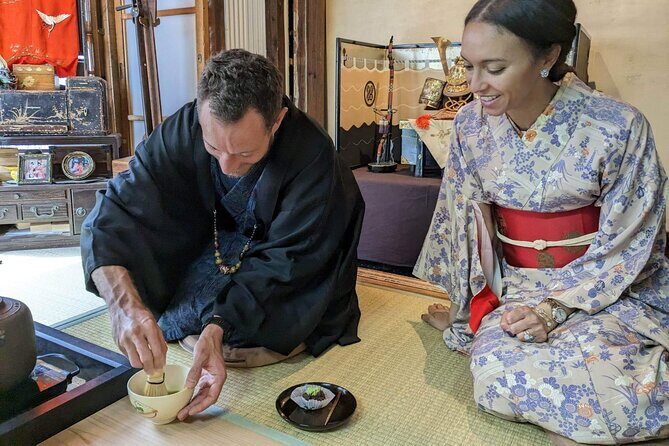
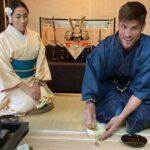
Here’s what you’re really paying for: instruction. This isn’t a silent “watch and clap” lesson. You learn the traditional etiquette and manners of the tea ceremony, and you get a specific opportunity to learn how matcha tea is made.
The flow usually works like this: you’re guided through the sequence of steps, you’re taught how to handle the tools properly, and you’re encouraged to pay attention to the rhythm. Matcha isn’t just a drink. It’s a set of actions that train your focus. When it’s explained clearly, you understand what you’re doing beyond the optics.
The ceremony itself is often described as solemn, but the teaching doesn’t have to feel stern. Toku’s style comes through in the way people talk about him: welcoming, patient, and genuinely invested in helping you get it right. That matters because tea etiquette can be unfamiliar. If you’re going to kneel, bow, or move in a certain way, you want someone to show you without making you feel awkward.
And you get the “why” in history. The owner connects the tea ceremony to samurai culture, which helps explain how discipline and aesthetics can belong in the same story. It’s one of those things that sounds abstract until you hear it tied to the ceremony’s values: self-control, respect, and presence.
What’s Included for $99.10 (and Where the Value Really Lies)
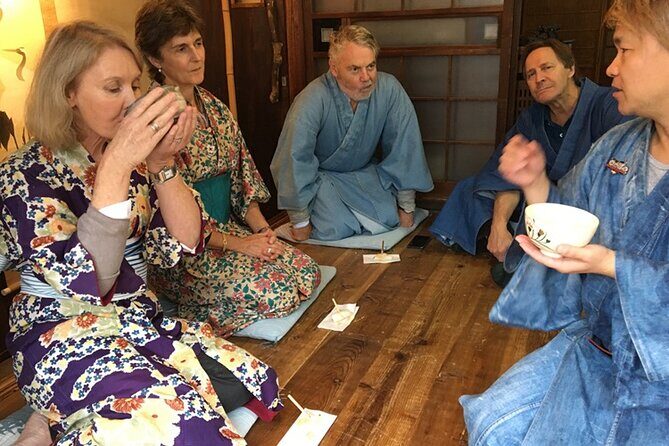
Price can be tricky for experiences like this. At $99.10 per person for about 1 hour 30 minutes, you’re not just buying tea. You’re buying three things that are hard to replicate on your own:
- Antique kimono rental fee included
If you’ve ever priced a decent kimono rental, you know this piece alone can eat a big chunk of your day budget. Here, that rental is included in the ticket price.
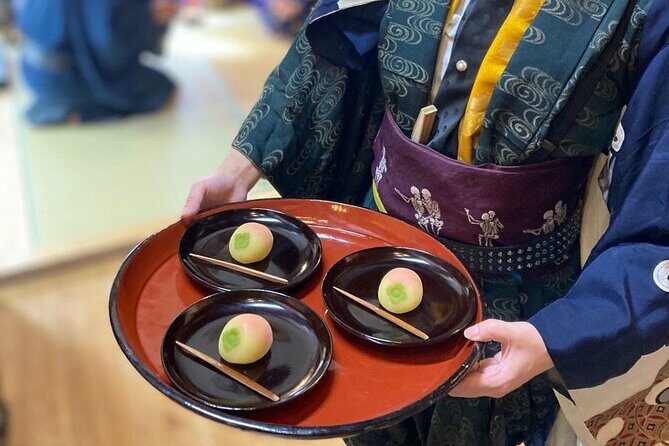
- Tea ceremony experience fee included with green tea and Japanese sweets
You’re served green tea and Japanese sweets, so you get a tasting portion, not just a demo.
- Expert guidance in a small group (max six)
Small group matters. With only a handful of people, you can ask questions and get corrections when needed. That turns the experience from a pass-through activity into real learning.
What’s not included: lunch or dinner. So plan your timing accordingly. If you schedule this right before a meal, great. If you schedule it after a long day of sightseeing, give yourself a chance to slow down instead of rushing to eat immediately.
Also: confirmation is handled after booking (unless you book very close to travel date), and you get a mobile ticket. The experience ends back at the meeting point.
Practical Details That Help Your Experience Go Smoothly
A few things will make your visit easier from the first minute:
A few more Kyoto tours and experiences worth a look

Where it starts and how to find it
Meet at Miyagawa Tokusaburo shoten, 32-4 Katsuranozatochō, Nishikyo Ward, Kyoto, 615-8073, Japan. The area is noted as near public transportation, so you shouldn’t be stuck guessing with long transfers.
Group size and pace
Max six people. That’s ideal for tea ceremony learning because it keeps the room from feeling crowded. It also helps you hear explanations and see what’s happening without leaning around other people.
Language
Available in English. If you worry about missing the meaning behind the rituals, this is a big plus. You can follow what each step symbolizes, not just copy movements.
Service animals
Service animals are allowed. If you need that accommodation, this is worth knowing up front.
Photos
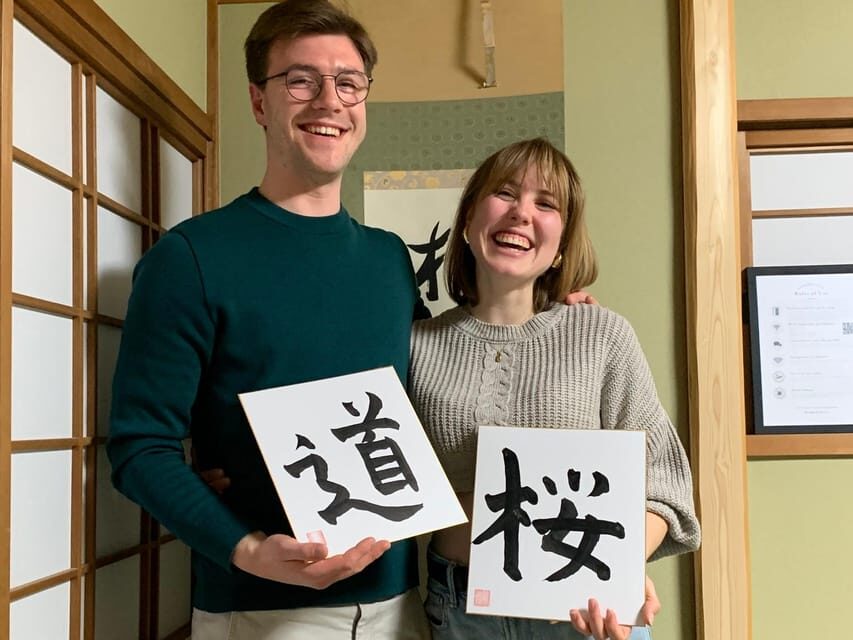
Expect lots of photo time, especially during kimono dressing and while you’re in costume. The hosts are described as taking many photos, and they also help you get pictures you’ll actually want to keep.
Who This Kyoto Tea + Kimono Experience Is Best For
This is a great match if you want an experience that feels personal and traditional without the chaos of large group tours.
You’ll especially like it if:
- You want a more quiet Kyoto moment near Katsura instead of fighting crowds in the city core
- You care about learning etiquette, not just taking photos
- You want a structured matcha lesson that explains each step
- You’re interested in the cultural connections—like how samurai ties into the tea ceremony’s values
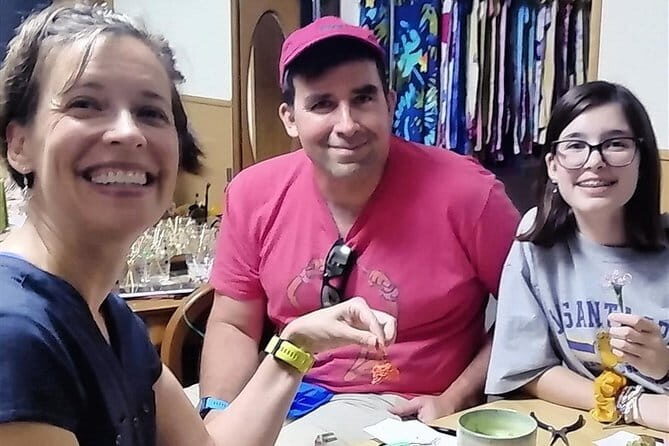
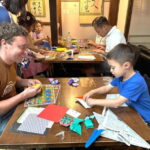
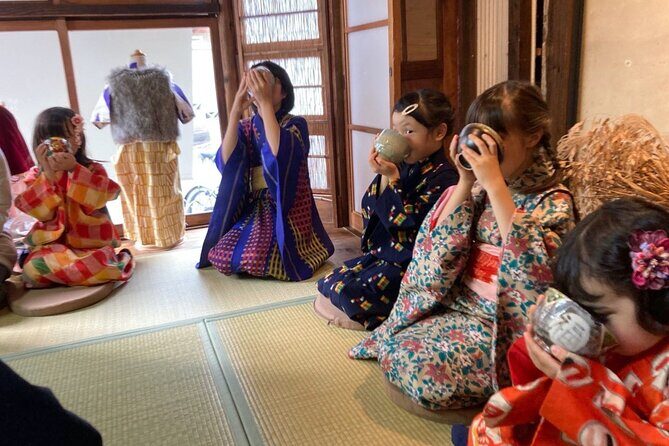
Families can fit too. Some accounts mention kids participating and being involved in the ceremony flow, with hosts who adjust to different needs.
Should You Book This Antique Kimono and Matcha Ceremony?
My honest take: this is the kind of activity you remember because it slows you down. The combo of an old house setting, antique kimono rental, and matcha instruction in a small group is a strong value mix for a Kyoto evening that doesn’t involve another line, another tram, and another “quick stop.”
That said, I’d only book it if you’re aligned with what’s included:
- You’ll get green tea and Japanese sweets, plus matcha preparation instruction.
- The overall time is about 1.5 hours, so it’s not a long multi-course tea education program.
- The venue is a private residence style setting, which can disappoint people who wanted a more tourist-garden look.
If your goal is genuine calm, clear guidance, and a real kimono-and-tea experience with Toku and family, I think you’ll be glad you booked.
FAQ
How long is the tea ceremony experience?
It lasts about 1 hour 30 minutes.
How many people are in the group?
The tea ceremony is a small group, capped at a maximum of six travelers.
Is the experience available in English?
Yes, the experience is available in English.
Where does the experience start?
The meeting point is Miyagawa Tokusaburo shoten, 32-4 Katsuranozatochō, Nishikyo Ward, Kyoto, 615-8073, Japan.
What is included in the price?
Included are the antique kimono rental fee and the tea ceremony experience fee, with green tea and Japanese sweets.
Is lunch or dinner included?
No. Lunch and dinner are not included.
Is a mobile ticket provided?
Yes, the tour/activity includes a mobile ticket.
Is confirmation provided immediately after booking?
You receive confirmation at the time of booking unless you book within 1 day of travel. In that case, confirmation is received as soon as possible based on availability.
Are service animals allowed?
Yes, service animals are allowed.
What is the cancellation policy?
You can cancel for a full refund up to 24 hours in advance of the experience start time. Changes made less than 24 hours before the start time are not accepted, and cut-off times follow local time.
If you tell me what days you’re in Kyoto and where you’re staying, I can help you choose the best time of day to fit this with your other plans.