Dumplings in a Kyoto townhouse. This class turns gyoza history into something you can taste, starting with scratch-made wrappers and leading into a little samurai-and-Japan context. If you want Kyoto memories that are more than photos, this one leans hard into hands-on cooking, in a classic townhouse setting.
I really like the focus on process: you’ll make wrappers from scratch and learn the practical wrapping steps. I also like that instruction is in English, so the technique lands fast instead of turning into guesswork.
One consideration: transportation isn’t included, and at $118.19 per person the price means you’ll want to enjoy cooking and actually take the skill home.
In This Review
- Key things to know before you go
- Kyoto Townhouse Setting: Why the Room Changes the Class
- What You Actually Cook in 90 Minutes
- Wrapper-Making That You’ll Be Able to Repeat
- Filling Choices: Small Decision, Big Satisfaction
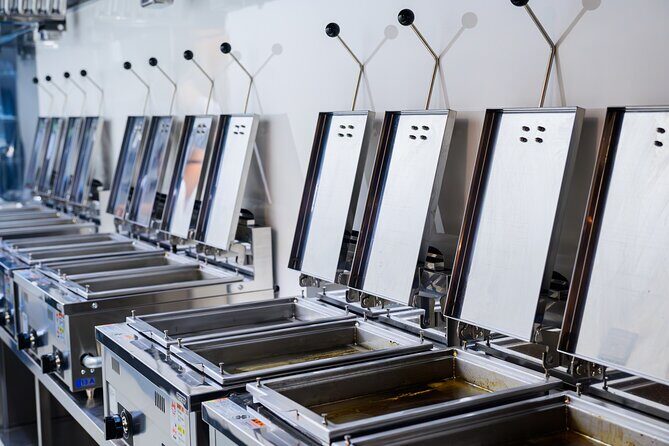
- The Moment You Cook Them: Using the Machine
- The Samurai Add-On: Photos Without Losing the Plot
- Price and Value: Is $118.19 Worth It?
- Timing and Flow: How to Plan Your Kyoto Evening
- Who This Gyoza Class Fits Best
- Final Verdict: Should You Book It?
- FAQ
- How long is the gyoza cooking class?
- What is the price per person?
- Is there an English-speaking instructor?
- What’s included in the class?
- Can I choose what goes in the dumplings?
- Do I make the wrappers myself?
- How many people are in a group?
- Where do we meet for the class?
- Is samurai armor part of the experience?
Key things to know before you go
- Wrappers from scratch: you practice dough and folding, not just assembling
- English-speaking instructors: classes run smoothly even if your Japanese is basic
- Professional baking machine: you cook with equipment built for consistent results
- Optional samurai armor photos: it’s a fun add-on without replacing the food focus
- Small group size (max 20): you get a real working station instead of watching
Kyoto Townhouse Setting: Why the Room Changes the Class
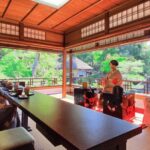
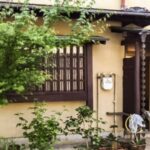
The meet-up is at 230-1 Kamimyōkakujichō in Nakagyo Ward, and the experience is designed to feel local from the moment you walk in. You’re inside a traditional Kyoto townhouse, which matters more than it sounds. A home-style setup keeps the class hands-on, with fewer distractions than a big, staged workshop.
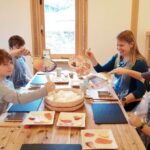
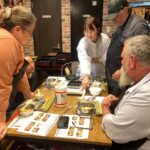
Because the group is capped at 20, the room doesn’t feel crowded. That’s important for gyoza, which is all about timing and touch. You need room to roll, fold, and adjust without feeling rushed, and a smaller class size makes that more likely.
Other cooking classes in Kyoto


What You Actually Cook in 90 Minutes
This is a focused 1 hour 30 minutes class that moves in a logical order, from ingredients to finished dumplings. The goal is simple: you create your own delicious gyoza, and you leave knowing how to do it again later.
Here’s the flow you can expect:
1) Pick your filling
You choose a filling you’ll use for your batch. That choice is one of the best parts because it turns the class into your food, not just someone else’s recipe.
2) Make wrappers from scratch
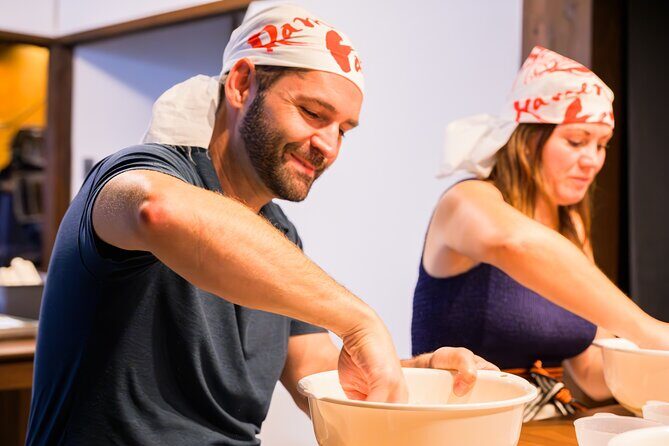
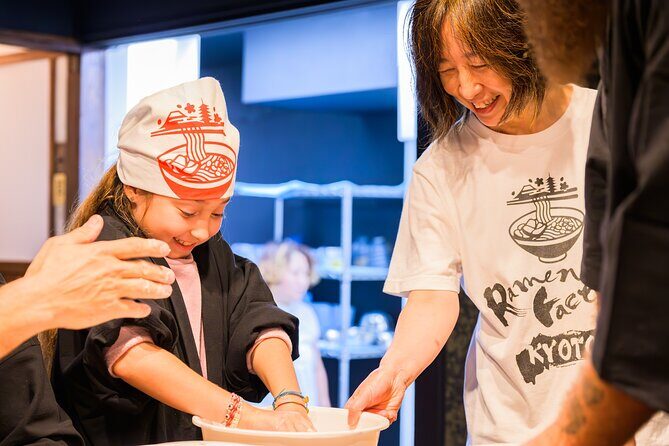
You don’t rely on store-bought wrappers. You learn how to create gyoza wrappers, which changes your understanding of the dish right away. Even if you keep the same filling at home, making the dough and wrapper is where the technique really lives.
3) Practice the wrapping
Wrapping is the signature skill. Expect step-by-step guidance on how the dumpling comes together and how to seal it.
4) Cook using a professional baking machine
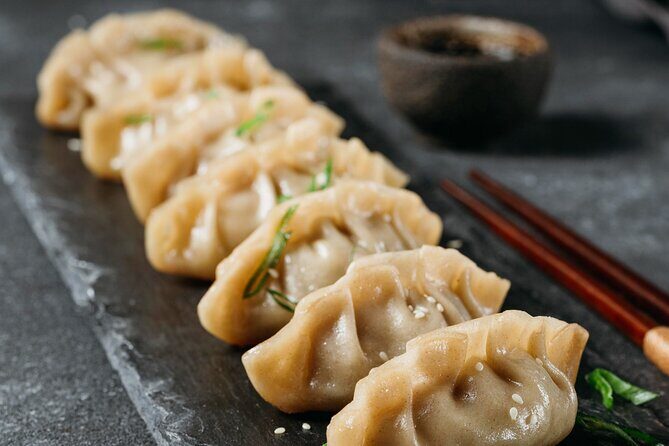
Instead of cooking with trial-and-error pans, you use a professional baking machine. That’s a big practical advantage: it helps you get good results during the limited class time, and it reduces the frustration that can happen when heat is uneven.
5) Optional samurai armor and photos
After the cooking, there’s an optional costume moment. If you want the look, you can dress up in samurai armor and take memorable photos—without turning the class into a theme park.
Wrapper-Making That You’ll Be Able to Repeat
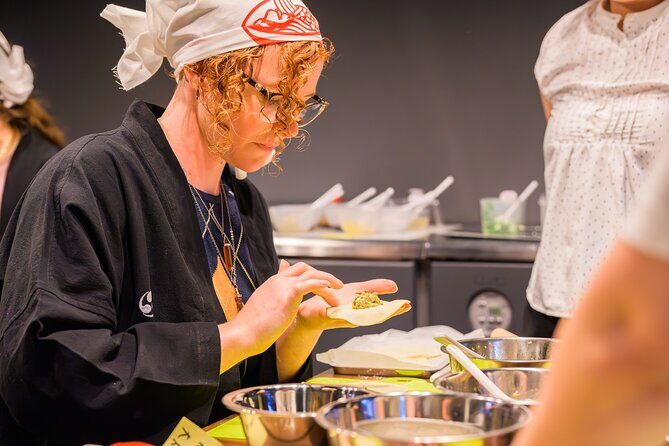
The class teaches gyoza in a way that actually supports home cooking. Many cooking activities end with you eating a nice meal. This one tries to end with you being able to reproduce the results.
When you make wrappers yourself, you learn three big things you can reuse:
- Texture control: dough handling and how the wrapper feels before it goes to work
- Thin-but-strong folding: you learn how the wrapper holds together during wrapping
- Consistency: cooking gyoza is easier when your dumplings are closer in size and thickness
Also, the instruction quality seems to be a major strength. I’ve seen multiple instructors highlighted, including Hama and Maya (and Ryo in at least one session). The common thread is that English guidance is described as clear and the steps are treated like something you can learn quickly, not a mysterious craft reserved for experts.
One more practical detail: you’ll use tools provided for the class. So you’re not stuck bringing kitchen gear or guessing what you’ll need.
Filling Choices: Small Decision, Big Satisfaction
Choosing your filling sounds minor, but it changes your whole experience. When you pick what goes inside, the cooking feels personal. And when you get to eat your dumplings at the end, the satisfaction is easier to understand and remember.
You also get a simple takeaway angle: once you master the wrapper and wrapping method, different fillings become variations of the same technique. That’s exactly the kind of skill you can share with friends later because it’s repeatable, not one-time entertainment.
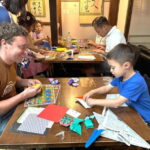
If you’re traveling with kids or teens, this is a smart hook. Letting them select a filling gives them ownership, and they’re more likely to be patient while learning the wrapping steps.
The Moment You Cook Them: Using the Machine
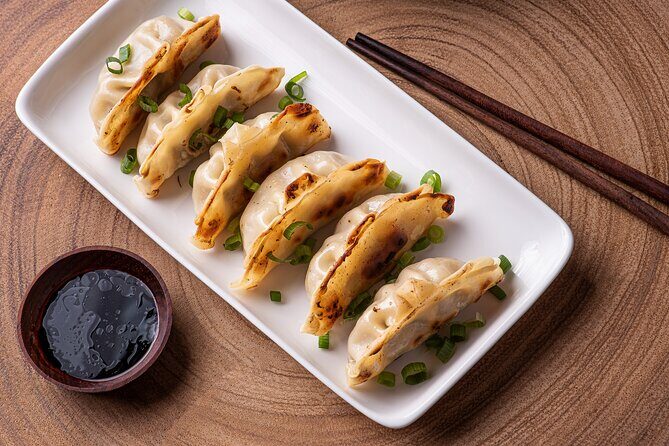
Gyoza cooking can be finicky if you’re at home—heat, timing, and how the dumpling sets can make the difference between good and disappointing. Here, you cook with a professional baking machine, which helps you avoid the most common beginner problems.
What that means for you:
- Your dumplings are more likely to finish properly during the class time
- You learn the workflow of cooking without getting stuck troubleshooting the hardware
- You can focus on wrapping quality, since cooking variability is reduced
This is also where the class earns its time. In about 90 minutes, you get a complete loop: make, wrap, and cook, rather than leaving with only raw ingredients and theory.
A few more Kyoto tours and experiences worth a look


The Samurai Add-On: Photos Without Losing the Plot
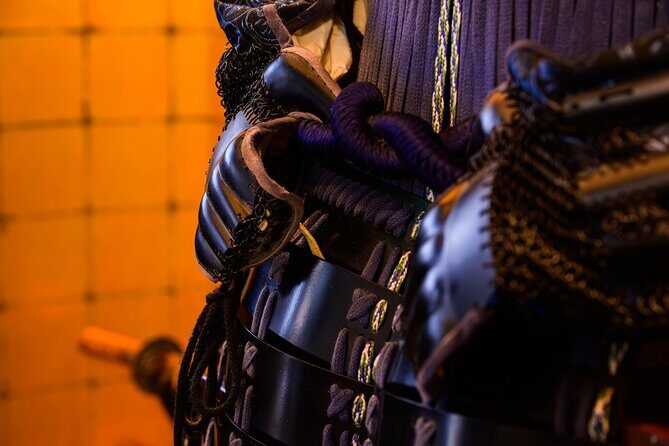
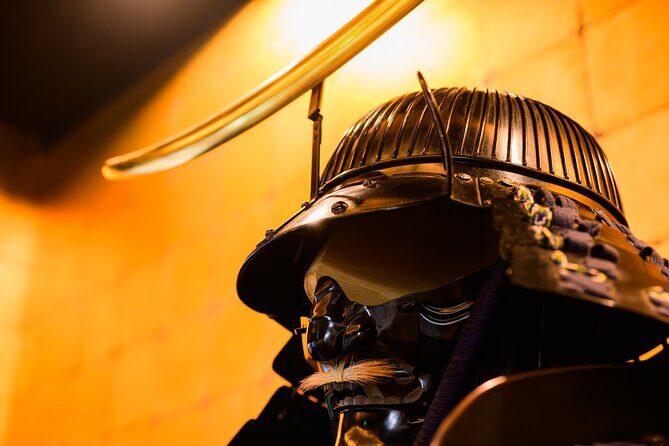
Right after the cooking, you have an optional chance to dress up in samurai armor and take photos. For some people, that’s the fun souvenir moment. For others, it’s a light bonus after the real work of learning gyoza.
Either way, it doesn’t replace the main attraction. The class is still about dumplings. One small detail that comes up in the experience notes: you may receive items tied to the class atmosphere, like an apron souvenir, and in at least one case a headband along with the apron.
If you’re the type who likes culture details but also wants something hands-on, this is a good mix. You get both the food skill and a visual memory that matches Kyoto’s historical vibe.
Price and Value: Is $118.19 Worth It?
Let’s be honest: $118.19 per person is not a “quick cheap activity.” You’re paying for three things that often cost extra when you try to DIY:
- Instruction in English
- All cooking tools provided
- A complete, guided process that includes wrapper-making and cooking with a professional machine
You’re also paying for the class format: a small group (max 20) and a traditional townhouse setting, which likely keeps the experience controlled and comfortable for hands-on practice.
A few notes that help you judge value:
- If you genuinely want a skill you can recreate, the wrapper-making and wrapping instruction is the core value.
- If you mostly want food without learning technique, you might feel the price more than the payoff.
- If you’re traveling without your own kitchen access at home, a class like this becomes even more valuable because it gives you something practical to bring back.
Transportation isn’t included, so add the cost of getting yourself to 230-1 Kamimyōkakujichō. The experience does say you’re near public transportation, so that part is likely manageable.
Timing and Flow: How to Plan Your Kyoto Evening
Since the class is about 1 hour 30 minutes and ends back at the meeting point, it’s easy to plug into an evening. You’ll want to plan it earlier rather than later if you hate rushing. Cooking takes attention, and Kyoto sidewalks can make you start over if you’re late.
Also, because it’s a small-group activity, punctual arrival matters. Mobile ticket entry is included, which helps you avoid extra waiting.
If you’re juggling Kyoto in a single day, treat this like a centered activity, not a side stop. The best results happen when you’re not trying to squeeze it between long transit hops and multiple reservations.
Who This Gyoza Class Fits Best
This class is a strong match if you want:
- A hands-on Kyoto experience with clear steps
- Cooking you can share at home (especially because wrapper-making and wrapping are the repeatable parts)
- A balance of food and culture, with an optional samurai photo moment
It’s also a good fit for families. One highlighted format included parents and a 10-year-old, with the class described as simple, fun, and informative. For teens, gyoza wrapping can be a surprisingly good challenge—small enough to try, quick enough to succeed.
If you’re a serious foodie who already cooks at home, you’ll still likely enjoy the process because the class teaches technique, not just flavor. If you’re brand-new to cooking, that’s fine too; the strong emphasis on easy-to-follow steps and English instruction is clearly part of what people appreciate.
Final Verdict: Should You Book It?
Book it if you want a Kyoto activity that gives you both a tasty outcome and a real skill. The wrapper-from-scratch approach plus English-speaking guidance plus professional cooking equipment makes it far more likely you’ll leave feeling proud of what you made, not just fed.
Skip it (or look for another option) if you’re only interested in eating gyoza and don’t care about learning technique. At this price, the value depends on whether you’ll practice the steps and actually use them later.
If that sounds like you, this class is a solid choice.
FAQ
How long is the gyoza cooking class?
The class runs about 1 hour 30 minutes.
What is the price per person?
The price is $118.19 per person.
Is there an English-speaking instructor?
Yes. The class includes an English-speaking instructor.
What’s included in the class?
Cooking tools are provided, and you’ll have instruction as you make gyoza dumplings.
Can I choose what goes in the dumplings?
Yes. You choose your favorite filling.
Do I make the wrappers myself?
Yes. You make gyoza wrappers from scratch.
How many people are in a group?
The maximum group size is 20 travelers.
Where do we meet for the class?
Start point is 230-1 Kamimyōkakujichō, Nakagyo Ward, Kyoto, 604-0025, Japan.
Is samurai armor part of the experience?
Samurai armor is optional. You can dress up and take photos after the cooking.