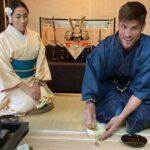
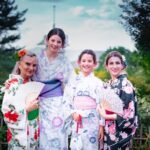
An izakaya class feels like hanging with locals. In Kyoto, you’ll spend a relaxed afternoon learning Japanese home dishes in a hands-on kitchen, then eat what you make in two separate rounds. I especially like the two-part format (cook, eat, cook again), and I love that you can take step-by-step recipes home so the class doesn’t end when you walk out the door. One possible drawback: the pace is fairly active, so plan to stand, chop, and move with purpose for the full 3 hours.
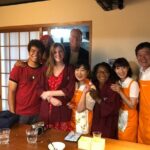
The class is led in English, which matters in Japan where food talk can get technical fast. Names that come up in the teaching team include Yumi and Yumiko, and the vibe is patient and encouraging, even if you’re not a practiced cook.
It’s also a great value idea for a Kyoto day that otherwise might turn into back-to-back temples. You’re paying $67 for ingredients, utensils, instruction, and a meal you can replicate later, not just a quick demo.
In This Review
- Quick takes
- Kyoto’s Afternoon Izakaya Cooking Class, in Real Terms
- Where Cooking Sun Is and How to Start on Time
- The 3-Hour Flow: Cook, Eat, Cook Again
- What You Might Cook: Japanese Home Dishes, Not Just One “Icon” Food
- Why the Izakaya Conversation Style Matters
- English-Speaking Chefs and the Teaching Style That Gets Results
- Recipes You Can Actually Use at Home (That’s the Real Souvenir)
- Price and Value: Is $67 Worth It?
- Who Should Book This Class (and Who Might Think Twice)
- Tips to Make Your Kyoto Afternoon Go Smoothly
- Should You Book Cooking Sun’s Kyoto Izakaya Class?
- FAQ
- How long is the Kyoto afternoon izakaya cooking class?
- What language is the instruction?
- How many dishes will I cook?
- What’s included in the price?
- Is it wheelchair accessible?
- What if I have dietary requirements?
- Can I cancel for a full refund?
Quick takes
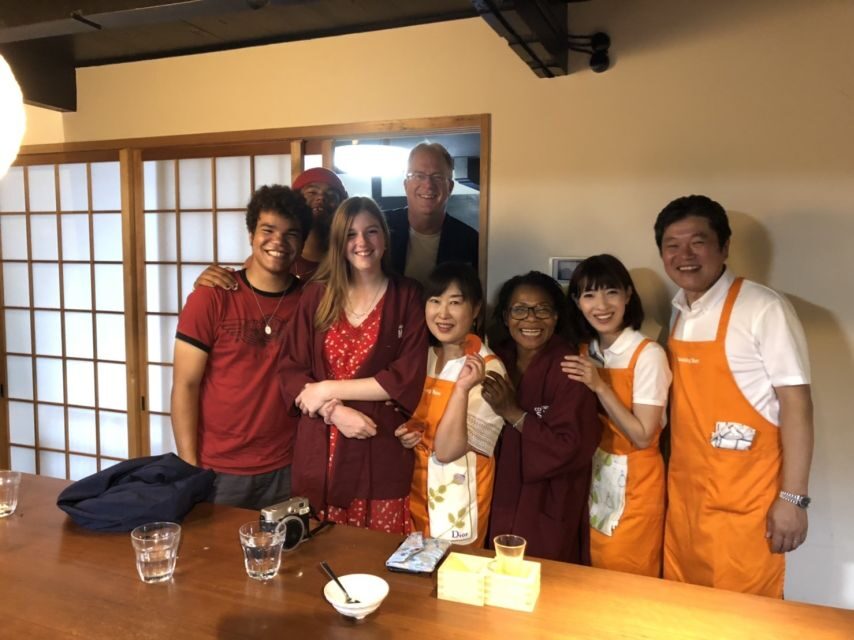
- Hands-on izakaya style: cook at the station, then eat immediately, then cook again.
- English instruction: you’re guided through steps without needing food jargon.
- Home-style focus: you learn dishes locals actually cook, not just tourist staples.
- Take-home recipes: you leave with clear, documented instructions you can follow later.
- Small-group feel: people often describe getting plenty of attention while working.
- Flexible for diets: tell them dietary needs when booking so you can be accommodated when possible.
Kyoto’s Afternoon Izakaya Cooking Class, in Real Terms
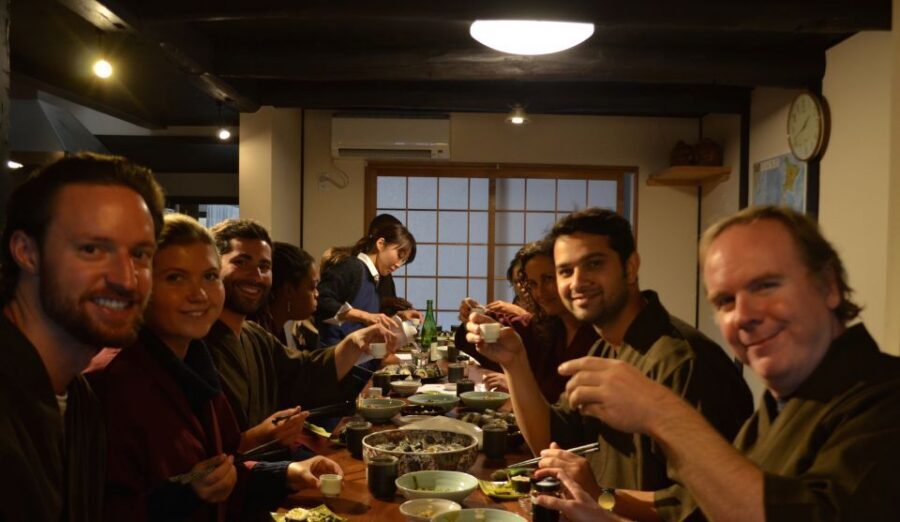
Kyoto is full of food experiences, but this one hits a different spot: you’re not just eating Japanese food, you’re cooking it the way families and casual neighborhood restaurants do it. The target theme is izakaya dining—think over-the-counter, chat-friendly meals where food is built for sharing.
This class lasts about 3 hours, which is a sweet window. It’s long enough to learn real technique, but short enough that you can still enjoy Kyoto afterward without feeling like your whole day got hijacked.
The big reason I think this works is the rhythm. You cook, you eat, then you cook again. That makes the steps stick because you taste what the process is supposed to create, not just what the final dish looks like.
And with a 4.9 rating across hundreds of check-ins, it’s clearly doing something right: clear teaching, good organization, and food people actually love.
Other cooking classes in Kyoto


Where Cooking Sun Is and How to Start on Time
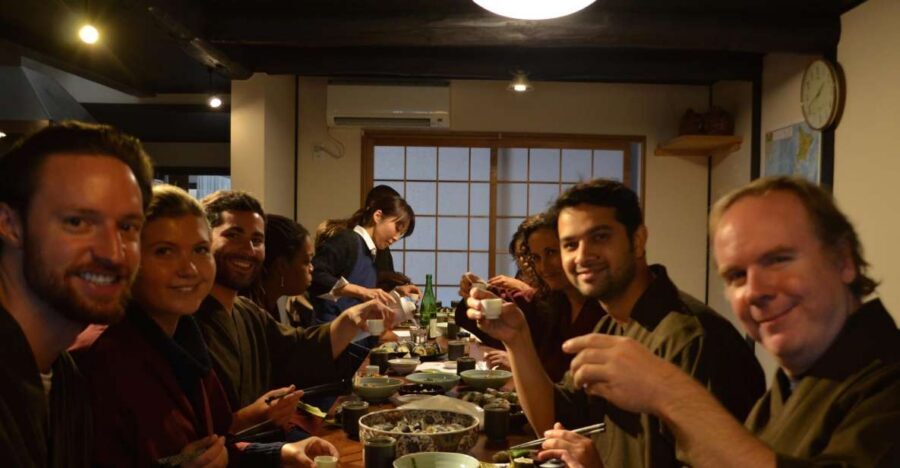
You meet at Cooking Sun in Funayacho, Shimogyo Ward, Kyoto (Kyoto 600-8466, Honshu). This matters because you can plan your afternoon like an adult: arrive ready, check in, and don’t waste the first 30 minutes trying to figure out where your group is.
A practical approach:
- Aim to arrive a little early so you can get your bearings and settle in.
- Bring a normal level of curiosity about cooking. You don’t need to be a chef, but you do want to participate.
If you have any dietary requirements, you should tell the local supplier when you book. That detail shows up as a key part of how the class can stay smooth for different needs.
The 3-Hour Flow: Cook, Eat, Cook Again
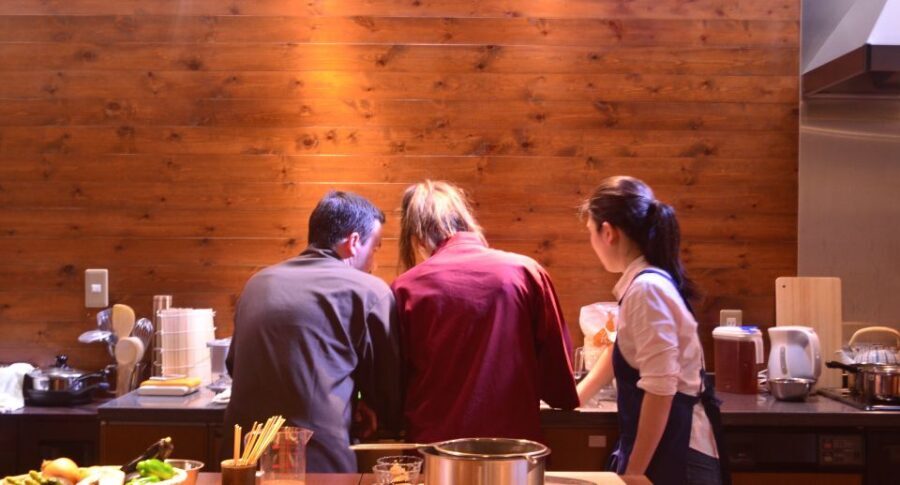
The class is built in two cooking rounds.
Part 1: Your first set of dishes
You’ll cook 2 or 3 dishes together with your chef. This is the moment to learn the basics: chopping, seasoning, timing, and how Japanese flavors are built (often starting with foundations like dashi in recipes that call for it). You work side-by-side with the instructor, and you can ask questions while you cook.
Then you eat what you just made. That’s not just a reward. It’s how you learn. When you taste the finished dish right after cooking it, you understand what matters and what can be adjusted.
Part 2: More dishes, second taste
Next, you return to the kitchen and learn another 2 or 3 dishes. The second round usually feels more confident because you already understand how the station works and what the instructor expects.
Finally, you eat again—so you get a full meal out of the experience, not a tiny sampling.
One practical consideration: because it’s active and structured, it can feel fast-paced in a good way. If you love cooking but hate multitasking, just know you’ll be doing more than watching.
What You Might Cook: Japanese Home Dishes, Not Just One “Icon” Food
The class is positioned as Japanese home cooking with an izakaya-style feel, and the menu isn’t just the same two things people expect. In past menus and reported outcomes, you might see dishes such as:
- Okonomiyaki, including experiences described as among the best people have had
- Dishes built on dashi or similar flavor foundations (one cooking theme that came up strongly)
- A mix of savory plates that feel practical enough to recreate later
- In some sessions, a dessert component also appears in the overall flow
Here’s the value for you: Japanese food often looks intimidating until you learn how it’s actually assembled. Learning home-style techniques gives you a toolkit, not a single memorized recipe.
Even better, the teaching style seems designed for real success. People mention step-by-step instructions and that tasks are approachable, even for non-experts.
Why the Izakaya Conversation Style Matters
This isn’t a silent, hands-off cooking demonstration. It’s closer to how izakaya meals feel: talk, taste, adjust.
As in izakaya (over-the-counter) settings, you’re expected to communicate with your chef while you cook and while you eat. That’s a big deal because Japanese cooking often depends on small decisions—heat level, seasoning timing, and texture—where a quick answer from the chef saves you from guessing.
I also like that this structure helps you learn technique in a human way. You’re not just collecting facts. You’re getting guidance in the moment, which makes the process easier to repeat at home.
Other drinking tours in Kyoto




English-Speaking Chefs and the Teaching Style That Gets Results
A common theme across the experience is that the instruction is in English and the teaching team is friendly, organized, and encouraging.
Specific details that stand out in how the class is delivered:
- Clear, step-by-step guidance so you don’t feel lost
- Plenty of support as you work
- A relaxed atmosphere where people feel comfortable asking questions
- Well-prepared cookware and utensils so you can focus on cooking rather than equipment problems
In one mention of the teaching team, Yumi and Yumiko are named as particularly kind and entertaining, and people often describe guides as relaxed rather than strict.
If you’ve ever taken a class where the instructor talks in a blur, this isn’t that style. The class seems designed so you can keep up.
Recipes You Can Actually Use at Home (That’s the Real Souvenir)
The best cooking classes don’t just feed you for one afternoon. They leave you with the ability to reproduce the flavors.
In this case, people describe receiving a well-documented recipe set and simple, step-by-step instructions for each dish. That matters because Japanese ingredients and seasoning ratios can be confusing on your own. If you already have the exact method and ingredient list from the class, you’re far more likely to succeed.
I’d treat these recipes like a grocery and technique plan:
- Use the recipe directions as your default method.
- When you can’t find an ingredient, use the technique cues (heat, timing, texture) to adapt.
- Keep the foundation sauces and seasonings in mind for future experiments.
One practical note: Japanese cooking often relies on pantry staples. People even joke about needing ingredients like mirin and dashi afterward, which tells you the class is giving you something real, not a watered-down version.
Price and Value: Is $67 Worth It?
$67 for a 3-hour Kyoto class sounds reasonable because you’re paying for a lot more than the chef’s time.
Here’s what you’re getting for the money:
- Cooking class instruction
- Ingredients
- Apron and utensils
- Multiple dishes cooked and eaten during the session
- Recipes you can take home
Value-wise, this is strong because you’re not paying mainly for “a show.” You’re paying for hands-on skill-building and a meal. If you compare that to spending $67 on one night out, you get a repeatable advantage instead of a one-time experience.
And because the instruction is in English, you’re not paying for the privilege of struggling to follow basic steps. The class is designed to reduce that frustration.
Who Should Book This Class (and Who Might Think Twice)
This experience is ideal if you:
- Want a hands-on Kyoto activity that still includes real food culture
- Like learning by doing, not by watching
- Want dishes you can recreate instead of only taking photos
- Prefer smaller, guided cooking with time to ask questions
- Enjoy izakaya-style dining energy
You might think twice if:
- You don’t like active, time-managed cooking sessions. The class is paced to fit multiple dishes in 3 hours.
- You have very specific dietary needs and haven’t communicated them during booking. The class says dietary requirements should be shared up front.
Also, if you’re the type who gets overwhelmed in kitchens, remember that many people report the tasks are doable and instructions are clear enough for beginners.
Tips to Make Your Kyoto Afternoon Go Smoothly
You can get even more out of this class with a few small choices:
- Tell them your dietary needs at booking. It’s the simplest way to help the kitchen plan for you.
- Wear comfortable clothes. You’ll be standing and working at a station.
- Ask questions as you go. The izakaya-style conversation is part of the learning.
- Take photos of your setup before you start. Not of the dish for bragging, but of the process if you think you’ll forget the order of steps.
- Plan your dinner after class lightly. You’ll be eating during the session, potentially in two rounds.
If you’re traveling with someone who doesn’t cook much, this class can still work. People describe that even non-cooks had a good time, and the teaching approach seems supportive.
Should You Book Cooking Sun’s Kyoto Izakaya Class?
If you want a Kyoto experience that goes beyond temples and photos, I’d lean strongly toward booking. The mix of hands-on cooking, clear English instruction, and take-home recipes makes it one of those activities where your money turns into skills you can use later.
It’s also a smart weather-proof plan for an afternoon. When it’s raining or hot, cooking in a controlled kitchen beats trying to power through sightseeing.
My final advice: book if you like food you can actually cook at home. Pass if you want only a passive tasting experience or you hate fast-paced, guided kitchen work.
FAQ
How long is the Kyoto afternoon izakaya cooking class?
The duration is 3 hours.
What language is the instruction?
The instructor teaches in English.
How many dishes will I cook?
The class is in two parts, where you cook 2 or 3 dishes in the first round and 2 or 3 more dishes in the second round.
What’s included in the price?
The class includes cooking instruction, ingredients, cooking apron and utensils, and you cook and eat the dishes during the session.
Is it wheelchair accessible?
Yes, the activity is wheelchair accessible.
What if I have dietary requirements?
If you have dietary requirements, you should let the local supplier know upon booking.
Can I cancel for a full refund?
You can cancel up to 24 hours in advance for a full refund.