Gion has a way of grabbing you fast. This private walk is built for one-on-one time with a guide who tailors the pace and sights to your interests, then threads you through Kyoto’s old entertainment lanes. I especially like the lantern-lit streets and traditional teahouses vibe, and the way the tour uses local context to make places feel understandable, not random. One drawback to weigh: actual geiko or maiko sightings aren’t guaranteed, and crowds can make the timing feel a bit chaotic.
You also get a clear, logical route rather than a loose wander. You’ll move from iconic Gion streets into landmark stops like Yasaka Shrine and finish in Pontocho Alley, where classic Kyoto charm meets dinner-night energy. Since it’s mainly walking, it’s best if you’re comfortable covering a few miles on uneven streets and don’t mind slipping around groups.
In This Review
- Key highlights I’d plan around
- Why a private Gion walk is worth the money
- Gion in 2–3 hours: what this route actually gives you
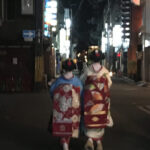
- Entering Gion: machiya houses, teahouses, and lantern-lit lanes
- A quick reality check on geisha-area sightings
- Yasaka Shrine: the festival landmark between Gion and Higashiyama
- Shinbashi Dori and Tatsumi Bridge: scenic walking and a real photo moment
- Pontocho Alley to end: classic Kyoto dinner-night atmosphere
- Guide quality matters: names you’ll see and what they suggest
- Price and value: what $101.57 buys you (and what it doesn’t)
- Logistics that affect your enjoyment (without the stress)
- What to do before booking: get the route you want
- Should you book this Gion private tour?
- FAQ
- What is the duration of the Kyoto Gion Private Tour?
- Is this tour private?
- Where does the tour start and end?
- What’s included in the price?
- What is not included?
- Does the tour include pickup?
- What is the cancellation policy?
Key highlights I’d plan around
- Undivided private time with a guide, so you can steer toward history, photos, or food recommendations
- Gion’s traditional street details like machiya houses and ochaya (teahouses) along the way
- Yasaka Shrine, 1,300+ years old, and tied to major Kyoto festivals
- Shinbashi Dori + Tatsumi Bridge photo stop on a scenic, willowy street
- Pontocho Alley wrap-up at Kyoto’s oldest nightlife-style lanes, with local pointers as you go
- Guide experience shows up in the reviews: Emi, Alexis, Olan, Nisa, Ai, Milo, Toga, Kenta, Takaya-san, Brenda, Tess, Michael, and Ada are all named by guests as strong matches
Why a private Gion walk is worth the money
At $101.57 per person, this isn’t the cheapest way to see Gion. But you’re paying for the real advantage: a guide who adjusts in real time.
In areas like Gion, a self-guided stroll can turn into a lot of “pretty street, pretty building, next street.” With a private guide, you get meaning attached to what you’re looking at: why specific lanes matter, what historical layers you’re walking past, and what details are worth slowing down for. That’s what makes the experience feel less like sightseeing and more like getting your bearings fast.
The other value piece is practical. You’ll have direct communication with your host before the walk, plus a pre-tour questionnaire. That’s where you can nudge the route toward your interests so you don’t end up with a mismatch.
A few more Kyoto tours and experiences worth a look


Gion in 2–3 hours: what this route actually gives you
The pacing is built for a compact tour, roughly 2 to 3 hours. That matters because the Gion area can feel endless once you’re inside it—every corner looks right, and suddenly your “quick walk” becomes a long maze.
This route keeps you moving through the most recognizable highlights in a sensible arc:
- You start in central Kyoto (near a major pharmacy store at Matsumoto Kiyoshi Kyoto Shijo Kawaramachi), then head into the Gion atmosphere.
- You cover the classic Gion streets and scenery tied to the teahouse world.
- You add a major spiritual landmark stop with Yasaka Shrine.
- You finish with scenic street views and a photo moment at Tatsumi Bridge, then end in Pontocho Alley.
If you only have a morning or an evening free, this format helps you get the emotional “feel” of the district without burning half a day.
Entering Gion: machiya houses, teahouses, and lantern-lit lanes
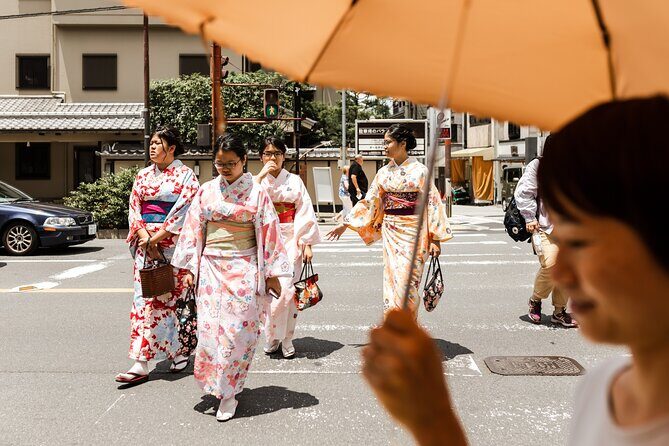
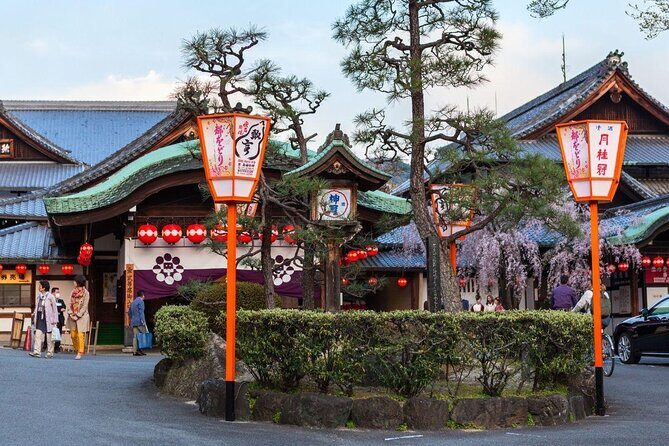
This is the part most people come for, and for good reason. The walk focuses on Gion’s narrow lanes and traditional wooden machiya houses, the kind of architecture that makes Kyoto look like it’s been preserved (even though it hasn’t stood still).
You’ll also pass by ochaya (teahouses) and learn what to notice beyond the postcard view. A good guide here can turn “I see buildings” into “I understand what this neighborhood is connected to.”
Why that matters: Gion is strongly associated with geiko and maiko culture (you’ll hear that connection explained as you go). Even if you don’t catch a sighting, you’ll still come away with a better mental map of the district’s roles—where people went, why certain streets were important, and how the neighborhood’s entertainment history shaped what you see today.
A quick reality check on geisha-area sightings
Some reviews mention disappointment about not seeing geisha-related figures, and one person reported leaving early when expectations weren’t met. So I’d treat any sighting as a bonus, not the mission. The mission is the district itself, plus the cultural context your guide supplies.
Yasaka Shrine: the festival landmark between Gion and Higashiyama
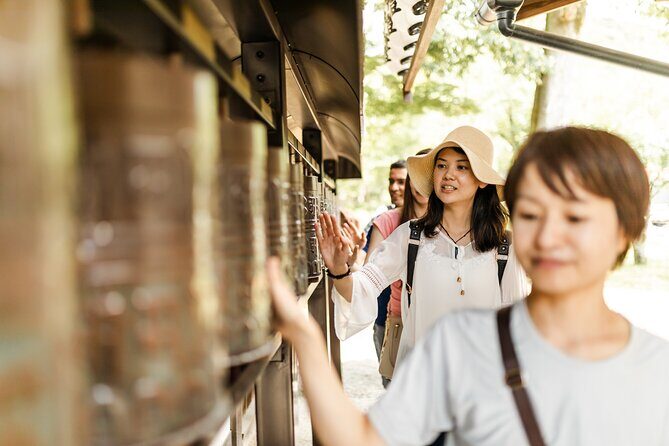
Next you’ll get a major shift in tone. Yasaka Shrine sits between Gion and Higashiyama, and it’s described as spanning over 1,300 years. That time depth changes how you experience the street scenery around it. Instead of only seeing aesthetics, you start seeing continuity.
The shrine is also tied to famous Kyoto festivals. Even if you’re not there during a festival day, your guide can connect what you’re looking at to why these celebrations matter in Kyoto’s calendar. That context is where a private guide earns its keep—religious sites can feel mysterious if you don’t have a simple map of meaning.
Practical note: shrines can get busy, so give yourself a little buffer and don’t plan a tight connection right after.
Other guided tours in Kyoto




Shinbashi Dori and Tatsumi Bridge: scenic walking and a real photo moment
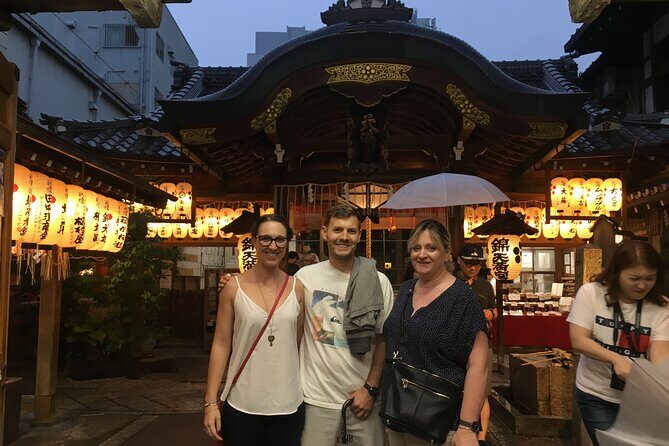
After Yasaka Shrine, the tour moves into Shinbashi Dori, a picturesque street framed by willows and traditional facades. This is the kind of stop that works even if you’re tired, because it’s built for slow walking and looking up.
Then you hit Tatsumi Bridge, mentioned as a beloved photo spot with local significance. Even if you’re not a hardcore photographer, this is the moment that usually snaps the tour into a “now I get it” feeling—Kyoto’s visual rhythm makes more sense once you’ve seen how streets and waterways connect.
If you’re serious about photos, bring a fully charged phone/camera and expect that you’ll shoot from a few angles. A number of guides named in the reviews are praised for strong explanations and storytelling, and one guest specifically called out photography-related help from Alexis.
Pontocho Alley to end: classic Kyoto dinner-night atmosphere
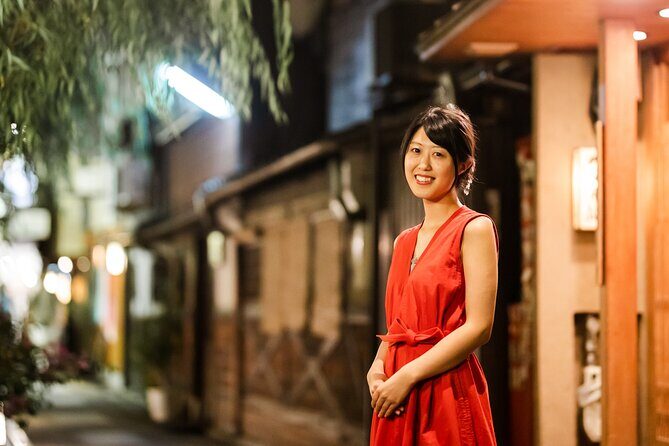
The finale is Pontocho Alley, a narrow passage known for its long-running entertainment and nighttime character. The tour positions it as a natural wrap-up: you get the traditional “old Kyoto” atmosphere, then you see how that tradition lives on in where people eat and meet in the evening.
You’ll also get guidance while you’re there, which helps because Pontocho can be confusing if you arrive cold—lots of doors, lots of signage, and it’s easy to miss the spot that fits your mood.
A review also praised how one guide helped with restaurant choices, and that’s where this ending can pay off. The tour is not selling food to you, but it can point you toward options in the area that match what you asked your guide for.
Guide quality matters: names you’ll see and what they suggest
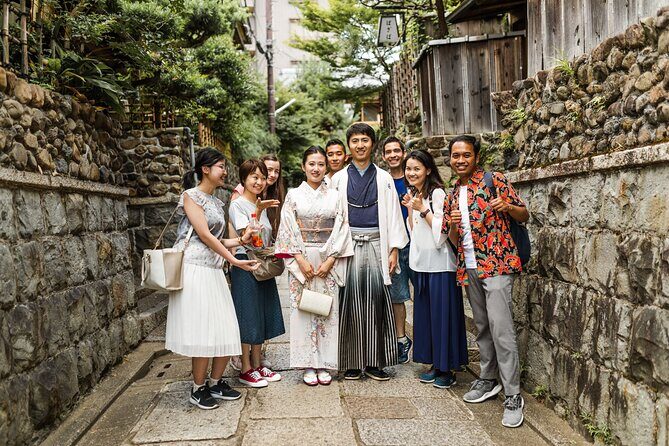
This tour’s biggest strength is the guide, and the reviews named a wide range of them—almost like a reminder that the experience is built on the person holding the leash, not just the route.
Here’s what your guide support can look like in practice, based on named guide experiences:
- Emi stood out for impressive knowledge and how much guests learned.
- Alexis impressed with humor and storytelling, helping one guest fall in love with Kyoto again after a rough arrival.
- Olan was praised for professionalism and an informative, relaxed pace.
- Nisa earned high marks from a family, with lots of useful information.
- Ai was described as exceptional and attentive, covering the key stops guest interest included.
- Milo earned “exceptional” mentions for adapting to interests and keeping a group fully included.
- Toga was noted as friendly and super informed.
- Kenta helped guests finish at Gion Corner Geisha Show if that was part of their planning.
- Takaya-san was praised for an experience detail like chatting with a local coffee shop owner.
- Brenda was repeatedly praised for being lovely and knowledgeable, including one story where she handled a dinner reservation.
- Tess was called engaging and professional.
- Michael was credited with teaching the difference between Old Gion and New Gion, plus Japanese culture context.
So yes, guide variety is real. One poor rating also mentioned a guide who didn’t provide much beyond conversation. Another mentioned no-show issues.
My advice: treat the questionnaire as your steering wheel. Tell them your must-sees and what would feel like a miss. If you specifically want geisha-district context or shrine + street history, say that clearly. Then you’re not hoping for the best—you’re setting the route up for success.
Price and value: what $101.57 buys you (and what it doesn’t)
Let’s talk value without sugarcoating it.
What’s included:
- A private, personalized walking experience
- Flexible start times and duration selection
- A pre-tour questionnaire
- Direct messaging with your host to tailor the route
What’s not included:
- Food, drinks, attraction tickets
- Transportation beyond walking (public transit or taxis may be used, with possible extra cost)
- Gratuities
- No private vehicle
Here’s the value math that matters. In a place like Kyoto, a private guide can replace a bunch of guesswork. You’re not just paying for narration. You’re paying for:
- smart routing through a busy neighborhood,
- context that makes the streets easier to understand,
- and help turning the last stop in Pontocho into something that matches your evening plans.
If you’d rather read a map and move on your own, you might not need this price. But if you want Kyoto explained in plain language while you walk, the cost starts to make sense fast.
Logistics that affect your enjoyment (without the stress)
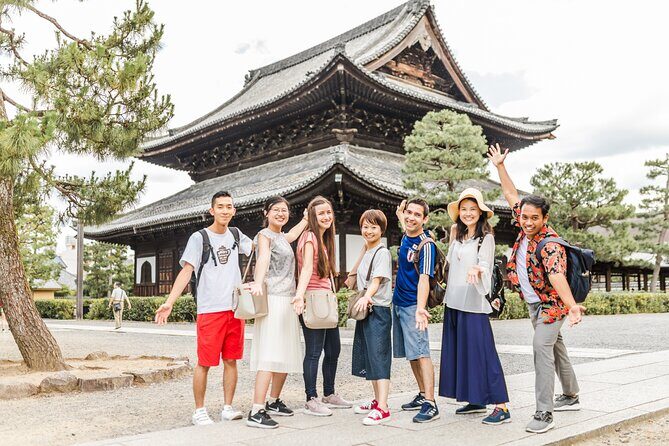
This is a walking tour, and that changes the whole experience. You’ll be moving through older streets, and walking comfort matters. Wear shoes you trust.
Start point matters too. The meeting location is near Matsumoto Kiyoshi Kyoto Shijo Kawaramachi (103-2 Hashimotochō, Shimogyo Ward), and the tour ends back there. That means it’s easiest to plan this as a self-contained block.
Timing note: one review suggested doing it during the day rather than at night. That doesn’t mean one is wrong. It means lighting, crowds, and your energy level all shape how the lanes feel. If you hate peak crowds, pick a time that fits your tolerance. If you love lantern-and-night atmosphere, go for that and accept the busier feel.
What to do before booking: get the route you want
Because the itinerary can be tailored, your job is simple: provide good inputs.
Use the questionnaire to answer things like:
- whether you want more history and culture talk or more “show me what to photograph and where to stand”
- which stops you care about most (Gion lanes, Yasaka Shrine, Shinbashi Dori/Tatsumi Bridge, or the Pontocho ending)
- whether you prefer a slower pace or a more brisk route
Then use your direct messaging to confirm your priorities. That’s how you avoid the situation where you get the wrong mix of sights for what you were hoping to experience.
It also helps to set expectations about sightings. This tour walks the geiko/maiko-associated district, but sightings depend on timing and chance. You’ll still get a lot out of the streets and shrine if you’re there for the neighborhood story, not only for a specific visual encounter.
Should you book this Gion private tour?
Book it if:
- you want a private guide to interpret Gion’s streets, teahouse culture connections, and shrine context in a way that feels clear
- you have limited time (2 to 3 hours) and want the highlights connected into one smooth arc
- you enjoy asking questions while you walk rather than doing everything by reading and guessing
Skip it or choose carefully if:
- you’re booking purely for a guaranteed geiko/maiko sighting (that’s not something this kind of walk can promise)
- you’re extremely sensitive to crowds and want a very controlled, quiet experience
- you need a guide to match a very specific agenda and won’t be flexible if the route adapts
My final take: this is a smart way to see Gion and Pontocho with less confusion and more context. When the guide clicks—as multiple named guides show in the reviews—it turns Kyoto’s most famous streets into something you can actually explain afterward.
FAQ
What is the duration of the Kyoto Gion Private Tour?
The tour runs about 2 to 3 hours.
Is this tour private?
Yes. It’s a private tour/activity, so only your group participates.
Where does the tour start and end?
It starts at Matsumoto Kiyoshi Kyoto Shijo Kawaramachi (103-2 Hashimotochō, Shimogyo Ward, Kyoto) and ends back at the meeting point.
What’s included in the price?
You get a private, personalized walking experience with insider tips, flexible start times and duration selection, a pre-tour questionnaire, and direct communication with your host.
What is not included?
Food, drinks, and tickets to any attractions are not included. Transportation is not included; walking is the main plan, and public transport or local taxis may be used for an additional cost.
Does the tour include pickup?
Pickup is offered.
What is the cancellation policy?
You can cancel for a full refund up to 24 hours in advance of the experience start time. Free cancellation applies, and changes within 24 hours aren’t accepted.