Waking up early can pay off fast. This Kyoto early riser tour strings together major cultural stops with a start from Kyoto Station and a route designed to beat the busiest hours. I like that you get private, personalized attention, and I also like how the plan mixes famous icons with neighborhood atmosphere instead of only big-ticket sights. One thing to watch: entry fees and public transit cost extra, so budget a little beyond the tour price.
In practice, what makes the day feel worth it is the guide’s pacing and the small decisions they can make on the fly. You might see that in how guides like Gigi, Fuji-san, Seiyan San, and Meg are praised for smart details, helping you take good photos, and keeping the day moving at your comfort level. Still, it is a walking day with some public transportation, so if you hate buses and transfers, this won’t feel like a lazy sightseeing stroll.
In This Review
- Key Things to Know Before You Go
- Kyoto Early Riser: Beating Crowds From Kyoto Station
- Private-Group Pacing: Getting More Out of Fewer Hours
- Morning Icon: Fushimi Inari-taisha and Its Torii Tunnel
- Bamboo Forest Street: Beautiful, but Don’t Expect Quiet
- Kinkakuji Temple: The Golden Pavilion Stop (and the Extra Fee)
- Kitano Tenmangu Shrine: Prayers With a Scholarly Twist
- Kamishichiken Area: Geisha-District Atmosphere Near the Shrine
- Nishiki Market: Shopping and Snack Time in a 400-Year Street
- Getting Around: Walking, Buses/Subway, and IC Cards
- Price and Value: What You Pay, What Adds Up, and Why It Still Might Work
- Best-Fit Traveler: Who This Tour Suits
- Practical Tips to Make the Day Easier
- Should You Book the Kyoto Early Riser Platinum Walking Tour?
- FAQ
- How long is the Kyoto Early Riser Platinum one-day walking tour?
- Is this tour private or shared?
- What is included in the price?
- What extra costs should I budget for?
- Do I need to pay for Kinkakuji Temple?
- Where do I meet and where does it end?
- Is the tour stroller accessible?
- What happens if the weather is bad, or I need to cancel?
Key Things to Know Before You Go
- Start early to dodge heat and crowds while hitting Kyoto’s biggest photo stops
- Private tour for your group only, with a guide who can adjust to your pace
- A mix of religion, culture, and everyday Kyoto across several distinct districts
- One paid highlight and transit add-ons (Kinkakuji admission and transit are extra)
- Plenty of walking, not a stroller-friendly route, so wear shoes you can trust
Kyoto Early Riser: Beating Crowds From Kyoto Station
The day begins at Kyoto Station, which is helpful because you’re not hunting for a meeting spot in the middle of traffic. From there, you move through a set of iconic areas in a way that feels built for first-timers: you see the headlines, but you also get context for how the city is laid out.
The tour is about an 8-hour full-day block and emphasizes an early start. That matters in Kyoto because popular sites can get intense, and the midday heat can turn a good plan into a survival exercise.
Other walking tours we've reviewed in Kyoto

Private-Group Pacing: Getting More Out of Fewer Hours
This is a private tour/activity, meaning it’s just your group. That changes the vibe from a typical large group ride: you can ask questions, linger for photos, and slow down when something catches your eye.
The guide role is more than “point and smile.” Multiple guides are noted for giving practical explanations, spotting good viewpoints, and tailoring the day to interests. If you care about Japanese culture and want a day that makes sense instead of feeling like a checklist, that personalized attention is the real value.
Morning Icon: Fushimi Inari-taisha and Its Torii Tunnel
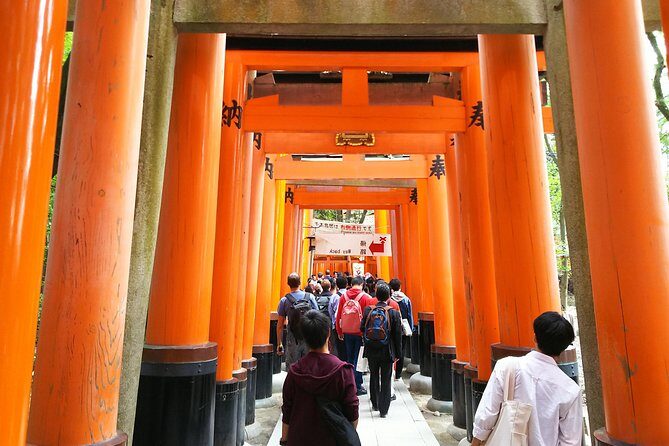
You start at Fushimi Inari-taisha Shrine, home to the famous tunnel of thousands vermilion torii gates. This is the kind of place where early timing helps: you still get the wow factor, but you’re less likely to feel like you’re stuck shoulder-to-shoulder in every photo spot.
Plan for about one hour here. You’ll move through the shrine path at a walking pace, with time to take in the scale and the atmosphere. Practical tip: expect lots of stairs and uneven ground in places, so pace yourself.
This stop is free for admission, which is a win when you’re trying to control costs on a one-day plan. The bigger cost items for the day come later.
Bamboo Forest Street: Beautiful, but Don’t Expect Quiet
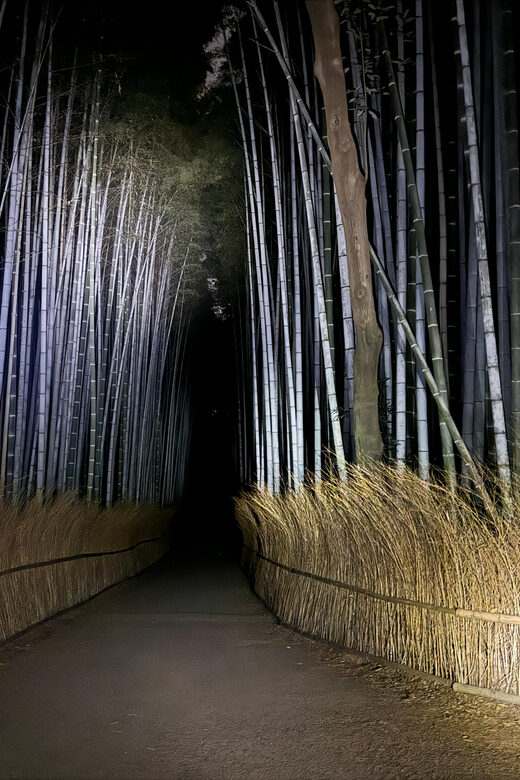
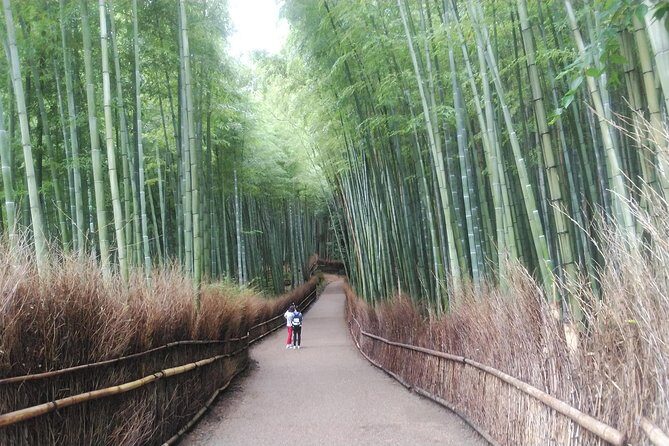
Next is Bamboo Forest Street, around 1 hour 10 minutes. The bamboo here is famous for a reason: light filters through the stalks, and the overall look is softer than you’d expect. The sounds matter too—leaf rustling and the feel of shade can make it seem almost cinematic.
That said, this is still a top attraction. Even with an early start, it can be busy at peak moments. A good guide helps by choosing where to pause and when to move, so you get better views without turning your morning into a waiting game.
Kinkakuji Temple: The Golden Pavilion Stop (and the Extra Fee)
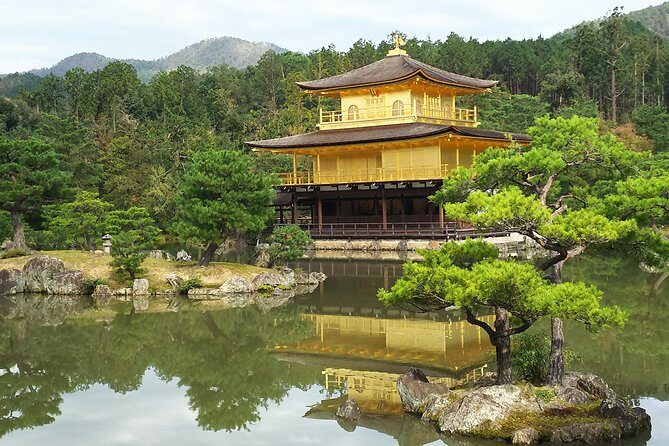
Then comes Kinkakuji Temple for about 50 minutes. This is the famous Zen temple icon tied to Samurai culture, and yes, the Golden Pavilion is still the main event. If you care about Kyoto’s visual identity, this is one of the anchors of the whole day.
Admission here is not included, and the tour lists an admission fee of ¥500 per person. That makes this stop the clearest “budget add-on,” so it’s smart to treat the tour price as a base and plan to pay for Kinkakuji and your transit.
To get the most out of the time, I’d focus on doing two things: first, enjoy the overall setting and reflections; second, don’t just rush the first view. Kyoto looks different from slightly different angles, and a guide who knows the best positions can save you from walking the wrong direction while the crowd swarms.


Kitano Tenmangu Shrine: Prayers With a Scholarly Twist
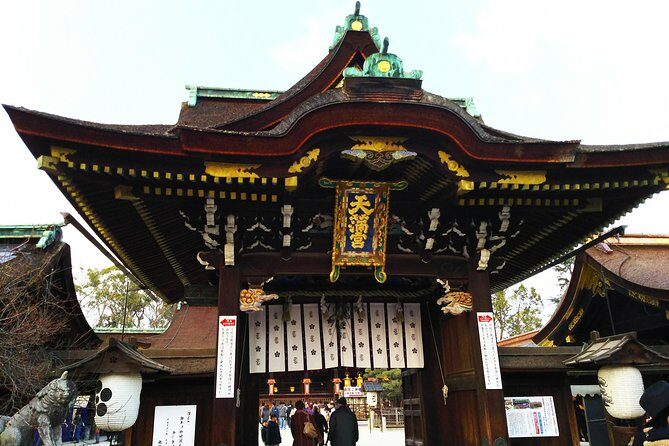
After Kinkakuji, you’ll head to Kitano Tenmangu Shrine for about 30 minutes. This shrine is connected to Sugawara no Michizane, enshrined as a deity associated with academics. The result is a different energy than the tourist-photo vibe: students come here with hopes and wishes for exam success.
Admission is free here, so it balances the earlier extra cost at Kinkakuji. This is also a good reset stop, because it’s less about one single spectacle and more about feeling the shrine atmosphere and why it matters to locals.
Kamishichiken Area: Geisha-District Atmosphere Near the Shrine
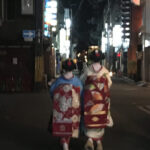
Next is Kamishichiken Kaburenjo Theatre for about 25 minutes. This area sits in Kyoto’s geisha district world—specifically Kamishichiken, which is located right next to Kitano Tenmangu Shrine.
What’s useful for first-timers is that you learn how Kyoto’s traditional arts are distributed across districts, not all packed into one famous corner. Even if you don’t see performers directly, the neighborhood context helps the city click.
Admission is free for this stop, and the time is short, which keeps the day from dragging. If you love cultural details and like learning what you’re looking at, this is the kind of stop your guide can make memorable with explanation.
Nishiki Market: Shopping and Snack Time in a 400-Year Street
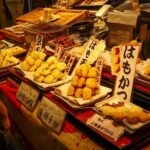
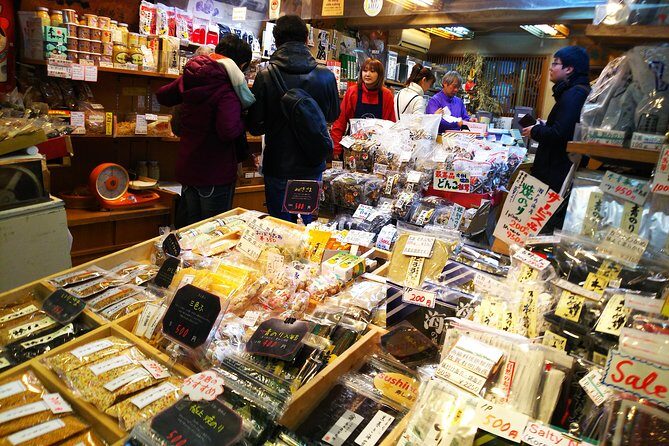
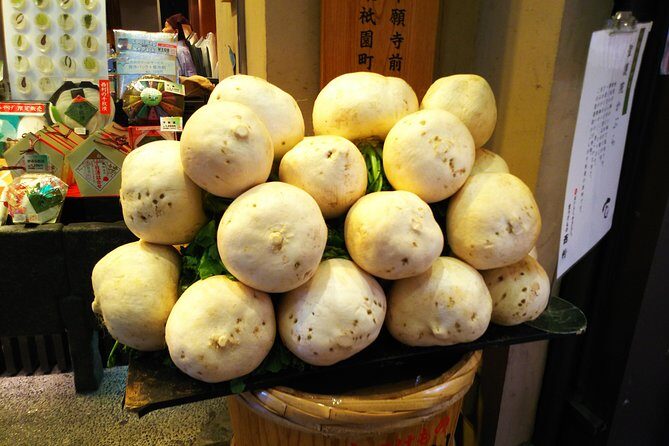
You wrap up with Nishiki Market Shopping District for about 40 minutes. Nishiki is known as a popular food shopping area that has served Kyoto for centuries, and the street layout is packed with shops.
Expect a focused burst of shopping and tasting options: you’ll find Kyoto-style produce, pickles, and small food items along a relatively compact stretch. This is where you can turn the cultural day into something edible—bring a bit of cash or at least know you’ll need easy payment for small purchases.
The tricky part is that forty minutes can vanish fast if you stop for everything. A guide who knows the best ordering approach can help you sample without turning the market into a stress sprint.
Getting Around: Walking, Buses/Subway, and IC Cards
You should expect quite a bit of walking, plus public transportation between stops. Kyoto transit can be crowded and slower than you’d hope, and there’s real time spent on transfers.
The tour price doesn’t include transit; it lists public transportation ¥1,700 per person as an extra. To reduce friction, I’d plan to use an IC card (like Suica) if you have one or can buy one. Trying to pay for every ride with cash can slow you down and make you count coins at the worst possible moments.
If you’re sensitive to walking time, bring sturdy shoes and keep your expectations realistic. This is an efficient day, not a sit-and-view-only day.
Price and Value: What You Pay, What Adds Up, and Why It Still Might Work
The tour costs $130.79 per person. The included item is a professional guide—not transportation, not site admission fees.
Based on the posted add-ons, you should also budget around:
- ¥500 admission fee per person (the tour explicitly notes admission fees not included)
- ¥1,700 public transportation per person
So the real question is value: are you paying for convenience, time, and interpretation? With this route, you’re getting an early start, a private guide, and a one-day plan that hits major Kyoto icons—Fushimi Inari, a bamboo stop, Kinkakuji, Kitano Tenmangu, and Nishiki Market—without forcing you to stitch the day together yourself.
For first-timers who want coherence and timing, this kind of guided structure can be worth the extra cost. If you’re the type who likes slow wandering in a single neighborhood, you may feel the “too much in one day” pressure.
Best-Fit Traveler: Who This Tour Suits
I’d think of this as a strong match if:
- You’re in Kyoto for a short time and want a compact overview of major cultural highlights
- You like asking questions and learning what you’re seeing
- You’d rather avoid crowd-management and route planning on your own
It’s less ideal if:
- You dislike buses and subway transfers and want all walking with no transit
- You want lots of unscheduled downtime in one area
- You need stroller access, since the tour is marked not stroller accessible
Practical Tips to Make the Day Easier
This is a morning-to-evening style outing, so start thinking like it’s a hike day.
- Wear comfortable shoes. There’s a lot of walking across shrine paths and neighborhood streets.
- Dress for temperature shifts. Early starts can feel cool, then you warm up fast later.
- Bring water. Market time is short, and you’ll be moving all day.
- If you’re paying for transit, plan an IC card so you’re not stuck doing math at the ticket machine.
A small but smart mindset: treat each stop as a mini-mission. For example, at Fushimi Inari, focus on the torii sequence and a viewpoint; at Kinkakuji, give yourself time for the pavilion’s setting; at Nishiki, pick two or three items you really want instead of sampling everything.
Should You Book the Kyoto Early Riser Platinum Walking Tour?
If you want your first Kyoto day to feel organized, culturally meaningful, and paced for your comfort, this is an easy yes. The private guide, early start, and mix of Kyoto’s biggest signatures (plus food at Nishiki) make it a strong use of limited time.
I’d hesitate only if you hate public transportation or you’re hoping for an almost stress-free day with minimal walking and zero extra fees. Since Kinkakuji admission and transit are extra, you’ll also want to budget ahead so there are no surprises.
If you book, go in with the right expectations: this is a well-structured early-to-late sightseeing plan, and the payoff is getting Kyoto’s major sights with less hassle than doing it alone.
FAQ
How long is the Kyoto Early Riser Platinum one-day walking tour?
It runs for about 8 hours.
Is this tour private or shared?
This is a private tour/activity, so only your group participates.
What is included in the price?
The tour includes a professional guide.
What extra costs should I budget for?
Admission fees are not included (¥500 per person), and public transportation is extra (¥1,700 per person).
Do I need to pay for Kinkakuji Temple?
Kinkakuji Temple admission is not included, and the tour lists an admission fee of ¥500 per person.
Where do I meet and where does it end?
You meet at Kyoto Station Building 901 Higashishiokōjichō, Shimogyo Ward, Kyoto, and the activity ends back at the meeting point.
Is the tour stroller accessible?
No, it is marked not stroller accessible.
What happens if the weather is bad, or I need to cancel?
The tour requires good weather. If canceled due to poor weather, you’ll be offered a different date or a full refund. You can cancel for free up to 24 hours in advance for a full refund.