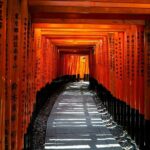
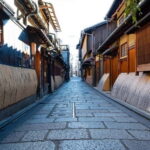
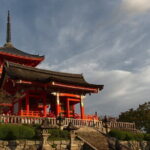
Kyoto feels calmer at sunrise. That’s the magic of this early-morning run & walk with a local guide who knows the city from the inside, not from a textbook. You’ll jog slowly, pause often for explanations, and move through Kyoto’s temple world, riverside air, and quieter neighborhoods while most sightseeing groups are still asleep.
Two things I really like: the guide is Soyo, an English-speaking local who’s lived in Kyoto for 30+ years, and the pace is genuinely beginner-friendly. The possible drawback? This is still a running-and-walking activity, and you’ll need your own running wear and shoes (and rain gear if the weather turns).
In This Review
- Key highlights you’ll care about
- Why an early-morning run-and-walk changes Kyoto
- Price and value: $19.51 for a local-led morning
- Group size and pace: it’s exercise, but not a test
- Route walkthrough: from Higashi Hongan-ji Temple to riverside Kyoto
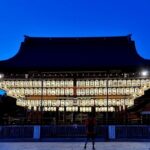
- Stop 1: Higashi Hongan-ji Temple
- Stop 2: Takasegawa
- Stop 3: Kamogawa River
- The shrine stretch: Heian Shrine and Yasaka Shrine in one morning
- Stop 4: Heian Shrine
- Stop 5: Yasaka Shrine
- Hanamikoji Street: finishing with a Kyoto stroll feel
- What Soyo’s local perspective adds (and why it matters)
- Seasonal changes: cherry blossoms and autumn foliage
- Weather plan: light rain still moves, heavy weather cancels
- What to bring so the tour feels easy
- Who this Kyoto run-and-walk is best for
- Should you book Kyoto Run & Walk with Locals?
- FAQ
- Is this tour beginner-friendly for runners?
- How long does the tour take?
- Where do we meet for the Kyoto Run & Walk tour?
- How many people are in the group?
- What is included in the price?
- What if it rains?
- Is it only running, or do we walk too?
Key highlights you’ll care about
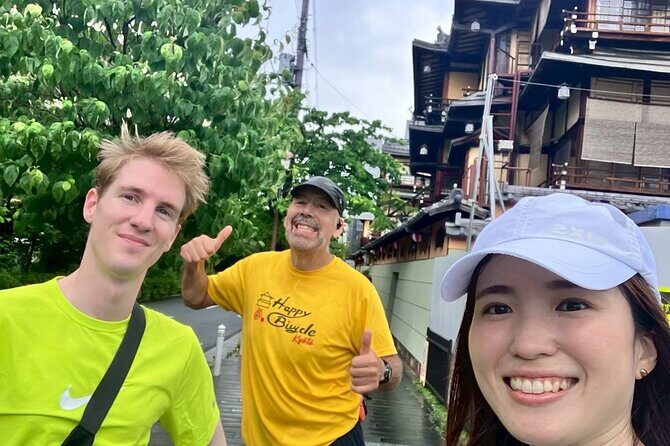
- Small group (max 4 travelers) means you’re less likely to get lost in the pack and more likely to ask questions.
- Slow jog pace (about 7–9 min/km) keeps it social and allows real sightseeing stops.
- Early start to avoid crowds helps you see a calmer Kyoto with fresher air.
- Soyo’s local perspective (30+ years in Kyoto) adds context beyond landmark checklists.
- Seasonal scenery may include cherry blossoms or autumn foliage, depending on timing.
- Light rain becomes a walking tour, so you’ll want rain gear ready.
Why an early-morning run-and-walk changes Kyoto
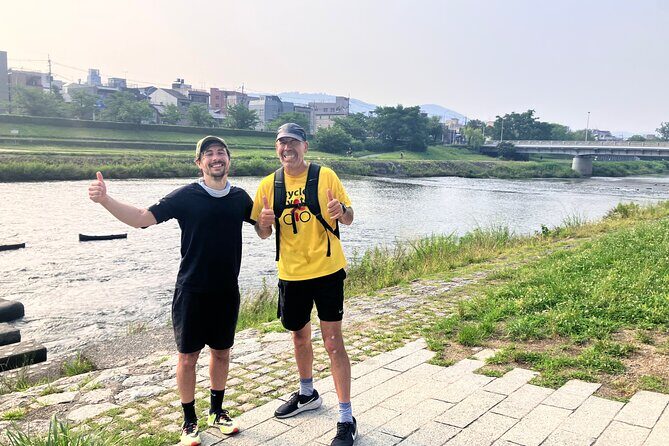
If you’ve only seen Kyoto later in the day, you’ve seen the loud version. This tour starts early so you’re not fighting tour buses, long lines, or the packed sidewalks that can make even famous places feel stressful. Instead, you get Kyoto in a more human rhythm: people moving slowly, streets not yet overwhelmed, and mornings that feel a little more breathable.
You’re also not stuck doing a museum-style walk where you just follow a route. You’ll actually move—slow jog, then walking—so your body warms up, your legs get some work, and your brain wakes up to details you might otherwise miss. When your guide points out what you’re passing and why it matters, it lands better because you’re actively in the scene, not just scanning from a bench.
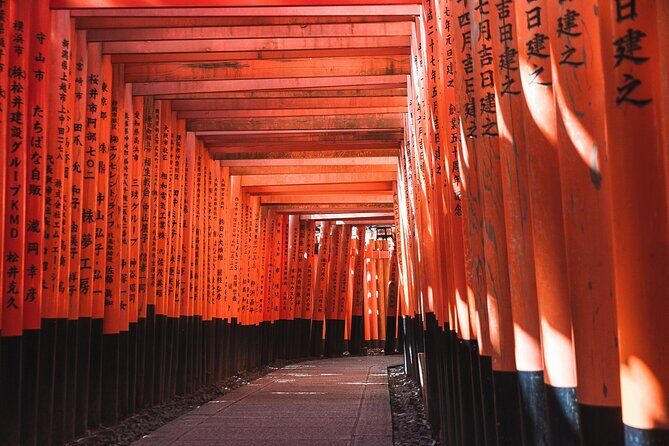
The other big advantage is that you’re promised more than headline sights. The route mixes serene temples, quiet neighborhoods, and riverside sections, plus street time that feels like everyday Kyoto rather than a staged highlight reel.
Other walking tours we've reviewed in Kyoto


Price and value: $19.51 for a local-led morning
At $19.51 per person, this is priced like a “serious bargain” experience—especially because it’s guided in English by a local who’s been living in Kyoto for decades. You’re not just paying for jogging; you’re paying for a guided sense of direction and interpretation.
Here’s what you get that makes the price make sense:
- A small group experience (max 4) instead of a big crowd shuffle
- A local guide, English-speaking, with 30+ years of Kyoto life
- Bottled water included
- Multiple stops with explanations, not just “walk to the next photo point”
What you should factor in: you’ll supply your own running wear and shoes, and there’s no locker provided. So if you’re planning to bring extra layers, change quickly, or store daypack stuff, you’ll want to handle that on your own.
Group size and pace: it’s exercise, but not a test
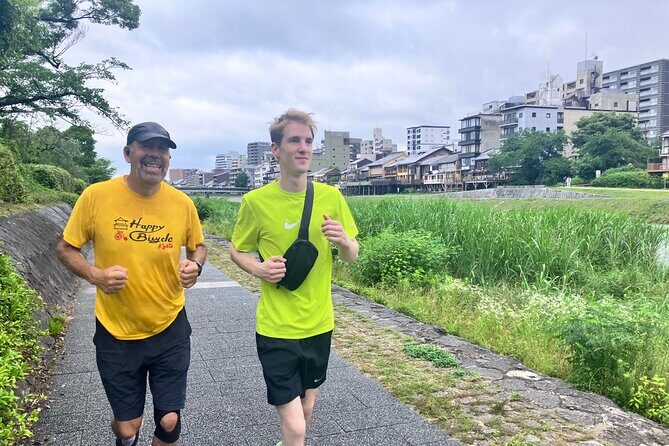
This tour is built for mixed fitness levels. The pace is described as a relaxed jog around 7–8 min/km (and in some info it’s also listed as 8–9 min/km). Translation: you should feel like you could keep chatting if you wanted to. You’re not sprinting; you’re moving steadily enough to feel the workout.
Group size is capped at 4 travelers, which matters more than it sounds. Smaller groups usually mean:
- More opportunity to ask questions in the moment
- Less waiting at intersections
- A smoother rhythm when you stop for explanations
You should also expect breaks. The plan includes stops where your guide fills in context, so the tour isn’t nonstop movement. That’s a good thing. You’ll get both: the morning exercise and the reason behind what you’re seeing.
One more practical note: the tour calls for moderate physical fitness. If you’re recovering from an injury or expecting a fully sedentary day, this may not match your goals. But if you can walk comfortably and jog slowly for short stretches, you’re likely in the right zone.
Route walkthrough: from Higashi Hongan-ji Temple to riverside Kyoto
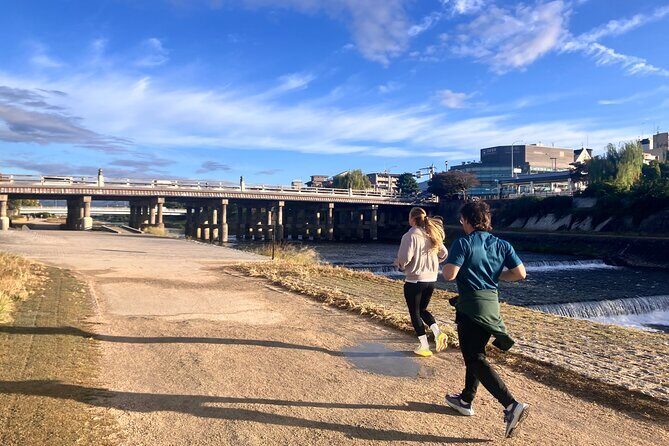
You’ll start at Starbucks Coffee – Kyoto Tower Sando. From there, the tour takes you through a sequence designed to blend atmosphere and variety: temple calm, river air, and shrine time, all before the day gets crowded.
Stop 1: Higashi Hongan-ji Temple
Starting at Higashi Hongan-ji Temple sets a reflective tone right away. It’s the kind of place where a short explanation can change your entire experience. You’re not just looking at a building; you’re learning how to read what’s around you as part of Kyoto’s long timeline.
The practical upside: you’ll begin the run in a calmer setting, so you can settle into the pace and rhythm before you pick up speed and move toward the more open, airy sections.




Stop 2: Takasegawa
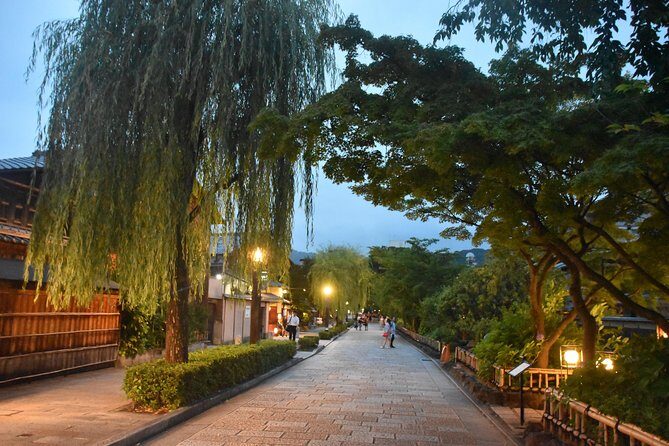
Then you shift toward Takasegawa. This is where the route starts to feel more open and breathable. A river area usually means calmer footing and a break from traffic noise, which helps you keep the relaxed pace without feeling rushed.
A useful way to think about this stop: it’s not only about the scenery—it’s about resetting your body between viewpoints. After explanations, your legs get the chance to move steadily again.
Stop 3: Kamogawa River
Next is the Kamogawa River, another riverside moment in the plan. Rivers in Kyoto can give you that early-day feeling of space—your senses open up, and you start noticing smaller details in the surroundings because you’re not constantly dodging crowds.
Also, if you’re the type who enjoys photo moments, rivers are generally forgiving for pictures because the light early in the morning can feel softer. The main “value” here is still simple: you’re running with fresh air and calm views.
The shrine stretch: Heian Shrine and Yasaka Shrine in one morning
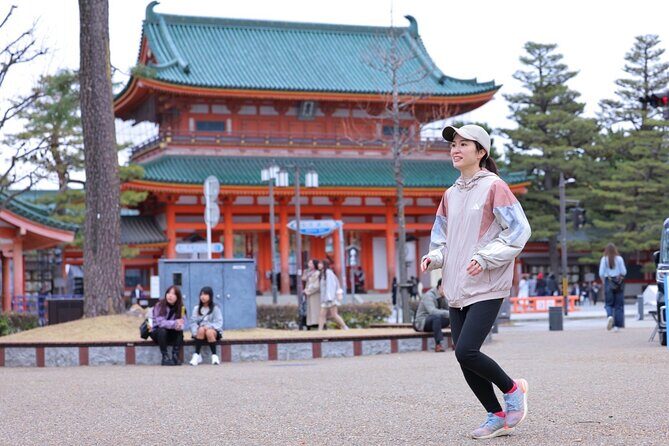
After the riverside sections, the route moves back into the spiritual and cultural heart of Kyoto through shrine stops.
Stop 4: Heian Shrine
At Heian Shrine, you’ll have another chance to slow down and really absorb what’s around you. This is one of those stops where you’ll benefit from listening to your guide rather than trying to figure everything out on your own while moving.
Why it works in this tour format: the morning has already warmed you up. So instead of feeling like you’re doing a long museum hike, you get a jog/walk rhythm that helps you arrive at the shrine stop with energy still in your legs.
Stop 5: Yasaka Shrine
Then comes Yasaka Shrine. This stop gives you contrast—another major religious site experience, but at a different point in the route and pacing. You’re building a sequence, not just sampling one location.
If you tend to get “sightseeing brain” after two stops, this is a good place to use the break time. Let the guide’s explanation guide what you look at next, then continue at your relaxed pace.
Hanamikoji Street: finishing with a Kyoto stroll feel
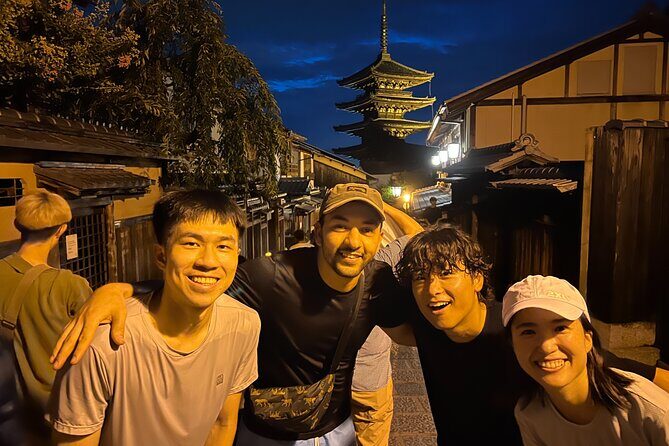
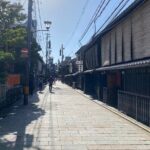
The tour ends with time on Hanamikoji Street, one of the more recognizable street sections in Kyoto. By this point, you’ve already done your workout. That changes how you experience the street—you’re not just rushing to see it; you’re finishing in a more relaxed way.
This is also where you’ll likely notice the difference between a place you see later in the day versus earlier. Even if you still see people, the early timing helps keep your attention on the atmosphere rather than on navigating crowds.
And since the activity ends back at the meeting point, Starbucks Coffee – Kyoto Tower Sando, you’re not stuck trying to figure out transportation at the end. You roll directly into your next plan with one easy return point.
What Soyo’s local perspective adds (and why it matters)
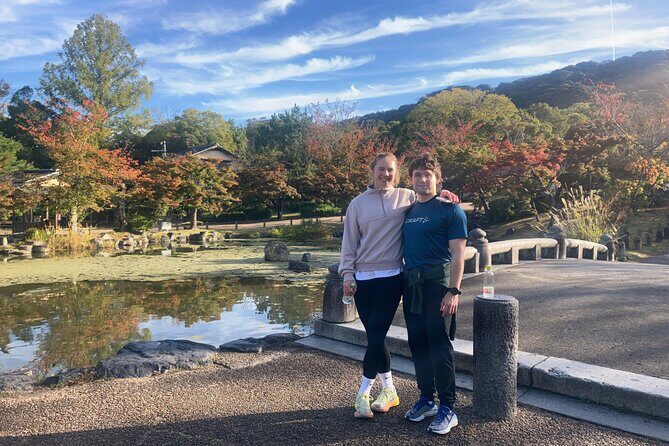
A name like local guide sounds nice, but it only matters when it changes how you see the route. Here, the guide Soyo (noted in reviews for being easy to talk to) is the engine of the experience.
What you can expect from this kind of local-led morning:
- Context at stops so you’re not just collecting images
- A sense of which streets and sections feel calmer before peak hours
- Guidance through less crowded areas, not only the famous intersections
One review sums up the vibe well: the guide was fantastic, easy to get along with, and clearly knew the area. That kind of comfort matters, because a running tour only feels good if you feel supported—especially if you’re new to running.
Seasonal changes: cherry blossoms and autumn foliage
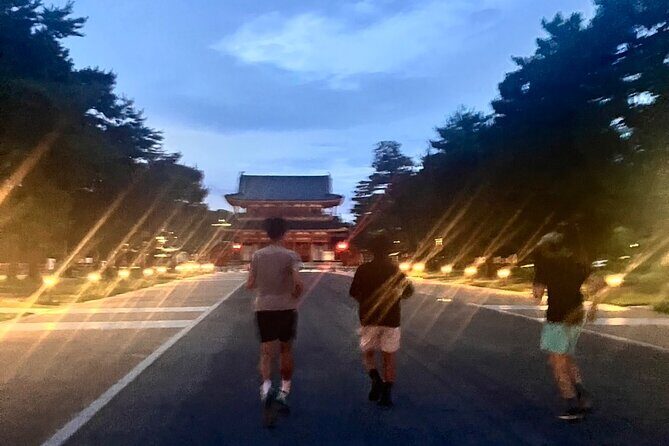
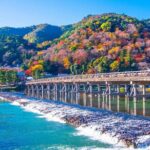
The tour is timed to the seasons, and the planning notes specifically call out cherry blossoms and autumn foliage, depending on when you go. That matters because it can turn “a nice morning run” into “a Kyoto morning with a visual storyline.”
In plain terms: your route stays the same, but the colors and atmosphere can shift a lot. If you’re visiting in spring or fall and you want those iconic visuals without the peak-day crowd crush, early timing plus local pacing is a smart pairing.
Weather plan: light rain still moves, heavy weather cancels
Kyoto weather can be unpredictable, and this tour has a clear approach.
- If there’s light rain, the tour still runs but becomes a walking tour. Bring your own rain gear.
- If weather turns severe (heavy rain, wind, snow, heat wave, typhoon, and more), there’s a decision by 12:00 p.m. the day before, and you’ll be notified if it’s canceled.
For your planning, the key is this: pack for the possibility that your jog may become more walking. If you hate wet shoes, consider bringing options and extra socks.
What to bring so the tour feels easy
This is a small detail, but it affects comfort more than you’d think. Since locker access isn’t included, you should plan to start the tour with what you’ll need during the run.
Practical packing:
- Running wear and shoes you already use
- Comfortable layers, especially if you’re starting early
- Bottled water is included, but you can still bring a small personal snack if that helps you
- Rain gear if the forecast looks iffy
If you show up unprepared, it can turn a smooth morning into an awkward one. If you show up ready, it becomes exactly what you want: a calm Kyoto morning plus a workout.
Who this Kyoto run-and-walk is best for
I’d book this if you want Kyoto in motion—without turning sightseeing into a sweaty sprint.
This tour fits best if you:
- Like early starts when cities feel quieter and more readable
- Want a small-group experience (max 4) with real conversation time
- Can handle a slow jog and some walking stops with explanations
- Enjoy temples, riverside areas, and a route that mixes “famous enough” with quieter local sections
It may be less ideal if you’re looking for a fully laid-back walking-only tour every time, or if you’d rather avoid any running at all. The plan is still a run-and-walk format, even when it slows down.
Should you book Kyoto Run & Walk with Locals?
Yes, if your goal is a calm Kyoto morning with a real local voice and a workout that won’t punish you. At $19.51, the value comes from the combo of English-speaking local guide Soyo, a small group size, and a route that’s meant to help you see Kyoto before it’s packed.
Don’t book if you need a totally passive sightseeing day, or if you’re not prepared to bring your own shoes and rain gear. But if you’re willing to move at a relaxed pace and enjoy explanations along the way, this is the kind of experience that makes Kyoto feel personal fast.
FAQ
Is this tour beginner-friendly for runners?
Yes. The running pace is slow (around 7–9 minutes per kilometer), and the tour is designed to welcome all levels, including first-time runners.
How long does the tour take?
It runs for about 2 hours, and it’s also described as a 2.5-hour course with stops for explanations.
Where do we meet for the Kyoto Run & Walk tour?
You meet at Starbucks Coffee – Kyoto Tower Sando in Kyoto.
How many people are in the group?
The maximum group size is 4 travelers.
What is included in the price?
Bottled water is included. The tour does not include a locker, running wear, or running shoes.
What if it rains?
Light rain still goes forward as a walking tour, and you should bring your own rain gear. If weather is severe, the decision to cancel is made by 12:00 p.m. the day before.
Is it only running, or do we walk too?
It’s a run-and-walk format. You’ll jog at a relaxed pace and then walk during parts of the route and at stops for explanations.