Two hours of calm, cloth, and tea.
Okada Tea Ceremony & Kimono is interesting because it rolls three things into one smooth block: kimono rental, a 1-hour tea ceremony, and then time to wander in your outfit. I especially like that the shop is right next to the tea venue, so you don’t burn time changing locations. I also like how the experience doesn’t treat tea as just a script; it focuses on the meaning behind tea customs. The one potential drawback: the first part of your 2.5-hour session is taken up by dressing and simple hairstyling, so this isn’t the fastest option if you’re trying to cram in lots of sightseeing right away.
You’ll be dealing with a compact group—maximum 4 travelers—so the flow tends to feel personal instead of rushed. The meeting point is at 岡田-OKADA-102 Tatsumichō in Higashiyama, and you’re close to the “Kiyomizu-michi” bus stop (about a 30-second walk). If you’re someone who likes Japanese tradition but also wants practical logistics, this setup is a win.
Another nice detail: after the tea ceremony, you can keep the kimono until 6:00 PM. That turns the activity from a “show up, do it, leave” moment into part of your day in Kyoto—especially for a casual stroll through the Higashiyama area. The guide, Okada, is known for being attentive and thoughtful, including taking photos of you in your kimono, which helps you actually capture the experience.
In This Review
- Key highlights you’ll feel right away
- What the 2.5 Hours Actually Feels Like
- Choosing Your Kimono and Getting Ready Without Stress
- Inside the 1-Hour Tea Ceremony: Matcha, Sweets, and Customs
- Using Your Kimono until 6:00 PM: Turn Tradition into Sightseeing
- Location Near Kiyomizu-michi Bus Stop: Getting There the Easy Way
- Price and Value at $84.70: What You’re Really Paying For
- Who Should Book This, and Who Might Feel Crowded
- Should You Book Okada Tea Ceremony & Kimono?
- FAQ
- How long is the Kyoto Okada Tea Ceremony & Kimono experience?
- What’s included during the tea ceremony?
- Do I stay in the kimono after the ceremony?
- Where do I meet for the experience?
- Is the shop close to public transportation?
- How big is the group?
- Can I cancel for a full refund?
Key highlights you’ll feel right away
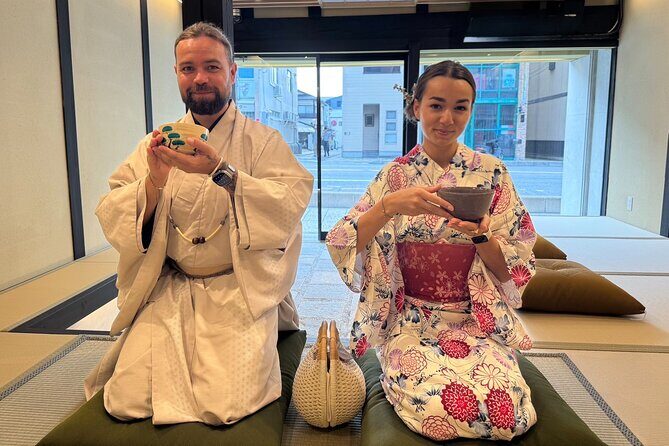
- Choose your kimono and get dressed on-site without a transfer after changing
- Tea ceremony includes matcha and sweets with a lesson on tea culture and customs
- Small group size (max 4 travelers) for a calmer, more guided feel
- Kimono stays with you until 6:00 PM so you can turn it into real sightseeing time
- Okada’s teaching style emphasizes history and the meaning behind what you’re doing
- Very close to the “Kiyomizu-michi” bus stop for easier arrival and departure
What the 2.5 Hours Actually Feels Like
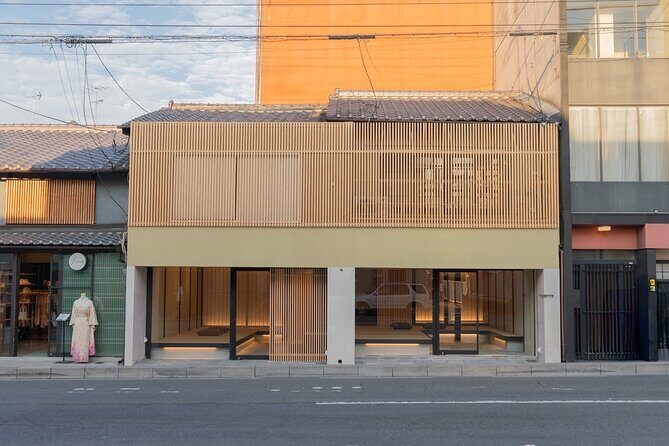
This experience runs about 2 hours 30 minutes, but it doesn’t feel like one long lecture. It’s structured in three chunks that keep moving: dressing (about 1–1.5 hours), a tea ceremony (about 1 hour), then your kimono time until 6:00 PM.
The best part is that the schedule matches how kimono experiences work in Japan. You need time for the outfit to be put on correctly and for simple hairstyling, and you benefit from starting early enough to enjoy the ceremony while you’re fresh, not flustered. Then, once the tea portion ends, you still have usable daylight-style hours to look like you belong in old Kyoto rather than hopping straight to the next stop.
Because the group is limited to 4 travelers, you’re more likely to get clear guidance on small etiquette moments during the ceremony. That matters: tea ceremony style is about attention, not performance. You’ll get a better experience when you can hear and follow each step without fighting for space.
A few more Kyoto tours and experiences worth a look


Choosing Your Kimono and Getting Ready Without Stress
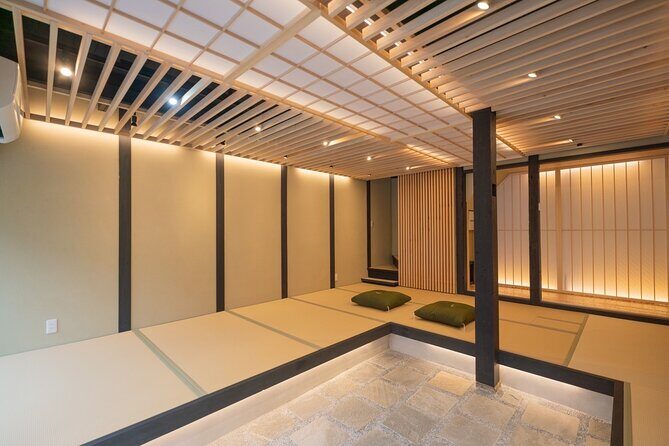
You’ll start by picking a kimono. The flow is designed to keep things simple: you choose, then get dressed with simple hairstyling as part of the preparation window (about 1–1.5 hours).
What I like about this stage is the built-in practicality. The kimono rental shop is right next to the tea ceremony venue, so you don’t need to travel after changing. That reduces friction in Kyoto, where getting around can be a mix of buses, short walks, and crowds. Here, the handoff from dressing to tea is basically walk-off-the-next-room easy.
Okada (the provider is OKADA Japan Culture Center) is also described as attentive during the experience, and that shows up in the “small details” people care about with kimono. Reviews highlight that the dressing process covers components and steps in a way that makes you feel supported, not left guessing.
One thing to consider: kimono dressing is not like putting on a jacket. Plan for comfort and movement limits. You don’t need to be an expert in Japanese clothing—this is a guided experience—but you should expect that your body will be a little constrained while the outfit is adjusted and while you sit for tea later. If you’re used to very free movement all day, build in patience for the transition.
Inside the 1-Hour Tea Ceremony: Matcha, Sweets, and Customs
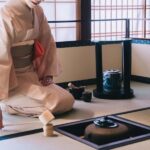
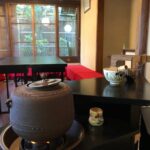
The tea ceremony portion is about 1 hour, and it’s the core cultural moment. You’ll learn tea culture, enjoy matcha and sweets, and get explanations tied to tea practices.
The strongest praise around this part is the teaching style. People specifically mention going beyond the mechanics and understanding the history and meaning behind customs. That’s what makes the ceremony feel like a cultural experience instead of a scripted photo session.
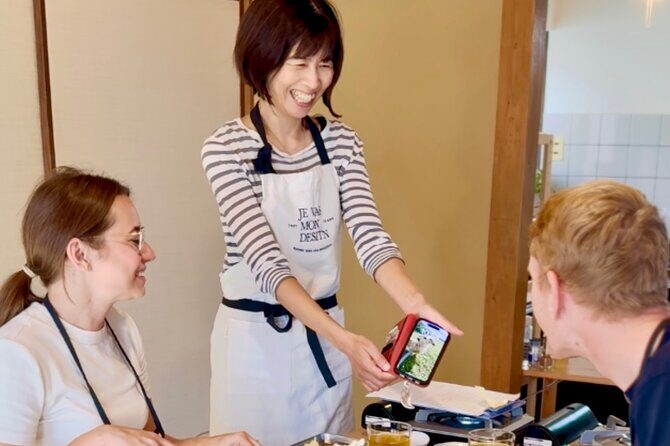
I also like that you’re not just watching someone do tea while you wait. The ceremony is set up as something you participate in, and that makes the matcha and sweets feel more intentional. When you understand what you’re seeing—why certain steps happen, what the customs point to—each sip and each motion lands with more value.
And yes, you may end up with photos. One review notes that Okada took photos of people while they were in kimono. That’s helpful because kimono photos are hard if you’re traveling with friends who can only capture you for a quick moment. Having the guide help with photos means you can focus on being present during the ceremony instead of hunting for the best angle.
Using Your Kimono until 6:00 PM: Turn Tradition into Sightseeing
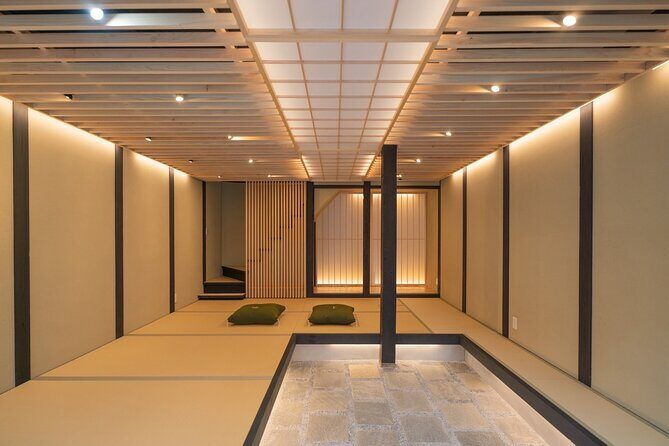
After the ceremony, you keep the kimono until 6:00 PM. This is a big deal for value because it turns a 2.5-hour cultural event into a longer slice of Kyoto life.
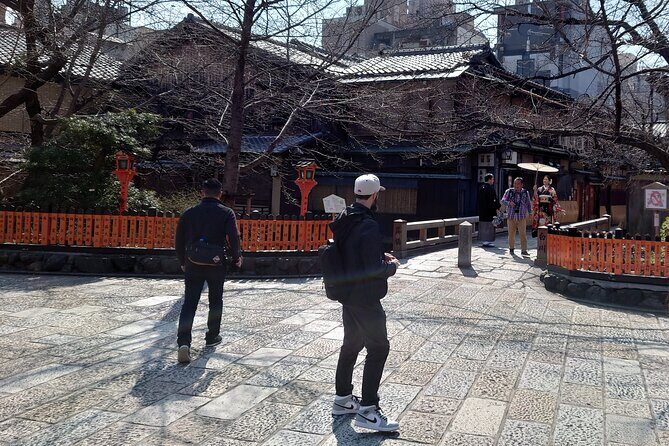
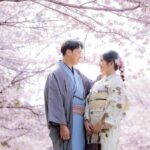
Here’s how to use it well: once tea ends, you’ll be dressed for the streets. That’s the sweet spot in Higashiyama, where the atmosphere makes kimono feel appropriate. You don’t need to rush to a specific paid activity. Instead, you can slow down and stroll nearby at your own pace, taking breaks when you want them.
The practical advantage is reduced decision fatigue. Many activities give you one dramatic moment and then send you back out in normal clothes, which can feel like wasted cost. Here, you get extended time in the outfit, so you can actually incorporate the look into your day rather than treating it like a costume you wear for 60 minutes.
One more consideration: because you’ll still be in kimono later, treat your afternoon like a kimono-friendly plan. Choose routes that are reasonable for walking while dressed up. If your schedule is very packed—multiple long-distance transfers and heavy walking—this could be a strain. But for a calmer day around the Kiyomizu-michi area, it’s a very strong fit.
Location Near Kiyomizu-michi Bus Stop: Getting There the Easy Way
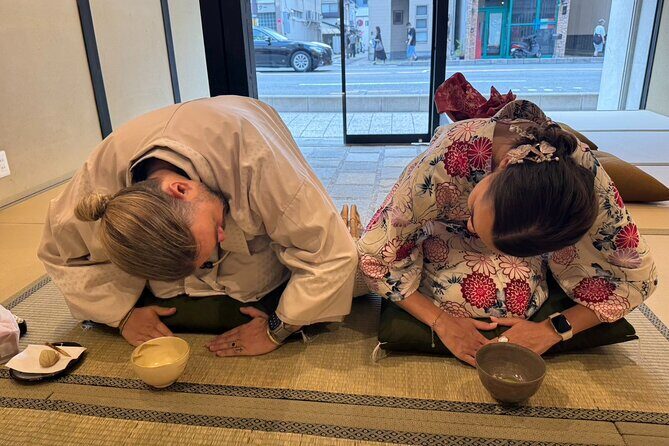
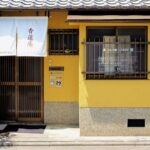
Logistics matter in Kyoto. This experience is designed for that reality. The kimono shop is a 30-second walk from the “Kiyomizu-michi” bus stop, and it’s right by where the tea ceremony happens. That means arrival is simple: you find the stop, walk in, get dressed, then move into the tea part without a gap.
The meeting point address is 岡田-OKADA-102 Tatsumichō, Higashiyama Ward, Kyoto, 605-0855, Japan. The activity ends back at the meeting point, which is another small win. You don’t have to figure out a complicated end location while you’re already in kimono.
You’ll also have a mobile ticket, so you don’t have to hunt for paperwork. And the group is capped at 4 travelers, which usually makes the whole process feel smoother and more organized.
If you’re traveling with a service animal, note that service animals are allowed. That’s a helpful inclusion for people who need that clarity in advance.
A few more Kyoto tours and experiences worth a look
Price and Value at $84.70: What You’re Really Paying For
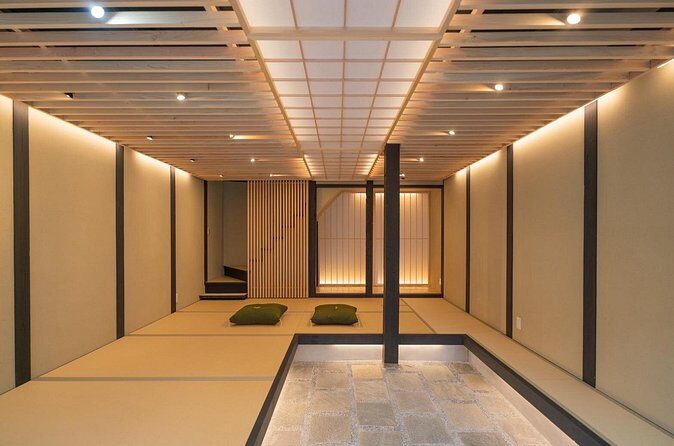
At $84.70 per person for roughly 2.5 hours, this is not the cheapest cultural activity in Kyoto—but it’s also not overpriced when you look at what’s included.
You’re paying for three things at once:
- Kimono rental plus dressing and simple hairstyling (about 1–1.5 hours)
- A guided 1-hour tea ceremony with matcha and sweets
- Kimono use until 6:00 PM, which extends your day and helps the outfit become part of your sightseeing
If you’ve ever priced kimono rental alone, you’ll know the cost adds up quickly. Here, the dressing time isn’t just an add-on—it’s paired with a full ceremony lesson, which turns the outfit into context. That’s the value angle: you get tradition plus a guided explanation, then actual time to enjoy it outside.
For families, the value can feel even better. One review mentions that the tea house accepted a family with a 3-year-old son and that the host was patient and attentive. I can’t promise every child-friendly detail will be identical for every situation, but it does suggest the provider tries to make the experience workable for kids rather than forcing families out.
Who Should Book This, and Who Might Feel Crowded
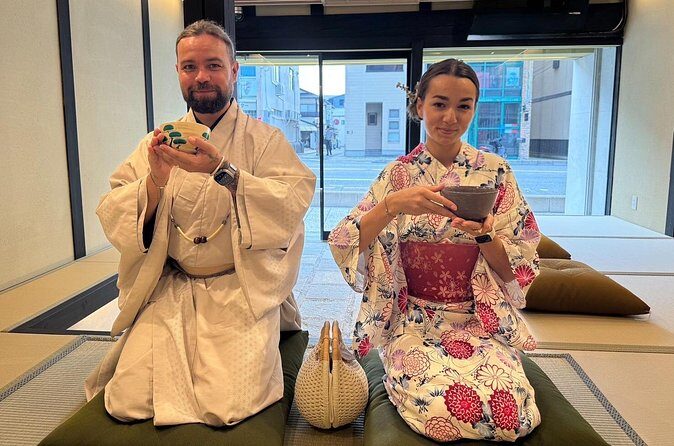
This fits best if you want Japanese tradition in a controlled, low-stress format. You get a small-group setting, clear time blocks, and a nearby location that reduces Kyoto travel friction.
You’ll likely love it if:
- You want to wear kimono and not just rent it for a photo
- You care about the meaning and customs behind tea, not only the drink
- You’re okay with a slower first hour while you get dressed and styled
- You want to explore around Higashiyama after the ceremony in the same outfit
You might want to reconsider if:
- You need a very fast stop with zero sitting time
- You’re extremely sensitive to clothing restrictions and would rather avoid kimono wear
- Your day is so crowded that you can’t comfortably use the kimono until 6:00 PM
Small group size helps, though. It’s designed to feel guided rather than mass-produced.
Should You Book Okada Tea Ceremony & Kimono?
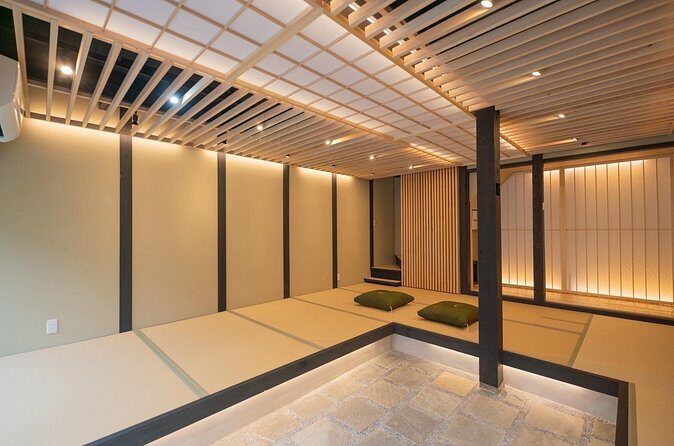
I’d book it if you want one standout Kyoto experience that combines kimono, a real tea lesson, and then extra time to walk around dressed up. The location is practical, the group is small (max 4), and the ceremony includes matcha and sweets—so you’re not paying for empty formality.
The only reason to skip is if you’re chasing speed over depth. This is a sit-and-focus activity at the start, followed by a longer kimono period you’ll want to actually use. If you treat it like that—slow down, follow the guidance, and then stroll—you’ll get your money’s worth.
If you like cultural experiences that feel respectful and specific, Okada’s approach—attentive, thoughtful, and explanation-focused—makes it a strong choice in Kyoto.
FAQ
How long is the Kyoto Okada Tea Ceremony & Kimono experience?
It’s approximately 2 hours 30 minutes, including about 1–1.5 hours for choosing and getting dressed with simple hairstyling, plus a 1-hour tea ceremony.
What’s included during the tea ceremony?
You’ll learn tea culture and enjoy matcha and sweets during a 1-hour tea ceremony.
Do I stay in the kimono after the ceremony?
Yes. You can keep the kimono until 6:00 PM to explore and stroll nearby.
Where do I meet for the experience?
You meet at 岡田-OKADA-102 Tatsumichō, Higashiyama Ward, Kyoto, 605-0855, Japan, and the activity ends back at the meeting point.
Is the shop close to public transportation?
Yes. It’s about a 30-second walk from the “Kiyomizu-michi” bus stop, and it’s near public transportation.
How big is the group?
The tour has a maximum of 4 travelers.
Can I cancel for a full refund?
Yes. Free cancellation is available up to 24 hours in advance of the experience’s start time for a full refund.
If you want, tell me your travel dates and whether you’re pairing this with Kiyomizu-dera or other Higashiyama stops, and I’ll help you time the day so the kimono hours make sense.