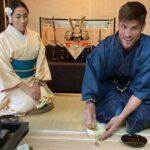
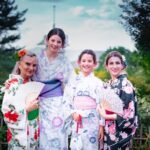
Kimono tea feels surprisingly calm.
This Kyoto experience pairs authentic kimono dressing (with hair styling help) with a proper tea ceremony led by a tea master, not a rushed script. You’ll pick a kimono color and pattern from the Nishijin area, get a quick photo setup, then learn the steps and the meaning behind what you’re doing. One thing to note: the time is short (about 1 hour 30 minutes), and the tea room is described as a bit old—so build in patience for a slower pace and any stairs or walking involved.
Here’s why it works: you get both beauty and instruction. The kimono part can feel like a costume at some places, but here it’s handled like real clothing with attention to details, and the ceremony portion gives you context for manners and process. Still, it does require good weather, since the experience includes an outdoor component near the temples, so have a backup plan if plans shift.
In This Review
- Key points before you book
- Why this Kyoto tea ceremony feels like culture, not a costume
- Finding Caren near Imamiya Jinjya and the Daitoku-ji tea route
- Nishijin kimono selection, hair styling, and getting camera-ready the right way
- Inside the tea room used for three generations
- The tea ceremony flow: etiquette, meaning, and a master’s pace
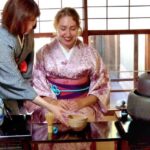
- Your hands on: brewing your own cup (and learning by doing)
- The price: is $99.49 worth it for kimono and a tea master?
- Who should book this Kyoto kimono tea ceremony
- Quick practical tips to make it feel effortless
- Should you book this Kyoto tea ceremony with kimono?
- FAQ
- How long is the KYOTO tea ceremony with kimono experience?
- Is a kimono and hair styling included?
- Where does the experience start and end?
- How big is the group?
- What’s included in the price besides the tea ceremony?
- What if the weather is bad?
- Is private transportation included?
Key points before you book
- Authentic kimono dressing with hair styling help so you’re not stuck figuring out layers and bows
- Small group size (max 12) for more time with the guide and better attention during photos and instruction
- Tea room used for three generations, near Daitoku-ji, where tea culture lives in the details
- A tea master with decades of study shows the ceremony, then walks you through etiquette
- Hands-on brewing so you’re not just watching from the sidelines
- Lots of photo moments, from your kimono fitting to guided posing
Why this Kyoto tea ceremony feels like culture, not a costume
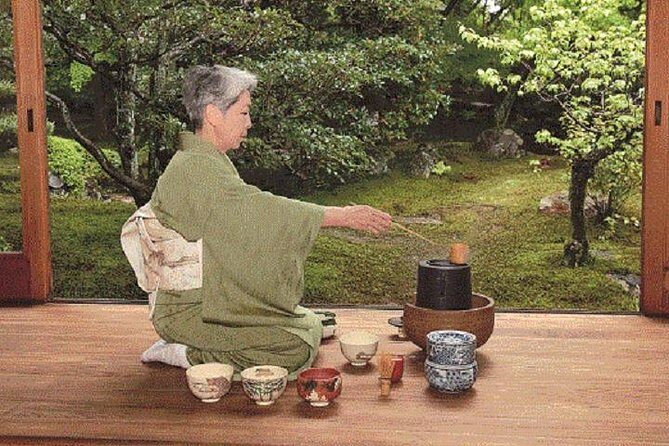
Kyoto can be overwhelming if you try to pack everything in one day. This experience is different because it slows you down on purpose. The goal isn’t just matcha tasting. It’s learning how people behave during tea—how to handle the cup, how to follow the flow, and what all those small motions are for.
The kimono is a big reason it clicks. Even if you’ve seen kimono photos online, the real thing hits harder when someone helps you put it on properly and explains the patterns. You’ll hear about how kimono designs relate to meaning, and why tea ceremonies treat appearance and etiquette as part of the same mindset.
If you’re worried it will feel touristy, I get that instinct. A few minutes of care can tell you a lot: the dressing process is described as a multi-person, multi-step affair, which usually means they’re treating the clothing like craft, not a quick change.
A few more Kyoto tours and experiences worth a look
Finding Caren near Imamiya Jinjya and the Daitoku-ji tea route
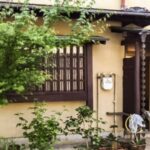
The meeting point is Tea Ceremony – Caren at 74-4 Murasakino Daitokujichō, Kita Ward, Kyoto (603-8231). The end point is back at the same place, which makes planning easier. You’re also near public transportation, so you don’t have to rely on private transport.
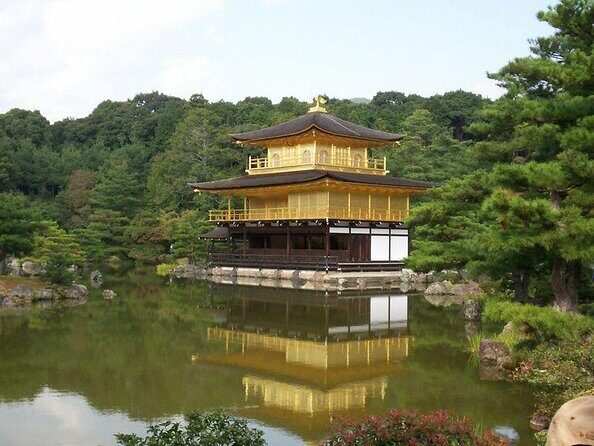
This area matters. The tea room is near Daitoku-ji Temple, which is closely tied to tea culture in Kyoto. One review also links the experience with Imamiya Jinjya Shrine, and the overall setup leans into that temple-adjacent calm. Practically, that means you’ll spend a chunk of your time in a quieter part of the city where tea doesn’t feel like a random activity.
Do plan for some walking and possibly stairs. One review describes going up to the ceremony space after dressing. It’s not a deal-breaker, but if you have mobility limits, it’s worth keeping in mind.
Nishijin kimono selection, hair styling, and getting camera-ready the right way
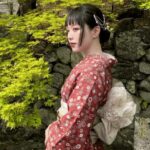
A lot of “kimono experiences” stop at the outfit. Here, you’ll do more than that. First, you choose a kimono with your preferred color and pattern from their collection connected with Nishijin, Kyoto—the famous textile district. That selection moment matters because you’ll look back later and remember why you picked what you picked.
Before the kimono goes on, there’s help with your hair set. This isn’t a tiny detail. With kimono, hair placement affects comfort and the finished look. Reviews also mention women get hair styled into an updo, and that the fitting team works efficiently so the process doesn’t drag.
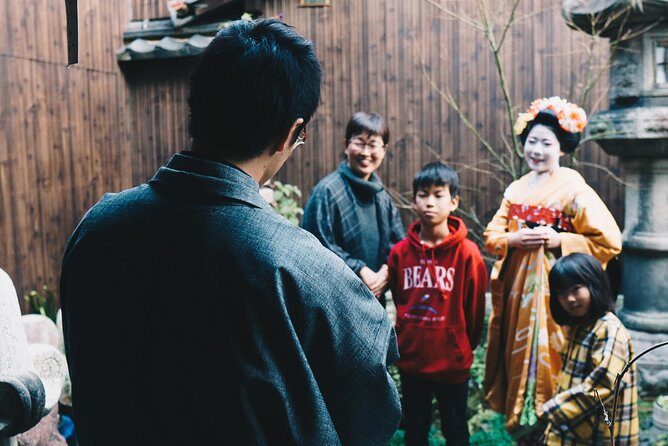
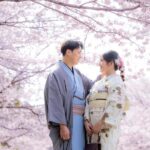
Next comes the photo portion. You’ll get a simple photo shoot with guidance and posing help. Several reviews stress that the team takes care with photos and helps you pose in the kimono so you end up with images that feel like part of the ritual rather than a random souvenir snap.
Practical tip: go in with at least one or two kimono colors in mind. Reviews suggest picking a color you like ahead of time because you’ll be asked quickly during the session.
Inside the tea room used for three generations
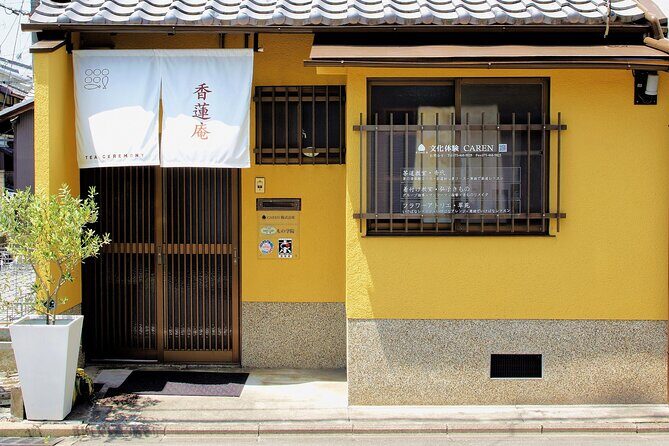
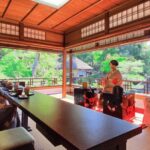
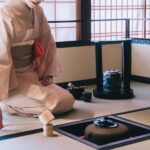
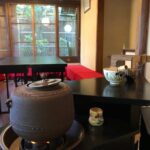
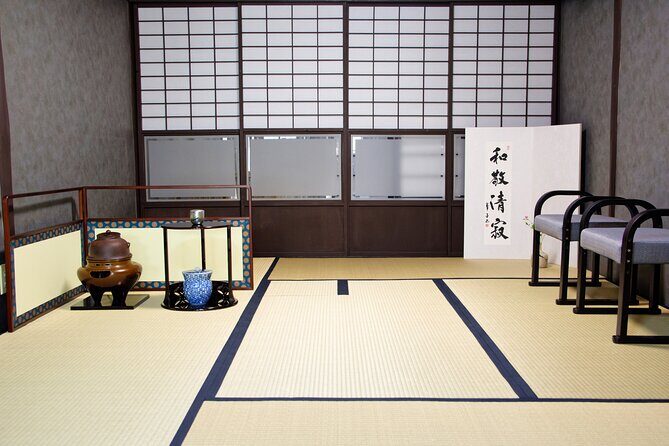
The ceremony happens in a tea room with history. The space is described as having been used for three generations, and it’s located near Daitoku-ji. The atmosphere is part of the point: you’re not doing tea ceremony in a generic studio.
One honest note from the description: the room is a bit old. That can be charming for many people, but it also means you should expect a slightly traditional environment rather than something newly renovated and ultra-modern. The team mentions doing their best to reduce fatigue, which suggests they know the location and room age may affect comfort.
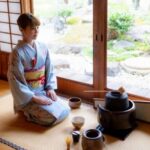
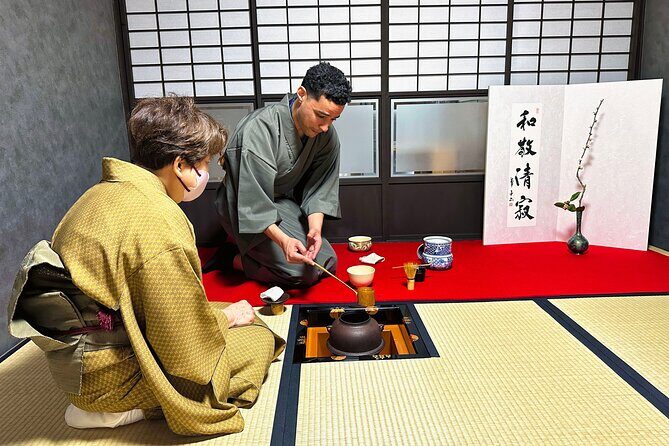
Then the format begins:
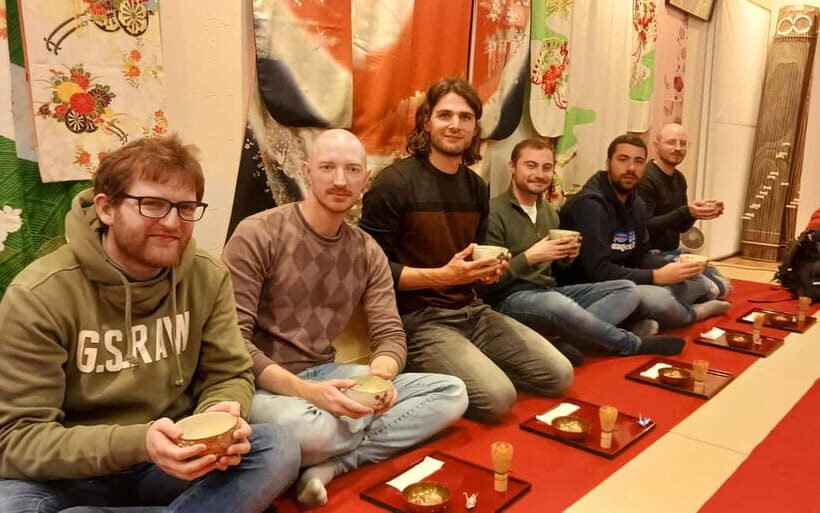
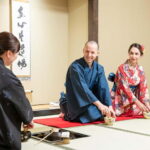
- A tea master, described as studying tea ceremonies for 30 years, demonstrates the traditional steps
- You drink tea with seasonal sweets
- Then you learn the history and etiquette behind the ceremony
- After that, you get a chance to prepare tea yourself
That sequence is smart. You see how it’s done first, you taste it in context, and only then do you practice the parts that matter.
The tea ceremony flow: etiquette, meaning, and a master’s pace
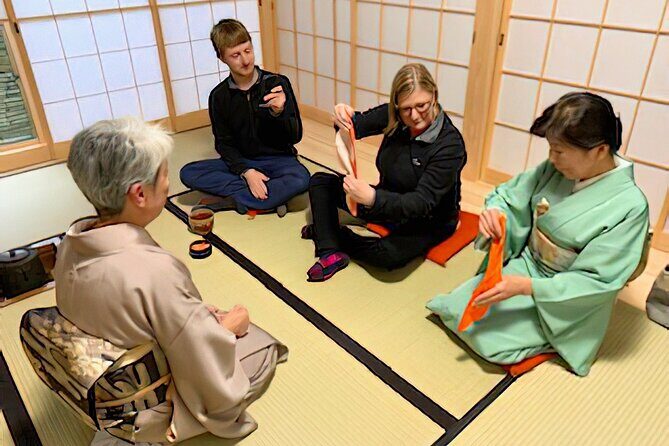
This is not a lecture. The guide’s commentary covers the history and manners, while the tea master handles the ceremony with a measured tempo. The vibe is meant to feel meditative, not performative.
You’ll likely hear about:
- Why each movement happens (etiquette and flow)
- How kimono choices and patterns connect to presentation
- The broader history of tea ceremonies, as explained by your guide
Some reviews mention a translator guiding the experience and that the ceremony is done in Japanese with translation support (examples include Akira). So even if you don’t speak Japanese, you shouldn’t feel lost. The explanations are part of the value here: you’re learning what to notice, not only what to taste.
One more detail that shows care: reviews highlight that staff members take questions and adjust attention to make you comfortable. The experience feels paced to your group size and the short format, rather than a factory production line.
A few more Kyoto tours and experiences worth a look
Your hands on: brewing your own cup (and learning by doing)
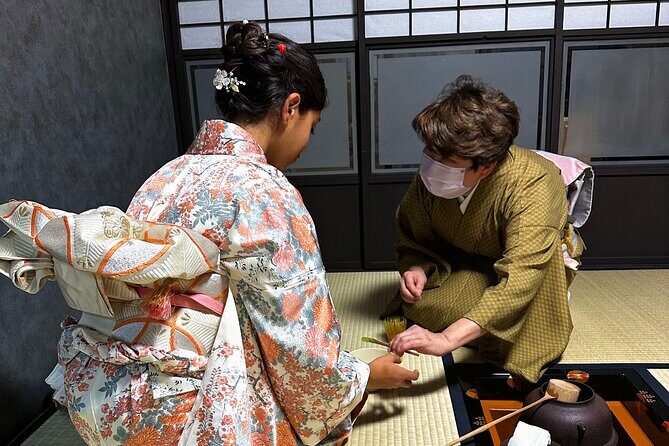
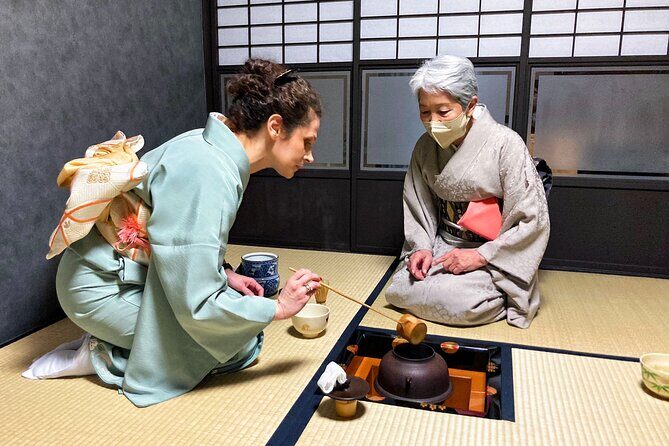
The hands-on portion is where most people remember this event. You’re not only sipping; you’ll practice preparing tea. The experience specifically includes time for you to try brewing your own cup of Japanese tea.
There’s also a strong cultural education element. You’re taught manners and etiquette as part of the process, so it’s not just muscle memory. That’s what makes your own cup feel meaningful. You’ll understand the ceremony as a sequence of respectful gestures, not random steps you copied by accident.
If you’re worried you’ll be terrible at it, don’t. Reviews include solo participants who still got a full chance to make tea, plus people who were less experienced but encouraged by the team. That’s the kind of confidence-building structure that turns a “watching event” into a real experience.
The price: is $99.49 worth it for kimono and a tea master?
At $99.49 per person for about 1 hour 30 minutes, this isn’t the cheapest thing in Kyoto. But value here comes from what’s included, not from how long it lasts.
What you get:
- Authentic kimono use plus assistance putting it on
- Hair set help
- A guide with commentary (history and etiquette)
- A tea master who performs the ceremony
- Coffee and/or tea (included)
- Seasonal sweets with your tea
- The chance to brew your own tea
- A small group setting (max 12)
When you compare it to cheaper “tea tasting” experiences, the kimono dressing and the guided instruction are the real budget-benders. Here, you’re paying for both clothing handling and cultural explanation, plus a master-level demonstration.
Also, smaller group sizes change the feel. With up to 12 people, staff can manage fit, photos, and instruction without you waiting forever for your turn. That time pressure can be what ruins many short cultural activities. Here, the process is described as well-organized and attentive.
One more value point: the experience ends back at the meeting point. You’re not paying extra in stress to coordinate transit after.
Who should book this Kyoto kimono tea ceremony
This is a good fit if you want one Kyoto activity that feels “planned” rather than random.
You’ll probably love it if:
- You want a kimono experience that includes dressing help and isn’t just costumes
- You care about etiquette and the meaning behind tea, not only the taste
- You’re traveling with teens or family members and want something visually interesting plus educational
- You like small group interactions where you can ask questions and get attention
It also works for first-timers. A handful of reviews mention initial nerves about whether it would be silly or overly touristy, and the common takeaway is that the ceremony felt authentic and worth it.
Where it may not be ideal:
- If you hate anything that feels structured or you dislike being photographed, this may feel like too many “moments.”
- If you need a fully wheelchair-accessible setup, you’ll want to confirm about walking and stairs since the format can include moving from dressing to the ceremony space.
Quick practical tips to make it feel effortless
Here are the small things that can make a big difference:
- Arrive a little early. One review suggests getting there early so dressing and hair setting don’t feel rushed when everyone arrives at once.
- Have a direction for kimono color. If you know what colors you like, you’ll get through the selection part faster.
- Go with the mindset of learning manners. Tea ceremony isn’t about speed. If you treat it like a calm activity, you’ll enjoy it more.
- Look at the photo shoot as part of the experience. Staff members guide posing, and those images usually come out better when you follow their cues.
Should you book this Kyoto tea ceremony with kimono?
If you’re looking for a Kyoto experience that blends clothing craft, cultural etiquette, and real instruction in a short time, I think this is a strong booking. The combination of kimono dressing help, a tea master demonstration, and hands-on brewing makes it feel complete. The location near temple culture adds to the calm mood instead of turning tea into a mall-style activity.
Book it if you want:
- a memorable photo-worthy activity that still teaches you something real
- a small-group ceremony with plenty of attention
- a chance to brew your own tea, not just watch
Skip it if you want a long, unguided, no-structure afternoon, or if you’re the type who hates clothing changes and photo moments. In Kyoto, that “structured calm” approach is exactly why this experience works so well.
FAQ
How long is the KYOTO tea ceremony with kimono experience?
It lasts about 1 hour 30 minutes.
Is a kimono and hair styling included?
Yes. You get an authentic kimono, assistance putting it on, and help with your hair set.
Where does the experience start and end?
It starts at Tea Ceremony – Caren, 74-4 Murasakino Daitokujichō, Kita Ward, Kyoto (603-8231) and ends back at the meeting point.
How big is the group?
The experience has a maximum of 12 travelers.
What’s included in the price besides the tea ceremony?
Coffee and/or tea is included, along with a professional instructor.
What if the weather is bad?
The experience requires good weather. If it’s canceled due to poor weather, you’ll be offered a different date or a full refund.
Is private transportation included?
No. Private transportation is not included.