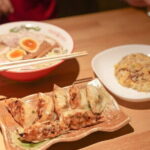
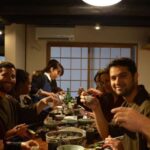
Two Japanese comfort foods in one session. I like that you make takoyaki and okonomiyaki yourself, with friendly guidance instead of sitting through a lecture. I also like how walkable the location is from Shijo Station or Karasuma Station, so this fits easily into a day in central Kyoto.
One consideration: it’s only 1 hour, so you’ll want to arrive a bit early and come with a calm, ready-to-cook mindset. If you want hours of knife work and restaurant-level technique, this won’t be that kind of class.
In This Review
- Key Points to Know Before You Go
- A One-Hour Kyoto Cooking Class That Fits Real Travel Schedules
- Getting There: Shijo/Karasuma Area and the Doorbell on 302
- What You’ll Cook: Takoyaki and Okonomiyaki With Kansai Context
- How the Class Runs: Hands-On Guidance at Your Pace
- Dietary Options in Real Life: Gluten-Free, Vegan, Halal-Friendly
- Instructor Style: Friendly Teaching and the Small-Group Advantage
- What Happens After Cooking: A Relaxed Sit-Down Meal
- Price and Value: Is $56 Worth It for One Hour?
- Who Should Book This Class in Kyoto
- Should You Book This Kyoto Takoyaki and Okonomiyaki Class?
- FAQ
- What is the duration of the Kyoto takoyaki and okonomiyaki cooking experience?
- Where is the meeting point?
- How far is it from Shijo Station or Karasuma Station?
- Is it a small group class?
- Are gluten-free, vegan, or halal-friendly options available?
- What languages are the instructors?
- What is included in the price?
- Is round-trip transportation included?
- Is cancellation allowed?
Key Points to Know Before You Go
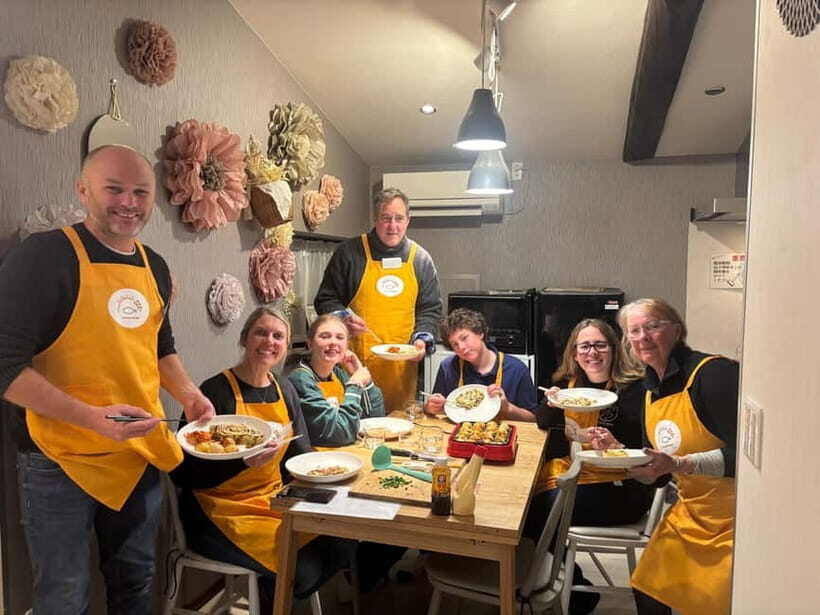
- Hands-on cooking of two Kansai classics: You’ll make both takoyaki and okonomiyaki in the same session.
- Beginner-friendly pace: You work at your own rhythm while the instructor supports you.
- Dietary options on request: Gluten-free, vegan, halal-friendly, and allergy-aware ingredient adjustments are available.
- Small group size: Limited to 6 participants, so you get real attention.
- Refined instructor flow since Dec 2025: Classes are led or supervised by experienced instructors for smoother timing.
- Central Kyoto convenience: About a 10-minute walk from Shijo or Karasuma stations, plus easy access to Nishiki Market.
A One-Hour Kyoto Cooking Class That Fits Real Travel Schedules
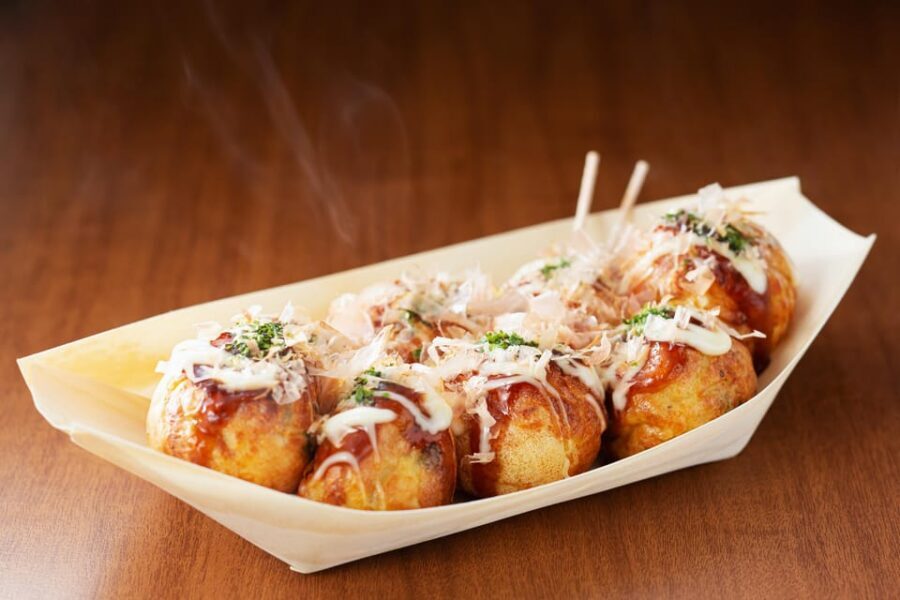
Kyoto is full of great food moments, but sometimes you want something more active than wandering and eating. This class gives you a short, hands-on answer. In just one hour, you cook two popular comfort foods you’ll see all over Japan, especially in Kansai: okonomiyaki and takoyaki.
I like the format because it’s practical. It’s not trying to turn you into a chef. It’s built for travelers who want to understand what locals actually do—mix, cook, and adjust—without turning it into a stressful test. You’ll also get a relaxed chance to eat what you made, which matters in a city where food plans can otherwise get scattered.
The biggest reason this works for many people is timing. You’re not committing to a half-day or fighting long transfers. From the Shijo and Karasuma station area, you’re close enough to weave this in between sights and meals.
Other cooking classes in Kyoto


Getting There: Shijo/Karasuma Area and the Doorbell on 302
The meeting point is straightforward, and that helps when you’re doing Kyoto logistics fast. Take the elevator to the third floor and press the doorbell for 302.
Location-wise, you’re in a good part of the city:
- About a 10-minute walk from Shijo Station or Karasuma Station
- Around 15 minutes from JR Kyoto Station by train or bus, then a short walk
- Roughly a 15-minute walk from Nishiki Market
Why that matters: you don’t need a taxi plan or a complicated transit route. You can build your day around the class instead of building your day around transportation.
What You’ll Cook: Takoyaki and Okonomiyaki With Kansai Context
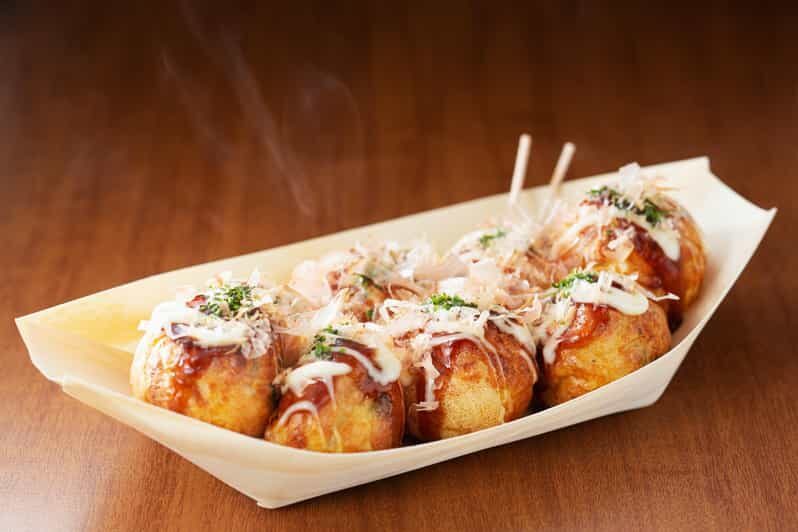
This is the part that makes the class worth caring about. You’re cooking two foods that are everyday staples, not just tourist props.
- Okonomiyaki has been enjoyed in Japan since the Taisho era (1912–1926).
- Takoyaki has been enjoyed since the Showa era (1926–1989).
- Today, both are familiar, go-to foods across Japan, especially beloved in Kansai.
What I like about pairing these two: they share a similar comfort-food feeling, and the learning curve stays manageable in a single hour. You get the experience of making something distinctly Japanese, while still keeping it beginner-friendly.
Also, you’re not just learning the “what.” You’re learning the “how people make it at home.” That’s the difference between eating a dish and understanding why it tastes right when it’s made fresh and adjusted by someone in the kitchen.
How the Class Runs: Hands-On Guidance at Your Pace
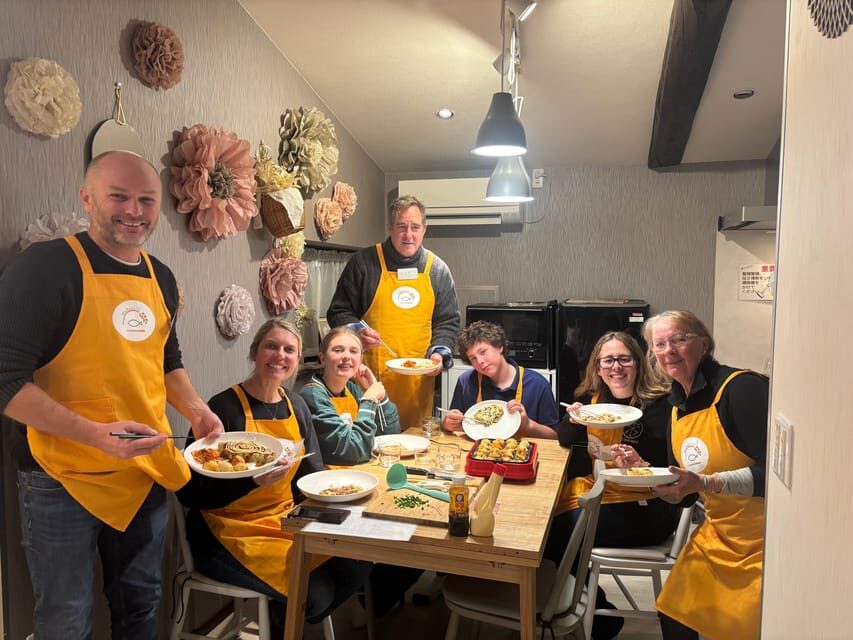
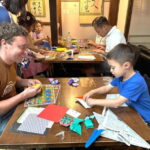
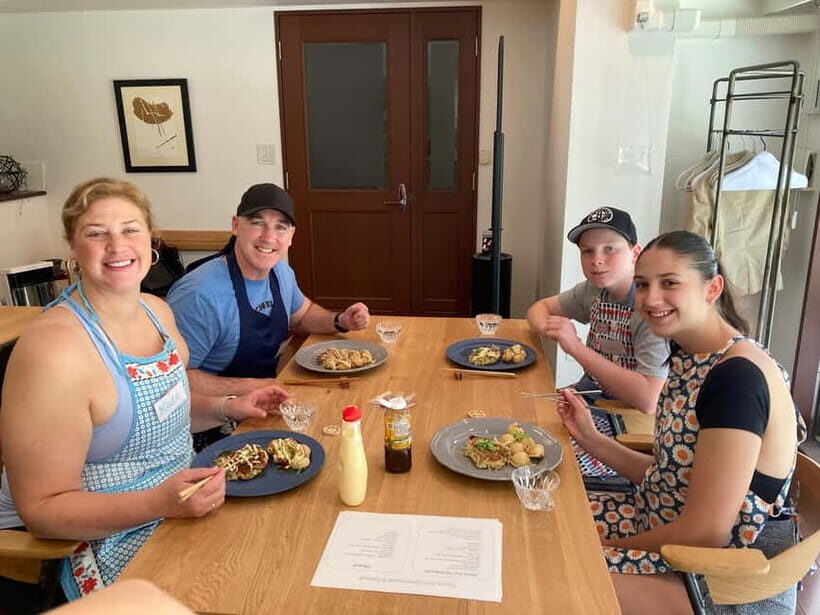
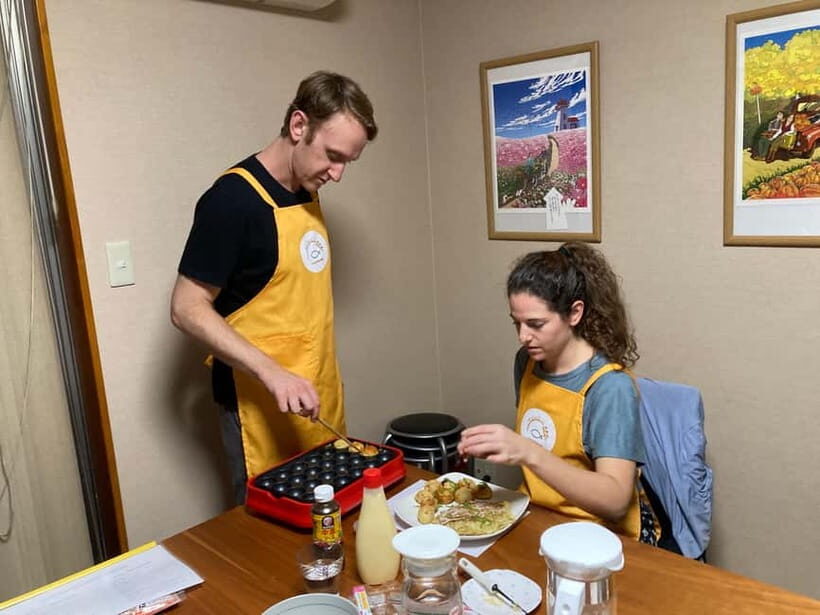
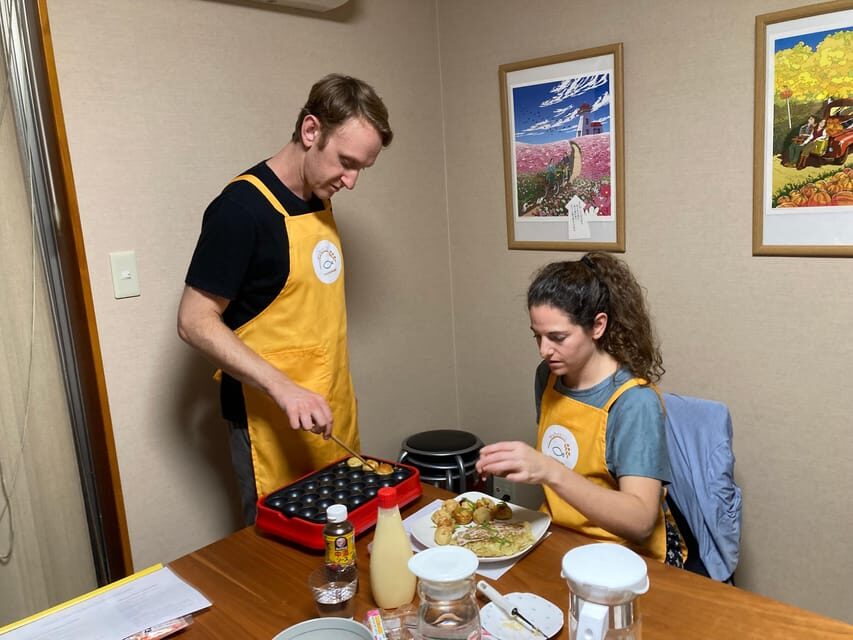
The class is set up as casual, hands-on cooking. Instead of a lecture, you’ll actively work while the instructor checks in, supports you, and answers questions as needed.
Key details that shape your experience:
- It’s designed so beginners can follow along, including first-time Japan visitors.
- You cook at your own pace, with assistance when you need it.
- The instructor speaks English and Japanese.
- Group size is capped at 6 participants, which usually means more chances to ask real questions.
There’s also an important update for smoother timing. Since December 2025, classes are now led or supervised by experienced instructors, and the class flow and guidance have been refined so you can comfortably fit everything in the time window.
I’ll be honest about the only potential snag: because the session is short, you don’t get unlimited troubleshooting time. If your goal is to perfect every technique, you’ll likely want to practice again after the class. But for most people, the trade-off is worth it—you get two dishes and a meal without taking over your whole day.
Dietary Options in Real Life: Gluten-Free, Vegan, Halal-Friendly
If food restrictions can be a stress point for you, this is one of the strongest reasons to consider the class. The experience explicitly supports:
- Gluten-free
- Vegan
- Halal-friendly
- Allergy-free options, if needed
The rule is simple: tell them at booking about your needs and any food allergies. The ingredients will be adjusted accordingly.
This matters because Japanese cooking can involve surprise ingredients. Having a class that plans for substitutions ahead of time makes the experience feel safe and normal, not like you’re trying to figure it out on the fly.
Practical tip: when you book, be clear about what you can’t have. Even small wording differences can affect how substitutions are chosen.
A few more Kyoto tours and experiences worth a look



Instructor Style: Friendly Teaching and the Small-Group Advantage
The tone you’re aiming for in a cooking class is usually the same: friendly, calm, and willing to answer questions. This experience is built that way.
You’ll be cooking with support, not watching from a distance. In smaller groups—sometimes even very small—there’s more time to chat and ask why certain steps matter. That turns the kitchen time into a cultural exchange, not just a task list.
Some sessions are led by instructors like Marie, who’s described as kind and very personable. That kind of teaching style makes a beginner class feel comfortable, especially if you’re the type who asks questions while cooking rather than after.
One more note: while the Dec 2025 update improves instructor oversight, if you’re the type who hates last-minute stress, you’ll still want to arrive on time. A good cooking session depends on everyone getting started together.
What Happens After Cooking: A Relaxed Sit-Down Meal
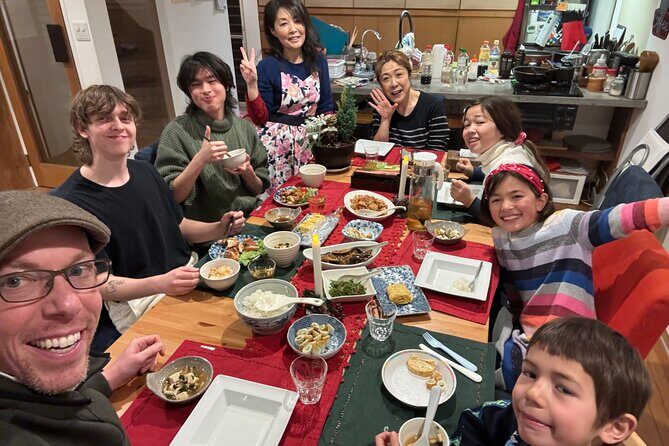
You don’t just pack the dishes and run. After cooking, you can sit down and enjoy what you prepared in a relaxed, casual atmosphere.
This is an underrated part of the value. In Kyoto, it’s easy to end up with meals that feel disconnected—one street snack here, one dessert there. This turns the activity into a complete experience: make it, then taste it right away while it’s still fresh.
Price and Value: Is $56 Worth It for One Hour?
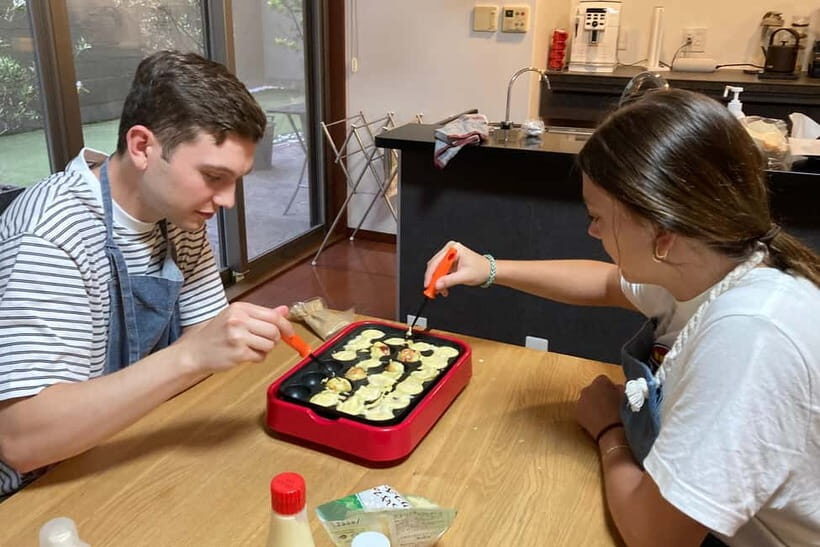
Let’s talk money in a practical way. The price is $56 per person, for:
- the experience cost
- ingredients (lunch or dinner food)
- aprons and cooking utensils (rental)
Transportation isn’t included, but the location is close to major stations, so you’re not dealing with a long transfer bill for most itineraries.
Is it worth it? For many travelers, yes, because you’re getting:
- two dishes in one session
- hands-on instruction
- a sit-down tasting
- dietary accommodation options
- a small group setting limited to 6 people
If you love food but don’t want a big time commitment, this sits in a sweet spot. You’re paying for guided cooking plus the ingredients and gear, which is usually where DIY shopping and prep starts getting expensive fast.
If your budget is tight and you’d rather spend money on stand-alone meals, then you may choose to skip cooking and go straight to eating. But if you want a memorable skill plus a meal in one hour, this is a solid deal structure.
Who Should Book This Class in Kyoto
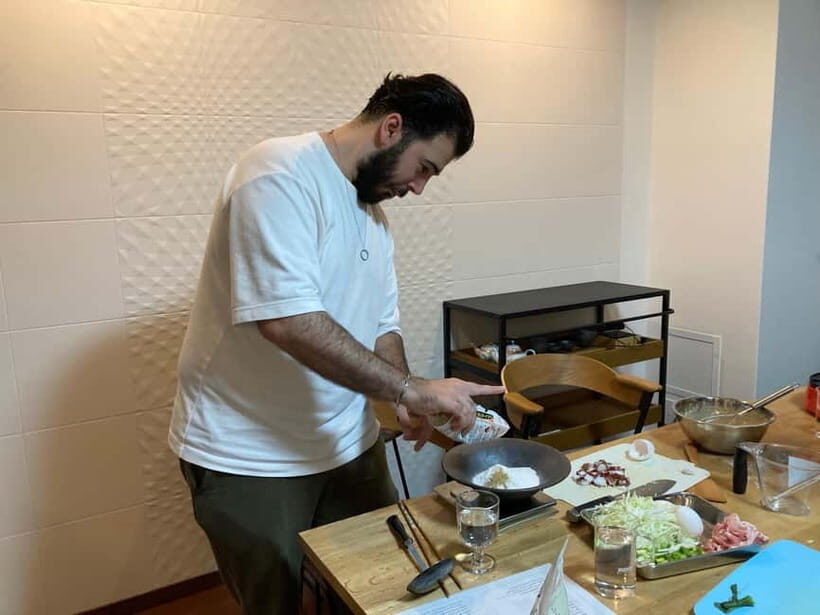
This experience is a great match if:
- you’re a first-time visitor to Japan and want a quick food activity that still feels authentic
- you want a short class that doesn’t wreck your sightseeing schedule
- you prefer hands-on learning with friendly guidance
- you need gluten-free/vegan/halal-friendly support and want ingredient adjustments handled for you
- you like learning how everyday Kansai comfort foods are made
It may not be your best fit if:
- you want a deep, technical cooking course with lots of time and practice
- you strongly dislike any schedule pressure (because it’s designed to finish within 1 hour)
- you’re looking for a full-day food tour with multiple stops and long explanations
Should You Book This Kyoto Takoyaki and Okonomiyaki Class?
I’d book it if you want a compact, hands-on Kyoto food experience that’s easy to fit into a day and designed for beginners. The small group size, the dietary-friendly options on request, and the fact you’ll make and eat two classic dishes are the main reasons it works.
If you do book, keep it simple:
- arrive a few minutes early so you can settle in
- list your dietary restrictions clearly at booking
- come ready to cook, not just watch
For many people, this is the kind of activity that turns Kyoto from a place you visit into a place you understand a little more—one pan at a time.
FAQ
What is the duration of the Kyoto takoyaki and okonomiyaki cooking experience?
The experience lasts 1 hour.
Where is the meeting point?
Take the elevator to the third floor and press the doorbell for 302.
How far is it from Shijo Station or Karasuma Station?
It is within about a 10-minute walk from Shijo Station or Karasuma Station.
Is it a small group class?
Yes. It is limited to 6 participants.
Are gluten-free, vegan, or halal-friendly options available?
Yes. Gluten-free, vegan, and halal-friendly options are available, and ingredients can be adjusted if you inform them at booking.
What languages are the instructors?
The instructor provides English and Japanese support.
What is included in the price?
The price includes the experience cost, ingredients (lunch or dinner food), and aprons and cooking utensils (rental).
Is round-trip transportation included?
No. Round-trip transportation to and from the location is not included.
Is cancellation allowed?
Yes. There is free cancellation up to 24 hours in advance for a full refund, and you can reserve and pay later.