Kyoto on foot is a lot of fun.
This half-day plan works because you get a tight route through Kyoto’s most photographed areas while your guide explains what you’re seeing in plain language. I especially like the way it pairs big-ticket highlights like Kiyomizu-dera with calmer breaks nearby, so the day doesn’t feel like a check-list sprint. One thing to consider: it’s still a walking tour, and you’ll do plenty of uphill-to-downhill movement in the Higashiyama area.
What sealed it for me is the small-group feel. With a maximum of 8 people, the pace stays human, and you can ask questions without shouting over a crowd. If you want Kyoto context fast—Buddhism and Shinto side by side, plus the stories behind Gion—this is a strong way to spend a few hours.
In This Review
- Key highlights to know before you go
- Why This Half-Day Walk Makes Kyoto Feel Understandable
- Kyoto Ceramic Center Start: A Quick Culture Warm-Up
- Kiyomizu-dera Without the Get-Lost Problem
- Sannenzaka and Ninenzaka Slopes: The Walk That Feels Like a Time Machine
- A Japanese Garden, Yasaka Pagoda, and Two Short Shrine Stops
- Kennin-ji Zen Temple and the Zen Lessons You Can Spot
- Gion’s Hanamikoji and Back Streets After the Temples
- Price, Admissions, and Value for Your 4 Hours
- Who Should Book This Tour, and Who Might Prefer DIY
- FAQ
- How long is the Kiyomizu Temple and Backstreets of Gion tour?
- What is the group size for this tour?
- Are temple admissions included?
- Where do I meet, and where does the tour end?
- Does the tour run in bad weather?
- What is the cancellation policy?
Key highlights to know before you go
- Small group (max 8): better explanations and easier navigation through crowded streets
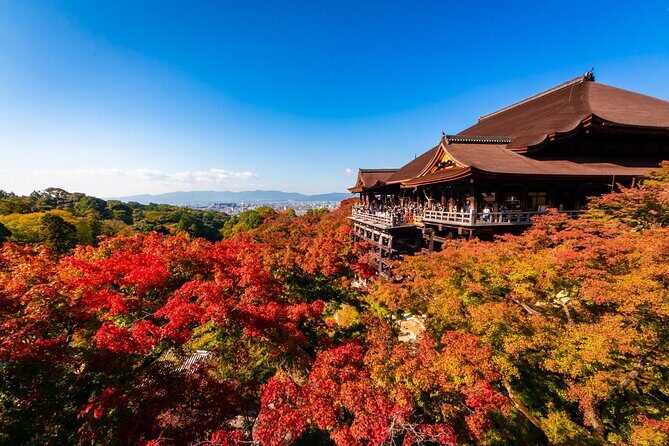
- Guided Kiyomizu-dera + Kennin-ji: key temple time with included admissions
- Historic Higashiyama walk: Sannenzaka and Ninenzaka slopes up to Kiyomizu-dera
- Mix of religions on one route: Zen at Kennin-ji, plus Shinto stops like Yasui-Konpiragu
- Gion back streets finish: walk through Hanamikoji and end in Minamigawa
Why This Half-Day Walk Makes Kyoto Feel Understandable
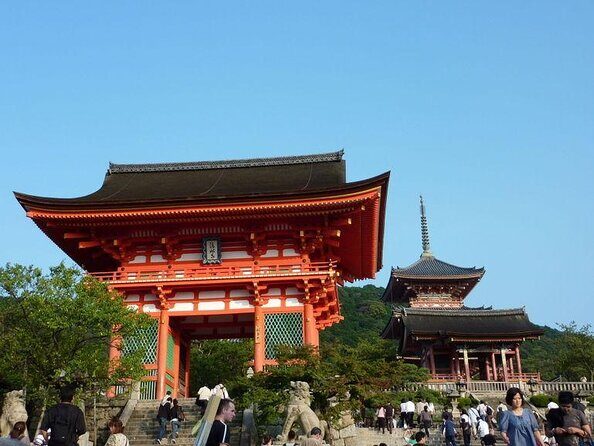
Kyoto can overwhelm you fast. Streets fold into other streets, signs look similar, and suddenly you’re staring at a map instead of temples. This tour cuts that problem by keeping you on a smart, short route for about 4 hours.
The best part is the balance. You start with Kyoto’s iconic temple views, then shift into smaller stops where the details matter—rituals, local worship, and the everyday rhythm of Higashiyama. You also end in Gion rather than just dropping you at another temple area, so your day has a natural emotional arc: awe, learning, then atmosphere.
You’ll also get the practical win: a guide helps you avoid the get-lost feeling and saves time in areas where lines and crowd flow can be messy. It’s not about rushing; it’s about moving efficiently so you still have time to notice what’s in front of you.
A few more Kyoto tours and experiences worth a look

Kyoto Ceramic Center Start: A Quick Culture Warm-Up
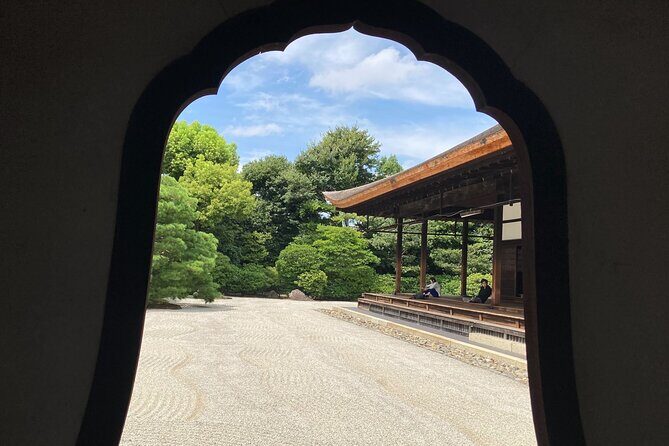
You meet at Kyoto Ceramic Center (Kyoto Ceramic Art Association Official Shop and Gallery) at 583-1 Yūgyōmaechō, Higashiyama Ward. It’s a simple starting move—10 minutes and the admission ticket is free.
Why this helps: it gives you a Kyoto “frame” before you hit the stairs and slopes. Kyoto isn’t only temples; it’s also craft and the way local life blends with tradition. Starting here means you’re not jumping straight from station chaos into Kiyomizu crowds.
It’s also a nice moment to check your footing and get your bearings. The tour involves plenty of walking, so this is a good time to settle in with comfortable walking shoes.
Kiyomizu-dera Without the Get-Lost Problem
Your main anchor stop is Kiyomizu-dera Temple. You get about 1 hour there, and the admission ticket is included. This place is a UNESCO World Heritage Site and one of Kyoto’s most visited temples, which is exactly why a guided route helps.
From ground level, the stories are what make the view land. A professional guide explains the cultural and historical side as you walk through. You’re not only taking photos; you’re understanding why Kiyomizu-dera is such a big deal in Kyoto’s religious world.
A reality check: Kiyomizu-dera’s area can be packed. The tour keeps you moving with local timing and pacing, so you’re less likely to get stuck at a single bottleneck for most of your hour. Reviews you’ll hear about this experience often point to good organization and a steady pace, which is exactly what you want here.
Sannenzaka and Ninenzaka Slopes: The Walk That Feels Like a Time Machine
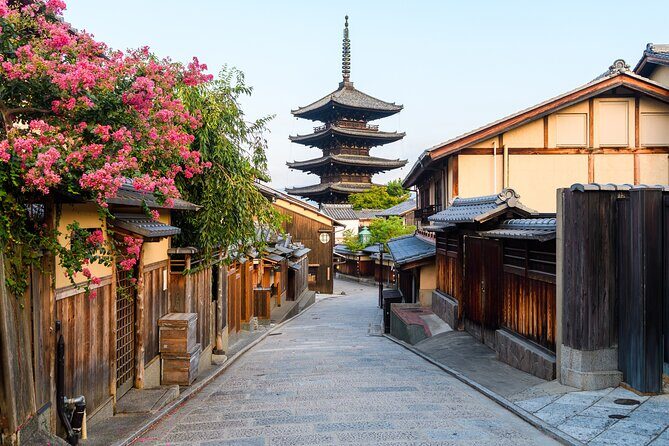
After Kiyomizu-dera, you transition to the historic streets that climb up to it: Sannenzaka and Ninenzaka. You’ll spend about 30 minutes here, and the admission ticket is free.
These streets matter for a simple reason: they shape your experience. The route gives you that classic Higashiyama feeling—steep, old streets with a Kyoto rhythm you don’t get when you move by taxi or train between major stops. It’s also where your eyes can slow down. You can look at the street layout, the way buildings hug the slope, and the small details that make the area feel preserved.
This is also where you’ll feel the day’s physical rhythm. The slopes mean you’ll be stepping uphill and adjusting your pace. That’s why this is such a good tour for people who want to see Kyoto on foot but still feel guided and supported.
A Japanese Garden, Yasaka Pagoda, and Two Short Shrine Stops
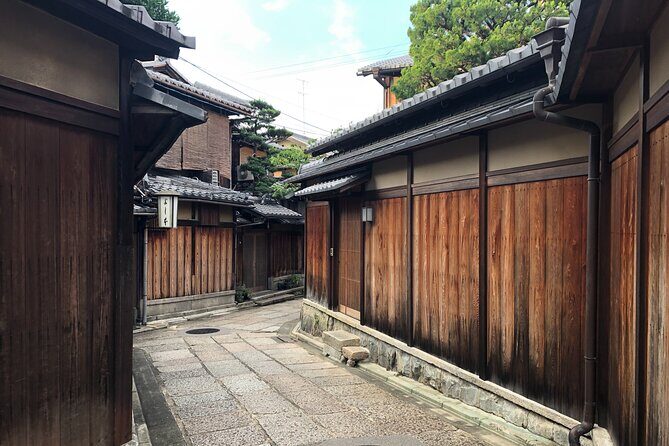
Between Kiyomizu-dera and the next temple stop, you’ll pass through a quieter pocket of the area, plus iconic landmarks.
First, there’s a nearby Japanese garden known for ponds, traditional wooden bridges, and carefully arranged plants. It’s not a long stop on a timer, but it’s a real breather. This small shift—big temple intensity to calm garden stillness—helps the whole tour feel less exhausting.
Then you’ll see the Yasaka Pagoda, a historic five-story pagoda and one of the city’s most recognizable landmarks. Even if you’ve seen photos before, seeing it in context helps. The pagoda becomes a visual anchor as you keep walking through Higashiyama.
After that, you make two quick stops:
- Yasaka Kōshin-dō Temple (about 10 minutes, free): this temple is dedicated to Koshin, a guardian deity believed to protect people from illness and misfortune. It’s also known for colorful kukurizaru.
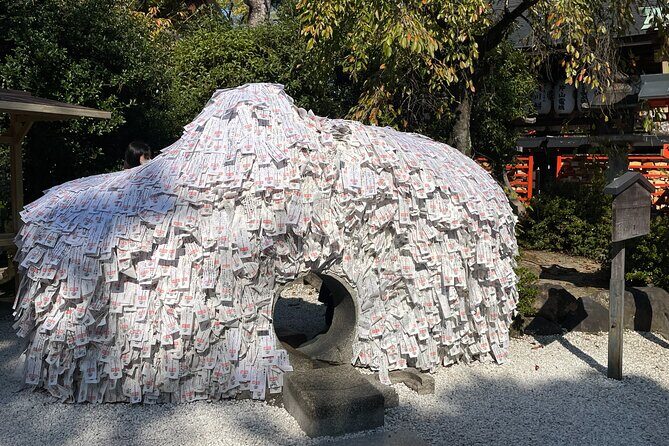
- Yasui-Konpiragu (about 10 minutes, free): a Shinto shrine famous for rituals to cut negative relationships and form positive ones, with long lines at times.
These shorter stops are smart for two reasons. One, they break up the walking load. Two, they show Kyoto as a living place of worship, not only sightseeing.
A few more Kyoto tours and experiences worth a look



Kennin-ji Zen Temple and the Zen Lessons You Can Spot
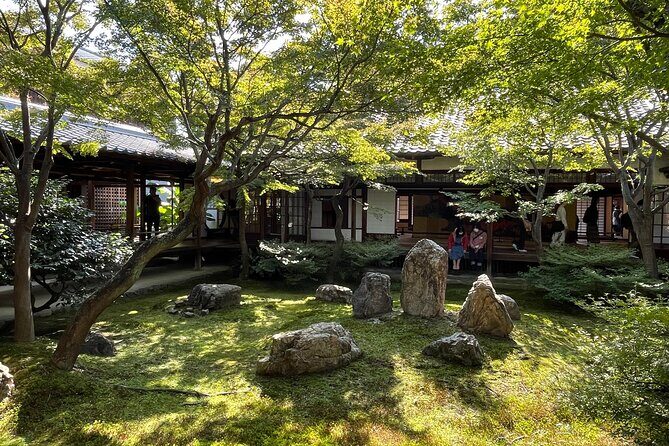
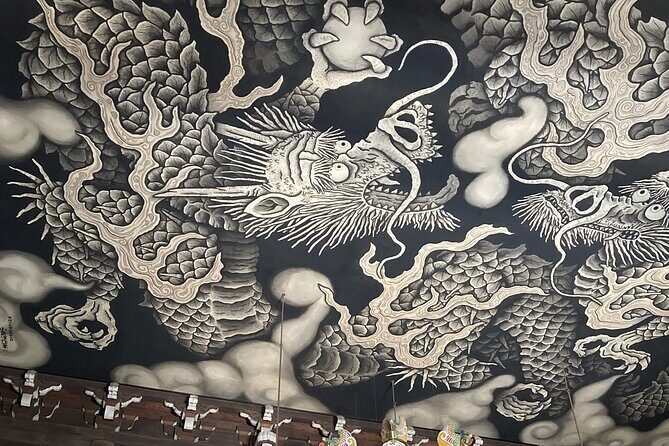
Next up is Kennin-ji Temple, Kyoto’s oldest Zen temple, founded in 1202. You get about 50 minutes, and the admission is included.
Kennin-ji stands out because it’s tucked into the city. Even though you’re in a central area, the temple grounds feel calm and spacious—exactly what you want after walking crowded streets near major sights. Your guide explains what you’re seeing, and the Dharma Hall is a focal point.
Here’s why this stop is valuable for most people: it gives you a change in tone. Kiyomizu-dera and the slopes are about famous views and big religious presence. Kennin-ji is about slower, grounded Zen space—something you notice more when you’re guided through it instead of rushing in and out.
This is also the part of the tour where families often benefit. One review highlights how the guide adjusted to children’s pace and interests, and that same flexible pacing is a big reason this feels approachable for different travel styles.
Gion’s Hanamikoji and Back Streets After the Temples
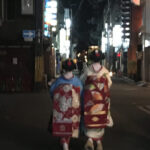
Your final phase walks you into Gion, Japan’s largest geisha district. You’ll explore the main street Hanamikoji, with traditional machiya houses, teahouses, shops, and restaurants lining the street.
What you should expect here: atmosphere more than architecture lectures. After temples, Gion feels like Kyoto in “daily life mode.” Your guide helps you read what you’re seeing—how the district functions and what makes Hanamikoji the centerpiece street.
One practical detail: the tour ends at 571 Gionmachi Minamigawa, Higashiyama Ward. If you have plans right after (a reservation, a train, a show), give yourself a buffer. The experience notes there can be delay when the tour ends.
Also, the tour structure helps here. You’re not arriving in Gion too early, when you’d still be mentally overloaded from your morning rush. Ending there makes the day feel like a walk through different Kyoto moods: sacred to everyday to historic.
Price, Admissions, and Value for Your 4 Hours
The price is $59.45 per person, and it’s a good deal if you care about context and time.
Here’s the value math that matters:
- Included admissions: Kiyomizu-dera and Kennin-ji are both included in the tour price.
- Other stops like Sannenzaka/Ninenzaka, Yasaka Kōshin-dō, and Yasui-Konpiragu are free to enter (so you’re not paying extra on the spot).
- You also get a local guide who helps you avoid wasting time sorting out the route alone—especially in the temple area where crowd movement can be tricky.
You’re paying for more than walking. You’re paying for someone to connect the dots between Buddhism and Shinto, between a landmark like Kiyomizu-dera and smaller worship stops like Yasui-Konpiragu. Guides on this route can include people such as Mitsuhiko, Mika, Takuma, and Kiyoto, and the common thread from recent experiences is friendly, enthusiastic guidance and a pace that doesn’t leave you behind.
If your Kyoto plan is short, this tour is a smart use of limited time. If you’re staying multiple days and already know the area well, you might choose to DIY. But for many visitors, $59.45 is a solid price to buy structure, context, and less stress.
Who Should Book This Tour, and Who Might Prefer DIY
Book it if you want:
- a guided, half-day route that hits major Kyoto sights without turning into a stampede experience
- help understanding what you’re seeing at Kiyomizu-dera and Kennin-ji
- an end in Gion where the vibe is part of the reward
- a small group format (up to 8) that keeps explanations practical, not rushed
You might skip this and DIY if:
- you prefer totally self-paced wandering and don’t want set time blocks
- you plan to spend a lot of extra time in one temple complex or one shop street
- you’re comfortable building your own route in crowded Higashiyama streets
My bottom line: this is a strong first taste of Kyoto. It gives you the big visual hits, then adds the meaning behind them. If you’re trying to make the most of limited time, it’s an easy yes.
FAQ
How long is the Kiyomizu Temple and Backstreets of Gion tour?
The tour lasts about 4 hours.
What is the group size for this tour?
This is a small-group walk with a maximum of 8 travelers.
Are temple admissions included?
Yes. Kiyomizu-dera and Kennin-ji include admission tickets. The other stops listed here (like Sannenzaka/Ninenzaka, Yasaka Kōshin-dō, and Yasui-Konpiragu) are marked as free.
Where do I meet, and where does the tour end?
You meet in front of Kyoto Ceramic Center (583-1 Yūgyōmaechō, Higashiyama Ward). The tour ends at 571 Gionmachi Minamigawa (both in Higashiyama Ward).
Does the tour run in bad weather?
Yes. The tour will take place rain or shine.
What is the cancellation policy?
You can cancel for a full refund up to 24 hours in advance of the experience start time. Cancellations made less than 24 hours before the start time are not refunded.