Fushimi has a side most people miss. This tour stays focused on Kyoto’s Fushimi beyond the famous gate crowd, using food and history to connect key moments of Japan’s past to everyday local streets you can still feel. You also get a guided route that keeps moving while still giving you time to look closely at the details.
I really like two things about it: first, the balance of shrine stops with sake culture at the Gekkeikan Ōkura museum, then the follow-up with Ryōma-era storytelling around the Teradaya historic site and Ryōma shopping streets. Second, it’s built for people who want practical help, not just facts—guides such as Remi have been praised for being thoughtful and even assisting with rail plans.
One drawback to consider: it’s a shared tour, and French can’t be guaranteed. Guides have English and Japanese as a baseline, and French may be added depending on the group.
In This Review
- Key things I found worth your time
- Why this Kyoto Fushimi tour feels more local than the usual route
- Getting there: the Fox statue meeting point and a 9:30 start
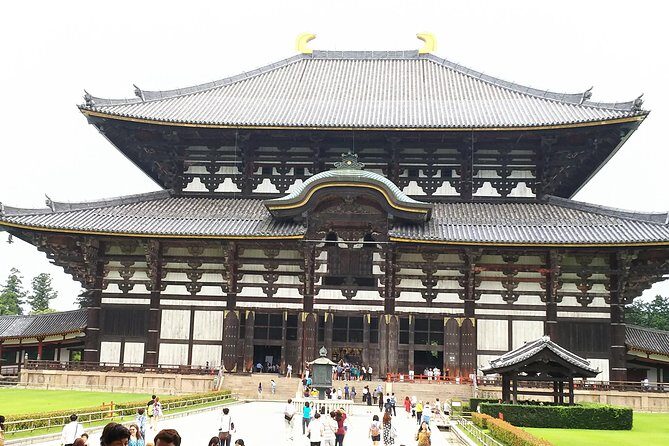
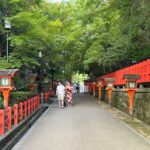
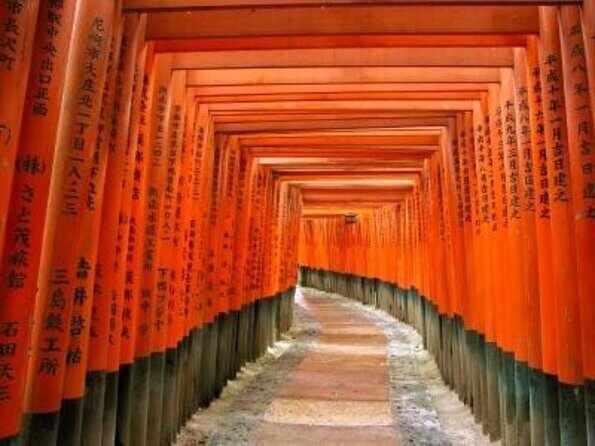
- Fushimi Inari Taisha: the landmark visit with hidden corners
- Gekkeikan Ōkura Sake Museum: where sake history becomes understandable
- 伏見運河 (Fushimi Canal): a short scenic reset
- Battle of Fushimiguchi trace: history you can picture
- Teradaya Historic Site: Sakamoto Ryōma and the Shinsengumi story
- Ryōma通り商店街 (Ryōma Shopping Street): lunch help and real street energy
- 伏水菓蔵 本店: taiyaki, sweets, and time for coffee
- Price and value: what $78.04 buys you in real terms
- Language, group size, and who this tour suits best
- Should you book this Kyoto Fushimi Food and History Tour?
- FAQ
- How long is the Kyoto Fushimi District Food and History Tour?
- Where does the tour start, and what time does it begin?
- Where does the tour end?
- What’s included in the price?
- Is lunch included?
- Which admissions are included?
- How big is the group?
- Can the guide speak French?
- Is cancellation free?
Key things I found worth your time
- Small group size (max 10): easier pacing and questions, especially when you’re switching between history and food stops.
- Sake-focused museum visit: Gekkeikan Ōkura’s distillery background and the culture around it are central here.
- Real Fushimi side streets: you’re not stuck only on the Inari gate photo route.
- Meiji Restoration and Ryōma links: the battle trace and Teradaya site connect big history to named places.
- Included sweets and snacks: you get a taiyaki plus additional sweets at the cafe, with lunch handled as optional.
Why this Kyoto Fushimi tour feels more local than the usual route
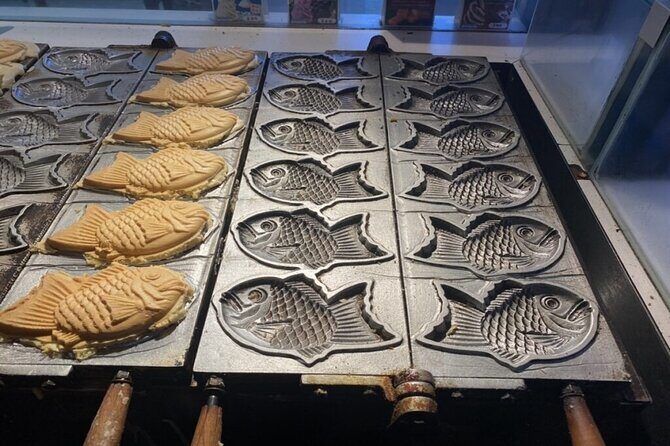
Fushimi is famous for Inari, sure. But this experience treats Fushimi like a neighborhood with layers, not a checklist. The theme is simple: history + food + a calmer pace through a district that’s still largely about daily life.
You’ll start at Fushimi Inari Taisha, then shift into a different kind of Kyoto education—sake production, canal scenery, and story-driven stops tied to the Meiji Restoration era and Sakamoto Ryōma. That mix matters. If you’ve already seen one crowded temple lane, you’ll appreciate how this route gives you variety without turning into a long day of sitting on a bus.
It also helps that the tour is short enough to fit into your Kyoto schedule. You’re looking at about 5 hours, starting in the morning, which is a sweet spot for Japan travel: you avoid the worst crowds, and you still get time to eat and explore on your own afterward.
If you're still narrowing it down, here are other tours in Kyoto we've reviewed.



Getting there: the Fox statue meeting point and a 9:30 start
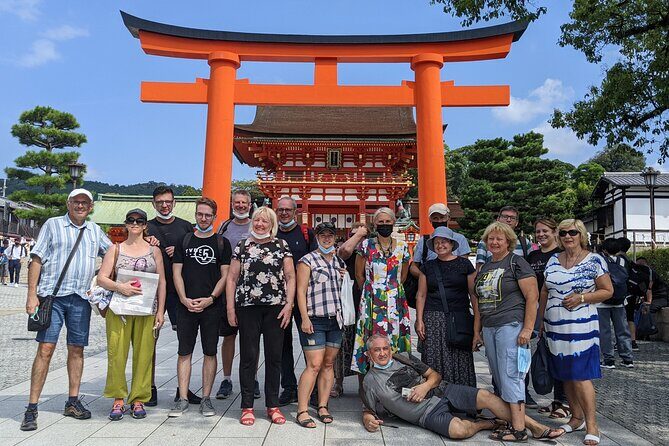
The meeting point is specific and easy to recognize once you’re there: the Fox statue at the entrance to Fushimi Inari Taisha (near Inarionmae Station area). Start time is 9:30 am, and the route ends back at the meeting point.
This is the kind of tour where timing helps you. A morning start means you can spend more time looking at details rather than squeezing through crowds. And because it ends back where it starts, you avoid the stress of figuring out transit late in the day.
You’ll also have a mobile ticket, so you’re not stuck with paperwork. Confirmation comes at booking, and the tour runs with a maximum of 10 travelers, which keeps the group from turning into a moving traffic jam.
One more practical note: if you’re coming from Kyoto Station, you’ll likely find the area convenient, and guides can help you navigate your rail plans if needed—Remi is specifically noted for going above and beyond with that kind of support.
Fushimi Inari Taisha: the landmark visit with hidden corners
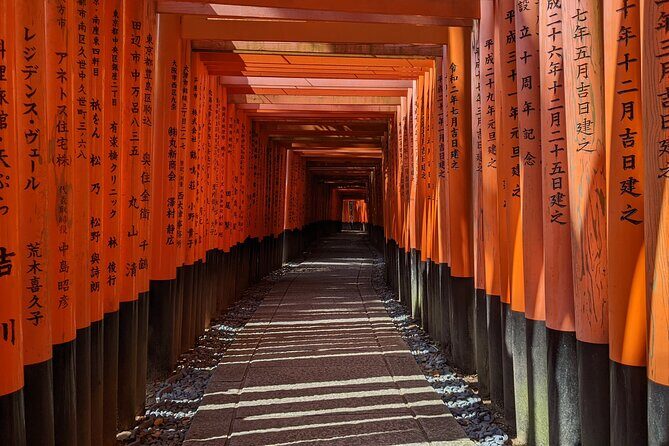
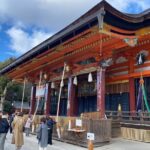
Yes, Fushimi Inari is Japan’s big star for a reason. But the trick here is what you do inside the shrine area. You’ll still visit the main site and learn about the spirit of Inari, the shrine’s background, and how it connects to the broader culture around food and trade.
What I like about this stop is the promise of a few spots people don’t know about. That matters because the usual experience can feel like: walk up, take photos, repeat. With a guide, you can slow down enough to notice why certain places exist, how the grounds are arranged, and what the details mean.
Also, this stop is listed at about 1 hour, and admission is free. That combination is great value: you get a guided interpretation without paying extra entry fees for the shrine grounds.
Possible drawback? Even with a guide, shrine time can move quickly if your group stays chatty and the weather is hot. If you prefer long, quiet temple wandering, you may want extra solo time on a different day too. This tour gives you a smart guided overview, not a full day of shrine-only exploration.
Gekkeikan Ōkura Sake Museum: where sake history becomes understandable
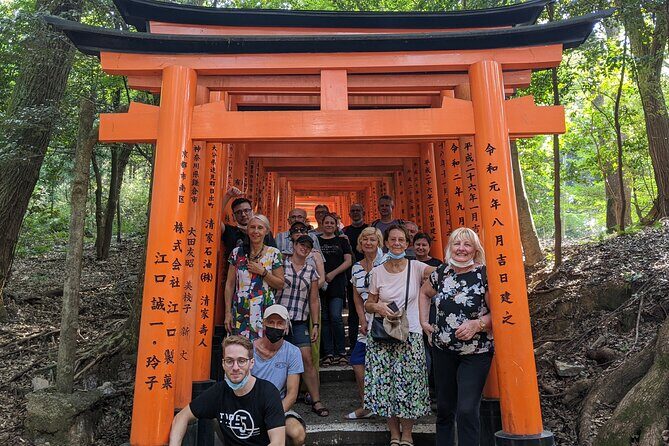
The second stop is the Gekkeikan Ōkura Sake Museum, and it’s a big reason the tour feels different from the average Kyoto walking tour.
You’re not just seeing a building. You’re visiting an old sake distillery tied to a real milestone: the first distillery to export Japanese alcohol overseas. That historical angle makes the museum more than a photo stop. It helps you connect sake to international reach and commercial history, not only local tradition.
The museum entrance is included, and the stop is around 1 hour. That’s a comfortable length: long enough to learn the basics and see how the distillery story is presented, but not so long that you lose momentum before the next outdoor and street segments.
I’d also watch for the food-and-history rhythm here. It’s common on this kind of tour that you leave the museum understanding the background, then you get to taste or snack later when your brain is already primed for the theme. One review specifically mentioned sake tastings, and if tastings are offered during your visit, you’ll be glad you’re paying attention to what the guide says beforehand.
If you dislike alcohol or just want to keep it light, you can still enjoy the museum’s historical storytelling. The tour framing is cultural and historical first, not only about drinking.
伏見運河 (Fushimi Canal): a short scenic reset
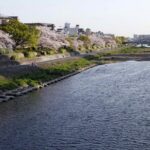
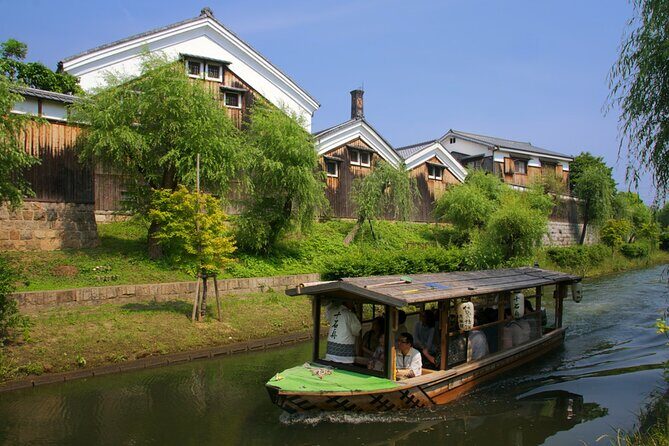
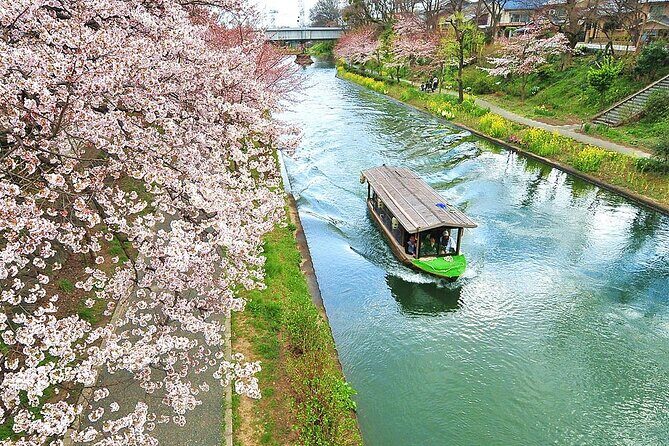
After the museum, you get an outdoor break at the Fushimi Canal (伏見運河) for about 30 minutes. This is one of those stops that makes the whole tour feel calmer.
The canal walk is described as a spot to enjoy the outdoors, cherry blossom season, and the beauty of a traditional district of Kyoto. Even if blossoms aren’t happening when you go, a short canal segment gives you something you don’t get in most shrine-heavy routes: breathing room.
This stop is also free. That’s a nice touch because you’re still getting a meaningful scene without paying more.
Practical consideration: weather matters here. If it’s raining hard, you might want an umbrella and comfortable shoes. The good news is the canal portion is time-limited, so it won’t turn the day into a long wet walk.
A few more Kyoto tours and experiences worth a look


Battle of Fushimiguchi trace: history you can picture
Next comes the Battle of Fushimiguchi Battlefield Trace, about 15 minutes. That’s brief, but it’s packed with context: the guide explains the story of one of the key battles in Japanese history and how it led toward the beginning of the Meiji Restoration.
Short stops like this work best when the guide is explaining while you stand in the place. And this tour is guided throughout, so the point isn’t just to pass by a marker—it’s to make the history stick to the location.
If you like big-picture history but get tired when tours turn into long lectures, this is a good compromise. You’re getting a meaningful narrative segment without losing the pace of the day.
Teradaya Historic Site: Sakamoto Ryōma and the Shinsengumi story
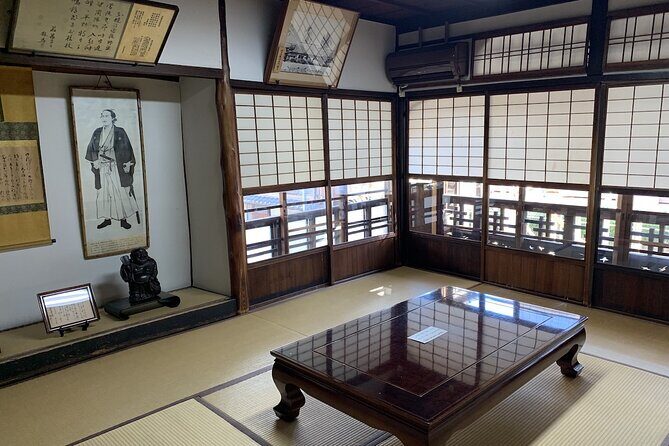
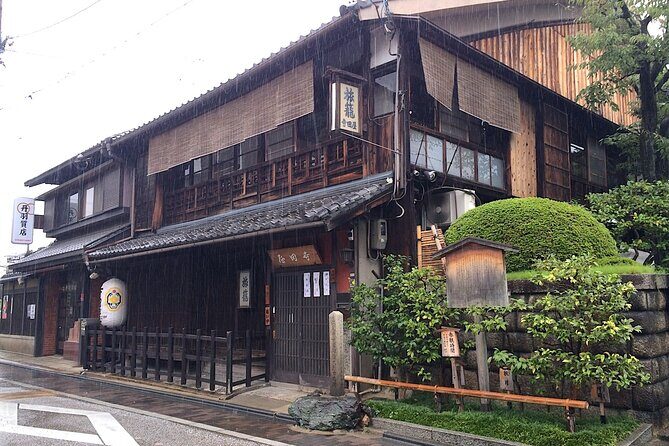
The tour then moves to the Teradaya Historic Site, where you’ll hear the story of Sakamoto Ryōma—including the dramatic part where he nearly faced assassination in his room by the Shinsengumi, and barely managed to escape.
This stop is about 30 minutes and admission is included. What makes it valuable is the way it turns “history personality” into a specific place. Instead of reading about Ryōma as a name in a book, you’re walking around a site tied to the narrative.
It also sets up the next phase nicely. After Teradaya, you shift from battlefield and personal danger to street life—Ryōma shopping areas, food, and the everyday culture that carries history forward in smaller ways.
Ryōma通り商店街 (Ryōma Shopping Street): lunch help and real street energy
Then you head into Ryōma Shopping Street, described as the equivalent of Nishiki Market in terms of food and drink, but without losing its authenticity and tradition.
This segment lasts about 1 hour 10 minutes. And while lunch isn’t included, the tour does offer lunch assistance with your guide. That means you’ll spend less time guessing what’s good and more time actually eating.
This is also where shopping can fit naturally. Shopping and translation assistance are included, so you’re not left on your own trying to interpret menus or deal with language barriers.
One thing I like about this design: it avoids the common problem where a food tour becomes just a series of snack photos. Here, you get a real neighborhood street and a chance to plan your own meal choice with context.
What to watch: because lunch is not included, you should budget extra. It can be a great time to eat well, but it’s still on you to choose where and what you order.
伏水菓蔵 本店: taiyaki, sweets, and time for coffee
The final stop includes 伏水菓蔵 本店, where you enjoy traditional Japanese sweets for about 30 minutes. The tour includes at least one taiyaki for each guest, plus snacks of up to 2 sweets for each guest at the cafe.
You also get a built-in “pause” before heading back to transit. The timing is intentional: after shopping and street food, sweets act as the gentle finish rather than the big heavy finale.
Coffee and/or tea aren’t included, but this is specifically described as the perfect time to get one. So if you want to end with a drink, this is your moment. Just remember it’s optional, not part of the included price.
Also, because this part happens late in the day, you’ll likely appreciate having eaten earlier. Sweets can be sweet, so having had lunch or snacks during Ryōma street keeps the finish enjoyable instead of just sugar.
Price and value: what $78.04 buys you in real terms
At $78.04 per person for about 5 hours, the value depends on your priorities—especially if you enjoy both history and food.
Here’s what you’re getting that justifies the price tag:
- Full guiding throughout the experience, including translating and shopping assistance.
- Included admissions at the Gekkeikan Ōkura Sake Museum and Teradaya Historic Site.
- Included food: 1 taiyaki per guest and up to 2 sweets at the cafe.
- Additional “cost-saving” features: several stops are free, and you’re not paying separate ticket fees for every segment.
If you were to do this on your own, you’d pay museum and historic site entry anyway, then you’d still need to figure out a route and meal pacing. The guide helps you avoid dead-end wandering and makes short history stops meaningful.
Timing also matters. The tour is typically booked about 67 days in advance on average, so if you’re traveling in peak season, booking earlier helps you lock in your day and avoid schedule scramble.
Language, group size, and who this tour suits best
This tour is a shared group experience with a maximum of 10 travelers, and that’s a real quality factor. With smaller groups, guides can keep better track of who’s asking questions and who needs a slower pace.
Language is the one thing you should plan for:
- Guides speak English and Japanese at minimum.
- French can’t be guaranteed in a shared group. The guide may alternate between English and French if necessary, but the tour priority may shift to English depending on the group mix.
- If you specifically need a French-speaking guide for your date, it’s best to contact in advance so they can confirm availability.
Who should book? I’d point it at:
- History lovers who don’t want a lecture-heavy day.
- Sake fans who want a museum visit connected to real stories.
- Food-and-street explorers who like guided recommendations but still want freedom for lunch and shopping.
Who might skip? If you only want temple photos and nothing else, you might feel the history stops are too story-driven. Or if you need guaranteed French, you should verify availability before committing.
Should you book this Kyoto Fushimi Food and History Tour?
I think this is a strong choice if you want a meaningful Fushimi morning without spending the whole day on the same crowded temple lane. The combination of Fushimi Inari context, Gekkeikan Ōkura sake culture, and the Teradaya/Ryōma historical thread makes the tour feel connected rather than random.
Book it if:
- You care about Meiji-era stories and named historical figures like Sakamoto Ryōma.
- You’d like included sweets and a guided route through local streets.
- You value practical assistance, including help with shopping and navigation.
Hold off if:
- You need French guaranteed for a shared group.
- You dislike short stops and prefer long self-paced museum time.
- You don’t want to pay extra for lunch.
If you’re unsure, this kind of tour is best for people who want structure early in the day and then freedom afterward.
FAQ
How long is the Kyoto Fushimi District Food and History Tour?
It’s about 5 hours (approximately).
Where does the tour start, and what time does it begin?
It starts at the Fox statue at the entrance to Fushimi Inari Taisha. Start time is 9:30 am.
Where does the tour end?
The tour ends back at the meeting point.
What’s included in the price?
You get full guiding, 1 taiyaki per guest, entrance to the Sake Distillery Museum, entrance to Teradaya Inn, shopping and translating assistance, and snacks of up to 2 sweets per guest at the cafe.
Is lunch included?
No. Lunch is not included, but you’ll get assistance in choosing and handling lunch during the Ryōma shopping street part of the tour.
Which admissions are included?
Entrance to the Gekkeikan Ōkura Sake Museum and the Teradaya Historic Site are included. Admission to Fushimi Inari Taisha is free.
How big is the group?
This experience has a maximum of 10 travelers.
Can the guide speak French?
French isn’t guaranteed because it’s a shared tour with mixed nationalities. Guides speak English and Japanese at minimum, and French may be added if needed. If you need French for your specific date, you should contact ahead to confirm availability.
Is cancellation free?
Yes. You can cancel up to 24 hours in advance for a full refund. If you cancel less than 24 hours before the start time, the amount paid isn’t refunded.