Kyoto at night has a tasty rhythm. This 3-hour walk through Gion and Pontocho turns sightseeing into real eating, starting at Yasaka Shrine when the lights come on and ending in a different-feeling dining spot down in Pontocho. You’re guided by an English-speaking local and fed up to 13 traditional dishes, from classics like tempura and sashimi to Kyoto-style bites.
I also like how the tour doesn’t treat food as a checklist. You get context for what you’re eating, plus guided stops tied to geisha and geiko culture, including Shirakawa Lane and a shrine area associated with those traditions. One drawback: you will eat a lot in a short window, and at this price point it’s best if you’re genuinely excited about sampling rather than just browsing.
In This Review
- Key highlights you’ll notice fast
- Kyoto’s Gion and Pontocho after dark: why this tour works
- Meeting at FamilyMart Gion: the easiest way to start smoothly
- Yasaka Shrine when the lights come on: the cultural kickoff
- Shirakawa Lane and the geisha-linked shrine stop
- Gion izakaya: karaage, tempura, sashimi, and sake pairing
- Street food time in Gion: quick bites, big atmosphere
- Pontocho’s different vibe: beer, cocktail, dinner, and more tastings
- Price and value: what $82 buys you in real terms
- Who should book this Gion and Pontocho food tour
- The nuts-and-bolts that make the night go right
- Should you book it?
- FAQ
- What is the duration of the Kyoto Gion and Pontocho Food Tour?
- How much does the tour cost?
- How many dishes are included?
- What drinks are included?
- Where is the meeting point?
- Is this a small-group tour?
- Is there a live guide, and is it in English?
- Is the tour wheelchair accessible?
- Is free cancellation available?
- Is reserve now, pay later available?
Key highlights you’ll notice fast
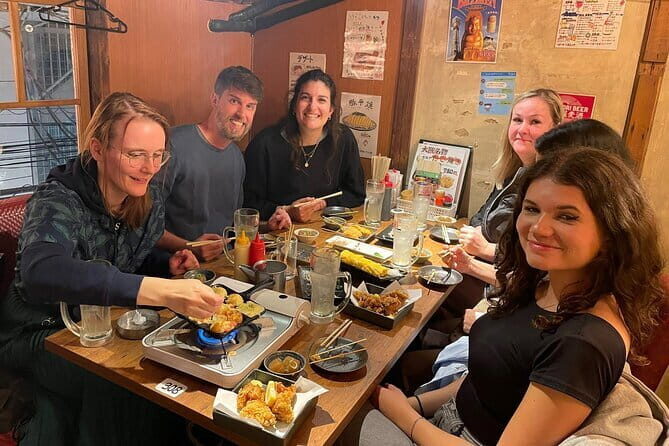
- Up to 13 dishes across two settings, so you’re not stuck with the same “safe” order twice
- Sake time is built in, not just optional
- Night photography energy in Gion, with illuminated shrine views and photo-friendly lanes
- Small group (max 8) keeps the pace calm enough to ask questions
- Gion to Pontocho shift gives you two Kyoto atmospheres in one evening
Kyoto’s Gion and Pontocho after dark: why this tour works
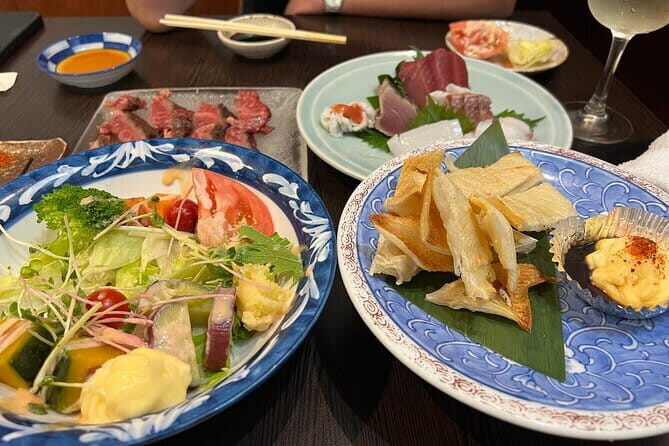
Gion and Pontocho are two sides of the same Kyoto coin. In the early evening, the streets feel like a stage set, but the real story is what people eat and how they move through the neighborhoods. This tour is designed around that idea: you start with a major landmark, then shift into narrower lanes and local dining rooms where the culture shows up in small details.
The food focus matters because it changes your route. Instead of just walking past doors, you’re stopping because someone chose a place for a reason. That’s where you get value: you’re not “trying to find” Kyoto’s nighttime flavors; you’re being guided to them in a sequence that makes sense.
If you want a night out that’s part culture briefing and part meal, this format fits well. The biggest warning is simple: don’t plan a huge dinner before you go. You’ll be satisfied and then some.
A few more Kyoto tours and experiences worth a look

Meeting at FamilyMart Gion: the easiest way to start smoothly
Your meeting point is straightforward: in front of the main entrance of FamilyMart (Kyoto Gion) facing the main street. For a nighttime tour, that’s a gift. Kyoto at night can be beautiful and confusing at the same time, so a clear, well-known landmark reduces stress before you even start walking.
Because the start is in Gion, you’re already in the right neighborhood before the stories begin. That matters for timing and energy. You won’t waste the first part of your evening figuring out where to begin; you’ll start with the vibe immediately and get your bearings fast.
Also, this is a small group capped at 8. That size helps you connect with fellow travelers without feeling swallowed by a crowd. If you’re solo, that matters too, because you’ll still have chances to talk as you go.
Yasaka Shrine when the lights come on: the cultural kickoff
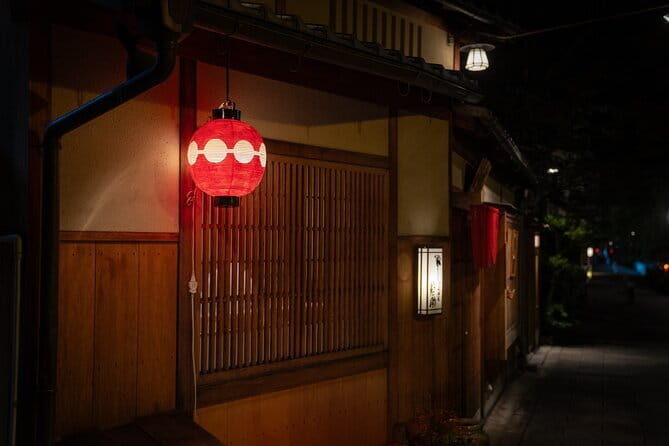
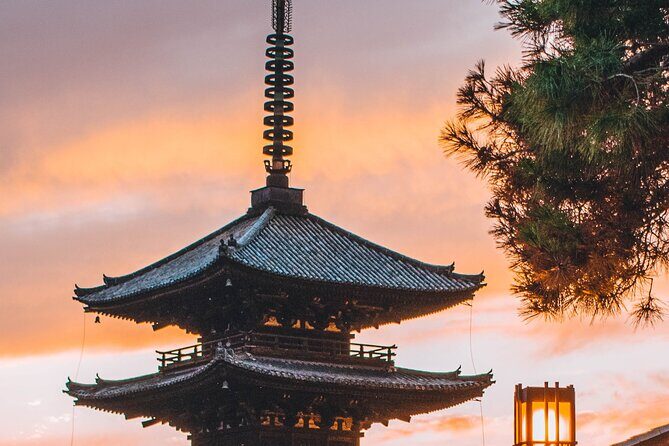
You begin at Yasaka Shrine, which is described as beautifully illuminated at night. Even if you’ve seen shrine photos in the daytime, the nighttime lighting changes the feel. The shrine becomes less of a daytime stop and more of a prelude—like the scene-setting for why Gion matters.
What makes this part more than a quick photo stop is the guidance. Your local expert shares the history and cultural significance of the shrine and ties it to the broader Kyoto context you’ll see later in Gion and Pontocho. You’re not just learning trivia; you’re building a mental map for what you’re looking at.
If your goal is to understand Kyoto beyond temples and postcards, the shrine kickoff is a good use of time. It also helps the rest of the night click, because the tour keeps connecting back to cultural meaning, not just food names.
Shirakawa Lane and the geisha-linked shrine stop
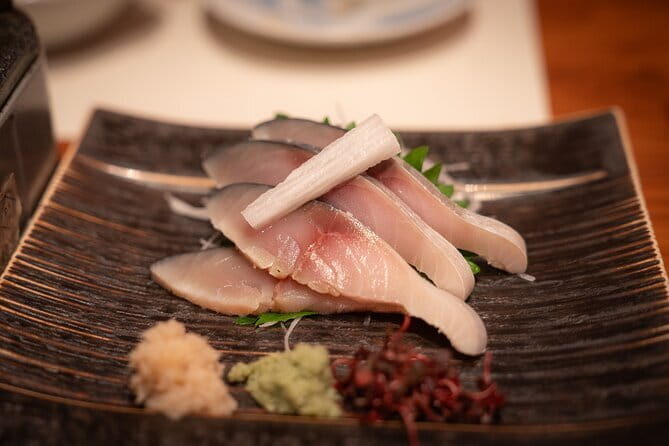
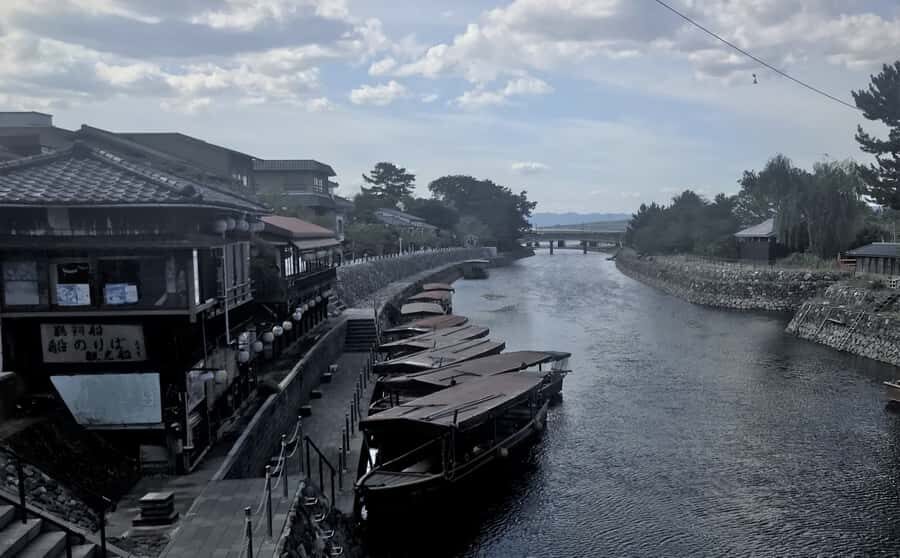
Next comes Shirakawa Lane, with a guided walk lasting about 30 minutes. This is one of those Kyoto stretches where the street itself feels like an artifact—narrow, scenic, and built for slow walking. At night, the lane reads softer and quieter, which makes it easier to pay attention to the details your guide points out.
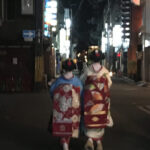
Then you’ll visit a shrine frequented by geishas, with the cultural angle staying front and center. This isn’t about hunting for performers. It’s about understanding why certain places matter in the geisha world and what “tradition in everyday space” looks like.
One practical consideration: this is still a real public neighborhood, so you’ll want to follow the guide’s pace and cues. If it’s rainy or snowy, the ground can get slippery, so comfortable shoes are a must. A calm pace helps you take in the lane without rushing.
Gion izakaya: karaage, tempura, sashimi, and sake pairing
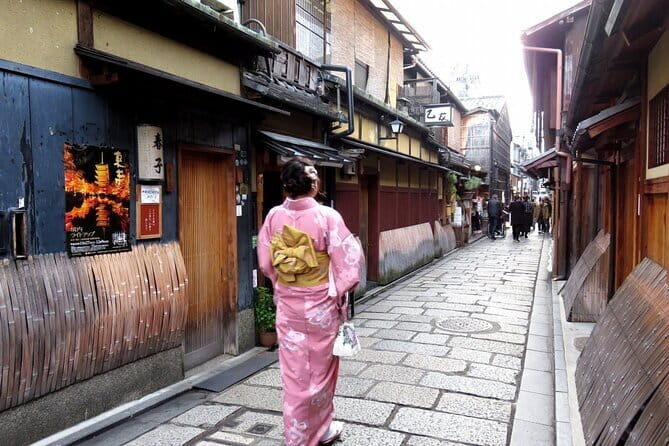
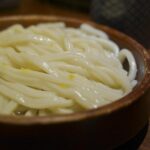
Your first major food concentration happens in an izakaya-style setting in Gion, described as cozy and built for tasting. The tour includes dishes like karaage, tempura, and sashimi, and the experience is paired with Kyoto’s well-known sake.
This is where the “food tour” part becomes real. You’re not just getting one plate; you’re getting multiple tastings across different flavors and textures. In a place like Kyoto, that variety is useful because it shows how local cuisine balances delicate and bold notes. Fried bites (like karaage) can contrast nicely with lighter seafood and clean flavors that show up in sashimi.
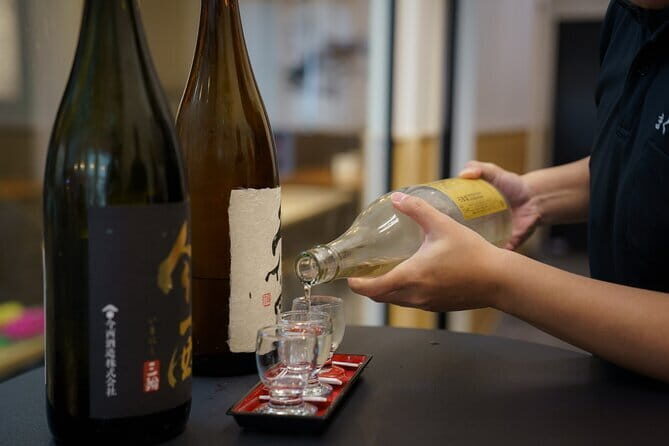
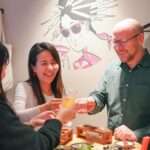
Two drinks are included, alcoholic or non-alcoholic, so you can match your preferences. For people who enjoy alcohol, sake is a highlight here, and the guide helps explain what you’re drinking and why it’s different from other types of sake. Some guides also go beyond basics with a tasting approach, which is a great add-on if you want to learn instead of just sample.
If you’re not a big drinker, you’ll still get meaningful pairings through the two included drinks, and the guide can help you choose non-alcoholic options.
A few more Kyoto tours and experiences worth a look

Street food time in Gion: quick bites, big atmosphere
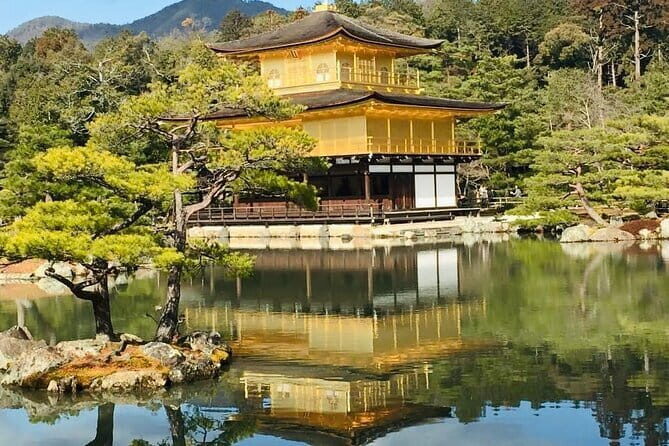
After the lane portion, you’ll have a shorter street-food stop in Gion (about 15 minutes). This section is less about sitting and more about tasting while you keep moving. It’s a good way to experience Kyoto’s nighttime street rhythm without blowing up your schedule.
The value here is choice. You’re getting a mix of “restaurant meals” plus street-level snacks, so your total night becomes a fuller picture of what local eating feels like. And because the tour keeps the pace tight, it’s easier to say yes to foods you might skip when you’re traveling solo and undecided.
A simple practical tip: since you’ll be eating across multiple stops, pay attention to portion sizes. Street food can trick you into overeating early. I’d treat this segment like a sampler, then let the izakaya deliver the heavier plates later.
Pontocho’s different vibe: beer, cocktail, dinner, and more tastings
You end in Pontocho, a district that feels different from Gion in the way it reads at night. The tour includes a short guided walk in Pontocho (about 15 minutes), then you head to a hidden dining spot for a longer food and drink window (about 1 hour).
This portion is designed for lingering. You’ll have beer and cocktail options along with the dinner-and-tasting flow, and this is where the total dish count (up to 13) starts to feel impressive. The vibe shift is part of the point: you leave the shrine-and-lane mood and step into a more social dining atmosphere.
If you enjoy meeting people, this is a good time for conversation, because the group is seated longer and you’ll have a natural reason to chat. Many guides also do well at keeping the evening fun without turning it into a loud party.
A consideration for some diets: the tour is built around tasting lots of Japanese dishes. The tour data notes care in general about the experience, and at least one guide is specifically noted as careful with allergies. If you have allergies or strong restrictions, tell the provider ahead of time so the guide can plan options during the meal portion.
Price and value: what $82 buys you in real terms
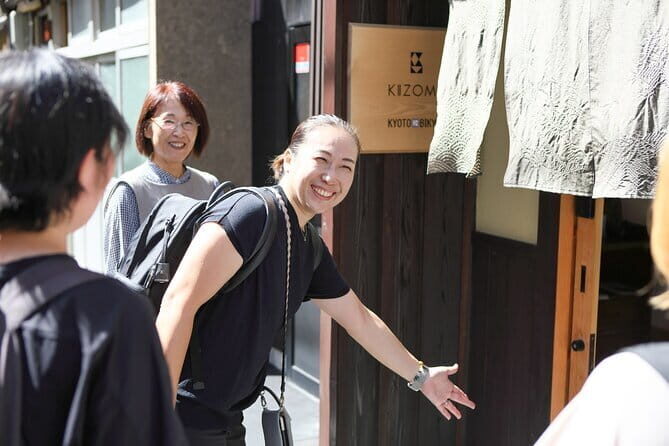
At $82 per person for 3 hours, the price is easier to judge when you break down what’s included. You get a walking tour with a local guide, food at one restaurant and one izakaya (up to 13 dishes), and two drinks (alcoholic or non-alcoholic). You also get cultural context tied to the places you visit.
The “value” angle here is that you’re paying for decisions you don’t want to make alone at night: where to eat, what to order, and how to understand the food and drink choices. Kyoto can be amazing, but it can also be overwhelming when you’re trying to pick restaurants by yourself—especially when language barriers hit.
The small group size (max 8) matters too. With fewer people, your guide can keep the pacing humane and answer questions without cutting you off. People also report that guides like Tomoko and Takuma keep the evening unhurried and informative, with help that goes beyond just pointing at menus.
The drawback is the same as the earlier one: if you’re not into food sampling, or you want a “light” evening, this is not that type of tour. It’s built for people who want the full tasting night.
Who should book this Gion and Pontocho food tour
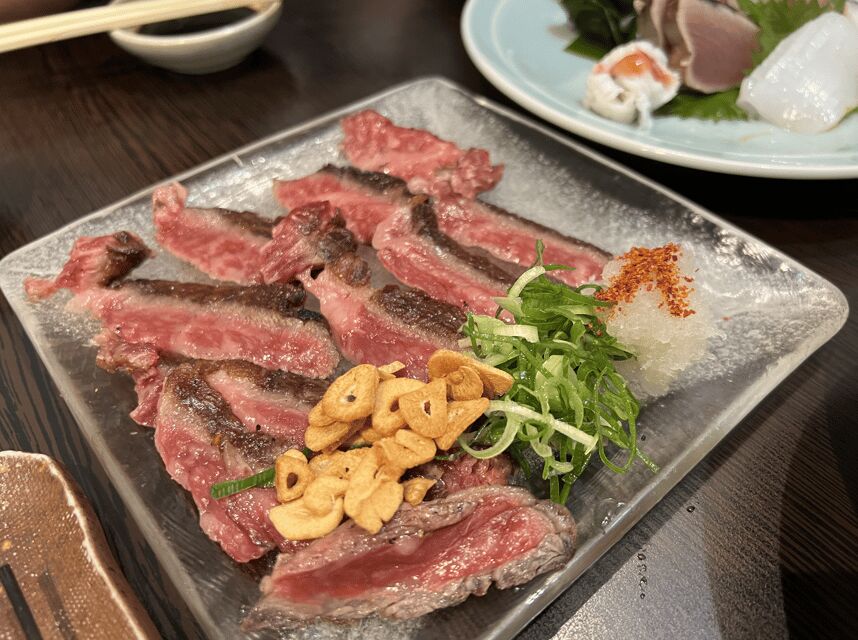
This tour is a strong fit if:
- You’re in Kyoto for the first time and want a night that teaches you as it feeds you
- You like eating in multiple formats (izakaya meal plus street bites plus a second dining stop)
- You enjoy geisha/geiko culture as a topic, not just as a sightseeing theme
- You want a small-group evening that’s still social enough to chat
It may not be the best match if:
- You plan to do a big dinner beforehand
- You hate eating lots of small dishes back-to-back
- You only want viewpoints and don’t care much about tasting
If you like structure but don’t want a rushed “tour bus” feel, this pacing is the sweet spot.
The nuts-and-bolts that make the night go right
Comfort matters here more than you’d think. You’ll be walking through atmospheric neighborhoods at night, so wear shoes that handle uneven sidewalks and possible wet patches. Also, go in ready to ask questions. The strongest parts of this experience are tied to explanations—especially around sake and cultural etiquette.
A small bonus you might notice: some guides are known for being generous with small extras, like photo-taking and keeping track of questions so you can remember what you ate and drank. Even if that doesn’t happen in every case, the general pattern is that the guide tries to make the night feel personal, not robotic.
One more practical point: if you drink alcohol, budget for the fact that extra drinks are not included. The tour includes two drinks, but if you find a sake style you love, you’ll want to know how to pace yourself and decide what to add.
Should you book it?
Yes, if you want a Kyoto evening that blends food tasting with geisha-culture context and you’re excited to try many dishes in one night. The up-to-13 dish format plus sake time is the real hook, and the small group size helps it feel guided rather than chaotic.
I’d skip it if you’re looking for a light walk, a quick snack, or a purely independent wandering plan. This tour is for eaters and culture-curious visitors who want their night to have a clear direction and payoff.
If you fit that, book the slot that matches your energy level, arrive hungry, and let the guide do the heavy lifting.
FAQ
What is the duration of the Kyoto Gion and Pontocho Food Tour?
The tour lasts 3 hours.
How much does the tour cost?
It costs $82 per person.
How many dishes are included?
You’ll get food tastings totaling up to 13 dishes across the included stops.
What drinks are included?
Two drinks are included, either alcoholic or non-alcoholic.
Where is the meeting point?
Meet in front of the main entrance of FamilyMart in Kyoto Gion, facing the main street.
Is this a small-group tour?
Yes. The group is limited to 8 participants.
Is there a live guide, and is it in English?
Yes, it’s a live tour guide and the language is English.
Is the tour wheelchair accessible?
Yes, the tour is wheelchair accessible.
Is free cancellation available?
Yes. You can cancel up to 24 hours in advance for a full refund.
Is reserve now, pay later available?
Yes. You can reserve now and pay later.