Matcha turns a temple stroll into calm. In this 45-minute Kyoto tea ceremony, you’ll learn the steps behind Kyoto’s matcha with locally made sweets and a hands-on bowl of frothy green tea. I especially like the chance to whisk your own matcha, not just watch from the sidelines, and I like the English-led pacing that makes the ritual feel both meaningful and doable. One thing to consider: you may be asked to sit on the floor unless you use the provided chairs and tables.
You’ll start in Kyoto’s Higashiyama neighborhood, near the Ninenzaka lanes that funnel you toward big sights like Kiyomizu-dera and Gion. The meeting spot is easy to miss at first: head for the Park Hyatt hotel, then look for the Studio Ghibli store across the street, and find the alley just to the left.
The ceremony runs about 45 minutes in total, with English instruction and a peaceful flow that mixes explanation, a seasonal sweet, and a bit of Q&A. Just know video recording isn’t allowed, though still photography without flash is permitted.
In This Review
- Key points worth your time
- Higashiyama Machiya Setting: Finding Flower Teahouse without stress
- Why this location is a big deal
- Timing tip
- The 10-minute style of the ceremony: What happens when you arrive
- Sweets, conversation, and the matcha warm-up
- Why the chat time matters
- Making matcha yourself: The moment it becomes real
- What you’ll likely notice when you whisk
- Utensils and room layout: The details that slow you down
- Comfort rules: Sitting upstairs, photos allowed, video not allowed
- Seating
- Location inside the building
- Photos and video
- Facilities and practical comfort
- Value check: Is $32 for 45 minutes worth it?
- Who this Kyoto tea ceremony suits best
- Should you book the Camellia Tea Ceremony in Kyoto?
- FAQ
- How long is the Kyoto tea ceremony experience?
- What is included in the price?
- Where do I meet for the tea ceremony in Higashiyama?
- Can I take photos or record video?
- Do I have to sit on the floor?
- Are there accessible options for mobility impairments?
- What if I want an interpreter?
Key points worth your time
- Kyoto-made matcha and seasonal sweets: you get a flavor-first introduction, not just a lesson on theory
- You learn matcha technique with help: your whisking isn’t guesswork
- You get context beyond the cup: utensils, room layout, and the meaning behind steps are part of the show
- Time to ask questions: you can talk about the tea ceremony’s schools and wider Japanese culture
- Comfort options are built in: chairs and tables are available if floor-sitting is a problem
- Short, high-impact break from Kyoto crowds: a focused 45 minutes in a quiet tearoom
Higashiyama Machiya Setting: Finding Flower Teahouse without stress
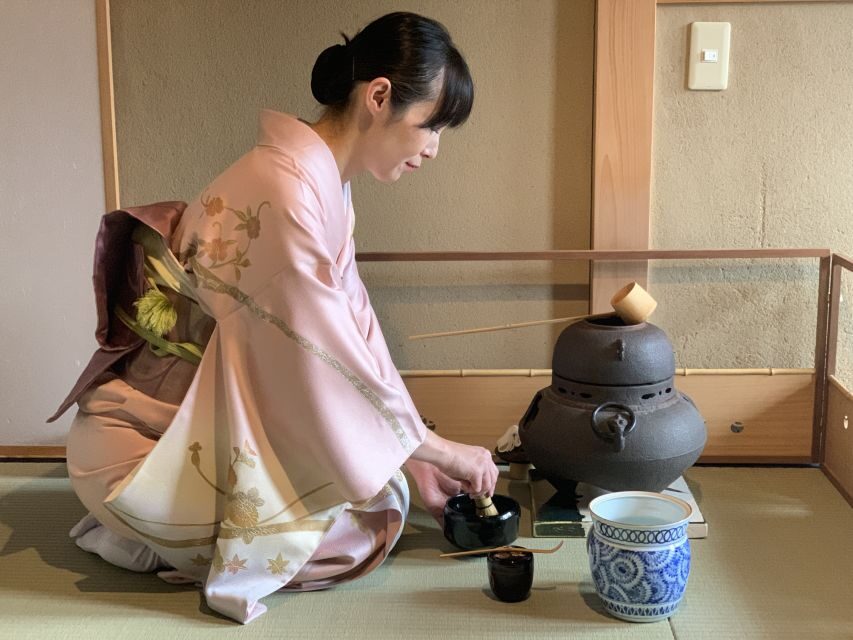
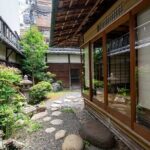
This experience is set in a traditional Kyoto machiya in the Higashiyama district, which already gives you the right mood. Instead of starting in a tourist-stuffed showroom, you begin in a calm lane atmosphere that feels like Kyoto before the day gets loud.
Here’s how I’d find it fast (especially if you’re walking from Kiyomizu-dera): go to the Park Hyatt hotel area. Opposite the hotel you’ll see a Studio Ghibli store. Flower Teahouse is down an alley that branches from the main thoroughfare of Ninenzaka, and the alley is just to the left of that store. It’s a narrow-turn kind of location—once you spot that reference point, everything else gets easier.
A few more Kyoto tours and experiences worth a look
Why this location is a big deal
Higashiyama is where Kyoto looks most like people imagine: temple silhouettes, old streets, and the slow push of foot traffic. A tea ceremony here does something practical for your day: it gives you a structured pause, so you’re not trying to absorb everything in one nonstop crawl. Also, the meeting point puts you close to major sites (Kiyomizu-dera, Kodai-ji, Yasaka-jinja, Chion-in, and Gion), so you can combine culture without wasting half a day on transit.
Timing tip
If you’re doing a temple day, slot the tea ceremony after you’ve walked enough to appreciate a break. The room upstairs is quieter, and you’ll enjoy the explanation more when your legs aren’t screaming.
The 10-minute style of the ceremony: What happens when you arrive
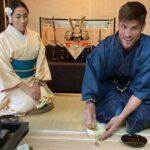
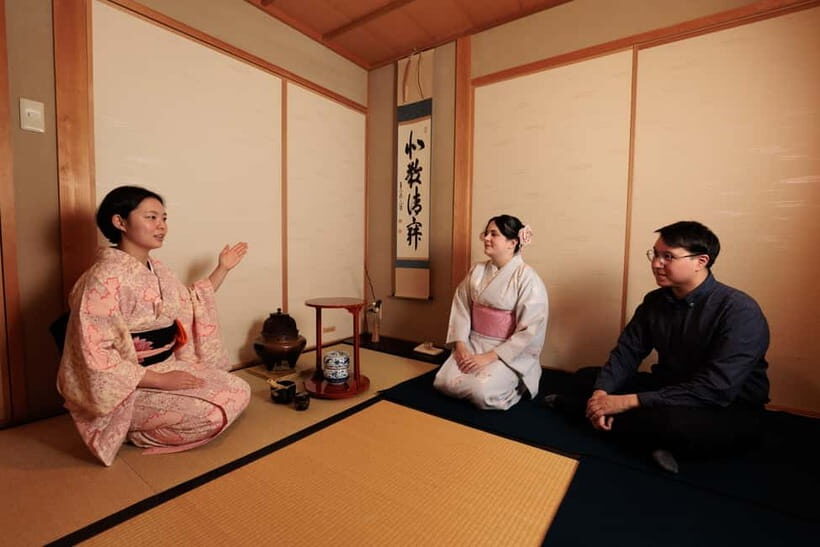
You’ll settle into the tearoom, which is upstairs. If you’ve never done a tea ceremony before, the surprise is often how calm it feels. It’s not a performance meant to fill time with chatter. It’s measured, deliberate, and paced for you to understand what you’re seeing.
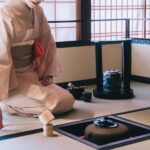
You start with a quick introduction to matcha—what it is, why it matters, and how the whole process fits together. Then the host covers the tea ceremony basics, including:
- The utensils and what each one does
- The steps of the ritual
- The importance of the room decoration (it’s not random, and that matters to the meaning of the ceremony)
This is a great moment to ask questions. Many people love that the host is willing to explain the tea ceremony’s three schools and connect it to broader Japanese culture. If you’re curious, this is when you’ll get your best answers, because you’re still mentally forming the map.
Sweets, conversation, and the matcha warm-up
Before you start whisking, you’ll nibble on a seasonal sweet with your tea. This is more than a snack break. It’s part of the rhythm of the ceremony: sweetness balances matcha’s flavors and gives you something to taste while you chat.
Then the ceremony shifts from explanation to watching the host’s movements. The demonstration itself tends to be short and smooth—many participants note it lasts around 10 minutes—but the key is that you’re not rushed. The host’s pacing gives your brain time to catch up: you see a step, understand what it’s for, then see the next move.



Why the chat time matters
Tea ceremony hosts often give you permission to ask questions, from practical curiosity (what’s the point of each utensil) to cultural curiosity (how the schools differ). If you like travel that answers real questions—not just photos—this part can be the best use of your time.
Making matcha yourself: The moment it becomes real
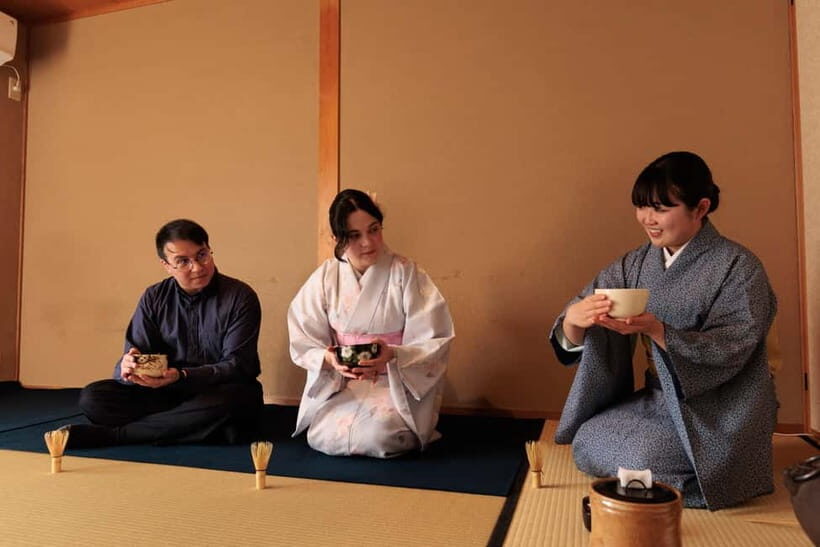
Here’s where this experience earns its keep: you don’t just drink matcha. You make a bowl, with guidance.
Your host guides you through frothing the matcha into a proper texture. You’ll learn the basics of whisking until the tea looks right and tastes right. Multiple participants highlight how helpful the instruction is, including names like Ikuko, who’s praised for explaining clearly and assisting people as they whisk.
And yes, matcha has a personality. If you’ve never tried it before, you might find it pleasantly bitter or deep rather than sweet like many Western drinks. That’s part of why this works: you’re learning the craft in the place the craft comes from.
What you’ll likely notice when you whisk
- Your wrist and timing matter more than you expect
- Foam isn’t an accident—it’s a result
- Drinking becomes a focused moment, not a gulp-as-quickly-as-possible thing
Even if you only do part of the process, you’ll still come away feeling like matcha isn’t magic. It’s technique.
Utensils and room layout: The details that slow you down
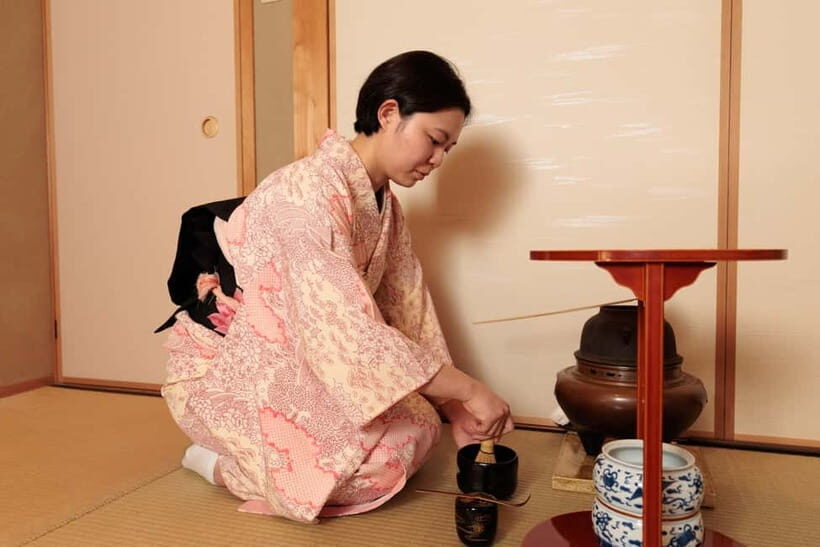
In most guided tours, you race through facts. This one does the opposite. The host spends real attention on the tea ceremony’s utensils and the room layout, because the ritual treats these objects like tools for a mindset.
When you learn why certain items are used, it stops feeling like a set of random steps meant for tourists. Instead, you understand the logic: preparation is part of respect; movement is part of attention; the room’s decoration shapes the emotional tone.
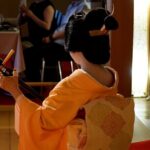
Participants consistently describe the atmosphere as relaxing and peaceful, with precise movements that feel almost hypnotic. That matters because it turns matcha from a beverage into a cultural action: you’re seeing how discipline and calm share the same space.
Comfort rules: Sitting upstairs, photos allowed, video not allowed
This is a practical activity, so it pays to know the boundaries.
Seating
You won’t have to suffer. Chairs and tables are available if sitting on the floor is uncomfortable. Some people do mention floor-sitting can be awkward for longer periods, especially if your knees and thighs aren’t ready for it—so take the hint and use the chair if you need to.
The host will likely encourage you to get comfortable. Sitting on your knees isn’t compulsory, and the goal is that you can focus on the ceremony, not on pain.
Location inside the building
The tearooms are upstairs. If you have mobility concerns, you might want to ask about the Garden Teahouse, which is wheelchair accessible.
Photos and video
- Still photography without flash is permitted
- Video recording is not allowed
This is one of those rules that keeps the room calmer. If you love filming everything, this is a good time to plan for photos instead.
Facilities and practical comfort
Restrooms are available. If you’re bringing a guide or companion who isn’t participating in the ceremony, they may wait in a waiting room with Wi‑Fi and refreshments.
Value check: Is $32 for 45 minutes worth it?
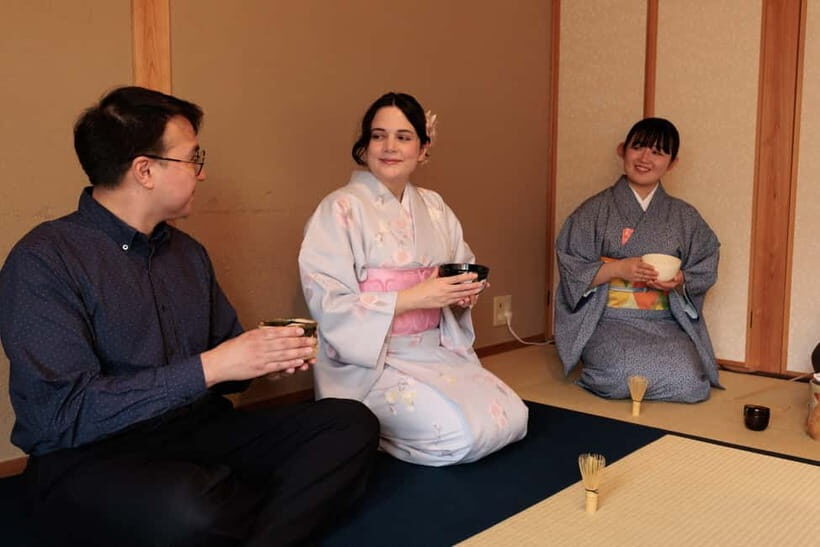
At $32 per person for about 45 minutes, this isn’t the cheapest activity in Kyoto, but it’s also not priced like a luxury add-on. The value is in what’s included:
- Matcha
- Traditional seasonal sweets
- Tea-making utensils
- An instructor/host who explains the steps and helps you whisk
Here’s the practical way to look at it: you’re paying for a guided, inside-the-process experience in a real Kyoto setting, not just a tasting. You also get language support (English) and a chance to ask questions. If you’ve ever done “walk up, listen for five minutes, photo, leave,” this is the opposite. The time is tight but purposeful.
Also, you’re in Higashiyama. That means the ceremony is a realistic break during a high-cost sightseeing day. You’re not spending extra money just to get to the experience, since the area itself is full of things worth seeing.
What’s not included:
- Hotel pickup and drop-off
- Meals
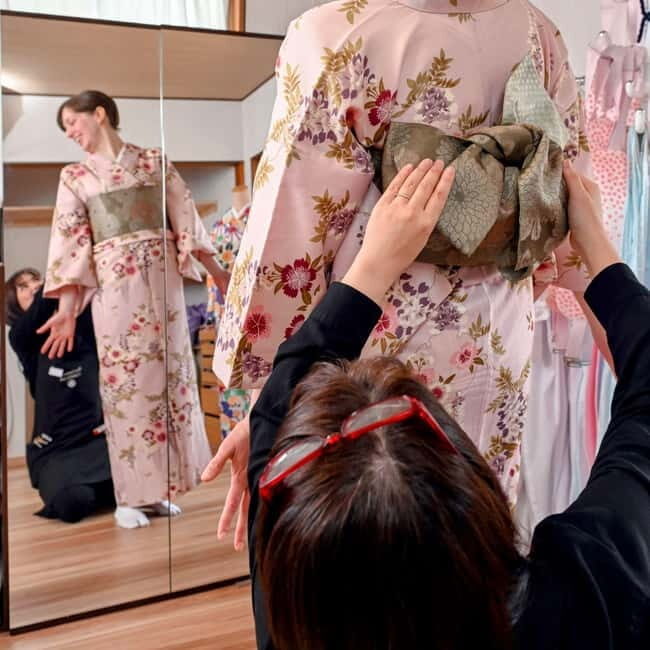
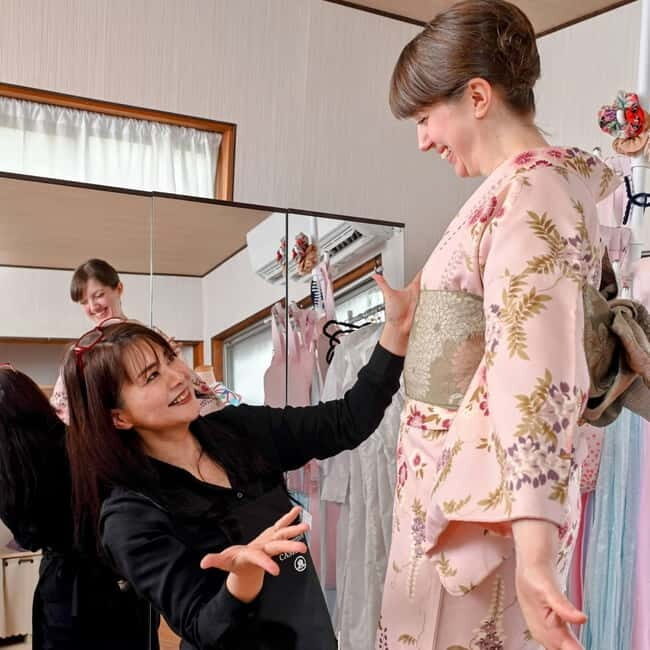
- Kimono rentals
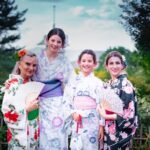
Kimono can be a fun visual layer, but since rentals aren’t included here, you’ll want to arrange it separately if that’s your plan.
Who this Kyoto tea ceremony suits best
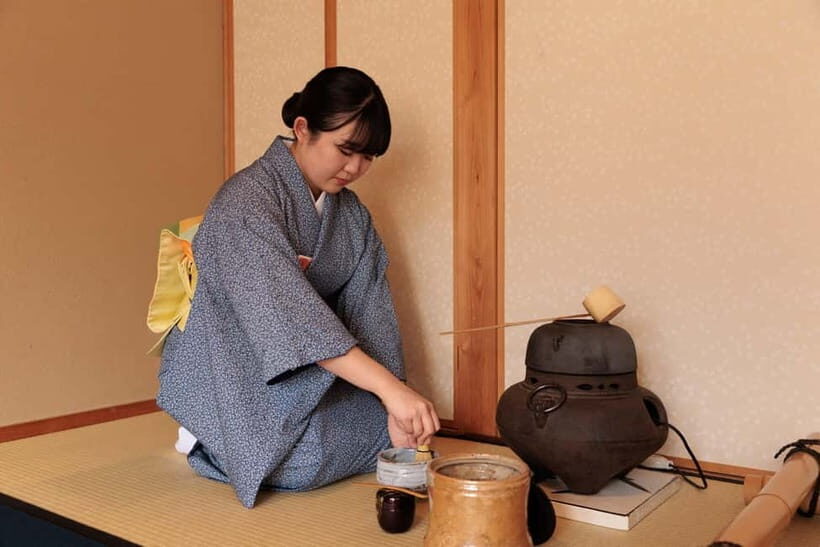
This is a great fit if you want a calmer Kyoto moment that still feels authentic and hands-on. It works especially well for:
- First-time matcha drinkers who want to understand what they’re tasting
- People who like structure and clear steps
- Travelers who want a short break from temple crowds
- Anyone who enjoys learning how small details connect to meaning
It may be less ideal if you want a long, theatrical show with minimal participation. This is a guided ritual lesson, not a performance that keeps moving without explanation.
Should you book the Camellia Tea Ceremony in Kyoto?
If you’re doing Kyoto as a list of major sights, booking this is an easy way to add something quieter and more personal. The format hits the sweet spot: you get explanation, a taste of sweets and matcha, and the key hands-on moment of whisking. The English instruction, the focus on utensils and room layout, and the fact that video recording is restricted (so the room stays peaceful) all point to a thoughtful experience.
I’d book it if you can handle 45 minutes in a traditional setting and you’re open to using the provided seating options if floor-sitting is uncomfortable. If you want a guided cultural break that doesn’t require lots of extra planning, this is a strong choice.
FAQ
How long is the Kyoto tea ceremony experience?
The experience lasts about 45 minutes.
What is included in the price?
You get matcha, traditional seasonal sweets, the tea-making utensils, and instruction from a host.
Where do I meet for the tea ceremony in Higashiyama?
The meeting point is down an alley branching from the main thoroughfare of Ninenzaka in Higashiyama. The simplest landmark is the Park Hyatt hotel; opposite it is a Studio Ghibli store, and the alley is to the left of that store.
Can I take photos or record video?
You can take still photos without flash. Video recording is not allowed.
Do I have to sit on the floor?
No. Chairs and tables are available if you find it difficult to sit on the floor.
Are there accessible options for mobility impairments?
The tearooms are upstairs, but the Garden Teahouse is wheelchair accessible.
What if I want an interpreter?
The activity is taught in English. If you plan to come with an interpreter, you should book a private tea ceremony to avoid disrupting other participants.