Gion can feel like a movie set. This tour turns the legends of geisha and geiko into real, human details, starting with a guided stroll through the streets of Gion and ending with a close Maiko performance and Q&A. I especially like how guides such as Kenta-san and Akari-san correct Hollywood myths with history and everyday context, not just trivia.
You’ll get two standout pieces of the experience: first, a thoughtful walk that explains the living traditions behind the kimono world, and second, time to ask questions directly during the tea/lunch/dinner portion. The main thing to consider is practical: you’re on your feet for a few hours, and the tour is not suitable for mobility impairments, plus you can’t bring luggage or large bags.
In This Review
- Key takeaways before you go
- Gion and the geisha world: what makes this tour work
- Meeting point at the Izumo-no-Okuni statue: your first win
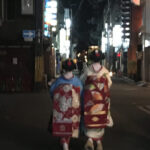
- The 1.5-hour Gion cultural walk: what you’ll actually notice
- Miyagawasuji and the dance show: watching Maiko performance with context
- The Maiko Q&A over tea or meals: the part most people remember
- Dining options: lunch plate, tea break, or an 8-food shared dinner
- Lunch with Geisha (10:30AM option)
- Tea break with Geisha (2:30PM option)
- Dinner with Geisha (6:30PM option)
- Price and value: where the $108 goes
- Who this tour suits best (and who should skip it)
- Timing and logistics: how to make 3 hours feel smooth
- What to do before you go: small preparation that pays off
- Should you book Ken’s Tours Kyoto’s Gion Cultural Walk and Maiko Show?
Key takeaways before you go
- Small group (up to 8): easier questions, less crowding, and more respectful pacing
- Honest myth-busting: you’ll hear how geisha/geiko/maiko fit into history and modern life
- Maiko Q&A time: conversation with a trainee geisha after the performance
- Real Kyoto street level: Gion areas like Miyagawa-chō come into focus during the walk
- Flexible food options: lunch plate, tea break, or a multi-food dinner choice
- Respect rules matter: you may be asked not to share photos online, so plan to keep it discreet
Gion and the geisha world: what makes this tour work
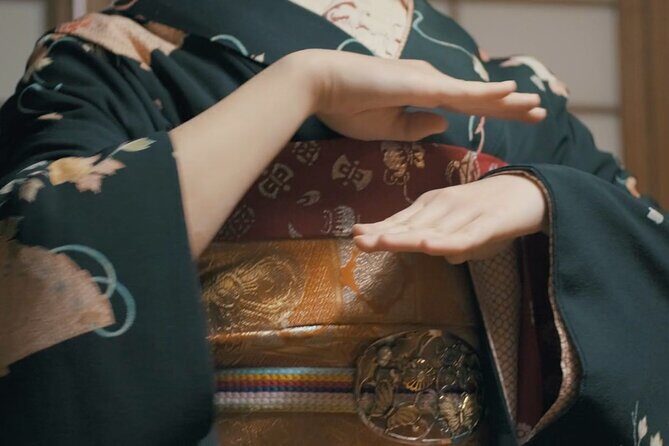
Kyoto already comes with a lot of awe. What this experience adds is an extra layer: you’re learning how geisha culture actually works, not just admiring the costumes from far away.
I like the structure because it’s practical. The first half is a walking lesson in place. You start at the Statue of Izumo-no-Okuni near Keihan Gion Shijo Station, then move through the Gion district with a live English guide. The second half shifts to a more focused setting for the dance program and your chance to talk with the apprentice Maiko.
If you’re worried it might feel like a tourist show, this is where the balance shows up. Guides (including Kenta-san and Akari-san, based on different group experiences) tend to stress respect—how to behave, what not to do, and how to understand the roles without turning people into props. That mindset changes the whole tone of the evening.
A few more Kyoto tours and experiences worth a look

Meeting point at the Izumo-no-Okuni statue: your first win
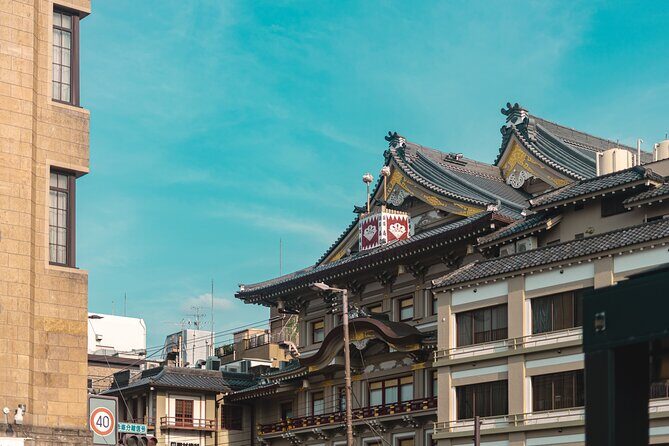
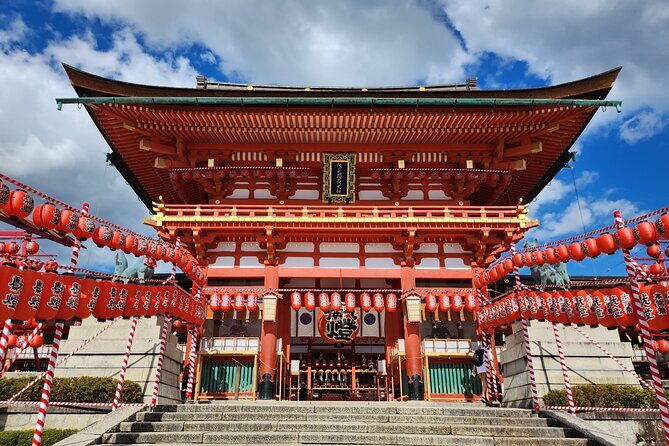
Your meeting spot is clear and central: the Statue of Izumo-no-Okuni, near exit 4 of Keihan Gion Shijo Station. I like that the start is recognizable, because Kyoto station-to-street navigation can get confusing fast.
From the first minutes, you’ll get context for what you’re seeing. Izumo-no-Okuni is tied to early performance history, so it helps frame the rest of the night. Instead of walking into Gion with zero orientation, you start with a reason.
Practical note: this is a walking experience. So arrive with shoes that can handle cobblestones and uneven spots without drama.
The 1.5-hour Gion cultural walk: what you’ll actually notice
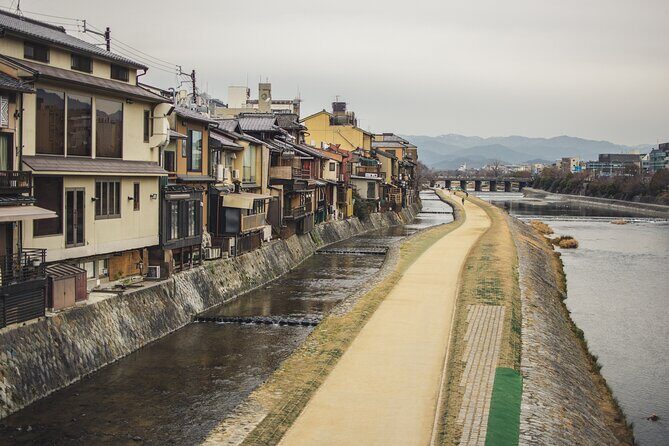
The walking portion is where you build the mental map. You don’t just pass by famous streets—you learn what the district represents and how the art form fits into daily life.
Here’s what this kind of guided route tends to cover, based on how guides explain things in practice:
- Where the geiko/maiko training culture takes place and why schools matter
- The role of ritual and etiquette in everyday behavior
- How people historically earned respect in a performance-based world
- How Gion’s layout influences privacy and interaction
A nice extra detail: some groups get pointed toward specific areas like Miyagawa-chō during the walk, which adds variety without turning the tour into a sprint across town. And because the group is kept small (limited to 8 participants), you can actually ask follow-up questions as you go. That helps you connect the stories to what you’re seeing in real time.
Miyagawasuji and the dance show: watching Maiko performance with context
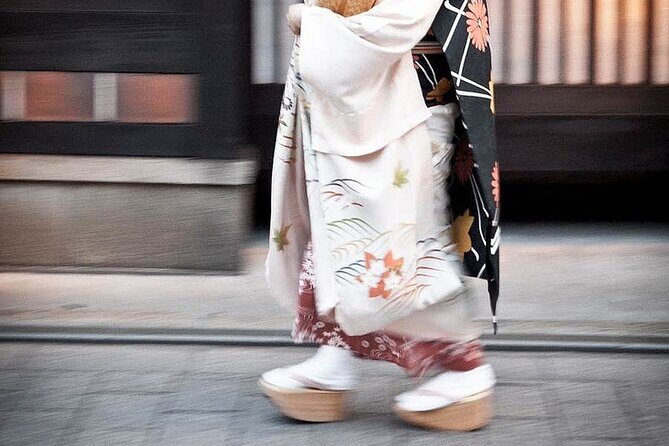
After the walk, you head to Miyagawasuji, Kyoto for the performance portion. This is the moment when the tour stops being “information” and becomes “experience.”
You’ll watch a dance program connected to the apprentice world, with Maiko performance time and musical segments. In the same block of time, you’ll also meet the Maiko for a Q&A session. The tour description notes that the geisha meeting runs about 50 minutes, including performance with one or two songs, plus questions.
What I like about this setup is that it avoids the big-tour problem of watching something and then immediately being sent away. Here, you stay close long enough to ask the questions that matter:
- What training is like
- How roles and responsibilities are understood
- How the culture maintains dignity in public
Also, some participants report being told photo etiquette during the experience. One person specifically mentioned a request not to share photos online, while still allowing a final photo. So don’t assume unlimited picture-taking. Just follow the guidance in the moment.
The Maiko Q&A over tea or meals: the part most people remember
This is the heart of the tour. A lot of “geisha tours” stop at a performance and call it a day. This one gives you real conversation time, which changes your understanding quickly.
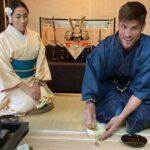
You get a chance to talk with the Maiko and ask questions during the tea/lunch/dinner portion, depending on your option. That means you’re not limited to what the guide wants to explain. You can ask what you’re curious about as a visitor.
From group experiences, the tone is often friendly and structured:
- You ask questions, she answers in a way that feels personal but respectful
- The guide helps keep the interaction smooth and appropriate
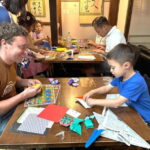
- The session includes small moments of fun (some groups mention a game)
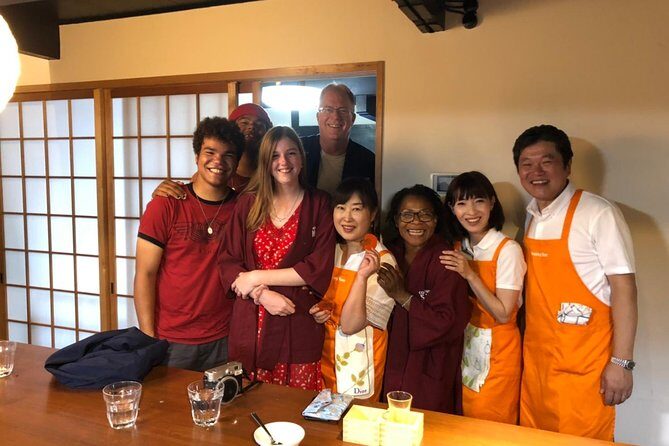
Names of apprentice performers vary by day. People have reported meeting Maiko Hisa-chan and Mio-san in different sessions. If you’re booking, just know the person you meet will be the one driving the emotional connection, not the script.
Other walking tours we've reviewed in Kyoto





Dining options: lunch plate, tea break, or an 8-food shared dinner
Food here isn’t just fuel. It’s part of how you slow down and participate in the setting.
Lunch with Geisha (10:30AM option)
You’ll get a Japanese lunch plate. The meal is presented as a formal, set-style experience rather than an all-you-can-eat situation. It’s typically enough to feel satisfied for the day, but it’s not designed to replace a full Kyoto restaurant crawl.
Tea break with Geisha (2:30PM option)
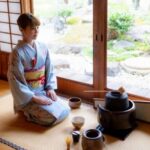
Instead of a meal, you’ll share a cup of tea. One group mentioned an especially enjoyable tea flavor (they called it orange tea). On hot days, another group reported the guide had iced drinks ready, which is exactly the kind of thoughtful detail that makes the break feel real.
Dinner with Geisha (6:30PM option)
Dinner is the most substantial option. You’ll have dinner-sharing plates of 8 different foods. In practice, some people describe it as kaiseki-style: small courses, presented thoughtfully, not a heavy, meat-and-potatoes banquet.
One word of caution: dinner is more of a cultural experience than a huge calorie hit. If you’re very hungry, consider eating earlier or bringing a small snack outside the scheduled meal.
Price and value: where the $108 goes
At $108 per person, you’re paying for three things that are hard to recreate on your own:
- A guided Gion walk that explains what you’re seeing (and helps you avoid accidental disrespect).
- A close meeting/Q&A with an apprentice performer, plus a dance program segment.
- Food included, either lunch, tea, or a multi-food dinner option.
If you were to book only a generic walking tour, you might learn street history. If you booked only a show, you might watch with no conversation. This format is the point: you get access plus explanation plus a sit-down moment.
The small-group cap (up to 8) matters for value. It’s not just comfort; it means your questions and the guide’s attention aren’t diluted.
And judging by the strong satisfaction scores from groups who mention how respectfully the tour is handled, you’re also paying for good judgment—something that matters a lot in places like Gion.
Who this tour suits best (and who should skip it)
This experience fits you if:
- You want more than photos. You want context and Q&A.
- You enjoy short, focused cultural lessons with real-world etiquette.
- You’re curious about how geisha/geiko/maiko roles work today, not just costumes.
You might skip it if:
- You need something mobility-friendly. The tour is not suitable for people with mobility impairments.
- You’re hoping to bring big bags or luggage. Large items aren’t allowed.
If you’re traveling with kids, some families say this was a highlight too—mainly because the Maiko meeting is interactive and the pace is structured. Still, you’ll want to be ready for a formal setting and follow the guidance from the hosts.
Timing and logistics: how to make 3 hours feel smooth
The duration is listed as 3 hours (210 minutes). In my mind, that’s the sweet spot for this kind of activity: long enough for a meaningful walk and a sit-down portion, short enough that you won’t feel dragged through town.
Here’s how the time tends to feel:
- 1.5 hours walking in Gion with your guide
- 1.5 hours at the performance/meeting portion, including the Q&A and show segments
- The meal option (lunch/tea/dinner) happens during the second half
A helpful detail: the walk is described as a moderate pace, and guides (like Kenta-san) are reported to be considerate about the group. That’s good news if you’re not training for a marathon.
What to do before you go: small preparation that pays off
I recommend three quick prep steps:
- Bring comfortable shoes and plan for short sightseeing stops on foot.
- Keep your expectations respectful and quiet. This isn’t a costume parade; it’s a cultural interaction.
- Prepare a couple of questions in advance. If you’re unsure what to ask, topics like training routines, etiquette, or the meaning behind performances usually land well.
Also, since you may be asked about photo sharing, decide now how you’ll handle photos: keep them for your own trip memories and follow any on-the-spot instructions.
Should you book Ken’s Tours Kyoto’s Gion Cultural Walk and Maiko Show?
Yes, if you want a Gion experience that’s more than surface sightseeing. This tour has a strong recipe: small group, a guided walk that explains the district, and a Maiko meeting where you can ask real questions. Add the included food option—lunch plate, tea break, or an 8-food shared dinner—and the value starts to make sense fast.
If your main goal is temples and shrines only, you might feel this is a detour. But if you’re curious about living traditions, and you want to understand how the geisha world works with dignity and history in mind, this is one of the best ways to do it without guessing.
If you’re picking a time, choose based on your energy: lunch for daytime focus, tea break for a lighter pace, and dinner if you want the full evening setting with the most substantial meal.