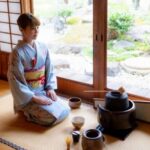
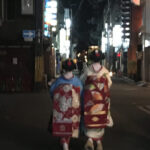
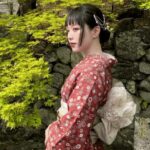
Geiko and maiko feel close at night. This night walk in Gion turns a famous district into something you actually understand, with a licensed English-speaking guide who explains who geiko and maiko are and how daily life works. I especially like how the walk focuses on real-world details, not costume-only facts, and I love that the timing lets you see Gion’s mood shift after dark.
What I also like is the practical way the guide teaches respectful behavior when you’re near geiko and maiko, so the experience stays dignified instead of awkward. The one drawback to plan around: geisha sightings are not guaranteed, and on a busy night the guide may keep you at a distance to protect privacy.
In This Review
- Key highlights worth planning for
- Why Gion at night changes how you see geisha culture
- Meeting point: Izutsu Yatsuhashi area and why it helps you get oriented
- The 100-minute walk: what the route feels like after dark
- What your guide teaches: kimono, hairstyles, rules, and daily life
- Geiko and maiko sightings: how to manage expectations (and behavior)
- Memoirs of a Geisha moments: why it’s more than movie scenery
- Price and value: $21 for 100 minutes in one of Kyoto’s most protected neighborhoods
- Who this tour suits best (and who should reconsider)
- Practical tips so you get the most from your night walk
- Should you book the night walk in Gion?
- FAQ
- Where does the tour meet?
- How long is the night walk?
- Is the tour guided in English?
- Is transportation or hotel pickup included?
- Can I record video during the tour?
- Is the tour suitable for people with mobility impairments?
- Are geiko and maiko sightings guaranteed?
- How do child discounts work?
Key highlights worth planning for
- 100 minutes of guided night walking through Gion’s classic lanes
- Licensed English-speaking guides such as Mia, Mie-san, Chaco, Mai, and Haruto, praised for clear explanations
- Hands-on etiquette tips for greeting, observing quietly, and not intruding
- Kimono, hairstyle, and role explanations that go beyond what you see in photos
- Memoirs of a Geisha scenes nearby, plus street views that feel cinematic after dark
Why Gion at night changes how you see geisha culture
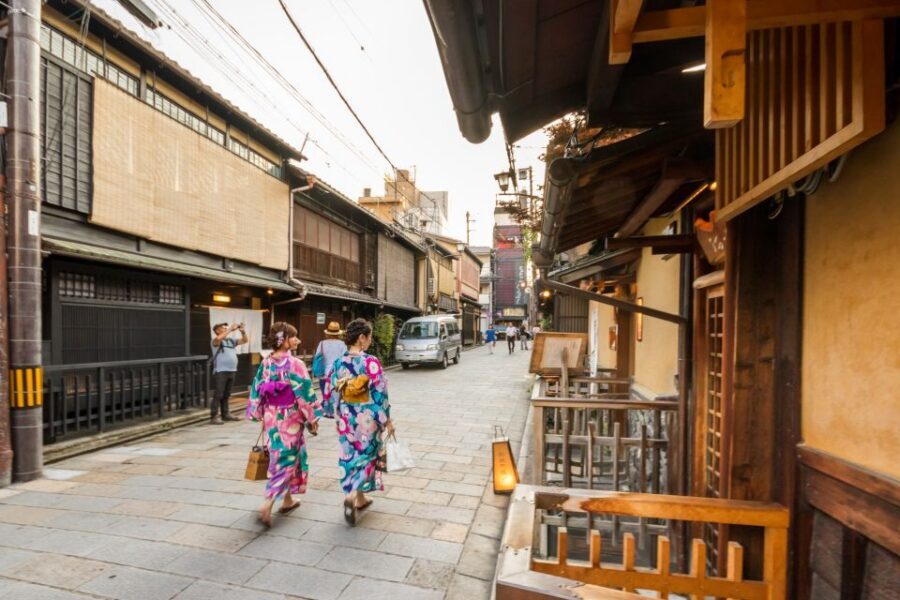
Daytime Gion can feel like a theme-park version of itself. At night, the streets slow down, lights soften, and the district starts to look like a place where people actually live and work. That shift matters because geiko and maiko culture isn’t just visual. It’s routine, rules, training, and a strong sense of privacy.
This is why I think this tour is a smart pick for first-timers. You get a guided path through the part of Kyoto people come to see, but you also get context for what you’re looking at—kimono details, hairstyle meaning, and the everyday structure behind the scenes. And when you do spot a geiko or maiko, you’re prepared to respond in a respectful way instead of freezing like it’s a movie set.
Also, the tour is timed for an evening stroll with enough time to walk and talk. At 100 minutes, you’re not stuck in a long grind, but you’re also not rushing through the story.
A few more Kyoto tours and experiences worth a look
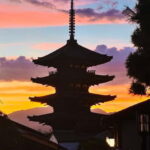

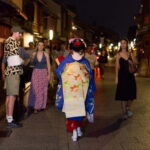
Meeting point: Izutsu Yatsuhashi area and why it helps you get oriented
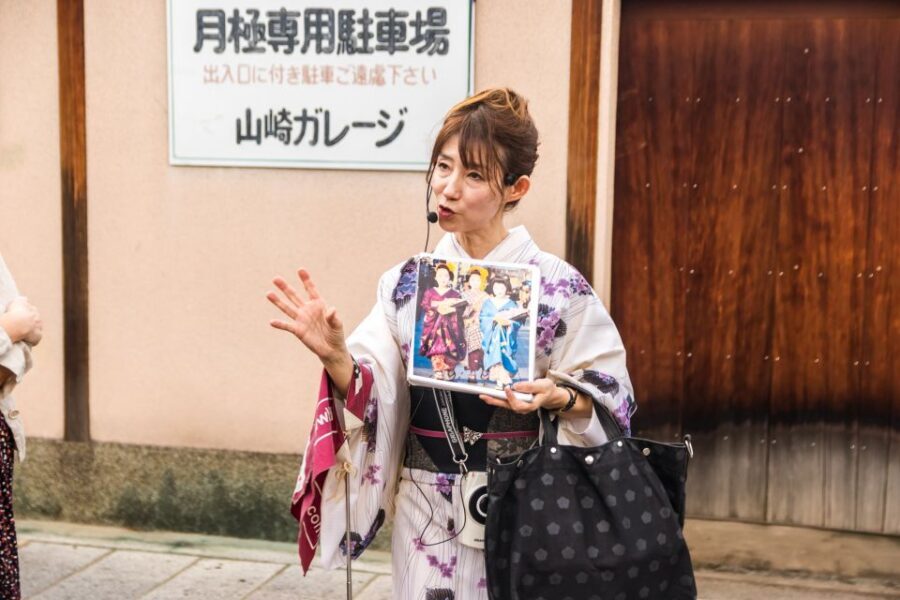
The tour meets in front of the Gion Omoide Museum, connected to the Izutsu Yatsuhashi pastry shop. If you like having a solid anchor, the coordinates are 35.0044519, 135.7723814. That matters in Gion, where it’s easy to wander in circles if you’re following your own instincts.
Being near a well-known local shop also helps you find the group quickly. And since the tour begins right there, you don’t lose early minutes sorting out where to start. From that point, you’ll move through the district on foot, following your guide’s route rather than trying to play map-master in the dark.
If you’re the kind of traveler who hates missing the start, this meeting spot is a relief. It’s recognizable, and it sets you up to focus on the walk instead of logistics.
The 100-minute walk: what the route feels like after dark
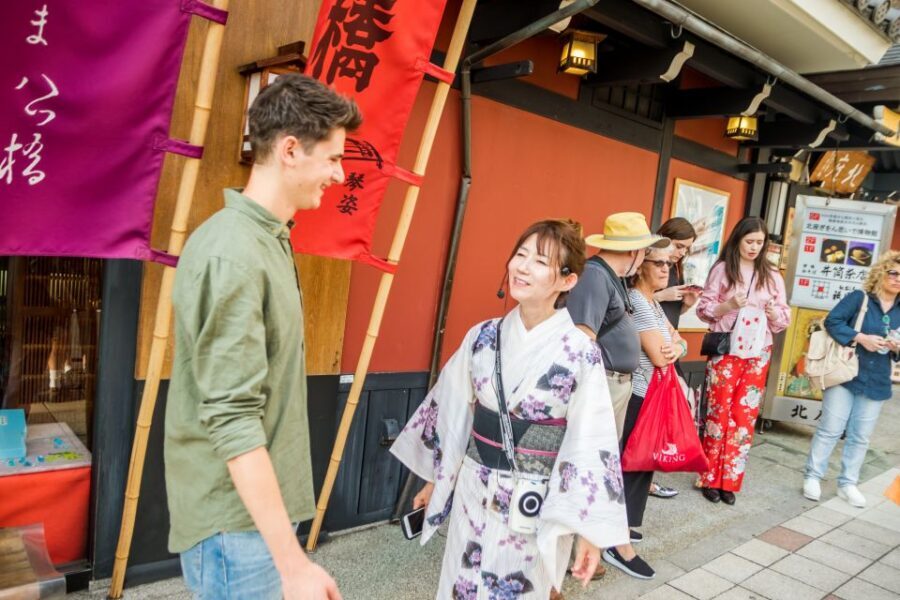
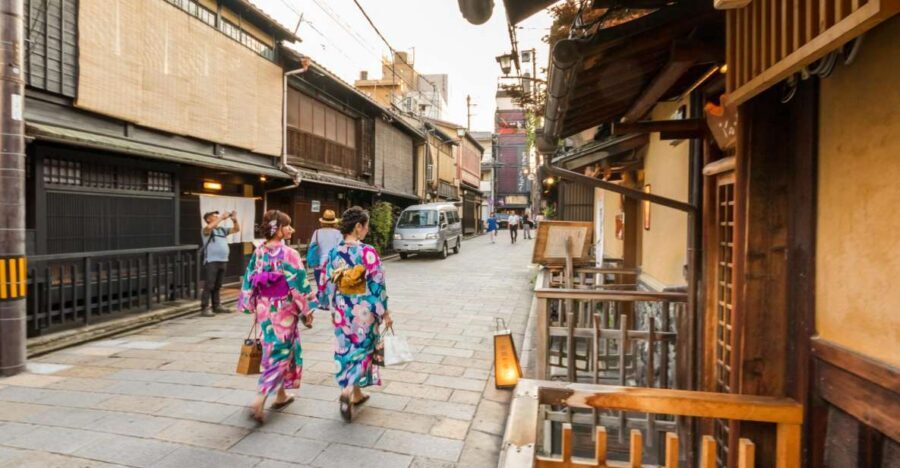
This tour is built as a nighttime walking experience through Gion’s geisha districts. Your guide leads you down the classic lanes where you’ll notice the architectural atmosphere that made the area famous in popular culture. The route even takes you past scenery that shows up in Memoirs of a Geisha, so the “I’ve seen this before” effect isn’t just your imagination.
One of the standout details is the chance to walk beside a stream during the tour. In Gion, water creates reflection and sound, and at night it changes the feeling of the street. Even if you’re not chasing photographs, it gives you a calmer sensory backdrop while your guide explains how geiko and maiko fit into the neighborhood.
You’ll also get a chance to see the district’s rhythm—quiet stretches, small turns, and the kind of street-level atmosphere where people move carefully. That rhythm is part of what makes the night walk different from a daytime sprint.
What your guide teaches: kimono, hairstyles, rules, and daily life
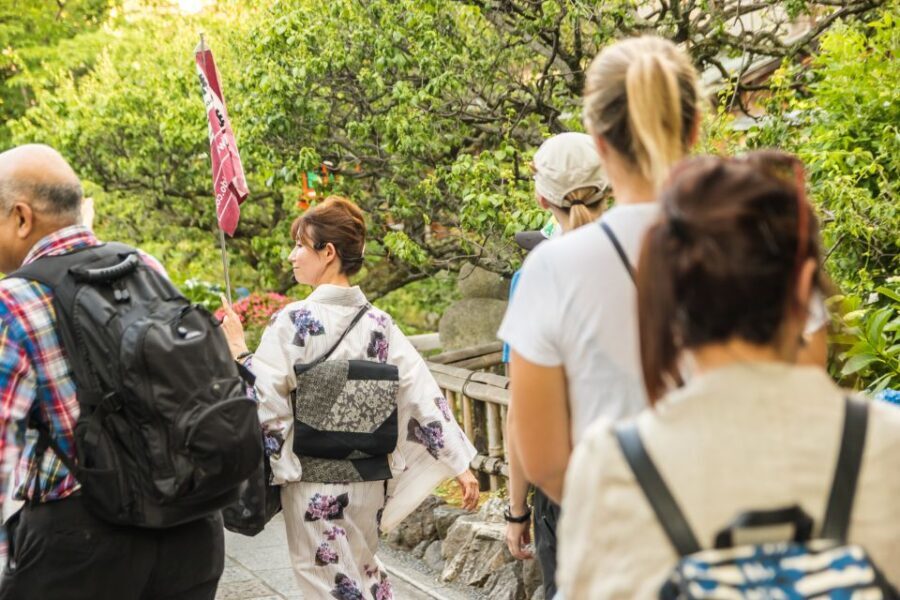
This tour is not just a sightseeing loop. It’s a culture lesson delivered while walking. Your guide explains the history of geisha culture and then zooms into the details people usually miss—especially how kimono and hairstyles relate to identity, training, and the roles of geiko versus maiko.
Here’s the practical value for you: when someone points at a kimono and says geisha, it’s easy to leave with surface-level impressions. With a guide, you start connecting what you see to what it means. The explanation typically covers traditional rules and day-to-day life, so the district doesn’t feel like a costume museum. It feels like a working world with boundaries.
The tone also tends to stay respectful. Multiple named guides in the same tour style—like Mia, Mie-san, Chaco, and Haruto—are praised for protecting privacy and focusing on etiquette, not sensationalism. That’s important because geiko and maiko culture has suffered from tourist harassment, and the “proper behavior” part of the tour is one of the reasons people leave feeling satisfied rather than frustrated.
And yes, you’ll likely hear stories that make Japanese culture click more broadly. One review even called out the guide sharing chart-style context and fun Japanese language tidbits that you’d never get from a quick guidebook skim.
Geiko and maiko sightings: how to manage expectations (and behavior)
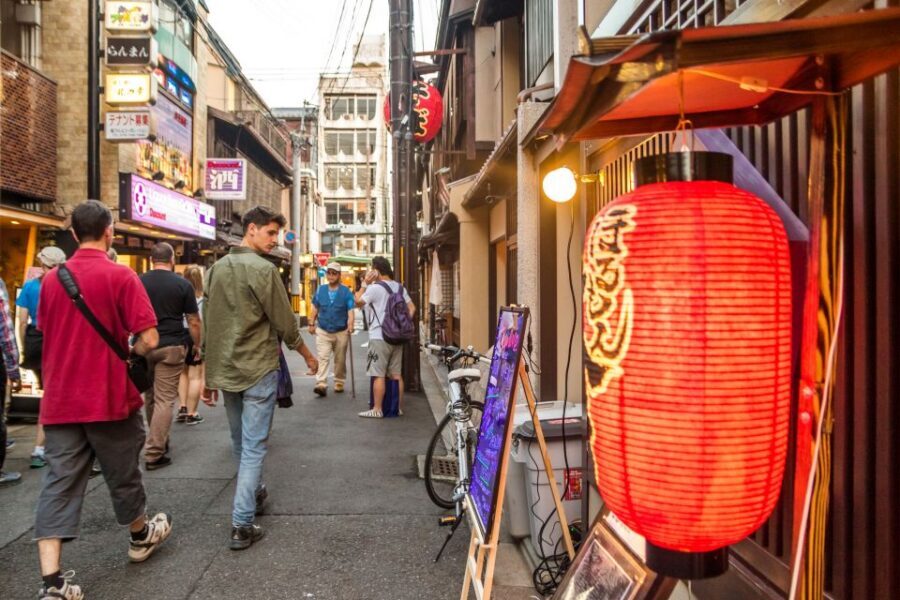
Let’s be honest: most people book this hoping to see geiko or maiko in the flesh. The good news is that encounters often happen. The tour itself says it’s not guaranteed, and that matches real life in Gion—some nights you get lucky, some nights you get explanations without a close encounter.
So here’s how to think about it. The tour’s real win isn’t just sighting count. It’s that your guide helps you interpret what you’re seeing and shows you how to behave if you spot someone. Several comments highlight how guides coached guests on quiet observation, proper greetings, and staying away from intrusive angles. That protects both you and them: you get a better experience, and you don’t turn someone’s work into your personal snapshot mission.
A couple of reviews mention seeing multiple maiko and geiko, sometimes up to around eight sightings in an evening. Others note how they were guided away from getting too close. That’s the trade-off: you may not get the closeness you see in photos online, but you’re likely to get a calmer, more respectful encounter that still feels special.
One more note: video recording is not allowed on this tour. Photos may be handled with additional etiquette requests from your guide, so follow their direction. If you come prepared to observe quietly, you’ll blend better and enjoy the moment more.
Other walking tours we've reviewed in Kyoto





Memoirs of a Geisha moments: why it’s more than movie scenery

You’ll hear the tour connect the streets to Memoirs of a Geisha. That can sound cheesy on paper, but in practice it works because the guide uses the recognizable scenery as a starting point, then steers you toward the real structure behind the images.
You start to notice how the environment supports tradition: the narrow lanes, the lighting, the pace of walking, and the way the neighborhood hides and reveals details instead of advertising everything at once. A stream-side view at night doesn’t just look pretty. It also signals why the district became iconic in storytelling—there’s a sense of transition between public street life and private appointment life.
And if you like details, guides on this tour often add local texture: how to tell tea house areas apart, how the district’s entertainment spaces connect to appointments, and what different venues mean in context. That kind of street-level education is what turns a famous location into a place you actually understand.
Price and value: $21 for 100 minutes in one of Kyoto’s most protected neighborhoods
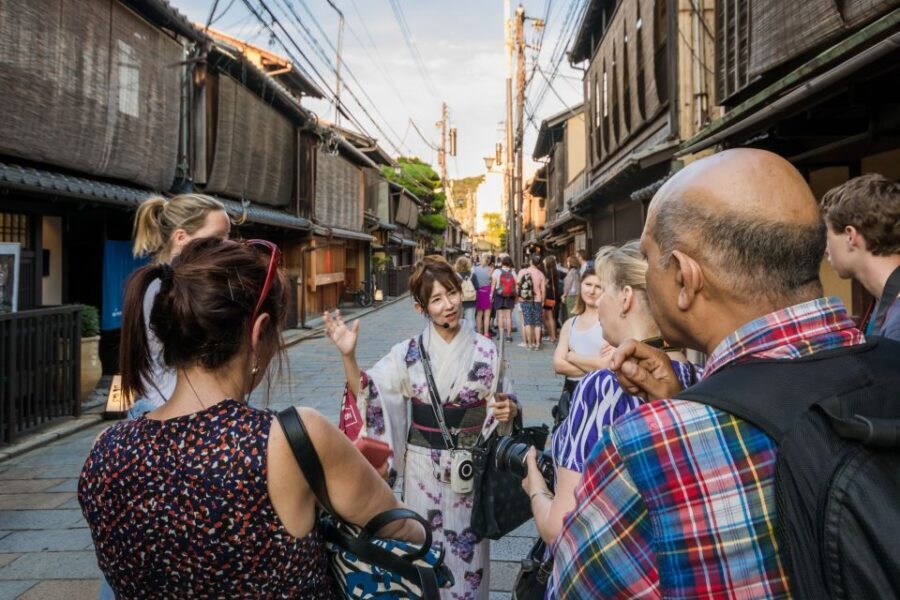
At $21 per person for about 100 minutes, this tour can be excellent value for people who want more than a self-guided stroll. You’re paying for two things that are hard to replicate on your own:
- A trained guide who knows what to point out and how to explain it.
- A respectful, structured route that helps you see without turning the night into a crowd-control problem.
Could you walk Gion at night on your own? Sure. But if you do, you’ll likely spend time wondering who’s who, what details mean, and how to behave if you see a geiko or maiko close by. This tour bundles answers while you’re already in the right place.
The other value piece is timing. Evening walking helps you avoid the midday heat and the crush of daytime foot traffic (even if you’ll still share the area with others). You get the district’s mood with guidance, which makes the walk feel purposeful rather than wandering.
One consideration: you’re not buying guaranteed star sightings. If your only goal is seeing as many geiko/maiko as possible, keep expectations flexible. The guide’s priority is respectful distance, and some nights will be quieter than others. But if you want a better understanding of the district and etiquette, the price-to-time ratio looks strong.
Who this tour suits best (and who should reconsider)
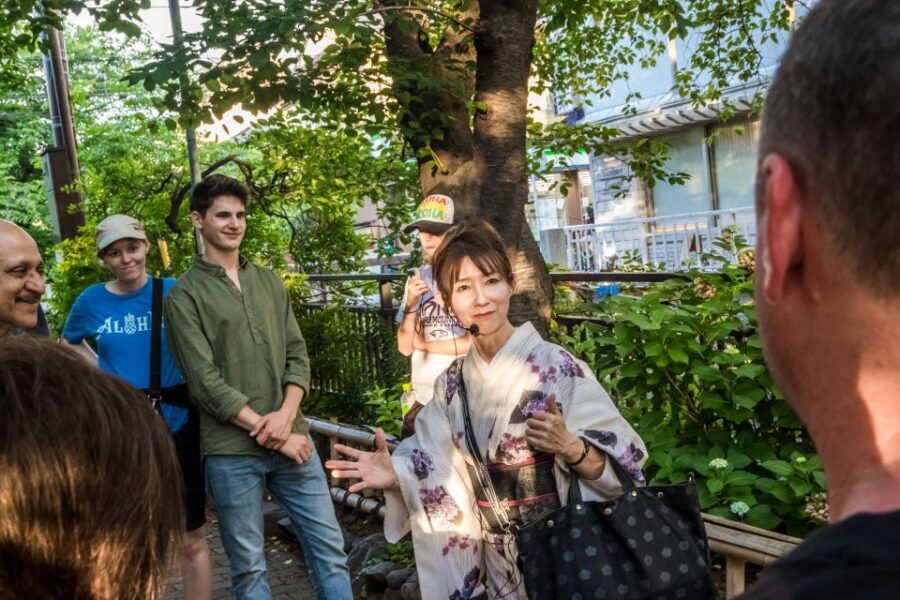
This tour fits best if you:
- want a guided night introduction to Gion without the confusion
- care about etiquette and context, not just photos
- like short, focused experiences (about 1 hour 40 minutes)
It may be less ideal if you:
- have mobility impairments, since it’s described as not suitable for mobility impairments
- need constant sitting or minimal walking
Also, because video recording is not allowed, it’s not a match for people planning to film handheld for long stretches.
Practical tips so you get the most from your night walk
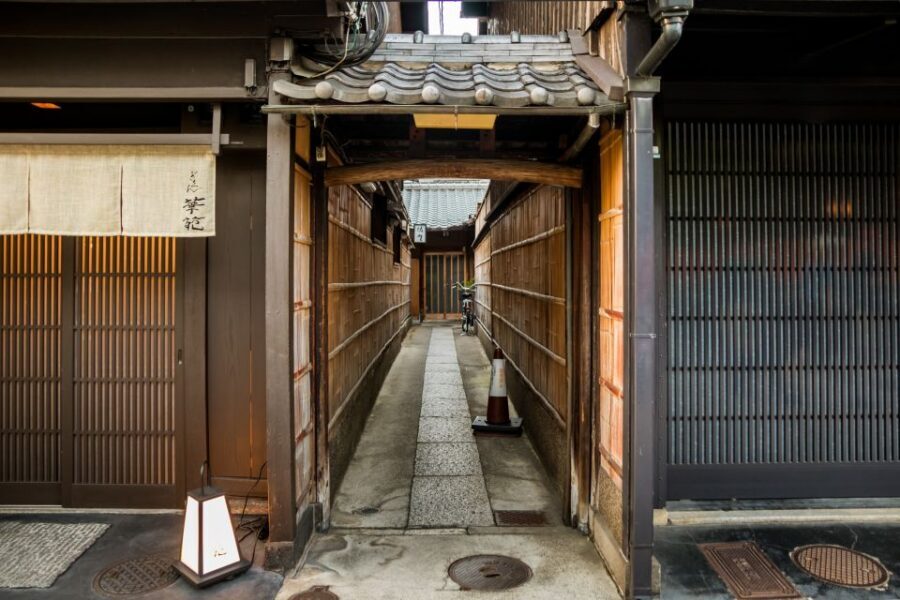
A few things will make your evening smoother:
- Dress for walking. It’s a 100-minute stroll, and Gion is hilly enough that comfortable shoes matter.
- Keep your phone low and your focus high. Since video recording is not allowed, plan to treat this as an observing experience, not a production.
- Listen for etiquette cues. Your guide will explain how to behave if you encounter geiko and maiko. Follow that, even if you feel tempted to step closer.
- Be ready for the “quiet luck” factor. Sometimes you’ll spot geiko or maiko, sometimes you won’t. Either way, the cultural explanations are the point.
- If you’re traveling with kids, this tour can still work. One review described children and even a stroller situation as manageable, and that suggests the pacing is at least mindful of mixed groups.
Should you book the night walk in Gion?
I’d book this tour if you want your first night in Kyoto to include more than sightseeing. The combination of a licensed English-speaking guide, a route through classic Gion streets, and explanations about kimono, hairstyles, rules, and daily life makes it a strong cultural experience for the time and price.
I’d hesitate only if you’re traveling mainly for guaranteed geisha sightings or if you’re uncomfortable with staying back and observing quietly when someone is working. Remember: the tour is designed to protect privacy, not to force close access.
If your goal is to understand Gion at night—and know what to do when you actually see geiko or maiko—this is one of the better ways to spend your evening.
FAQ
Where does the tour meet?
The meeting point is in front of the Gion Omoide Museum, which is connected to the Izutsu Yatsuhashi pastry shop. The listed coordinates are 35.0044519, 135.7723814.
How long is the night walk?
The tour lasts about 100 minutes.
Is the tour guided in English?
Yes. It includes a professional English-speaking guide, and the tour is described as live guided with English.
Is transportation or hotel pickup included?
No. The tour does not include transportation to or from attractions, and it does not include hotel pick-up/drop-off.
Can I record video during the tour?
No. Video recording is not allowed.
Is the tour suitable for people with mobility impairments?
No. It is described as not suitable for people with mobility impairments.
Are geiko and maiko sightings guaranteed?
No. Encounters may happen, but sightings are not guaranteed.
How do child discounts work?
To receive the child discount, you must present a valid ID.