Fushimi Inari at night is a whole mood. This Kyoto night walking tour takes you through the shrine after the rush, when the torii gates and lantern light make the place feel quieter and more human. I love the small-group size (max 12) and how the guides turn the signs, fox statues, and stair paths into something you actually understand, especially if you get a guide like Jem, Tammy, Caleb, or Hiro.
The one thing to think about is the walking: you’ll be on paths that get dark as the evening deepens, so plan for footwear and a bit of a hike up through the gates.
In This Review
- Quick hits before you go
- Why Fushimi Inari at night feels calmer than daytime
- Price and what you really pay for ($43.11)
- Meeting point at the fox statue: your “don’t-get-lost” anchor
- The core experience: walking through the torii gates up Mount Inari
- Starting at the spiritual heart, not the postcard edge
- Torii gates plus meaning: how the route gets explained
- Night lighting and the “still plenty of people” reality
- What makes the guide matter so much at Fushimi Inari
- Timing: dusk vs deeper night and why it affects your comfort
- What to wear and bring for a dark torii-gate hike
- How small-group pacing changes the whole vibe
- Who this tour is best for (and who should skip it)
- Should you book this Fushimi-Inari night tour?
- FAQ
- How long is the Kyoto Fushimi-Inari night walking tour?
- Is the tour entrance fee to Fushimi Inari included?
- Where do I meet for the tour?
- What’s the group size for this tour?
- Do I get a mobile ticket?
- Can I cancel for free, and how late?
Quick hits before you go
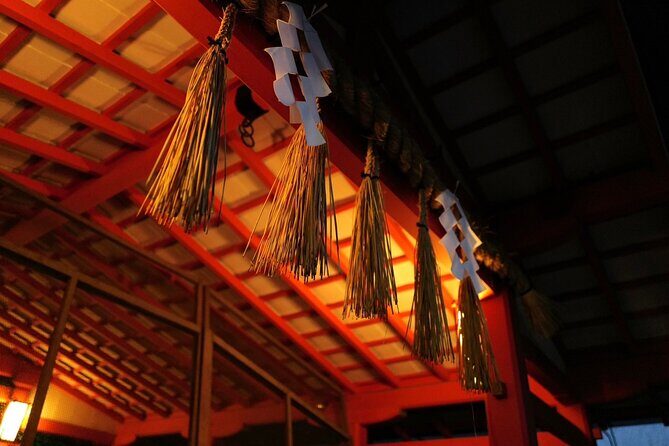
- After-dark atmosphere: fewer people, softer lighting, and more time to actually look
- Max 12 group: a more relaxed pace than the daytime crush
- Free shrine admission: the ticket is mainly for the guided experience
- Guide-led context: you’ll learn why things are there, from Inari to prayer spots
- Photo-friendly moments: guides keep things moving but also make space for pics
- Starts at a clear landmark: meet at the fox statue at the shrine entrance
Why Fushimi Inari at night feels calmer than daytime
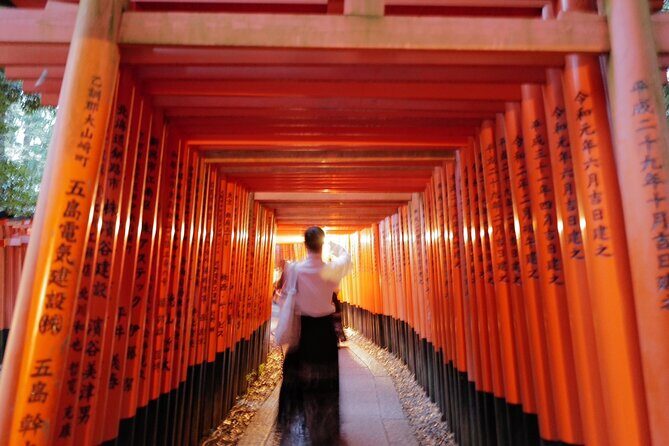
Fushimi Inari Taisha is the kind of place where your brain goes into overload mode during the day. You see the famous red torii gates, sure, but you also get the lineups, the bottlenecks, and the feeling that you’re being carried along.
At night, it changes. The gates look almost architectural, and the light makes the stair-and-gate rhythm easier to follow. One of the best parts is that the crowds thin as the evening goes on, so you can stop without feeling like you’re blocking a parade.
Other walking tours we've reviewed in Kyoto



Price and what you really pay for ($43.11)
For $43.11, you’re not paying for a paid attraction. You’re paying for a guide, a planned route, and a timed slot when the shrine is less crowded.
The tour also includes free shrine entry (the admission is free), which is nice because you don’t end up stuck doing math in your head at the gate. And because you get a mobile ticket, it’s meant to be friction-free once you’re standing there with your group.
To me, the value is simple: Fushimi Inari is easy to get lost in, and it’s not obvious what to notice without help. A good guide gives you context fast, so you’re not just walking red gates and reading a few signs.
Meeting point at the fox statue: your “don’t-get-lost” anchor
You meet at the fox statue at the entrance to Fushimi Inari Taisha Shrine. The address listed is in Fushimi Ward near Fukakusa Inarionmaechō, and the tour is near public transportation (稲荷駅 is referenced in the meeting details).
This matters more than it sounds. At Fushimi Inari, the paths branch and the gates keep coming, which can turn a simple walk into a long loop—especially after dark. Starting at a clear landmark helps you get oriented right away, and then your guide does the heavy lifting.
The tour ends back at the meeting point, which keeps the logistics clean. You’re not trying to figure out how to backtrack alone while it’s dark and you’re tired.
The core experience: walking through the torii gates up Mount Inari
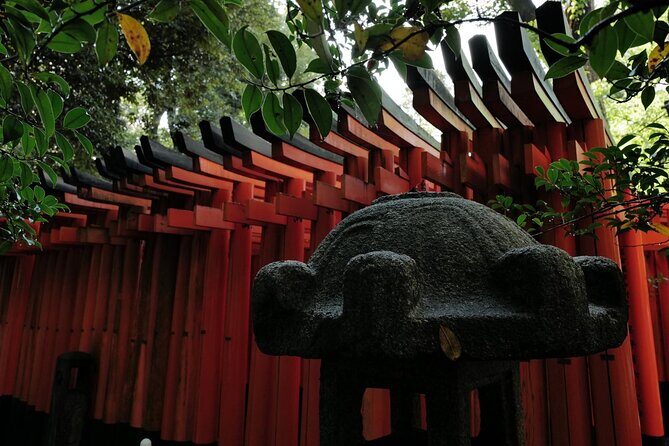
This tour’s main stop is Fushimi Inari Taisha Shrine, and it focuses on how the shrine works when the day crowds disappear. You’ll walk through the paths that lead up Mount Inari, passing thousands of red torii gates and the objects that give the shrine its identity.
Here’s what to expect as you go:
Starting at the spiritual heart, not the postcard edge
Early on, you’re set up to understand what you’re looking at: Fushimi Inari is dedicated to Inari, the god of rice, agriculture, and business. People come with prayers tied to success, health, and happiness.
A guide helps you notice the smaller details that make the shrine feel alive—things like stone fox statues, smaller shrines along the way, and the viewpoints you only catch when you slow down for a minute.
Other evening experiences in Kyoto





Torii gates plus meaning: how the route gets explained
The torii gates aren’t just decoration. As you walk, your guide explains how the shrine’s layout connects to the worship practices there, including where people pray and why certain spots feel different.
In particular, one of the most useful takeaways is learning that prayer can look different depending on where you are. For example, you might be shown how people pray at different sites along the shrine path, and why those rituals vary.
Night lighting and the “still plenty of people” reality
Even at night, you’re not entering an empty world. Some evenings start with a noticeable crowd, and then the numbers thin through the evening.
That’s actually a good sign. It means you’ll have a few moments with others around, then more quiet time as you go deeper or as the evening progresses. One guide-led note from actual experiences: some parts of the walk may feel more like proper night than just dusk, so plan for darkness on the paths.
What makes the guide matter so much at Fushimi Inari
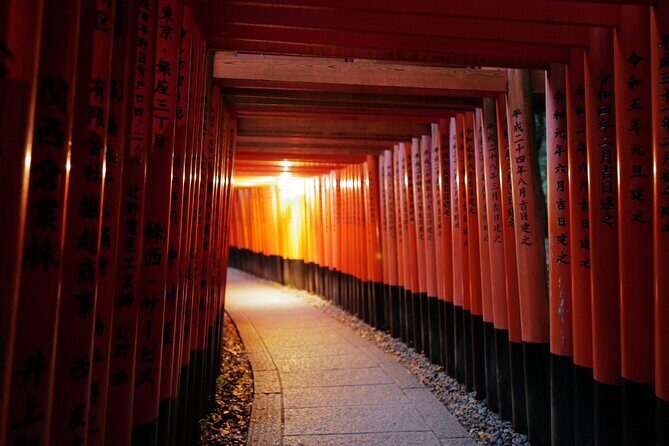
Fushimi Inari is famous, but it can feel confusing if you’re flying solo. There are lots of gates, side paths, and moments where you wonder why a place is here.
This is where the tour wins. The guides are consistently described as friendly, fun, and organized, and they keep the group together so nobody gets left behind. You’ll also get stories and explanations that help you connect the shrine to wider Kyoto culture and Shinto ideas.
And yes, you may get a guide with a style that matches you:
- If you’re lucky enough to have Jem or Tammy, you’ll likely get lots of clear historical context and an upbeat, patient teaching vibe.
- With Caleb, the pace tends to feel energetic and story-based, with explanations that stay interesting without turning into an info dump.
- Hiro and Masaki are described as excellent at explaining tradition and cultural meaning while keeping things welcoming.
- Yessi is noted for pointing out details people might walk past and for showing prayer differences at different sites.
- Vincent gets called out for patience during photo stops, which is a real-world skill at a place like this.
That guide variation is exactly why the small group size matters. With a maximum of 12, questions don’t get swallowed by the crowd.
Timing: dusk vs deeper night and why it affects your comfort
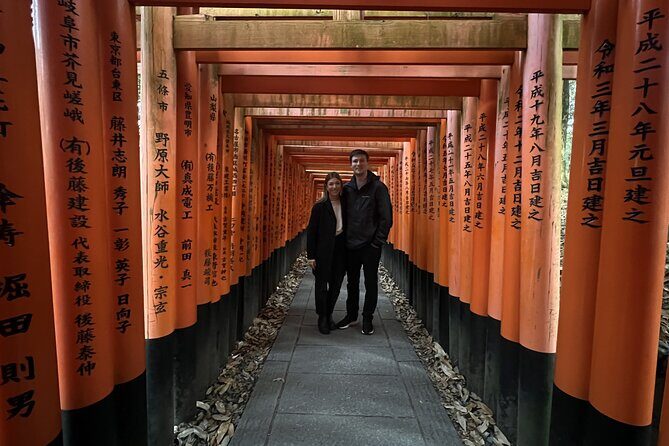
The tour is about 1 hour 30 minutes to 2 hours. That’s long enough to feel like you did something meaningful, but not so long that you’ll be miserable if you’re slower on stairs.
Timing is the tricky part. Depending on the departure time, some of the walking will happen at dusk, and some will happen in full night conditions. In December, for instance, people recommend layers because the light fades and you’re moving on and off shaded paths.
In August or humid months, night tours can be a lifesaver. One experience noted that it was a cool escape from heat, while still keeping the atmosphere special.
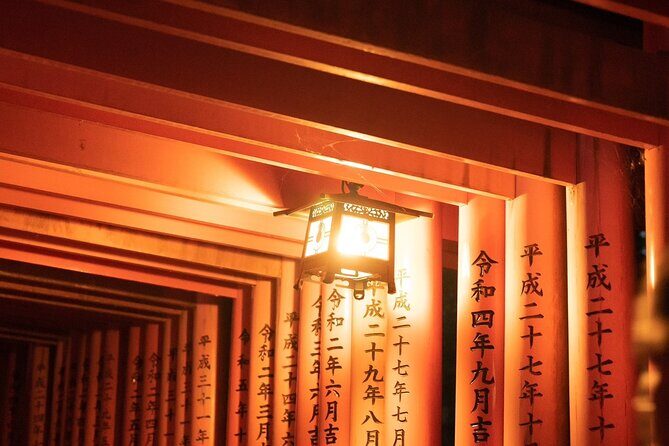
Also, the paths have lights, so you’re not walking into total darkness. Still, you’re not in a flat city sidewalk, and you’ll want to be comfortable moving step by step.
What to wear and bring for a dark torii-gate hike
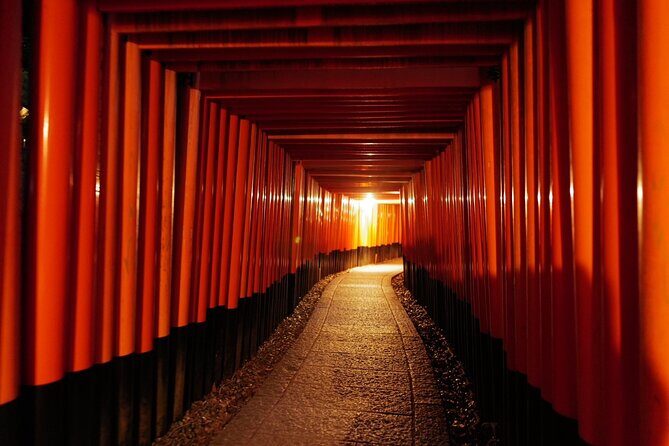
The tour involves walking on shrine paths that can include uphill sections, and at night those sections feel more challenging. Based on guide-led experiences, these are the practical items that make the difference:
- Walking shoes (you’ll be on paths and stairs)
- Layers for cooler evenings (especially in winter)
- A light rain plan if weather turns—one guide experience notes patience even when it’s raining
If you’re a photo person, you’ll want to go into this with realistic expectations. You’ll likely pause more than once, and your guide may help you take photos without breaking the group. Just understand that the route is active, so you’ll still be moving and sharing space.
How small-group pacing changes the whole vibe
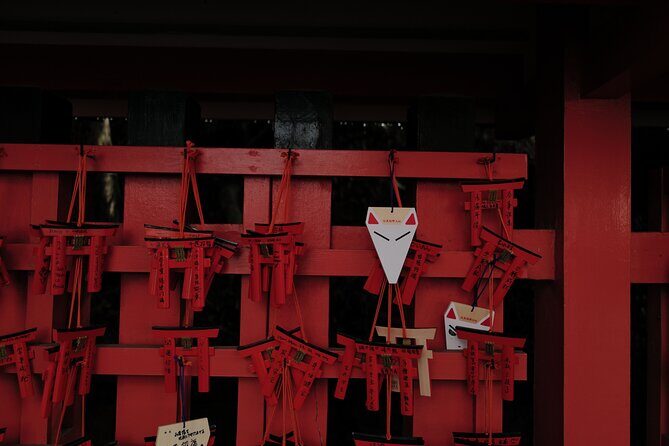
Max 12 travelers changes how it feels inside the shrine area. With a smaller group, you get a slower flow and more room to ask questions. It also makes it easier for your guide to keep track of where everyone is, especially when paths branch or when visibility drops.
A tight group also makes the experience feel less like a production. Even when crowds exist, the tour’s pace tends to create gaps—moments where you can look longer at a torii tunnel, listen, and watch what people do.
And because the guide is leading, you’re less likely to wander off into the wrong side route. That’s big value at Fushimi Inari, where the gates can make you feel like you’re always one turn away from the “real” part.
Who this tour is best for (and who should skip it)
This is a smart fit if you want:
- A more peaceful way to see the famous torii gates
- Context about Inari, the shrine’s meaning, and prayer practice
- A manageable walking time without going full day-trip mode
- Better navigation than you’d get alone at night
It’s also great for families, as long as everyone can handle stairs and a night walk. One experience mentions the tour working well even with kids, with explanations kept understandable.
You might skip this tour if you:
- Want zero structure and prefer wandering freely the whole time
- Don’t like walking on darker, uphill paths
- Are hoping for a completely empty shrine (even at night, it’s not fully deserted)
Should you book this Fushimi-Inari night tour?
I’d book it if your priority is understanding and atmosphere at the same time. The shrine is one of those places where a guide can turn “I saw torii gates” into “I get why this place matters,” and the timing helps you avoid the worst daytime crowd pressure.
Also, the combination is hard to beat: small group (max 12), free shrine admission, mobile ticket, and a route that focuses on the experience after dark. If you can handle a dark, stepped walk, you’ll likely feel like you got more out of your time than you would have alone.
If you’re purely price-driven and you’re comfortable navigating on your own, you could go without a tour. But if you want the shrine to make sense fast, this is one of the better ways to do it.
FAQ
How long is the Kyoto Fushimi-Inari night walking tour?
It runs about 1 hour 30 minutes to 2 hours.
Is the tour entrance fee to Fushimi Inari included?
The admission ticket is listed as free, and the tour focuses on the guided experience.
Where do I meet for the tour?
You meet at the fox statue at the entrance to Fushimi Inari Taisha Shrine in Kyoto.
What’s the group size for this tour?
The tour has a maximum group size of 12 people.
Do I get a mobile ticket?
Yes, the tour uses a mobile ticket.
Can I cancel for free, and how late?
Free cancellation is available up to 24 hours before the experience starts for a full refund.