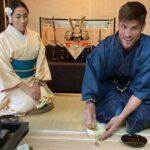
Ink turns into a souvenir fast. This one-hour Kyoto Japanese calligraphy class is a practical way to learn how brush strokes become readable meaning in real life. You’re learning right by Kyoto Station, with English instruction, and you leave with personalized pieces you can actually use at home.
I love the hands-on teaching and patient guidance from instructors such as Rena, Lana, and Waka. I also love that you make more than one keepsake, including a scroll of basic Kanji characters and a version of your name and a favorite word in Kanji (with help choosing characters) plus extra take-home items like a fan, postcard, or stationary.
One consideration: this is an about-1-hour class, so it’s designed to get you started and produce solid results—not to turn you into a calligraphy master in one sitting.
In This Review
- Key highlights to know before you go
- Kyoto Calligraphy, One Hour from Kyoto Station
- Your First Strokes: Brush, Ink, and Fast Feedback
- Writing Basic Kanji Characters and Keeping a Scroll
- Your Name and Favorite Word in Kanji (Plus English Letters)
- Souvenirs You Make: Fan, Postcard, Stationary, and More
- English-Friendly Teaching That Keeps Up with Questions
- Price and Value: Is $51 Worth It?
- When to Fit This Workshop into Your Kyoto Day
- Who Should Book This Calligraphy Class
- Possible Downsides to Keep Expectations Real
- Should You Book the Kyoto Japanese Calligraphy Class?
- FAQ
- Where is the calligraphy class located?
- How long is the Japanese calligraphy class?
- Is instruction available in English?
- Do I get to take my calligraphy work home?
- What materials are included?
- What souvenirs will I make or receive?
- Do I need prior experience with Japanese calligraphy?
- Is the class private or small group?
- Is it suitable for young children?
- Is free cancellation available, and can I pay later?
Key highlights to know before you go
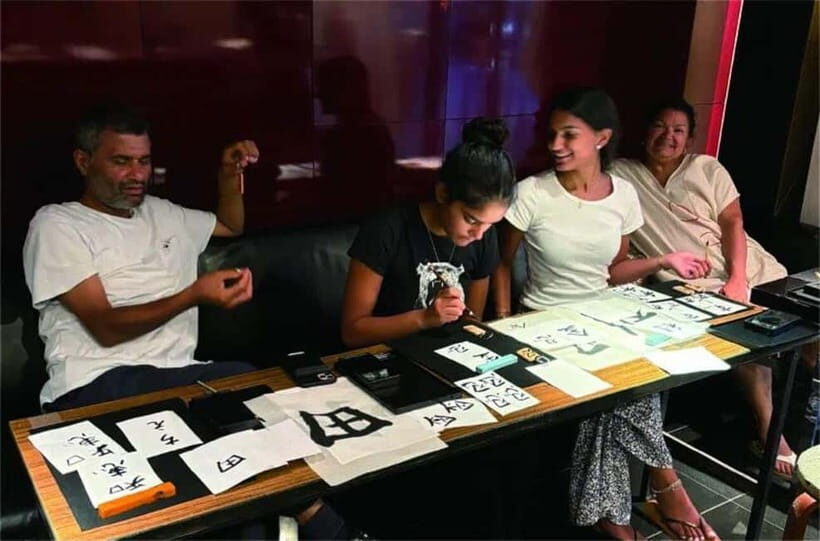
- Kyoto Station area meeting point: You start in the city’s easy-to-reach hub, not across town.
- English instruction included: You won’t be left guessing as you learn brush and ink basics.
- You make a home scroll: Write basic Kanji and keep the work as a souvenir.
- Name + favorite word in Kanji: Staff can help you choose characters and explain meanings.
- Multiple take-home items: Expect pieces like a fan, postcard, stationary, or card options.
- Small groups or private options: More attention if you’re booking for just your group.
Kyoto Calligraphy, One Hour from Kyoto Station
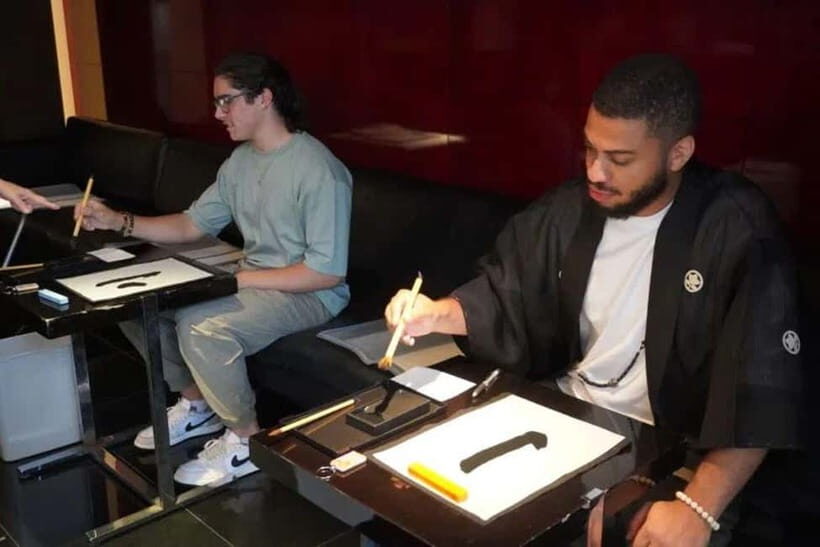
Kyoto has a way of making you slow down, even when your schedule doesn’t. This class takes that idea seriously: it’s a focused one-hour workshop in the Kyoto Station area, so you can fit it between temples without wasting time in transit.
The meeting point is listed as being in front of Kyoto Station, though the exact spot can vary by the option you book. Either way, you’re close to one of Japan’s most convenient transit anchors, which matters if you’re planning a packed day.
You’ll be using traditional tools for the activity, including brushes, ink, and washi-paper. That’s the big difference between watching calligraphy and doing it yourself.
A few more Kyoto tours and experiences worth a look



Your First Strokes: Brush, Ink, and Fast Feedback
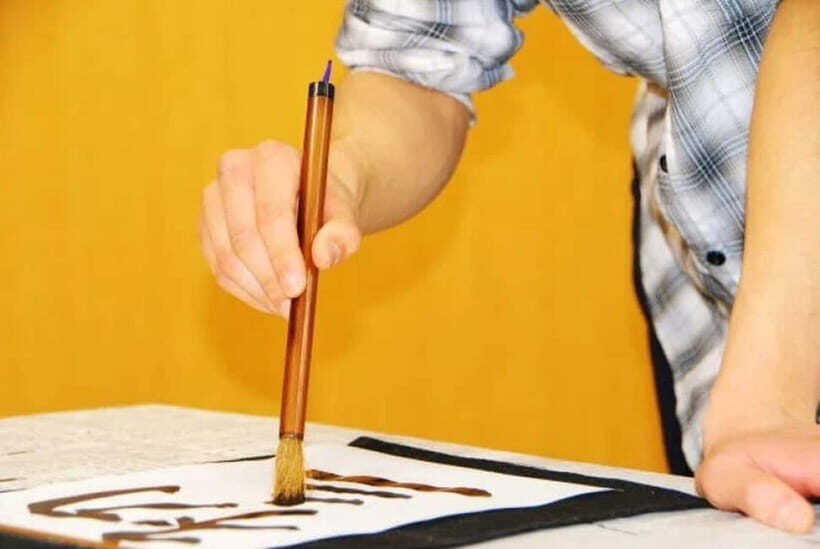
The class follows a simple flow, built for first-timers. First, the instructor gives you a short lecture on how to use a brush and how to work with ink so you get consistent marks.
Then you start writing basic characters before you move into personal writing. This is smart, because it gives your hand a warm-up and helps you understand stroke direction and pressure without turning the session into a stressful test.
A calm rhythm shows up here. Several people highlight that the teaching style is patient, encouraging, and supportive, with instructors like Rena, Lana, Waka, Yoshia Kobayashi, and Kou offering clear explanations and answering questions as they come up.
Writing Basic Kanji Characters and Keeping a Scroll
Once you’ve learned the basics, you write basic Kanji characters. The goal isn’t to memorize a huge list; it’s to produce clean, readable strokes that show you the method.
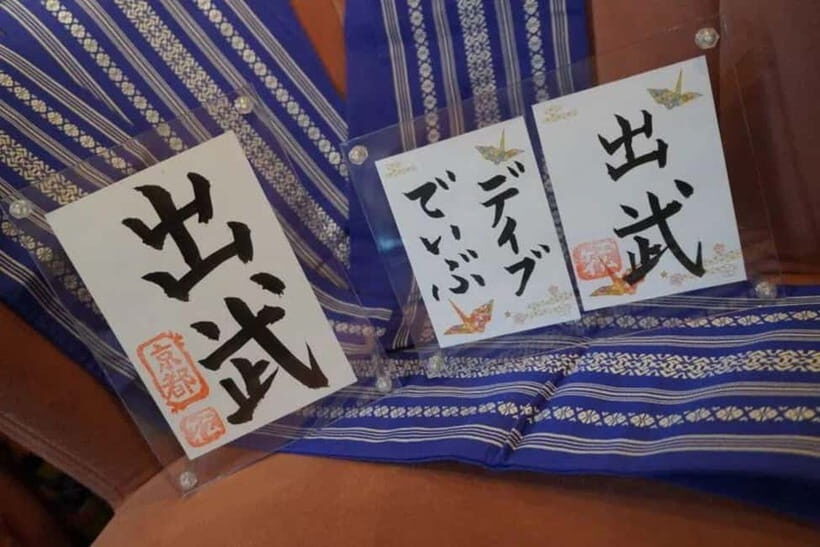
Your work becomes a scroll of the Kanji characters you write, and you take it home. That makes the class feel more like a craft session than a photo stop. You leave with something you made, not just something you watched.
This is also where you start to connect the physical action to meaning. Even if you don’t read Kanji fluently, seeing characters come together in your own handwriting makes the symbols feel less like random shapes.
Your Name and Favorite Word in Kanji (Plus English Letters)
Now comes the part most people care about: personal writing. You’ll write your own name and a favorite word, using Kanji characters and alphabets as needed.
What makes this genuinely useful is the help with character selection. The staff can assist with possible Kanji options and explain meanings, instead of just assigning you a random set of characters.
You can see how this works from the examples given:
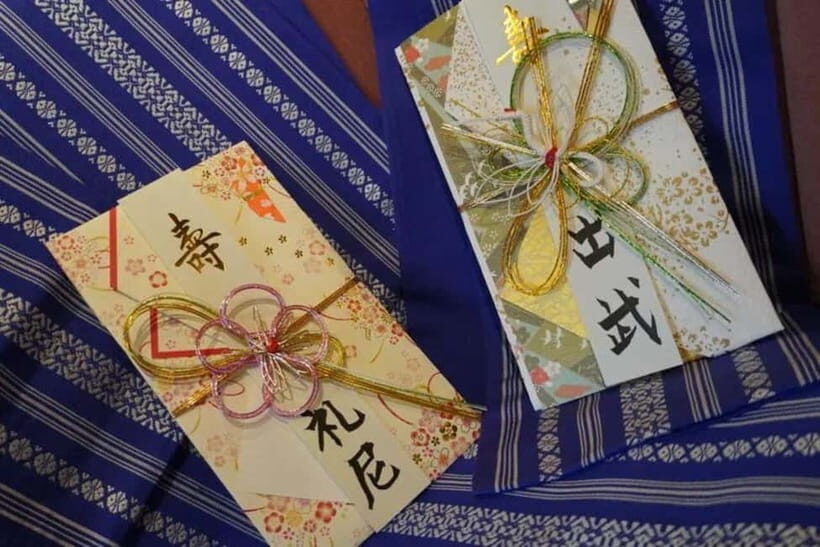
- Brian → 武礼安
武 means martial, tied to military commander and bravery; 礼 connects to politeness and gratitude; 安 is peace.
- Liz → 梨図
梨 means pear; 図 relates to painting.
That meaning part matters. When you understand that each Kanji carries a concept, your finished piece feels intentional. It also helps you ask better questions, because you’re not only learning how to write—you’re learning why those strokes represent something.
You’ll also get coaching while you write, with instructors offering support to get the strokes right. That hands-on correction is what turns effort into results, especially when you’re starting from zero.
Souvenirs You Make: Fan, Postcard, Stationary, and More
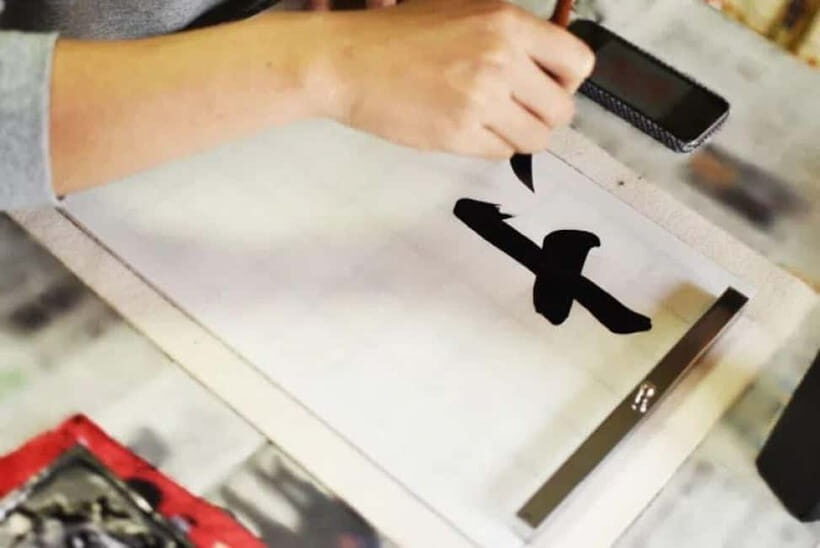
The class is built around take-home results. Beyond the scroll, you’ll make additional souvenirs and card-style keepsakes that you can bring home.
The exact set of items can vary, but the information you’re given includes options such as a Japanese fan and a picture frame, and other examples show up like:
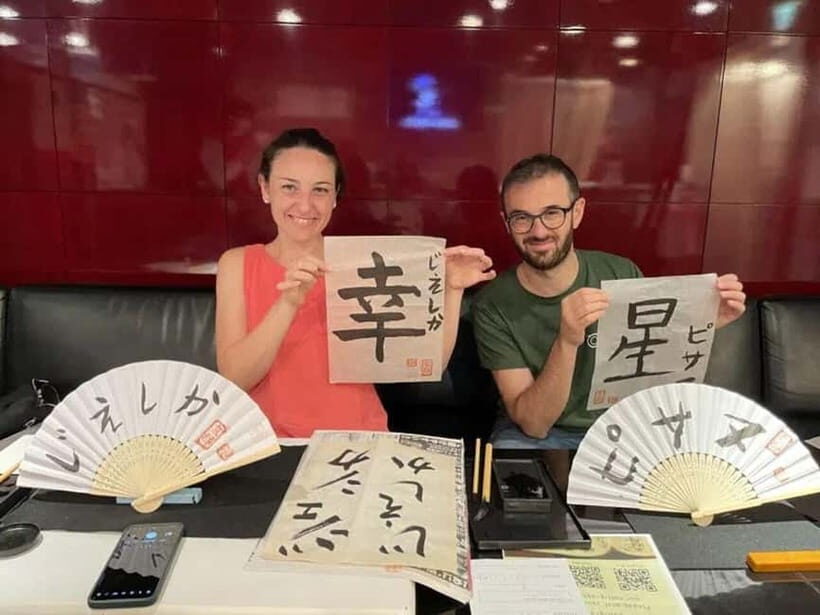
- a fan
- postcard or stationary
- a special card option
One reason this is good value is simple: it turns your one hour into a small kit of memories. You’re not relying on a single finished page. You’ll have multiple items you can frame, gift, or keep as reminders of the day you slowed down.
Also, you’re doing the making, so the souvenirs feel personal. A fan with your brush strokes is more satisfying than a store-bought one because it carries your effort.





English-Friendly Teaching That Keeps Up with Questions
If you’re worried about language barriers, this workshop is designed for English-speaking instruction. The class isn’t just translated; the teaching approach is meant to keep you moving, even if your Japanese calligraphy knowledge is basically zero.
People also point out a strong teaching tone: patient, encouraging, and very supportive. That shows up in the way instructors help you with stroke direction and answer questions with clarity.
Small groups and private options are available, and that can change the vibe from seatwork to guided craft. When you have more attention, you can spend less time staring at your own mistakes and more time correcting them while the instructor is still right there.
In practical terms, English instruction means you can focus on the brushwork without trying to decode what someone says after every stroke.
Price and Value: Is $51 Worth It?
At $51 per person for about one hour, you’re paying for three things at once:
1) instruction,
2) the materials (brush, ink, washi-paper),
3) take-home outputs (your scroll plus additional souvenir items).
That matters because calligraphy classes often fall into two camps: “watch and take pictures” or “buy a finished item.” This class sits in the middle and lets you leave with something tangible you created.
The rating of 4.8 also hints at consistency: people tend to value clear instruction and the ability to take home work that looks good even after a first attempt. The most praised element is repeatable for you too: guidance that makes the steps feel accessible.
If you’re the type who likes creating small arts-and-crafts souvenirs instead of collecting magnets, the value is strong. If you’re only interested in calligraphy history lectures, you might find this format too hands-on and fast.
When to Fit This Workshop into Your Kyoto Day
Location helps here. Because it’s based near Kyoto Station, you can slot it in before or after a train hop or a temple circuit.
Think about timing in a practical way. If you have an afternoon when you’re mentally tired, this class can be a reset because it asks for calm focus. People describe it as a nice contrast to the rest of Kyoto’s travel momentum.
It also helps that the activity is short. Even if your day runs long, the session length is fixed enough that you can plan around it without losing half your itinerary.
Who Should Book This Calligraphy Class
This is a great fit if you want:
- a first-time-friendly activity with structured steps
- a personal souvenir you can take home and use
- English help while writing Kanji and alphabets
- a calm, skill-focused break from walking all day
It can also work well for families, with one big limitation: it’s not suitable for children under 5. For kids older than that, it’s an activity where everyone can contribute their own handwriting result.
If you’re traveling solo, it can feel relaxing because you’re not forced into a performance. If you’re traveling with friends or family, private or small-group options can make the coaching more effective.
Possible Downsides to Keep Expectations Real
This workshop is designed for progress, not perfection. Because it’s about one hour, you’ll likely end with a few key pieces rather than a long series of practice sheets.
Also, Kanji choices are part of the experience. Staff help with possible Kanji characters and meanings, but that means your final result depends on what characters can be offered and matched to your name or word request.
If you’re the type who wants to learn deep theory about calligraphy across centuries, this session may feel a bit too short. Think of it as a first doorway: brush technique, stroke structure, and a finished souvenir package.
Should You Book the Kyoto Japanese Calligraphy Class?
I’d book it if you want a high-satisfaction Kyoto experience that doesn’t require prior skills. The combination of English instruction, supportive teaching, and take-home results makes it a strong “do something” stop rather than a passive activity.
Book it especially if you:
- want a souvenir that’s truly yours (name and a chosen word)
- like craft sessions with clear guidance
- value easy access near Kyoto Station
- want something calmer in the middle of busy sightseeing
Skip it only if you’re looking for a long, deep lecture or you dislike hands-on activities. Otherwise, this is one of those practical Kyoto experiences where your effort turns into something you can hold in your hands.
FAQ
Where is the calligraphy class located?
The location is in front of Kyoto Station. The exact meeting point may vary depending on the option you book.
How long is the Japanese calligraphy class?
The class takes about 1 hour, though it may vary slightly depending on how the activities finish.
Is instruction available in English?
Yes. English instruction is included.
Do I get to take my calligraphy work home?
Yes. You can take the products you make home as souvenirs, including a scroll of the Kanji characters you write and personalized writing of your name and favorite word.
What materials are included?
The class includes the use of brushes, ink, and washi-paper.
What souvenirs will I make or receive?
You’ll create calligraphy-based souvenirs and additional items you can take home. Examples mentioned include a Japanese fan, picture frame, postcards, stationary, and cards.
Do I need prior experience with Japanese calligraphy?
No. The class starts with a lecture and basic character writing, and staff assist with Kanji character options and meanings.
Is the class private or small group?
Private or small groups are available.
Is it suitable for young children?
It’s not suitable for children under 5 years old.
Is free cancellation available, and can I pay later?
Free cancellation is available up to 24 hours in advance for a full refund. You can also reserve now and pay later to keep your plans flexible.