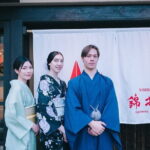
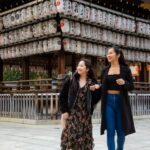
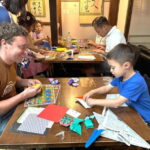
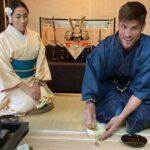
Nishiki Market gets way easier with a guide. This private 150-minute experience pairs a focused walk through Kyoto’s famous food lanes with a hands-on cooking class where you build your own donburi bowl from market ingredients. You also get little stops for free tastings, plus optional sake if you want to go further.
I especially liked two things: the English explanations during the market stroll (including etiquette like not eating while walking) and the fact that you actually cook what you just bought. On my sample days, guides like Chie and Mio were the sort who could explain what you’re seeing and why it matters, then carry those ideas straight into your bowl.
One possible drawback: the time is structured. You’ll typically spend about an hour in the market and about an hour cooking and eating, so if your main goal is to snack freely for a long stretch, you may find the “class schedule” limits extra wandering.
In This Review
- Key highlights you’ll feel right away
- Nishiki Market Plus a Kitchen Studio: why this pairing works
- At the western entrance: getting oriented fast in Nishiki
- The market tastings: free pickles, samples, and side ideas
- Choose your donburi bowl: Kaisen-don, Ten-don, or Oyako-don
- Cooking class flow: from market shopping to your own bowl
- Optional sake tasting: when it fits and when to skip
- Price check: why $109 feels fair here
- What the private format changes (and who will love it)
- A couple of practical considerations before you go
- Should you book this Nishiki Market Food Tour with Cooking Class?
- FAQ
- How long is the Nishiki Market Food Tour with Cooking Class?
- Where do I meet for the tour?
- Is this a private tour?
- What donburi can I cook?
- What tastings are included during the tour?
- Is sake tasting included?
- What’s included in the price, and can I cancel?
Key highlights you’ll feel right away
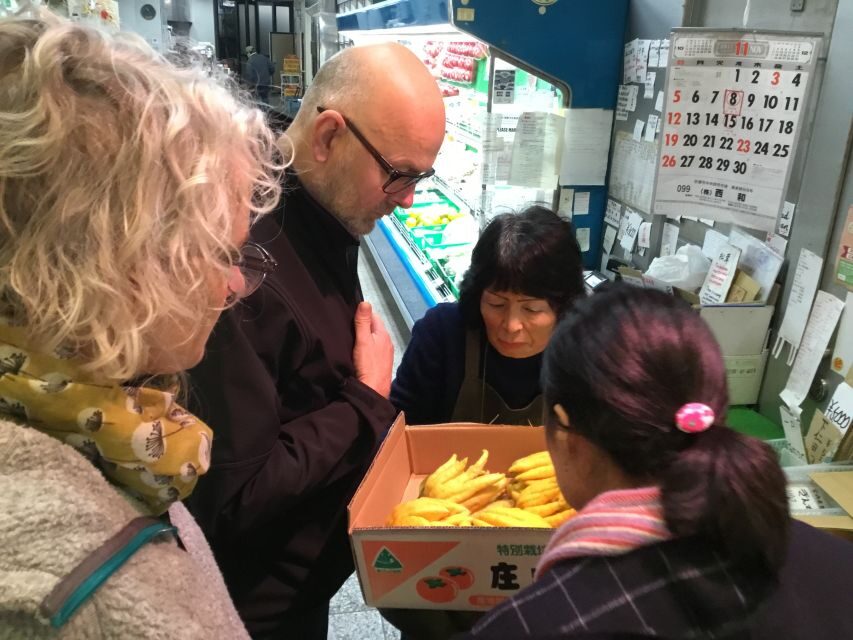
- Private pace in Nishiki Market so you can ask questions instead of rushing
- A real cooking class outcome: you leave with a donburi bowl you made
- Choose your bowl style from Kaisen-don, Ten-don, or Oyako-don
- Market-to-kitchen ingredients with ingredient costs included
- Tastings along the way including free Japanese pickles and samples, plus optional sake
- Taxi transfer included from the market to the studio, so you don’t waste time
Nishiki Market Plus a Kitchen Studio: why this pairing works
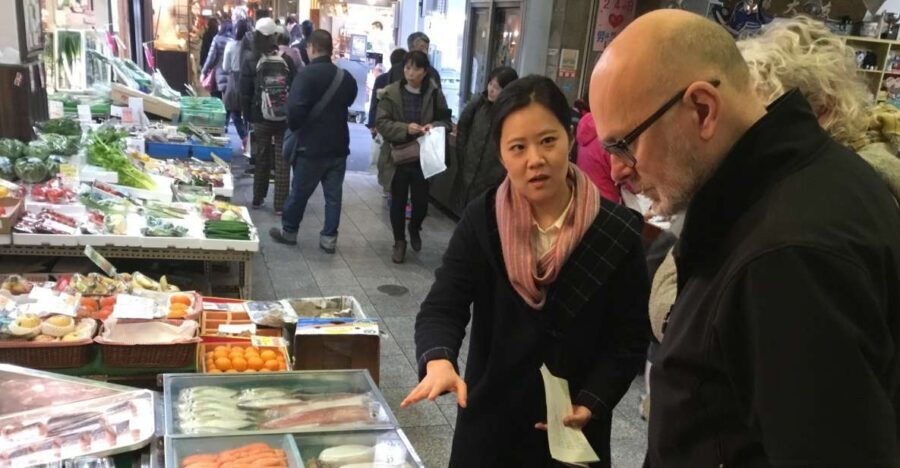
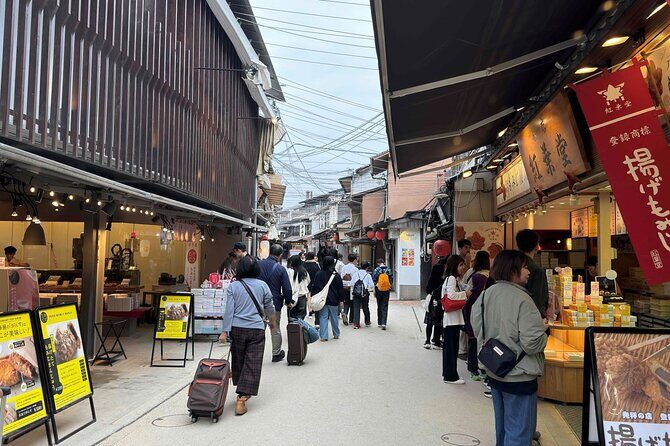
Nishiki Market can be a little overwhelming at first. The stalls are dense, the smells hit quickly, and menus repeat the same ingredients in different forms. The smartest move is to get your bearings early, then use that time to buy the right items for the meal you’ll cook later.
That is exactly how this tour is set up. You’re not just sightseeing, you’re collecting ingredients for a donburi bowl that you’ll actually make and eat. It turns the market from a place you pass through into a place you learn from.
The other win: it’s private. That matters in a market, where a small change in pace can make the difference between comfortable and chaotic.
A few more Kyoto tours and experiences worth a look
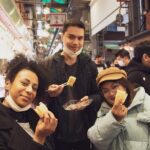
At the western entrance: getting oriented fast in Nishiki
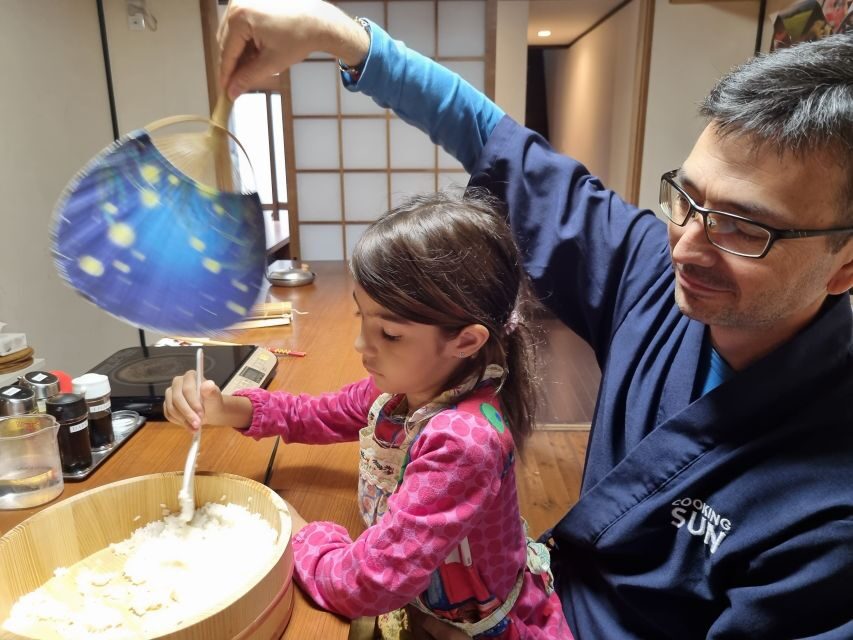
You start at the western side entrance of Nishiki Market, where your guide gets you moving with purpose. If you walk the market without explanation, it can feel like you could cover it quickly. With a good guide, you can spend hours because you keep learning what each shop is known for, not just what it sells.
In practice, I like the way this kind of guiding works:
- You get pointed toward stalls that matter, including ones that may not match the most tourist-heavy look.
- You can ask about items you don’t recognize (especially sauces, pickles, and seafood prep).
- If you need help communicating with staff, your guide helps translate so you’re not guessing.
One more detail that saves you stress: etiquette. In Nishiki, the rules can surprise people. The guide explains what you can and cannot do while you’re walking, which keeps you from accidentally causing trouble or slowing everyone down.
The market tastings: free pickles, samples, and side ideas
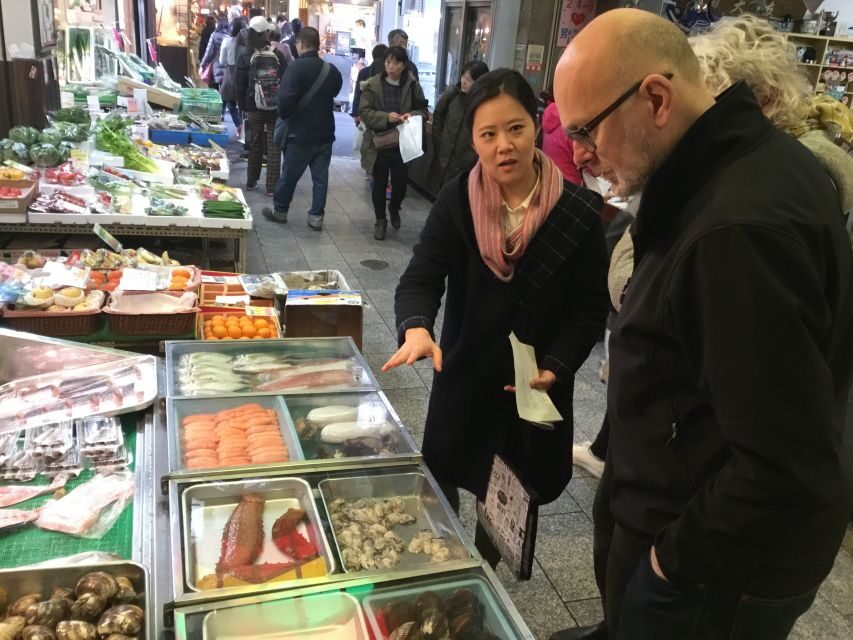
This experience includes small tastings during the stroll, and that’s a real value because it helps you understand flavors before you cook. You’ll get free Japanese pickles tastings, plus a sample food tasting as part of the tour.
Here’s why I think this matters: Japanese cooking isn’t just about the main ingredient. It’s about balance—salt, tang, crunch, and how everything lifts the bowl. Pickles are an easy way to taste acidity and salt without committing to a whole extra purchase.
You may also get guidance on what side items to pair with your bowl. In at least one class, the guide helped the group try extra Japanese sides and accommodated substitution requests—so the guide isn’t just pointing and translating. They’re helping you taste in a way that feeds your cooking.
If you’re the type who likes to go back to the market later, these tastings also act like a shopping checklist. You’ll know what you liked and you’ll know what to look for.
Choose your donburi bowl: Kaisen-don, Ten-don, or Oyako-don
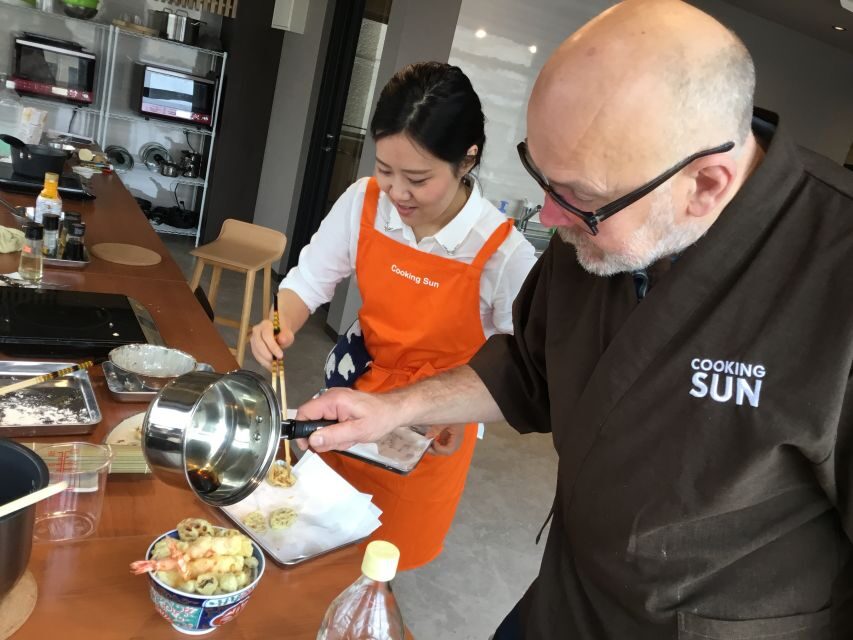
The heart of the tour is simple: you cook a donburi bowl with fresh market ingredients. You choose from three options:
- Kaisen-don (seafood bowl)
- Ten-don (tempura bowl)
- Oyako-don (chicken and egg bowl)
This choice is more than just flavor preference. Each bowl teaches a different approach:
- Seafood bowls often mean you’re paying close attention to how ingredients are cut and combined, plus how seasoning is built.
- Tempura bowls emphasize how you handle crisp elements and how toppings and sauce work together.
- Oyako-don focuses on the chicken-and-egg technique—how to time doneness so the egg stays soft and silky.
One of the best reasons to do this tour (instead of just booking a cooking class) is that you’re buying the ingredients in the same environment where they’re selected. You see what’s fresh, what looks prepared for local use, and what the market favors.
And yes, ingredient costs are included, so you aren’t doing math mid-class.
Cooking class flow: from market shopping to your own bowl
Once you finish the market portion (typically around 1 hour), you head to the cooking studio by taxi. That transfer is included, which is quietly helpful. Markets are easy to get turned around in, and walking with ingredients in a crowd can be a hassle.
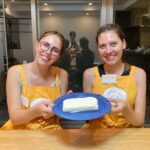
In the studio, the class keeps moving. Most of the experience is built around hands-on steps—prepping, cooking, and finishing—so you’re not just watching someone else do everything. The structure is also private, so you can ask questions as you go.
What I look for in a cooking class is repeatability: can you cook it again at home without guessing. You get a recipe, and the teaching usually includes practical details like:
- how to make certain components taste right, not just look right
- how sauces are used and how brands or ingredients can influence flavor
- how to get the presentation to come out nicely
In one of the experiences shared, the guide taught dashi-related skills and the group felt confident recreating dishes later. That is the goal: walk out with technique you can use, not just a one-time lunch.
Also, substitutions can be possible. If you want something like tofu instead of chicken, you might be able to request it, depending on what’s available and how the class is set up. The best move is to tell your guide early.



Optional sake tasting: when it fits and when to skip
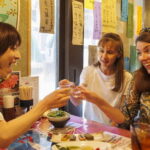
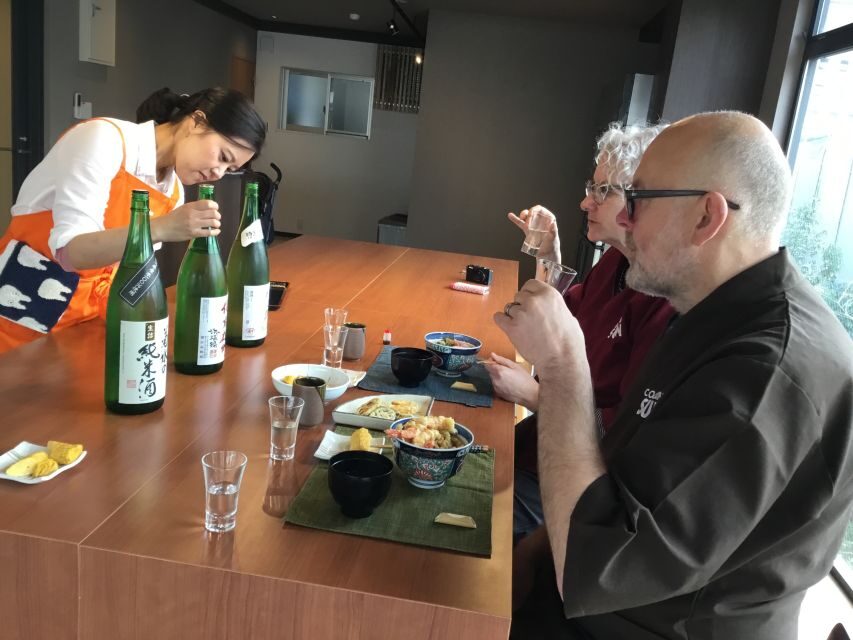
If you want it, the tour offers tasting of three different types of sake as an optional add-on. That’s useful because it turns sake from a vague label into something you can actually compare.
A quick reality check: if you’re more focused on learning how to cook, you may decide to skip sake and put your energy into the market notes and cooking steps. If you do try it, treat it as a flavor education tool, not as a second meal.
Sake tastings also pair nicely with the cultural explanations your guide gives around ingredients. You start to understand how different alcohol styles show up alongside salty, savory, and pickled flavors.
Price check: why $109 feels fair here
At $109 per person for a 150-minute private tour, the price can look like a lot—until you break down what’s included.
You’re paying for:
- a fluent English guide for the market portion
- donburi cooking ingredients, with ingredient costs included
- a recipe you can take home
- sample tastings during the market walk
- free Japanese pickles tastings
- taxi cost from the market to the studio
- a private group setup, so you aren’t divided into a big schedule
In other words, you’re not just buying a “tour.” You’re also buying your lunch plus the shopping-and-cooking labor. Many cooking classes charge for instruction, but here you also get market ingredient selection built into the experience.
The value also depends on what you prefer. If you want a slow market stroll with constant extra eating, you might feel the structure is tighter than you expected. If you want a guided market plus a confident cooking outcome, this price makes more sense.
What the private format changes (and who will love it)
Private format isn’t a marketing trick here. In Nishiki Market, the crowd can scramble your plans. With a private guide, you can:
- ask as many questions as you want
- move at your pace instead of being swept along
- request changes if possible (like dietary substitutions)
It also works well for families. One experience described a family-friendly class where methods kept kids engaged. If you’re traveling with children, you’ll probably appreciate that the pace is flexible and that the instruction stays interactive.
This tour is a great fit if you:
- like food-focused travel and want real technique, not just photos
- want a guided market orientation you can repeat on your own later
- enjoy learning how Japanese sauces and pickles work in real meals
It may be less ideal if you:
- want maximum time for independent snack shopping
- dislike having a timed structure around cooking and eating
A couple of practical considerations before you go
Even the best market tour has a few things worth knowing.
First, some ingredients may vary by class setup and season. One review mentioned that a fatty tuna component wasn’t great, which is a reminder that taste is personal and ingredient quality can differ.
Second, the market portion can feel shorter than you’d like if you expected long free time. The tour is built around learning and buying ingredients for the bowl, so it’s not purely a “try everything” festival.
If that sounds like you, do this: use the guide’s tastings as your direction, then plan a bit of extra time after the class on your own to hunt down your favorites.
Should you book this Nishiki Market Food Tour with Cooking Class?
If you want Kyoto food that you can recreate, I’d say book it. The combo of Nishiki Market guidance plus a hands-on donburi outcome is exactly the kind of experience that turns knowledge into something you actually do. The included taxi transfer, ingredient costs, recipe, and tastings reduce friction, so you can focus on learning.
I’d think twice if your priority is long independent wandering and unlimited eating. This tour is structured, and the market time is usually about an hour, followed by about an hour in the studio.
If you fall in the first group—learning, cooking, tasting with guidance—this is one of the more efficient ways to understand what makes Nishiki Market ingredients worth buying.
FAQ
How long is the Nishiki Market Food Tour with Cooking Class?
The tour lasts 150 minutes.
Where do I meet for the tour?
Meet at the western side entrance of Nishiki Market.
Is this a private tour?
Yes, it’s a private group experience.
What donburi can I cook?
You can choose from Kaisen-don (seafood), Ten-don (tempura), or Oyako-don (chicken and egg).
What tastings are included during the tour?
The tour includes free Japanese pickles tastings and sample food tasting in the tour.
Is sake tasting included?
A taste of three different types of sake is available as an optional extra.
What’s included in the price, and can I cancel?
Ingredients of donburi cooking, the recipe, and taxi cost from the market to the studio are included. You can cancel up to 24 hours in advance for a full refund, and you can reserve now and pay later.