That first step into a kimono feels unreal. This Kyoto tea ceremony experience turns a formal ritual into something you can actually do—without feeling lost in etiquette. You’ll get help picking from 200+ kimono designs, then learn matcha technique in a calm tea-room setting.
My favorite part is the hands-on matcha: you’re taught how to whisk properly with a traditional bamboo whisk and make your own bowl. You’ll also get included snacks, the pacing feels gentle for a class format, and the whole thing is run for small groups.
One thing to consider: the ceremony can feel a little tourist-friendly, with some waiting and a structured flow. If you’re hoping for total spiritual depth or lots of back-and-forth discussion, you might want to know that the experience can lean more show-and-learn than fully free-form participation.
In This Review
- Quick Hits at Nishiki Orizuruya
- First Stop: Nishiki Orizuruya and Why This Location Helps
- Kimono Dressing: Picking a Look and Getting Styled Without Guesswork
- A realistic caution about photos
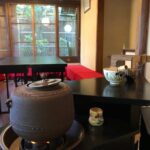
- Inside the Tea Room: Purification, Matcha Whisking, and Your Bowl
- Will you participate, or mostly watch?
- The Taste Lesson: Wagashi, Sweets, and Why That Pairing Matters
- Optional Calligraphy: A Practical Souvenir You Can Actually Use
- Wearing Your Kimono After the Ceremony: Nishiki Streets in Traditional Style
- Price and Value: Is $50.87 Worth It?
- Who Should Book This (and Who Might Want Something Different)
- Practical Tips Before You Go (What Helps Most)
- Bring the right check-in setup
- Plan for weather
- Dress for sitting and movement
- Expect a timed flow
- Should You Book This Kimono Tea Ceremony?
- FAQ
- Where is the meeting point for the Kimono Tea Ceremony experience?
- How long does the experience take?
- What is the group size limit?
- What’s included in the experience price?
- Is hotel pickup and drop-off included?
- Do I get to learn how to make matcha?
- Is calligraphy available during the experience?
- Do I need my smartphone for check-in?
- What happens if the weather is poor?
Quick Hits at Nishiki Orizuruya
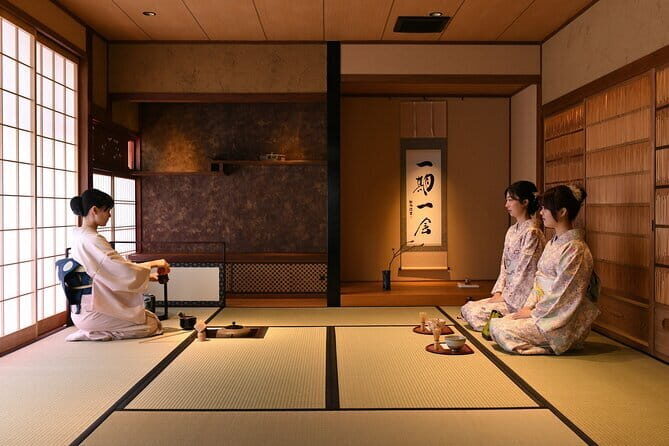
- 200+ kimono choices so you can pick a pattern you’ll actually want to wear twice
- Small group size (max 10) for better attention during dressing and matcha practice
- Guided purification steps before tea, so the ritual makes sense while you’re doing it
- Make your own matcha with a bamboo whisk (chasen), not just watch
- Wagashi + matcha snacks from a century-old confectionery partner
- Optional calligraphy so your souvenir is a skill you leave with, not just a photo
First Stop: Nishiki Orizuruya and Why This Location Helps
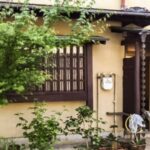
Your experience starts at Nishiki Orizuruya, at 452 Jūmonjichō, Nakagyo Ward. This matters more than it sounds. You’re in the Kyoto shopping pulse near Nishiki Market, so after the ceremony you’re not stuck in a blank hotel corridor. You can carry the kimono vibe into a real, walkable neighborhood.
Timing-wise, the whole program is about 1 hour 30 minutes. That length is a sweet spot. It’s long enough to feel like a real class—kimono dressing, a ritual sequence, matcha preparation, and optional calligraphy—without eating half your day.
Group size is up to 10 people, which is one of the reasons this feels manageable. In a bigger crowd, kimono dressing turns into a conveyor belt. Here, the staff can slow down when needed and help you keep your place.
A few more Kyoto tours and experiences worth a look
Kimono Dressing: Picking a Look and Getting Styled Without Guesswork
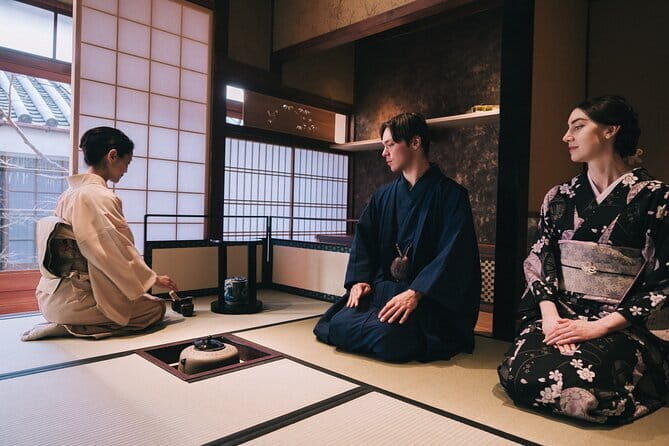
This is the part many people end up talking about even after the tea is gone. And honestly, it’s easy to see why.
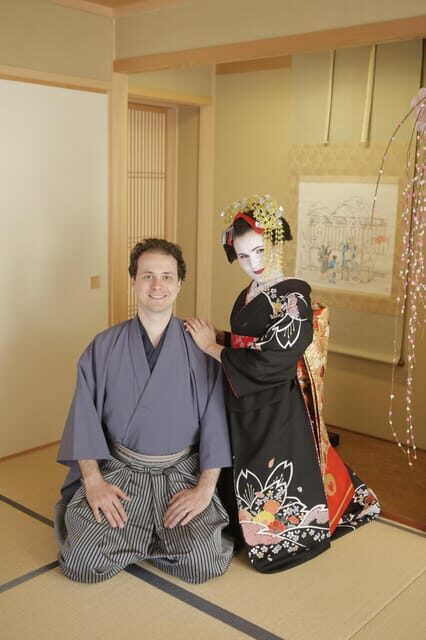
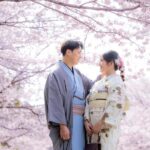
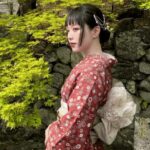
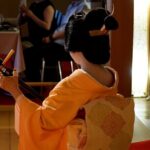
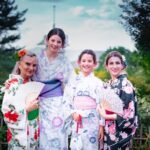
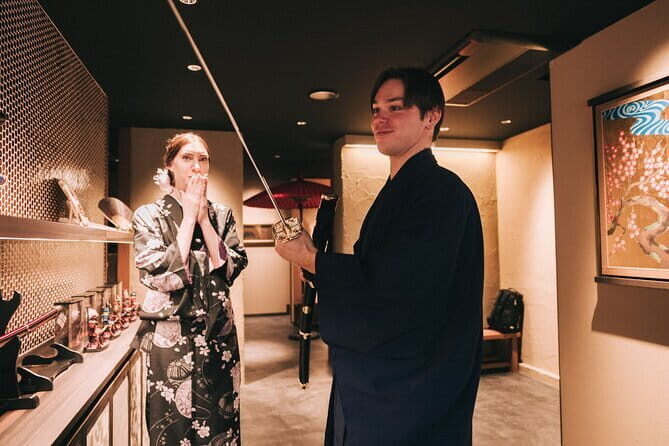
You’ll select your kimono from over 200 designs, and the staff helps you get dressed. Women also get complimentary hair styling (described as a simple style), so you’re not stuck trying to make a hairstyle work with an obi.
You’ll also choose accessories—think hair sticks and hair ornaments, plus the big comfort-and-fit pieces like the obi sash and the obijime (the cord that helps hold the obi in place). Reviews mention the step-by-step process includes getting ready properly before you even step into the ceremony room, and that’s a big deal. Wearing a kimono isn’t only about looking right. It’s about wearing it correctly so you can move and sit.
One small detail that shows good care: people report a light, moisture-wicking underlayer. That helps with comfort during a warm Kyoto day and keeps the experience feeling practical, not just costume-party.
There’s also a short photo moment while you’re dressed. Staff may snap a few pictures for you. If you like photos, great. If you don’t, treat it as a checkpoint: you’re already doing the fun part, which is getting dressed the traditional way.
A realistic caution about photos
Kimono pictures are part of the program, and the setting near Nishiki can be busy. If you’re very photo-driven, plan to take a few quick shots early, then focus on the ritual once you’re inside the tea room.
Inside the Tea Room: Purification, Matcha Whisking, and Your Bowl
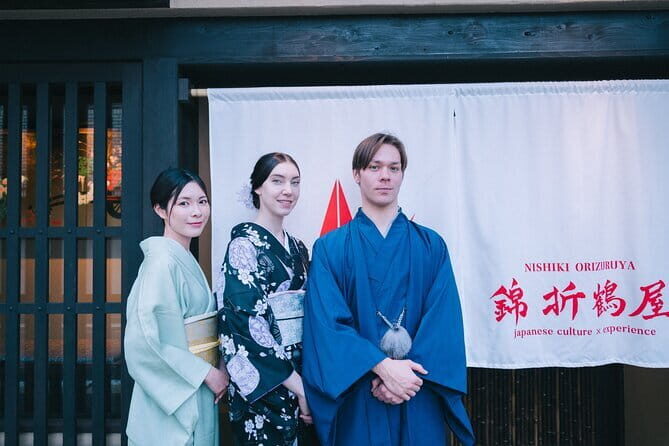
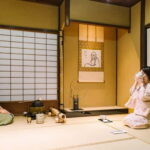
Once you’re dressed, you head into the tea-room portion. This is where the experience shifts from “get styled” to “learn the why.”
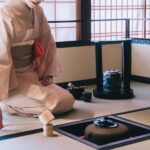
Before you actually drink, you’ll go through purification steps. One review calls out how much time goes into this part, and I get why. In Japanese tea culture, those motions aren’t random theater—they signal attention and respect. Even if you don’t know every term, you can still feel what they’re aiming for: slow down, prepare, then serve.
Then comes the core skill: matcha.
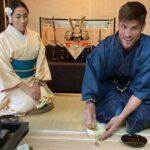
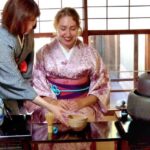
You’ll learn to prepare matcha with a traditional bamboo whisk (chasen). The goal isn’t just to make a green paste. You’re guided through the motions so you end up with a bowl you can actually enjoy. Multiple reviews mention that you don’t just stir once—you practice the technique enough to notice the difference between doing it badly and doing it the taught way.
After that instruction, you make your own bowl of matcha and drink it. That hands-on moment is the biggest value driver for me. It turns the whole experience into something you can repeat later at home.
Will you participate, or mostly watch?
Here’s the balanced truth: the ceremony has a structured flow. Some parts can feel more like you’re following along, while the matcha portion is clearly hands-on. A small number of reviews mention watching more than they expected, and that the experience may feel staged. If your top priority is being fully in control of every ritual step, read that as your warning sign.
Still, the matcha making is real participation. If that’s what you came for, you’ll likely leave satisfied.
A few more Kyoto tours and experiences worth a look
The Taste Lesson: Wagashi, Sweets, and Why That Pairing Matters
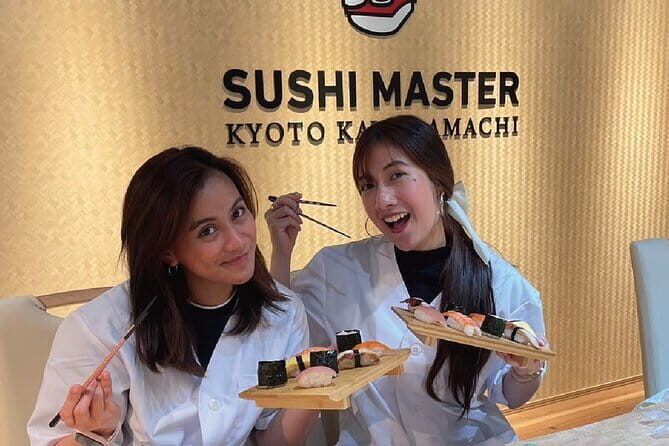
You’ll be served wagashi and matcha snacks. The wagashi part is not just a bite-sized extra. Japanese sweets are often designed to match the season and the tea experience, and here you also get to enjoy your matcha alongside them right after learning how it’s made.
One detail I like: the sweets are described as coming from a century-old confectionery. That hints at quality without requiring you to become a wagashi critic.
Here’s how to make this part land for you: slow down. Take your first sip of matcha after you taste the sweet, then notice how the sweetness changes the perception of bitterness and earthy notes. You’re learning not only motions, but the balance that makes tea ceremony food work.
Optional Calligraphy: A Practical Souvenir You Can Actually Use
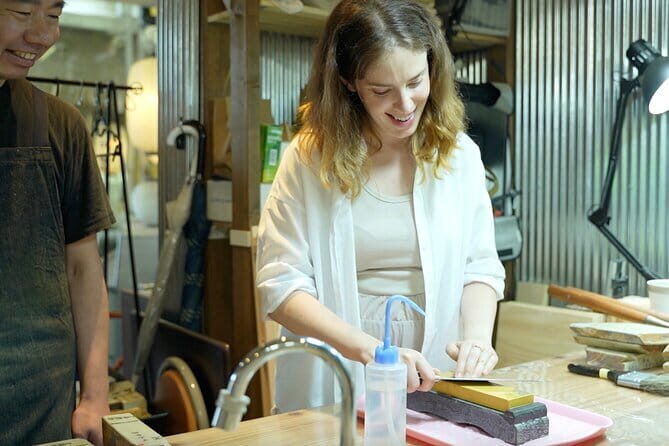
If you add calligraphy, your afternoon gets a second skill layer. You’ll learn the basics of this art form and create your own calligraphy piece as a souvenir.
Why I think this is worth considering: matcha skills fade fast if you don’t keep using them. Calligraphy, even if it’s just a beginner piece, gives you something you can frame. And it connects well to the tea vibe. Both are slow arts: attention, posture, and intention.
Reviews call the calligraphy a highlight, with some people really glad they added it. Others say the teacher was patient and the souvenir felt meaningful. If you’re on the fence, calligraphy is often the better “keep it” option compared with only photos.
Wearing Your Kimono After the Ceremony: Nishiki Streets in Traditional Style
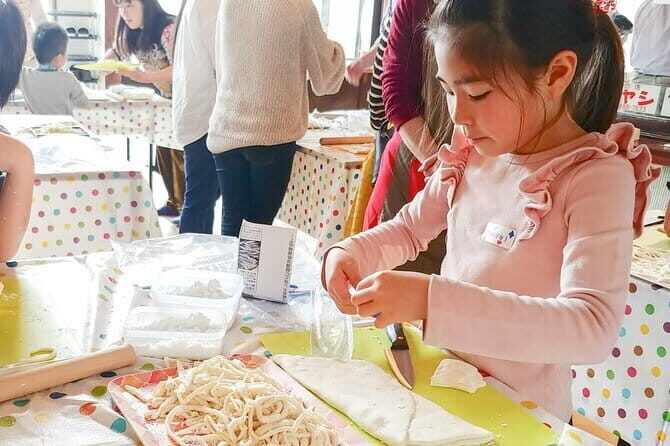
One of the best perks in the reviews is that you can keep wearing your kimono after the ceremony for more time in the area.
In at least one review, guests were allowed to continue wearing the kimono until 18:00 when the shops close. That turns your booking into more than a one-room ritual. You get a chance to see how the kimono fits real Kyoto streets—shops, alleys, the Nishiki Market area energy.
A smart way to use this time:
- Take a few photos early, while you still look freshly styled.
- Then walk more slowly and treat it like sightseeing, not a photo shoot.
- Watch your footing. Traditional footwear and kimono hems take a little practice.
If you want the “Kyoto in kimono” effect without spending extra on a separate rental, this part is a big value win.
Price and Value: Is $50.87 Worth It?
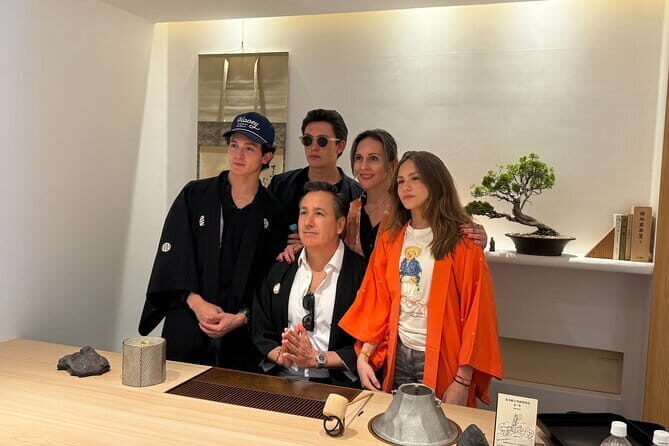
At $50.87 per person, this sits in the middle for Kyoto cultural activities. The question is whether you get enough real learning and included value.
Here’s what you’re paying for, in plain terms:
- Kimono costume (and staff help getting into it)
- Hairstyling for women (simple style)
- Matcha preparation training plus making and drinking your own bowl
- Wagashi and matcha snacks
- Utensils
- Licensed guide
- All fees and taxes
Add up those pieces and the price starts to make sense. You’re not just buying a tea tasting. You’re paying for the overhead and expertise of dressing someone properly, teaching ritual steps, and making sure you actually leave with a repeatable matcha technique.
Where value can vary for you is how much you care about kimono and photos. Some reviews frame it as very kimono and photo-friendly. If you want only the tea philosophy, you might feel it’s too structured. If you want the full package—dress up, learn how matcha works, drink it, and get a real souvenir—this is more like a “cultural skills plus aesthetic experience” deal.
Who Should Book This (and Who Might Want Something Different)
This is a strong fit if you:
- want an easy intro to Japanese tea culture without anxiety
- enjoy hands-on classes more than museum-style watching
- like kimono fashion enough that dressing is part of the fun
- want a small group (max 10) where staff can manage details
- are curious about matcha and want to learn the basic technique with a chasen
It may be less ideal if you:
- expect a long, in-depth lecture on tea history and meaning
- want total participation in every ceremony movement (some steps may be more guided)
- dislike waiting for dressing and room transitions, since the program has a staged structure
The good news is that even if it leans a bit tourist-friendly, the matcha and dressing components are still genuinely skill-based. And the ritual moments can still feel calm if you go with the right expectations.
Practical Tips Before You Go (What Helps Most)
A few practical points will make this smoother.
Bring the right check-in setup
You’ll need a smartphone that connects to the internet. Your voucher has you open a website page from your phone, then show the screen to staff. Screenshots or printed tickets aren’t accepted, so don’t wing it with an offline phone.
Plan for weather
This experience requires good weather. If it’s canceled due to poor conditions, you’ll be offered a different date or a full refund.
Dress for sitting and movement
You’re in a formal costume, on floors during parts of the ceremony. Some reviews mention accommodation for guests who can’t sit on the floor, like bringing a small table and chair, so the team seems aware. Still, for your own comfort, wear something practical under the kimono layers.
Expect a timed flow
The whole experience is about 90 minutes. That means you’ll learn, make matcha, and move on. It’s not a slow afternoon retreat. Treat it like a focused lesson, not a half-day immersion.
Should You Book This Kimono Tea Ceremony?
I’d book it if you want a Kyoto activity that’s both photogenic and useful. Dressing in a kimono from 200+ patterns with real help, then learning matcha technique and making your own bowl, is a lot of value for a short time. Add calligraphy if you want a souvenir that feels personal instead of disposable.
I’d skip or look for another option if your top goal is a deep, reflective tea ceremony with lots of explanation and open discussion. A few people felt the format can feel staged. If that would bother you, your expectations need adjusting before you arrive.
If you can go with a mindset of learn the motions, enjoy the calm, then practice matcha later, this is a great fit.
FAQ
Where is the meeting point for the Kimono Tea Ceremony experience?
You meet at Nishiki Orizuruya, 452 Jūmonjichō, Nakagyo Ward, Kyoto 604-8121, Japan.
How long does the experience take?
The experience runs for about 1 hour 30 minutes.
What is the group size limit?
This activity has a maximum of 10 travelers.
What’s included in the experience price?
Included snacks (wagashi and matcha), a kimono costume, utensils, hairstyling (simple style), all fees and taxes, and a licensed guide.
Is hotel pickup and drop-off included?
No. Transportation to and from the meeting point is not included, and there’s no hotel pickup or drop-off.
Do I get to learn how to make matcha?
Yes. You’ll be guided through preparing matcha using a traditional bamboo whisk (chasen) and you’ll get to make your own bowl.
Is calligraphy available during the experience?
Calligraphy is optional. If you choose it, you’ll learn the basics and create your own calligraphy piece.
Do I need my smartphone for check-in?
Yes. You must use a smartphone to open the website page linked in your voucher and present the screen to the staff. Screenshots or printed tickets will not be accepted.
What happens if the weather is poor?
The experience requires good weather. If it’s canceled due to poor weather, you’ll be offered a different date or a full refund.