Slow days in Uji feel better by bike. This Brompton slow cycling tour lets you cover real distance without the stress, while an English navigator points you toward the tea-world sights and older-than-old shrines that most people miss.
I like that you get all the riding gear (helmet and bags for transport), so you can show up with just your camera and a weather-proof layer. I also like the mix of stops: tea education first, then 1700-year-old Uji Shrine vibes, plus river views and a Zen temple walk. A possible drawback: some of the best-known attractions on the route require optional paid entry (and the weather needs to cooperate).
In This Review
- Key highlights you’ll actually notice
- Why Uji by Brompton makes matcha feel personal
- Getting rolling at Uji Station without the fuss
- The tea-and-history start: Chazuna at human speed
- Uji Shrine and Ujigami Shrine: meaning you can feel
- Asagiri Bridge: the best photo break is short
- Koshoji Temple and the Kotosaka slope walk
- Amagase Dam nature trail: valley calm away from Kyoto energy
- Byodo-in Omotesando: UNESCO or tea time at the end
- The Brompton factor: why this bike feels easier on a historic route
- Pace and group size: why the day stays relaxed
- Value check: what you pay for $130.46 and what you control
- Practical tips so your day runs smoothly
- Who should book this Uji slow cycling tour
- Should you book? My straight take
- FAQ
- What is included in the tour price?
- What optional fees might I pay during the tour?
- How long is the tour, and when does it start?
- Where do I meet the guide?
- Is the guide English-speaking?
- What kind of group size should I expect?
Key highlights you’ll actually notice
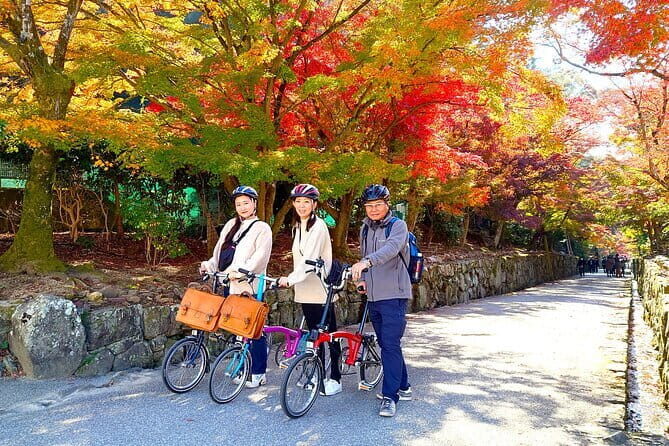
- Brompton bike comfort that keeps the day easygoing, even if you are not a road cyclist
- English navigator who knows where to go and how to pace the ride
- Tea culture before the temples, so matcha makes more sense when you see it
- Uji River scenery at a human speed, including photo-ready bridge moments
- Small group size (max 6) for a quieter, less chaotic experience
- A flexible feel where your guide can suggest food stops based on what you want
Why Uji by Brompton makes matcha feel personal
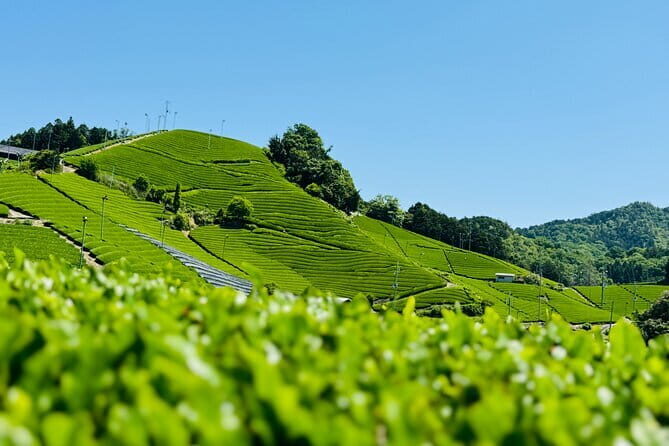
Uji sits just south of Kyoto, and it earns its reputation. The area is famous for matcha (powdered green tea) and other tea products, but it is also packed with historic temples and shrines reaching back over 1,000 years. On foot, that can feel like a lot. By bike, it becomes a smooth day: move between places, then slow down when something is worth noticing.
What makes this tour work is the combination of slow cycling and local guidance. You are not trying to figure out routes while also reading signs, crossing unfamiliar streets, and trying to remember where you parked. The navigator handles the flow, which matters even more in a place like Uji where the best atmosphere is often just a few turns off the main drag.
And yes, you do get the matcha angle. But you get it in a way that feels grounded, not like a rushed tea-tasting loop. You start with tea culture, then you move into shrines and temple grounds where tea history and local identity belong together.
A few more Uji tours and experiences worth a look


Getting rolling at Uji Station without the fuss
The tour starts at Chatsubo Postbox near Uji Station (Umonji 1716, 611-0021). That is a practical choice. You can land near public transport, meet up, and get moving without a long scramble through town.
Start time is 10:00am, and the ride lasts about 4 hours 30 minutes. The day ends back at the meeting point, so you avoid the classic travel headache of finding your way back on your own after you have already biked all morning.
Because the group is limited to six travelers max, you can expect a more orderly experience: fewer people at each stop, more time for questions, and an easier rhythm to stay with the navigator.
The tea-and-history start: Chazuna at human speed
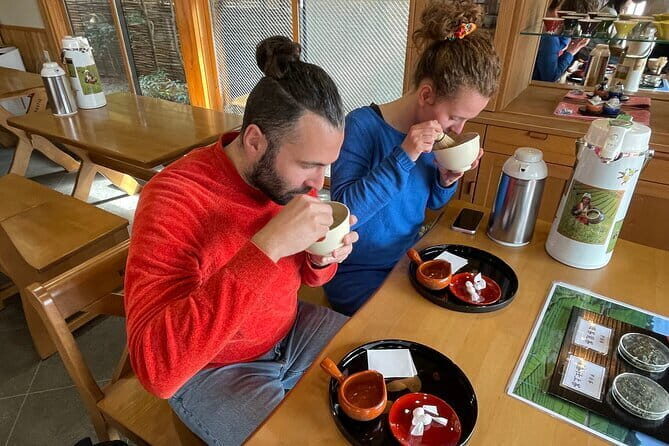
The first stop is Tea and Uji Community Center, Chazuna, where you spend about 45 minutes. Admission is an optional extra (600 yen), but it is the kind of start that pays off later. Tea culture is one of those topics where context changes your whole experience. When you learn a bit about how Uji’s tea story fits into the region, even a simple matcha drink later feels like more than a souvenir.
Chazuna is also a good way to ease into the day. Before you pedal far, you get oriented. You learn the why behind Uji’s tea status, then you go outside and connect that knowledge to the landscape around you.
What to consider: if you are short on cash, you can still do the rest of the tour with the paid entries skipped. But if you care about matcha beyond taste, this is the one optional fee I’d prioritize.
Uji Shrine and Ujigami Shrine: meaning you can feel
After Chazuna, you visit Uji Shrine for about 30 minutes. This site is believed to be over 1,700 years old, and it is associated with hopes for academic success and childbirth. That focus might sound niche, but that is exactly what makes shrine visits in Japan click. You are not just looking at architecture. You are seeing what the place means to people.
Next is Ujigami Shrine for another 30 minutes. It pairs with Uji Shrine, and the grounds include the spring called Kirihara Water, one of the seven famous waters of Uji. Even if you do not have time to read every sign, noticing that a shrine and a water source belong together gives you a more complete picture of how local geography becomes spiritual life.
Why this matters on a bike tour: stopping at these places feels calmer when you are not stuck on a bus schedule. You can take the time to look, pause, and ask questions without feeling like you are holding up a mass group.
Asagiri Bridge: the best photo break is short
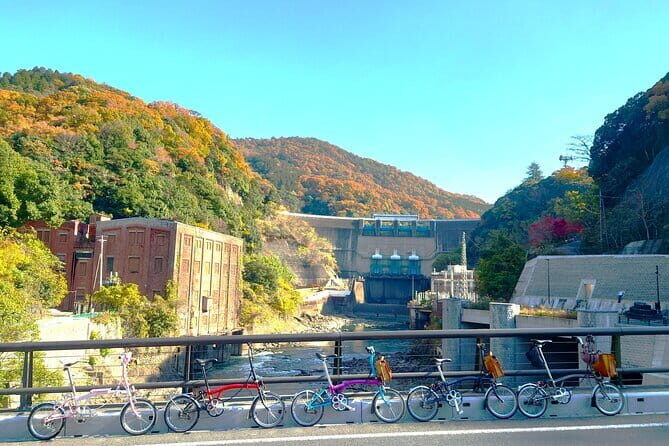
You get a quick 15-minute stop at Asagiri Bridge, spanning the Uji River. Admission is free, and that matters because this is a classic “use it or lose it” moment. The bridge gives you an easy photo target without requiring big stamina.
This kind of stop is also a smart pacing tool. You ride, you look forward to a scenic reward, then you reset and keep going. If you hate tours that turn every view into a long lecture, you will appreciate how brief this one is.
A few more Uji tours and experiences worth a look

Koshoji Temple and the Kotosaka slope walk
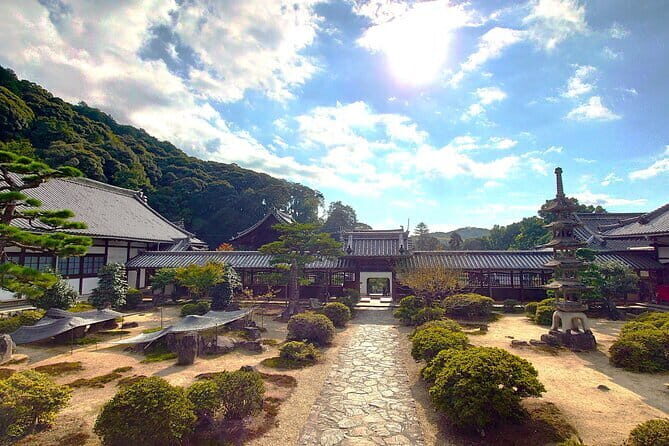
Next up: Koshoji Temple for about 30 minutes. It is a Zen temple with a history around 800 years. What you will probably remember is the climb on the Kotosaka slope from the stone gate toward the temple grounds, bordered by stone walls.
That is a great example of why a slow cycling tour works. You do not just ride past landmarks. You also get short walking segments where the place changes texture. The stone walls and gradual rise make it feel like you are moving deeper into a quieter world, even though you are only out there for a half hour.
Small drawback to plan for: you do have to be willing to walk up a bit. The tour is built for people with different fitness levels, but it is not a purely seated experience.
Amagase Dam nature trail: valley calm away from Kyoto energy
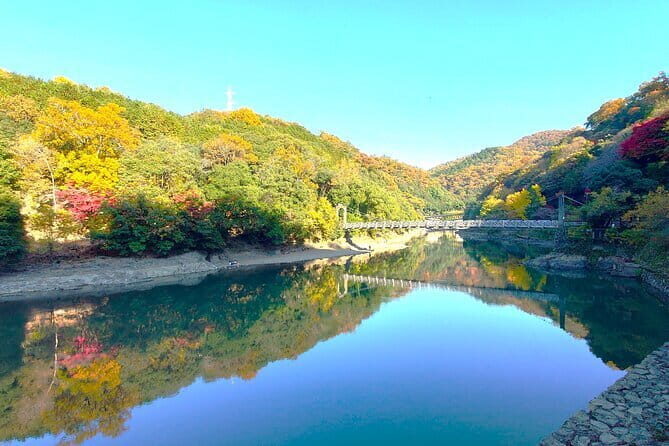
After temples and shrines, you get an outdoor break along the Uji River. This is a 1-hour stop area around Amagase Dam, featuring a nature trail that leads to the wooden Amagase Bridge.
The point here is the atmosphere. The view is described as tranquil enough that the daily energy of Kyoto can feel far away. That is a big deal for day-trippers who spend most of their time in busy sightseeing zones. Here, you get a slower kind of beauty, and you can actually breathe.
What to expect: a longer stretch of time outdoors than the earlier stops. Bring a light layer if the air feels cooler by the water, and wear shoes you trust on mixed surfaces.
Byodo-in Omotesando: UNESCO or tea time at the end
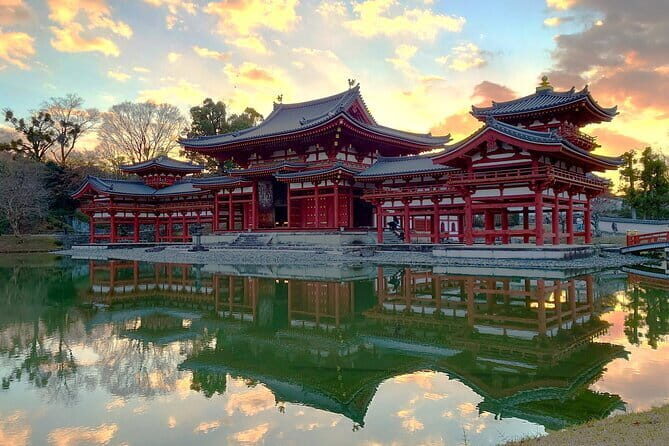
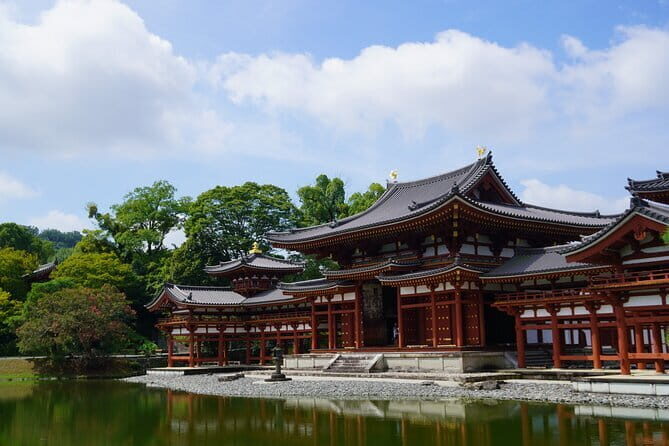
To close out the day, you head back toward the city and visit the Byodo-in Omotesando area. This is where you can either go for the Byodoin Phoenix Hall (UNESCO World Heritage Site) or take a more relaxed option with a cup of tea at one of Uji’s tea shops.
The Phoenix Hall entrance fee is an optional extra (700 yen). This is a helpful way to end the tour because you get to choose your final flavor. If you want the historical anchor, choose the hall. If you want a quiet last hour with something warm in your hands, choose tea.
Also, matching the finish to your energy level is underrated. After cycling and walking, it is nice not to force yourself into one more “must-see” if your legs are done.
The Brompton factor: why this bike feels easier on a historic route
This tour uses a Brompton. That matters because it is a recognizable, stable kind of bike for sightseeing. The tour is positioned as slow cycling, which usually means you are not grinding through long steep efforts. You also get helmets and a system for wheeled transport bags, so you do not have to worry about where your items go.
What I like about this setup is the practical tradeoff. You get the freedom and scenic perspective of cycling, but the bike choice makes the day feel accessible. It is a good fit if you want movement and photos, without turning the trip into a fitness challenge.
If you are the type who gets stressed when logistics get complicated, this helps. Your job is to show up. The bike and the riding gear are handled for you.
Pace and group size: why the day stays relaxed
There is a maximum of six travelers, which changes the whole feel of a tour like this. You are not fighting crowds at the shrine gates. You are not squeezing around other groups for photos on narrow paths. And when you stop, you get time to look and ask questions without the guide constantly moving you along.
The stops are also structured in short blocks: around 15 to 45 minutes early on, then longer nature time at the river. That balance keeps the day from turning into one long blur.
If you enjoy learning as you go, an English navigator makes a real difference. You can ask quick questions when they matter, not at the end after you have forgotten what you wanted to know.
One name that pops up strongly in the experience quality is Takashi. People specifically note his friendliness and knowledge while guiding the route and explaining tea and local history.
Value check: what you pay for $130.46 and what you control
The price is $130.46 per person, and you can often book it about 49 days in advance. That price might look steep if you only compare it to renting a bike for the afternoon. But this is not just bike rental.
You are paying for:
- English guide/navigator time
- Bike rental and riding equipment (helmets and transport bags)
- A route that connects tea culture, heritage sites, and river scenery in one smooth sequence
Then there are optional extras that you control: Chazuna (600 yen) and Byodoin Phoenix Hall (700 yen), plus an optional insurance fee (500 yen).
So the value equation is simple. If you want a self-guided bike ride, you could spend less on paper. If you want a guided day that saves you route-planning stress and adds interpretation, the price starts to make sense fast. With small group size, you are also buying time and attention, not just movement.
Practical tips so your day runs smoothly
Here is what I would plan for, based on how the tour is designed:
- Choose good weather timing. The experience requires good weather, and if it gets canceled you will be offered a different date or a full refund.
- Bring a camera plan. You have multiple photo moments: Asagiri Bridge and the river area, plus the temple/shrine stops.
- Wear walkable shoes. You do both cycling and walking, including a temple slope.
- Decide your admission style. If you love context, consider Chazuna and the Phoenix Hall. If you want to keep costs down, you can skip those optional fees.
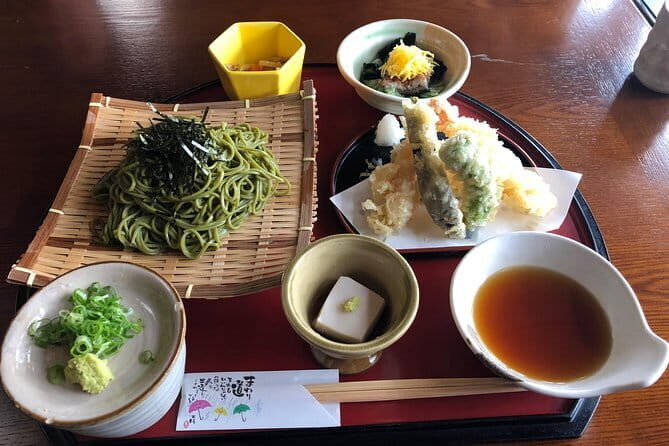
- Ask for food preferences. Snacks are not included, but your navigator suggests restaurants during the tour based on what you want.
The biggest practical win: you do not need to bring bike equipment. That cuts down on packing stress, which is worth real money when you are already juggling luggage.
Who should book this Uji slow cycling tour
This is a great match if you:
- Are a matcha fan who wants more than a quick drink
- Want to see temples and shrines without a crowded bus tour feel
- Like a light fitness day that still feels like sightseeing
- Prefer small groups and clear guidance
It is also a good choice if you are pairing Uji with Kyoto. The ride gives you a different pace than the Kyoto sightseeing grind, and it stays in a focused 4.5-hour window.
If you dislike any walking at all, you might find the temple area less comfortable. But if you can handle short segments, the day is designed to keep effort gentle.
Should you book? My straight take
I’d book this if you want a guided Uji day that mixes tea culture with meaningful heritage stops, without turning it into a long slog. The strongest reasons are the small group size, the ease of using a Brompton with supplied gear, and the way the route strings together tea education and scenic river time.
I would hesitate only if you hate optional admissions and want everything included at a fixed cost, or if you are traveling during uncertain weather. Otherwise, it is a smart, value-minded way to experience Uji at a human speed.
FAQ
What is included in the tour price?
The tour includes bicycle rental, an exclusive navigator fee, bicycle equipment such as helmets and bags for wheeled transport, and an English guide.
What optional fees might I pay during the tour?
Chazuna entrance is an optional 600 yen, and Byodoin Phoenix Hall entrance is an optional 700 yen. Insurance is also optional at 500 yen.
How long is the tour, and when does it start?
It runs for about 4 hours 30 minutes and starts at 10:00am.
Where do I meet the guide?
The meeting point is Chatsubo Postbox at Uji Station area (611-0021 Kyoto, Uji, Umonji 1716).
Is the guide English-speaking?
Yes. An English guide is included.
What kind of group size should I expect?
The tour has a maximum of 6 travelers.