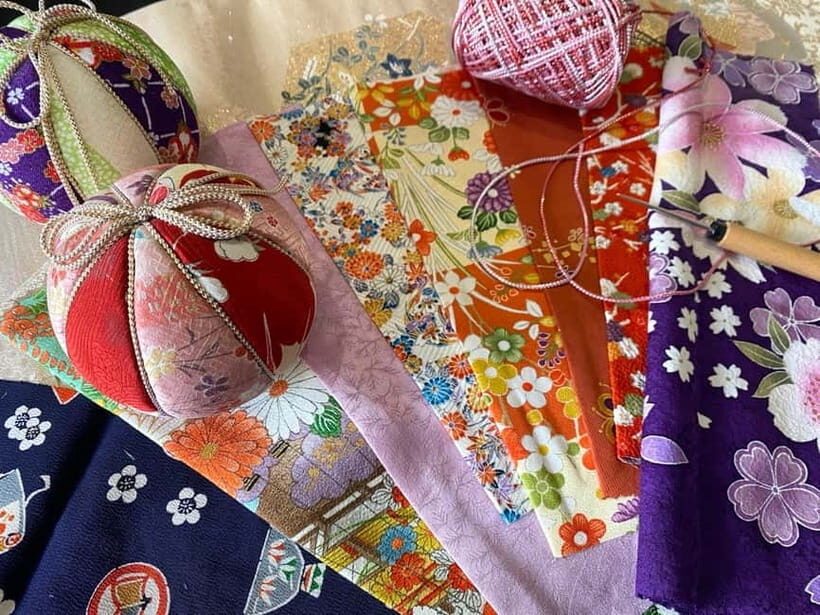
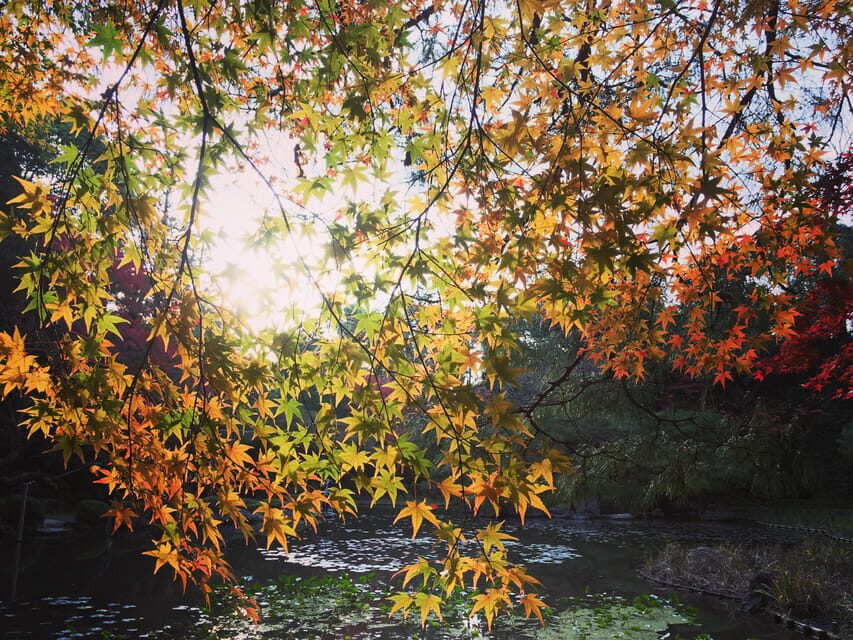
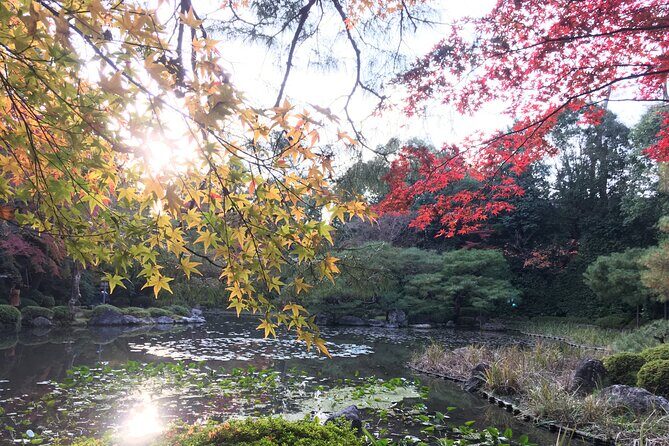
Matcha in Kyoto starts in Uji. This tour is built around Uji, the Kyoto-area home of green tea, with stops at tea shops and a look at how matcha gets made, plus a visit to Byodoin Temple.
I really like that you get a full tea experience without needing to plan food, since a set lunch is included. I also like the hands-on way you learn, with matcha making, tasting, and included sweets like wagashi and matcha ice cream. One possible drawback: it’s not recommended for vegans and gluten-free diets.
In This Review
- Key Things to Know Before You Go
- Why Uji Is the Right Place for a Matcha Tour
- Meeting Point and Timing: A 3-Hour Tea Crawl From Uji Station
- Tea Shops, Translation Help, and Why Local Shops Matter
- Watching Matcha Get Made: The Craft Behind the Cup
- Tasting Sessions Plus Wagashi and Matcha Ice Cream
- Set Lunch Included: Easy Food Planning in Uji
- Uji Shrine and Amagasetsuri Bridge: Tea Culture With Scenic Stops
- Byodoin Temple in World Heritage Form: Short Stop, Real Payoff
- Price and What $221 Buys You in Uji
- Who This Tour Fits Best (and Who Should Skip)
- Should You Book the Kyoto Matcha Green Tea Tour?
- FAQ
- Where does the tour start?
- What time does the tour begin?
- How long is the Kyoto Matcha Green Tea Tour?
- What’s included in the matcha experience?
- Is lunch included?
- Do I visit Byodoin Temple?
- Is the tour good for vegans or gluten-free diets?
- Is hotel pickup provided?
Key Things to Know Before You Go
- Uji is the real matcha setting: you’re in the tea-growing heartland, not just “nearby attractions.”
- Small group (max 10): easier conversation and a more relaxed tea-lesson pace.
- You don’t arrive hungry: lunch and included sweets mean you can focus on learning.
- You’ll watch matcha being made: helpful if you want to understand what you’re tasting.
- Byodoin Temple is quick: it’s enough time to see the World Heritage site, not a long wandering day.
- No hotel pickup: plan to get yourself to Uji Station and keep transit costs separate.
Why Uji Is the Right Place for a Matcha Tour

Uji is where matcha culture feels practical, not like a museum exhibit. The whole area is built around tea—shops, small bridges, shrines, and the river routes that tie everything together. Instead of treating matcha like a single flavor, this tour nudges you to notice differences: what “good matcha” means in texture, aroma, and how it finishes on your tongue.
This kind of tour works especially well in Uji because you can see the tea world as a living system. You’re not only buying a souvenir. You’re learning why certain teas taste one way and not another, and you’re doing it in the places where people actually drink and sell them.
You’ll also get guided context for the etiquette and basics behind tea culture. That matters because matcha isn’t just “green powder.” It’s a craft with choices—how it’s whisked, served, and paired with sweets. Once you understand that, ordering matcha later in Kyoto is less guesswork and more confident.
A few more Uji tours and experiences worth a look

Meeting Point and Timing: A 3-Hour Tea Crawl From Uji Station
The tour starts at Uji Station (Otsukata Uji, Kyoto) at 11:00 am. There’s no hotel pickup, so you’ll want to plan your own train or local transit and arrive a little early to stay calm. The experience runs about 3 hours 15 minutes, which is long enough for multiple tea shops and a real temple stop, but short enough that it doesn’t swallow your entire afternoon.
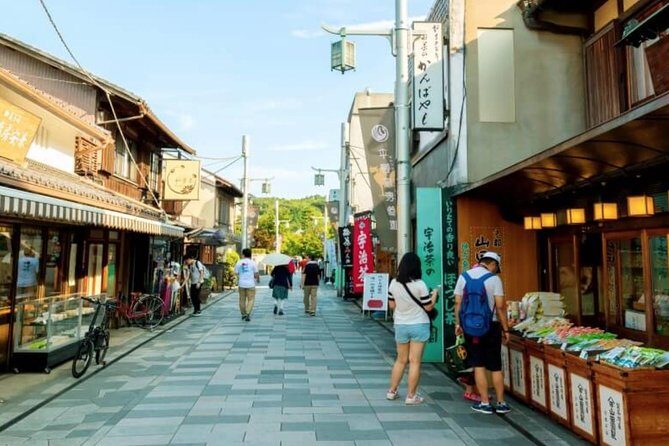
You’ll end near Byodoin Temple, specifically around the shopping streets in the Byodoin area. That’s convenient: after your guided time, you can keep browsing and snack-walking on your own.
The walking is described as needing a moderate fitness level, so expect some strolling between stops. Nothing extreme is mentioned, but do bring sensible shoes. A tea tour where your feet hurt is a sad way to learn what’s supposed to taste great.
The tour uses a mobile ticket, which is handy as long as your phone is charged and you’re not relying on sketchy signal right when you need it.
Tea Shops, Translation Help, and Why Local Shops Matter
One of the best parts of this kind of tour is that you’re guided through spots that can be hard to find on your own. In Uji, the most interesting tea shops may look small from the street, with no obvious “tourist sign” to pull you in. A guide changes everything: they point you toward the right counters, explain what you’re seeing, and help with translation, so you’re not just ordering the green drink and hoping it’s right.
You’ll also get dedicated time to browse shops for souvenirs unique to the area. That’s practical, because matcha items are often seasonal, and some shops have blends or formats you won’t see everywhere. If you want to buy tea to bring home, this is the part where you can compare without feeling rushed.
What you learn here is more important than collecting items. You start to understand that matcha isn’t one monolithic product. There are different styles and qualities, and a shop’s recommendations can make sense once you’ve heard the basics.
This also helps with confidence later. After you understand what the tea shop is describing, you can ask better questions when you’re on your own.
Watching Matcha Get Made: The Craft Behind the Cup
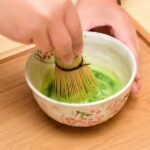
You’ll get a front-row seat to matcha making, and that’s the skill that ties the whole experience together. Seeing the process helps you understand why matcha whisking and serving aren’t just “ritual.” The technique affects foam, texture, and how the tea comes across in the cup.
In plain terms, you’re learning what to pay attention to when you drink. For example, you’ll notice how matcha should look and how it changes as it’s prepared and served. That makes later tastings easier, because you’re no longer guessing which cup is better—you’re comparing with awareness.
This stop also supports a key goal of the tour: expanding your matcha knowledge beyond the standard tourist version. If you care about tea, you’ll likely pick up what people mean when they talk about different matcha varieties, how they behave, and how they’re meant to be enjoyed.
Even if you’re new to matcha, the hands-on nature is useful. You don’t need to be a tea expert to enjoy it. The lesson is built around seeing, tasting, and learning what to look for.
Tasting Sessions Plus Wagashi and Matcha Ice Cream
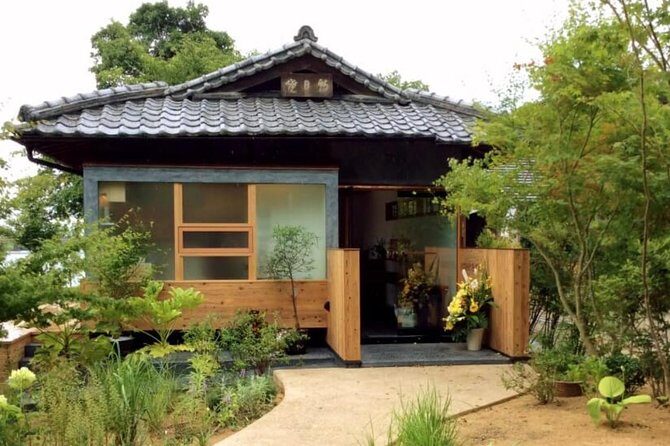
You get more than one taste, and the included items make the tasting meaningful instead of random. The experience includes matcha tasting, plus wagashi sweets and matcha ice cream as part of the day.
Why does that matter? Because matcha isn’t always meant to taste alone. Sweets can change how you perceive the tea—sweetness can soften bitterness, and certain textures can make the tea’s flavor feel smoother or sharper. If you taste matcha only in one form, you miss half the story.
The wagashi element also gives you a sense of how Japanese confectionery is used to balance flavors. You’ll be able to connect the mood of tea time—how the sweetness and the tea are intended to work together.
There’s also a practical side: you don’t have to hunt for desserts or pay extra to fill the gaps. That keeps the tour feeling like a packaged experience rather than a “pay for a walk, then pay again for everything.”


Set Lunch Included: Easy Food Planning in Uji
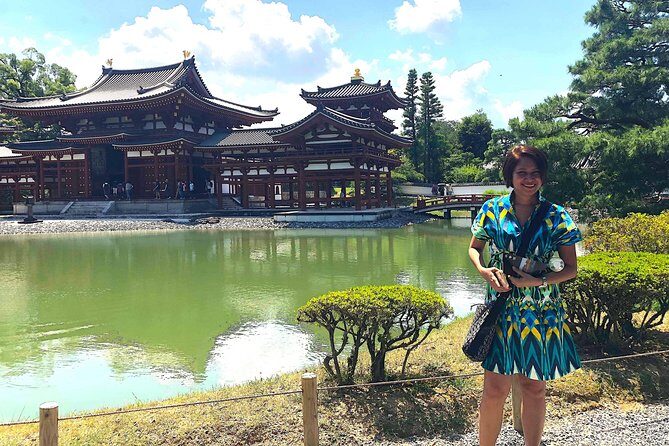
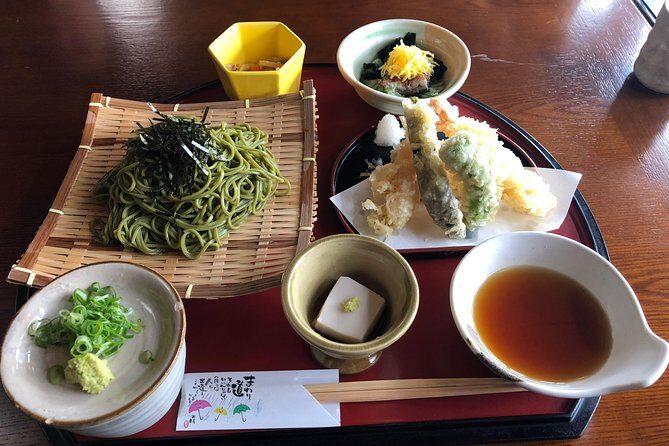
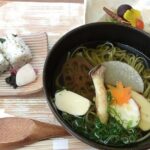
This is one of those tours where food planning is handled for you. A set lunch is included, and you won’t have to bring food or stop mid-tour to figure out what to eat. That’s a real quality-of-life win, especially when you’re sampling multiple teas.
Set lunches in this style are typically designed to complement the rest of the experience. You’ll get a meal that keeps you comfortable while you’re walking and tasting, rather than loading up too heavy and making your palate confused.
One thing to keep in mind: it’s not recommended for vegans and gluten-free diets. The listing says vegetarian friendly, which is helpful if you eat that way, but if your needs are vegan or gluten-free, you should be cautious. You’ll want to confirm what’s included before you go, since the tour doesn’t promise those dietary categories.
If you’re flexible with dairy or eggs and you can handle standard Japanese set-lunch ingredients, you’ll likely find lunch easy and satisfying—and you’ll stay focused on tea instead of menus.
Uji Shrine and Amagasetsuri Bridge: Tea Culture With Scenic Stops
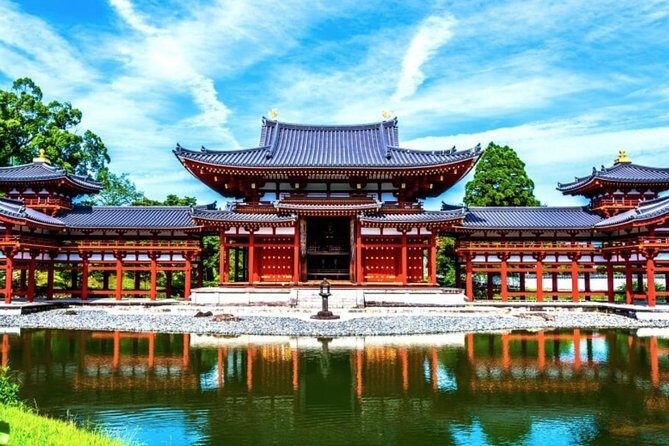
Between tastings, you’ll get a change of scenery. Uji Shrine offers a quiet cultural stop that fits the overall tone of the day. Shrines give you a reset—fresh air, a moment away from shop counters, and context for how tea culture sits inside everyday local life.
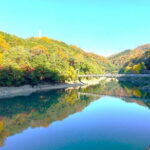
Then there’s Amagasetsuri Bridge, a scenic wooden suspension bridge that crosses over the Uji River. The bridge is a great “breather” stop because it gives you river views and a sense of how the tea shops cluster in the area.
These pauses do more than break up walking. They help you remember that matcha isn’t just a beverage. It’s part of a landscape of daily routines—people walking to shops, visiting shrines, and living near the rivers and routes that make Uji what it is.
If you enjoy photography, this is where you’ll want to slow down and take a couple minutes. Just don’t block foot traffic—those bridges are meant for people moving through.
Byodoin Temple in World Heritage Form: Short Stop, Real Payoff
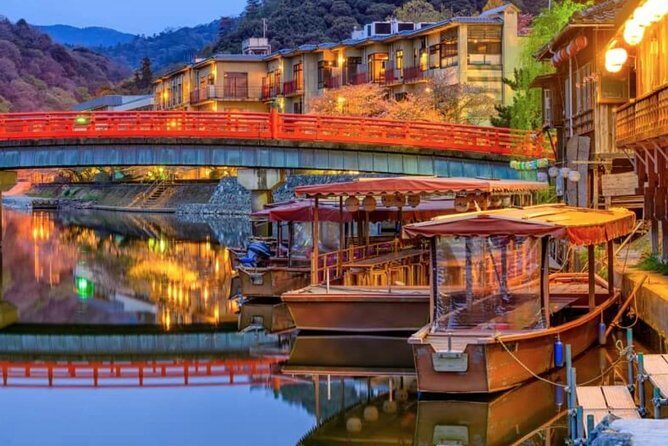
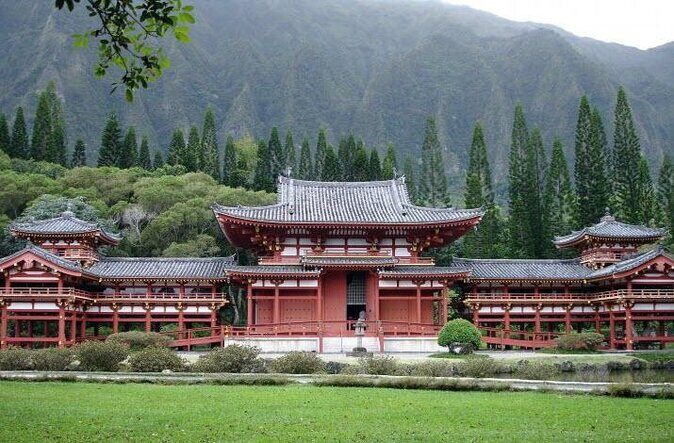
The tour includes a visit to Byodoin Temple, a UNESCO World Heritage site. This is the spiritual and architectural “anchor” for the day, tying your tea learning to a Kyoto-area landmark that’s famous for a reason.
Timing-wise, it’s short—around five minutes at the temple area in the flow of the tour. That’s plenty to see the site, but it’s not meant to replace a longer independent temple visit. Think of it as a guided highlight, not your full Byodoin deep visit.
That short timing is also a trade-off. If you want to sit and absorb architecture for a long time, you might feel a little rushed. The upside is that you’re not dragged into a half-day museum-style schedule. You’re still eating sweets, tasting tea, and learning how to appreciate matcha properly.
After the guided portion ends near the shopping streets in the Byodoin area, you’ll have the chance to linger at your own pace if you want more time.
Price and What $221 Buys You in Uji
At $221 per person, this isn’t a bargain-basement tea walk. You’re paying for a guided, structured experience in a tea-focused region—plus food and hands-on components.
Here’s what you’re getting for the money:
- Tea tastings (not just one sip)
- Matcha making, which adds real value if you want to understand what you’re drinking
- Included sweets like wagashi and matcha ice cream
- A set lunch
- Shop visits plus shopping time
- A World Heritage stop at Byodoin Temple
That mix matters because it turns tea from a “snack” into an actual learning session. If you tried to do this on your own, you’d likely spend time hunting down the right shops, sorting out what’s available, and translating menus and explanations. The guide helps that happen smoothly, especially in small specialty places.
Group size is capped at 10. Smaller groups usually mean more back-and-forth and less waiting around at counters. For a tasting and making-focused experience, that’s a meaningful part of the value.
One more note on planning: transportation costs aren’t included, and there’s no hotel pickup. So your true out-the-door cost depends on how you’re getting to Uji Station.
Who This Tour Fits Best (and Who Should Skip)
This tour is a good fit if you want structured matcha learning without doing the research yourself. You’ll enjoy it if you like food experiences, appreciate guided context, and want a hands-on moment that goes beyond tasting cups.
It’s also family-friendly, with guidance that children must be accompanied by an adult. If you’re traveling with kids, this can be a fun way to show them something cultural that still feels like a treat day.
On the other hand, it may not be a great match if you’re vegan or gluten-free. The tour specifically says not recommended for those diets. You’ll also want to keep the drinking age rule in mind: there’s a minimum drinking age of 21 for the activity, even though the main focus here is tea tasting and included food.
Finally, if you hate short temple stops and prefer slow, independent sightseeing, you may want to pair this with a longer Byodoin visit later. This tour gives a highlight, then moves you back into tea learning and food.
Should You Book the Kyoto Matcha Green Tea Tour?
Book it if you want a matcha day with real structure: tastings, matcha making, sweets, set lunch, and a guided look at Uji’s tea culture—plus a UNESCO site stop. The small group size and the way it handles food for you are big wins.
Think twice if you need vegan or gluten-free meals, because the tour is not recommended for those diets. Also consider whether five minutes at Byodoin Temple feels right for you. If you want a long architectural sit-down, this won’t replace a dedicated temple afternoon.
If your goal is to come away understanding what you’re tasting—and leave with a few tea ideas you can actually use later—this tour is a strong choice for Uji.
FAQ
Where does the tour start?
The tour starts at Uji Station (Otsukata Uji, Kyoto 611-0021, Japan).
What time does the tour begin?
The start time is 11:00 am.
How long is the Kyoto Matcha Green Tea Tour?
The duration is about 3 hours 15 minutes.
What’s included in the matcha experience?
You get matcha tasting, matcha making, wagashi sweets, and matcha ice cream.
Is lunch included?
Yes. A lunch in a restaurant is included as part of the tea experience.
Do I visit Byodoin Temple?
Yes. The tour includes a visit to Byodoin Temple, a UNESCO World Heritage site.
Is the tour good for vegans or gluten-free diets?
It is not recommended for vegans and gluten-free. It is listed as vegetarian friendly.
Is hotel pickup provided?
No. Hotel pickup and drop-off are not included. Transportation costs are also not included.