Uji doesn’t need a car to impress. This 3-hour walking tour strings together the big Uji hits: the UNESCO Byodoin Temple, the Taihoan tea ceremony (tied to the birthplace of Japan’s green tea), and quiet shrine stops plus bridge views.
Two things I really like are the small-group feel (max 9) and the way the guide connects each stop to the next, so you don’t just look at photos. One possible drawback: it’s weather-dependent, and you do a fair amount of walking over a short time.
The payoff is practical and cultural: you’ll leave knowing why matcha and green tea culture matter here, not just how to order it in Kyoto.
In This Review
- Key points at a glance
- Getting to the tour: Uji Station to Uji Bridge
- Why Byodoin Temple is the anchor stop
- Taihoan tea ceremony: learning the green tea roots
- Asagiri and Tachibara suspension bridges for photos and breath
- Uji Shrine and Ujigami Shrine: quiet, sacred stops
- Uji Bridge finish: green tea and local treats
- The guides make the difference (and they bring names)
- Price and value: $70 isn’t just for walking
- Small group pacing: 3 hours that actually feel doable
- Weather, footwear, and timing: what to plan for
- Who this tour is perfect for
- Should you book the Uji Tea Ceremony and UNESCO Heritage Walk?
- FAQ
- Where does the tour start?
- Where does the tour end?
- How long is the Uji tea ceremony and UNESCO heritage walking tour?
- How much does the tour cost?
- What’s included in the price?
- What is not included?
- How many people are in the group?
- Is the tea ceremony ticket included?
- Do I need to bring tickets?
- What happens if the weather is bad?
Key points at a glance

- UNESCO Byodoin Temple with admission included, including time around the Phoenix Hall area
- Taihoan tea ceremony on the schedule with the tea-experience ticket included
- Small group size (max 9) that makes questions and pacing easier
- Scenic photo breaks at Asagiri and Tachibara suspension bridges
- Shrine calm at Uji Shrine and Ujigami Shrine before the final Uji Bridge stop
- Good value at $70 when you total the included entrance fees and tea ceremony time
Getting to the tour: Uji Station to Uji Bridge

I like meeting in the morning at Uji Station. It’s straightforward, and it keeps the trip simple if you’re already based in Kyoto and want to do Uji as a day add-on. The start time is listed as 9:45 am, and the route ends at Uji Bridge (Otsukata Uji), which is handy if you want to keep wandering after the tour without backtracking.
This is also a group tour with a cap of 9 travelers, so it doesn’t feel like you’re being swept along by a sea of people. You’ll also have an English-speaking guide and a mobile ticket, so you’re not digging through paper confirmations at the last second.
One more practical note: the tour is near public transportation, and it’s marked as suitable for most travelers. Still, it’s a walking itinerary. If you’re the type who needs frequent breaks, plan on taking them when the schedule pauses at bridges and shrines.
A few more Uji tours and experiences worth a look
Why Byodoin Temple is the anchor stop

The tour’s first big win is Byodoin Temple, a UNESCO World Heritage Site. You spend about an hour here, focused on the area around the famous Phoenix Hall. The schedule specifically calls out the Phoenix Hall’s age—over 1,000 years of history—which gives you a sense of scale fast.
Here’s what’s most valuable for your visit: the guide frames what you’re seeing so it clicks. Byodoin isn’t just a pretty temple stop. It’s one of the places where Japanese architecture and religious history overlap in a way you can actually notice in person.
If you’re curious about learning, you may find time to look around the Byodoin Museum area during your temple time. A guide-led look helps you understand what you’re reading and why the objects and rooms matter.
What to watch for: this is the first major landmark, so you’ll want comfortable shoes and a quick breakfast beforehand. You’re starting your day of walking here, not later.
Taihoan tea ceremony: learning the green tea roots
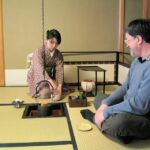
Next comes Taihoan, described as the birthplace of Japan’s green tea. The tone here shifts from monuments to ritual. You’ll do a tea ceremony with time set aside for the experience: the listing includes 30 minutes of tea ceremony, while the itinerary block shows 40 minutes at Taihoan. Either way, the point is the same—you get structured time to participate and learn.
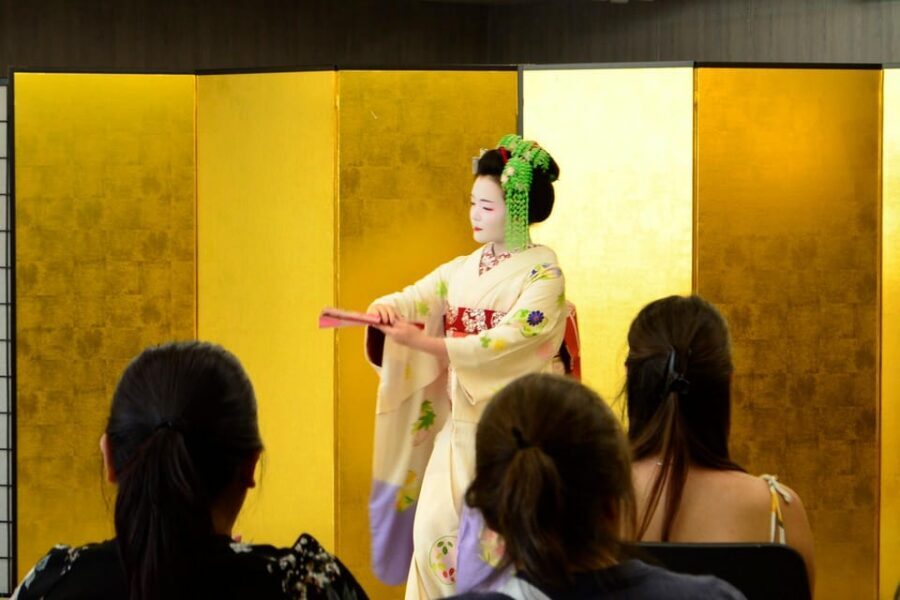
This part is great if you’ve ever tasted matcha and wondered what separates plain green tea from a full ceremonial experience. You’re not just watching. You’re learning the steps and the meaning behind them: how tea is prepared, why the ritual is paced the way it is, and how hospitality is expressed through small actions.
One detail that stands out from guide feedback: the ceremony is often a favorite moment for families too, especially when the guide can translate the cultural logic into everyday language. If you’re traveling with kids, this is one of the few stops that turns history into something you can feel with your senses.
Possible drawback: the tea ceremony time isn’t long by design. If you were hoping for a full half-day tea workshop, this will feel shorter. But if your goal is to sample the tradition and connect it to Uji’s story, it’s a strong fit.
Asagiri and Tachibara suspension bridges for photos and breath

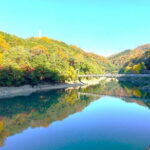
After tea, you get a breather: Asagiri Bridge plus the Tachibara and Asagiri suspension bridge viewpoints. The stop is about 15 minutes, and it’s a break from “indoors, look, listen” into outdoor scenery.
This is where you’ll notice why Uji became a tea center in the first place. Water, river corridors, and the gentle geography make it easy to imagine agriculture and processing over centuries. You’ll also get quick photo moments—exactly the kind you can’t fully recreate if you just pass through by train.
Don’t over-schedule right after this. If you’re taking photos, it’s easy to lose track of time. The short schedule is intentional, keeping the day moving toward the shrines and your final food-and-tea finish.
Uji Shrine and Ujigami Shrine: quiet, sacred stops

Then the walk turns quieter at Ujikami Shrine (and also Uji Shrine). The time here is about 20 minutes, so it’s not rushed in the way some big tours cram shrines into a 5-minute photo sprint.
What I like about including shrine stops is that they slow you down. After the grandeur of Byodoin and the structured ritual of the tea ceremony, the shrine atmosphere helps reset your attention. You’re in a calmer setting where details matter more than spectacle.
If you’re into cultural context, this portion tends to be where the guide’s explanations land. You’ll learn the cultural significance and how these places connect to the broader Uji setting—religion, tradition, and daily life threaded together.
Practical tip: if you’re sensitive to heat or cold, this is a good chunk to dress with layers. You’ll be outside for short stretches, and the schedule doesn’t promise extra indoor shelter.
A few more Uji tours and experiences worth a look



Uji Bridge finish: green tea and local treats

The tour ends at Uji Bridge with about 45 minutes. The plan here is to experience the local area and wrap up with Uji’s green tea and local delicacies.
This is the stop that makes the whole outing feel worth it. You’ve learned why Uji matters; now you taste and see the town’s food culture up close. The listing frames this as an experience-style tasting finish, but keep in mind that personal expenses aren’t included. So if you’re ordering beyond what’s part of the tour’s plan, you’ll be paying as needed.
Also, ending at Uji Bridge is convenient. You’re not sent back to the station and left to fend for yourself. You’ve got a natural place to continue exploring, grab something extra, or simply relax by the water.
The guides make the difference (and they bring names)

The biggest repeat theme here is that the guide quality drives the experience. Different guides lead the tour, and names like Naoki, Nobumasa Myake, Maru, and Katsuhiko show up in guide-led experiences with consistent praise: friendly, very good at explaining details, and willing to help you see what matters.
I love tours where the guide doesn’t just read facts. On this route, the explanations are the glue: why Byodoin’s features matter, how the tea ceremony fits into Uji’s identity, and what to notice during the bridge and shrine stops.
Another practical benefit from this style of guiding: after the tour, you often get suggestions for where to try matcha next. That’s useful because Uji has more than one kind of matcha experience, and having a local recommendation saves you from guesswork.
Price and value: $70 isn’t just for walking

At $70 per person, this tour looks simple on paper—three hours, a few stops, a tea ceremony. But the value is real because key costs are baked in.
Here’s what’s included:
- English-speaking guide
- Tea ceremony time (listed as 30 minutes)
- Entrance fees to Byodo-in
Then you get the rest of the day as built-in context: bridges, two shrine visits, and the Uji Bridge wrap-up with green tea and local treats as part of the experience. The structure matters. When you pay for a guide, you’re buying clarity and pacing, not just admission tickets.
What’s not included:
- Personal expenses
- Hotel pick up and drop off
So if you’re traveling from Kyoto, you’ll need to handle your own transport to Uji Station. But that’s also what makes it good value. You’re not paying for transfers you can do quickly on your own.
If you like bargain math: this price makes the most sense when you’re also interested in the UNESCO temple and the tea ceremony. If you only want one of those, consider whether you’d rather do it independently.
Small group pacing: 3 hours that actually feel doable
One quiet detail that improves your day: maximum 9 travelers. In a group this size, the guide can slow down when someone needs a question answered or when a stop has more detail than you expect.
The pacing is also built around short, focused chunks:
- about an hour at Byodoin
- about 30 minutes of ceremony time
- 15 minutes at the suspension bridge viewpoint
- 20 minutes at the shrine area
- 45 minutes to finish at Uji Bridge
That’s a lot to fit in, but it’s structured. If you’re the kind of traveler who gets cranky when tours run late, this schedule style is a plus.
Weather, footwear, and timing: what to plan for
The tour requires good weather. If conditions are poor, you’ll be offered a different date or a full refund. That’s important because Uji’s route includes outdoor bridge and shrine areas.
For planning, I’d treat this like a morning walking experience that goes outdoors even if some stops are covered:
- wear comfortable shoes you can stand in
- bring a light layer for morning-to-midday temperature shifts
- consider rain gear if the forecast looks suspicious
Start time at 9:45 am also helps. You often get better light for temple areas and fewer crowds than later in the day.
Who this tour is perfect for
This one fits best if you want a tightly organized cultural day without turning it into a checklist sprint.
You’ll likely enjoy it if:
- you’re doing Kyoto and want a real side trip to Uji
- you care about tea culture and want more than a generic matcha tasting
- you like UNESCO sites but prefer them explained, not just photographed
- you travel with family and want a mix of history and hands-on learning from the tea ceremony
It’s also a smart choice if you’re meeting your day with curiosity and leaving with practical next steps. The guide style (as highlighted by multiple guide names) tends to translate well into tips for what to do after the tour.
Should you book the Uji Tea Ceremony and UNESCO Heritage Walk?
I’d book it if you want a guided day where Uji’s story makes sense. The combination of Byodoin Temple (UNESCO), Taihoan tea ceremony, scenic bridge views, and shrine atmosphere hits the right mix of history, ritual, and local flavor.
Skip it only if you’re looking for a longer, deeper tea workshop, or if you hate walking short distances between multiple stops. Also, if weather is a big risk for your dates, keep your schedule flexible since the tour can be weather-cancelled.
If you like small groups and guides who can explain what you’re seeing, this is a strong value at $70 and a very efficient way to experience Uji beyond the usual Kyoto circuit.
FAQ
Where does the tour start?
The tour starts at Uji Station (611-0021 Kyoto, Uji, Uji Uromachi 1716). It begins at 9:45 am.
Where does the tour end?
The tour ends at Uji Bridge, Otsukata Uji, Kyoto 611-0021, Japan.
How long is the Uji tea ceremony and UNESCO heritage walking tour?
It’s about 3 hours (approx.).
How much does the tour cost?
The price is $70.00 per person.
What’s included in the price?
Included are an English-speaking guide, entrance fees to Byodo-in, and the tea ceremony time (listed as 30 minutes).
What is not included?
Personal expenses are not included, and hotel pick up and drop off are not included.
How many people are in the group?
The maximum group size is 9 travelers.
Is the tea ceremony ticket included?
Yes. The tour includes admission ticket(s) for the tea ceremony at Taihoan.
Do I need to bring tickets?
You’ll receive a mobile ticket, and confirmation is received at the time of booking.
What happens if the weather is bad?
This experience requires good weather. If it’s canceled due to poor weather, you’ll be offered a different date or a full refund. You can also cancel for a full refund up to 24 hours in advance of the experience’s start time.