Matcha has its own gravity in Uji.
This Kyoto tea town walking experience links tea culture with real places: shrines, historic tea shops, tea fields, tea houses, and a traditional tea ceremony. You also get hands-on matcha time, plus a lunch built around tea dishes—so it’s not just sightseeing.
I really like two things here. I love the small group size, which makes it easy to ask questions and keep a relaxed pace for the 5 to 5.5 hours. And I love that the day mixes taste + hands-on practice, from specialty matcha snacks to making and experiencing matcha properly.
One thing to consider: you’ll be walking in real outdoor conditions. In hot or humid weather, the route can feel long, so bring water and plan for a steady pace.
In This Review
- Key highlights you’ll care about
- Why Uji Is the Matcha Day Trip You’ll Actually Enjoy
- Meeting at Uji Station and Walking With a Max-7 Group
- Stop 1: Uji Shrine and the Local Water Connection
- Stop 2: Tsuen Main Branch and Matcha Rice Cake Skewers
- Tea Houses, Tea Fields, and How the Day Builds From Plant to Practice
- Lunch at a Tea House: Tea Dishes That Keep You Comfortable
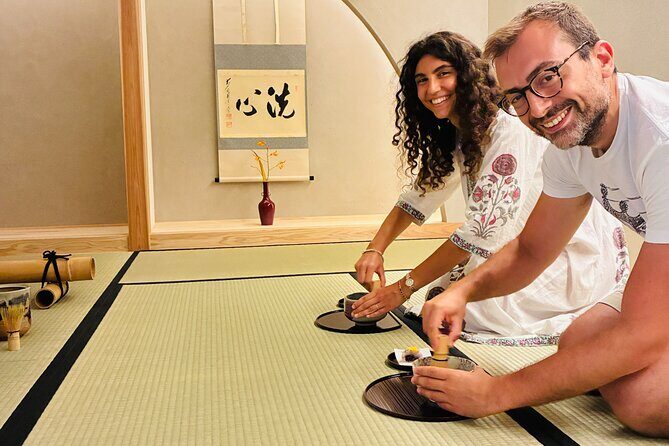
- The Traditional Tea Ceremony: What You’re Really Learning
- Taste Like a Pro: Getting More Out of Matcha Sweets and Tea
- Price and Value for a $157.65 Matcha Day
- Who Should Book This Tour (and Who Might Skip It)
- Should You Book This Kyoto Tea Town for Matcha Lovers?
- FAQ
- How long is the Kyoto tea town matcha tour?
- Where does the tour start?
- What’s the tour price per person?
- How many people are in the group?
- Is there an admission cost for the shrine stop?
- What food and tea experiences are included?
- What level of walking should I expect?
Key highlights you’ll care about
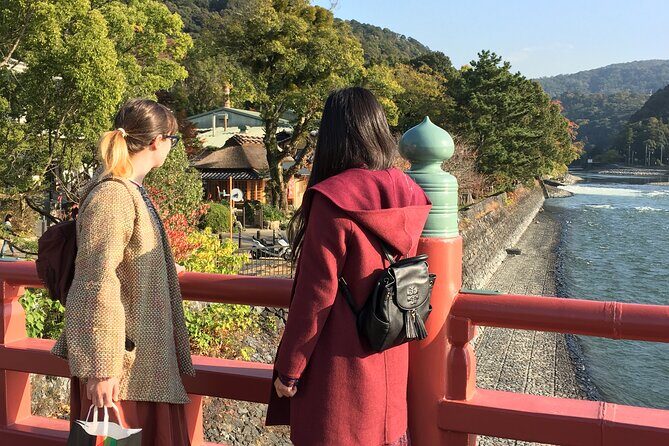
- Small group (max 7), so the tea ceremony and tastings feel personal instead of rushed.
- Uji Shrine stop with free admission, connecting the tea story to local sacred history.
- Tsuen Main Branch visit at a tea shop with an 850+ year pedigree, plus matcha rice cake skewers.
- Hands-on matcha-making time, including grinding matcha using a traditional mill setup.
- Lunch at a tea house with tea dishes that keep you fueled for the afternoon.
- Traditional tea ceremony after lunch, guided inside a traditional tea house setting.
Why Uji Is the Matcha Day Trip You’ll Actually Enjoy
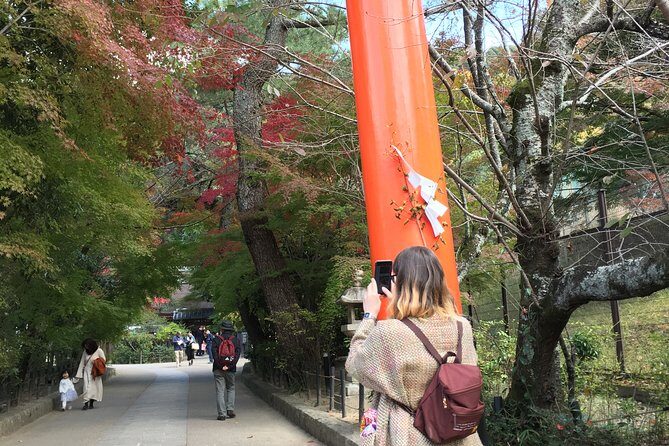
Uji sits just beyond Kyoto, but it feels like its own world. If Kyoto is your “temples and streets” base, Uji is your “tea town” focus. It’s known for green tea culture, and the area’s sacred and historical sites help explain why tea matters here—not just as a drink, but as a daily ritual and a craft.
What I like about this kind of Uji experience is that it doesn’t treat matcha as a souvenir. You’re not only tasting sweets. You’re learning how tea culture grew in this region, how tea ceremony thinking works, and how Uji’s tea scene connects to place. The whole day is built around that idea: taste the food, then understand the why.
And the tour format matters. Five hours is long enough to feel like you left with something real. It’s short enough that you’re not done with your day by mid-afternoon.
A few more Uji tours and experiences worth a look

Meeting at Uji Station and Walking With a Max-7 Group
You start at Uji Station in the morning (the listed start time is 9:30 am), and the tour ends back at the meeting point. Expect about 5 to 5.5 hours, with stops along the way.
The max group size of 7 travelers is a big deal here. You’ll get more back-and-forth with the guide, and you’ll likely move at a pace that feels human instead of factory-like. This is especially helpful during tastings and the tea ceremony part, where questions and slower moments make the experience better.
Practical tip: wear comfortable shoes. Uji is very walkable, but you’re still on your feet for a chunk of the day. If you’re traveling in summer, treat this as a warm-weather walk: hydrate early, and don’t plan to “save energy” for later.
Stop 1: Uji Shrine and the Local Water Connection
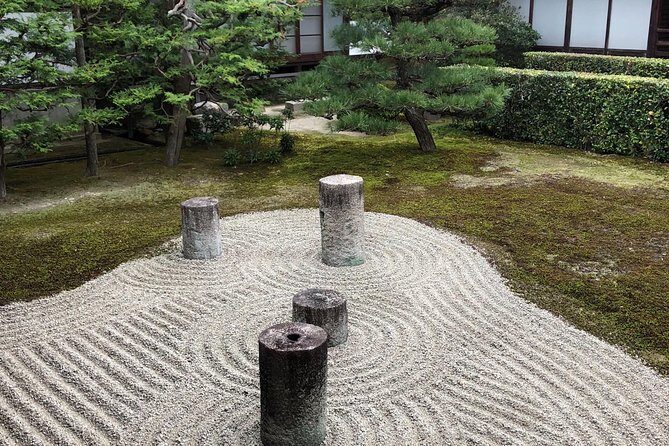
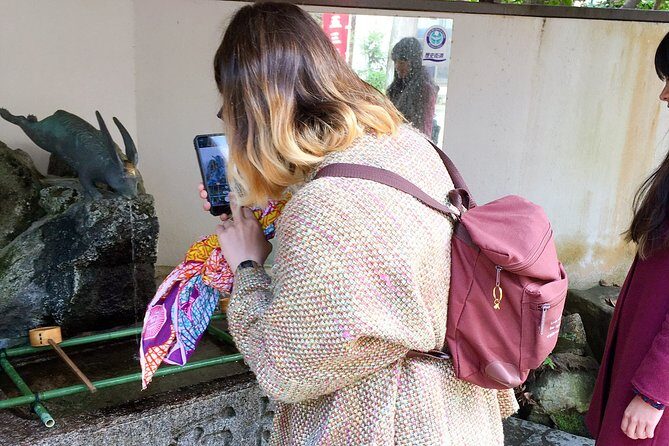
The first stop is Uji Shrine, with free admission. This isn’t just a quick photo moment. The tour frames the shrine within Uji’s broader identity, including the idea that Uji is tied to one of the region’s best waters.
Why this matters for matcha lovers: water, tea cultivation, and preparation all influence taste. A tour that starts with a shrine and local water context sets you up to understand matcha as something tied to the land and practices, not only to modern cafes.
Even if you’re not a big temple/shrine person, this stop gives you grounding. You get a sense of why Uji has the calm, traditional feeling it’s famous for. It also helps you shift from Kyoto tourist mode into Uji tea mode.
Stop 2: Tsuen Main Branch and Matcha Rice Cake Skewers

Next up is Tsuen Main Branch, one of Uji’s long-running tea shops, described as 850+ years old. This is where the day turns into snacks-with-meaning.
You’ll have a chance to taste matcha rice cake skewers made with pure, rich matcha powder. This is exactly the kind of stop that helps you “read” matcha flavor instead of only guessing. You can compare texture, sweetness, and how matcha bitterness behaves when it’s cooked into a dish.
A practical note: when you’re doing matcha tastings, your senses get sharper as you go. After the first bite, start paying attention to what feels more like grassiness and what feels more like sweetness or toastiness. Later, during the tea ceremony portion, you’ll have a better sense of what the whisk is doing.
Tea Houses, Tea Fields, and How the Day Builds From Plant to Practice
After the early shrine and shop stops, the tour shifts into the heart of Uji tea life. You’ll spend time seeing tea areas like tea fields and visiting tea houses. The goal isn’t only to show pretty spots. It’s to connect growing and processing with the tea ceremony ideas you’ll experience later.
You’ll also be introduced to the origins of tea and the art of tea ceremony through on-the-ground storytelling. This is where the small-group format helps, because you can ask specific questions when something clicks for you.
One hands-on moment many people remember from this tour is making your own matcha. In practice, this often includes grinding matcha using a traditional mill setup. That step changes how you taste. Freshly ground matcha feels smoother and more aromatic than powder from a jar, and it teaches you why ceremonial matcha is treated differently.
If you’re the type who likes food experiences with real technique, this part is the glue that holds the day together.



Lunch at a Tea House: Tea Dishes That Keep You Comfortable
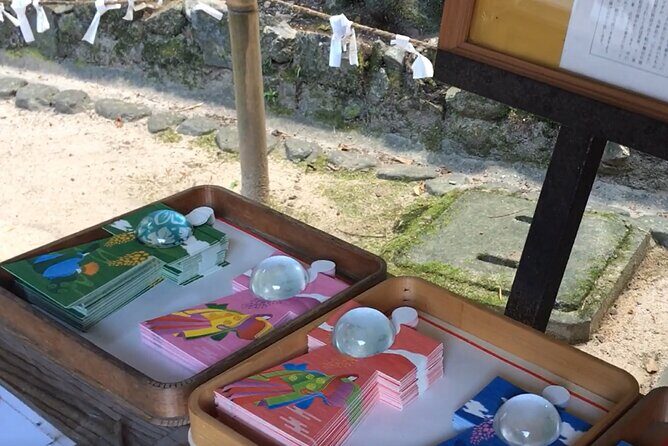
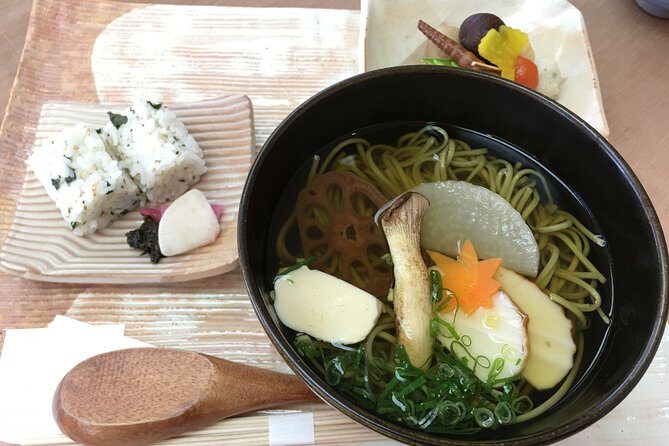
Lunch is served at a famous tea house, and you’ll have tea dishes. This matters more than it sounds. When your afternoon includes an actual tea ceremony, you don’t want your stomach empty or your energy flat.
Lunch here is part of the tea experience, not a separate break. You’ll likely notice flavors designed to pair with tea rather than overpower it. It also helps you slow down—walks and tastings are fun, but lunch is where your brain stops sprinting.
Practical tip: go easy on extra sweets in the morning. Save your appetite for lunch and for whatever matcha experience comes after, so you can taste with less “sugar fog.”
The Traditional Tea Ceremony: What You’re Really Learning
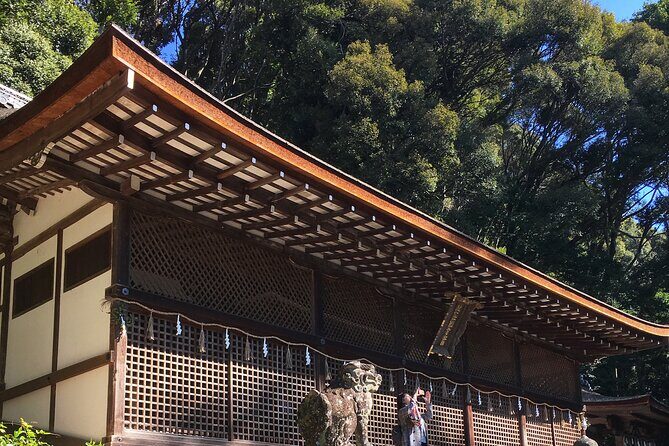
After lunch, you get to experience an authentic Japanese tea ceremony at a traditional tea house. This is often the highlight for people who love matcha, because it turns flavors into ritual and technique.
In a tea ceremony setting, you pay attention to actions: how tea is prepared, how it’s presented, and how you taste without rushing. It’s not about performing for photos. The point is learning the structure of the experience—so matcha becomes something you understand, not just something you consume.
If you’re curious about the culture, this is where the origin stories and ceremony background start to make sense. You’ll likely notice how the ceremony explains why matcha powder is treated with care and how the tasting style changes what you notice in the cup.
And if you’re traveling with family or friends, the ceremony format works well for groups because it naturally slows the day down. That pause is part of the value.
Taste Like a Pro: Getting More Out of Matcha Sweets and Tea
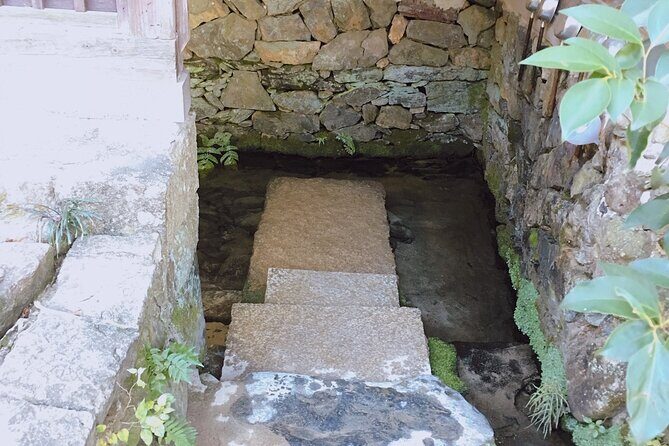
Matcha is tricky because it can taste different depending on prep and pairing. Here’s how to make your tasting day more useful:
- Start with the savory-ish items (like matcha rice cake skewers) to understand base matcha flavor without heavy sweetness.
- Notice bitterness levels. Matcha can go grassy, to nutty, or to sweeter depending on the dish.
- During the ceremony, taste with smaller sips. It helps you notice texture—especially the smoothness you get from freshly ground powder.
If you like shopping, you may also have time to visit or browse historic tea shops during the walk. A guide like Terumi (often listed as the host for this experience) tends to be patient and happy to answer questions, and you might find she offers extra help if language or product names get confusing.
Price and Value for a $157.65 Matcha Day
The price is listed at $157.65 per person for a 5 to 5.5 hour experience in Uji. That’s not cheap. But it can be fair value if you compare it to what’s included: multiple tastings, lunch with tea dishes, and an actual tea ceremony experience inside a traditional tea house—plus guiding and a route that links shrines, tea shops, and tea fields.
The small group size (max 7) also shifts the value. You’re paying partly for access and attention, not only for “time with a guide.” If you’ve ever tried to do Uji matcha shopping and ceremony on your own, you know it can become random fast. This tour gives you a structured order, so you’re not chasing information across town.
Is it a good deal for everyone? If you only want a quick matcha drink and one cookie, no. If you want matcha plus technique plus tea culture context, it makes more sense.
Who Should Book This Tour (and Who Might Skip It)
This is ideal for:
- Matcha lovers who want more than a café stop.
- People who enjoy food + culture together, especially when the culture includes real hands-on practice.
- Families or mixed-age groups who want a guided day that doesn’t move too fast (still expect walking).
You might consider a different option if:
- You hate walking or you’re sensitive to heat.
- You want a fully free-form day with no scheduled tea ceremony time.
The tour’s moderate physical fitness note is real. This isn’t an all-day trek, but it’s also not a sit-down-only experience.
Should You Book This Kyoto Tea Town for Matcha Lovers?
If you’re serious about matcha, I’d book it. The combination of historic Uji stops, tastings, tea-dish lunch, and an actual tea ceremony gives you a full arc to the day. Add in the small group size and the chance to try matcha-making steps, and it stops being a generic “walk and snack” tour.
I’d book soon if this is your style. This one is commonly reserved about two months in advance, so your date choices can shrink.
FAQ
How long is the Kyoto tea town matcha tour?
It runs about 5 hours to 5 hours 30 minutes.
Where does the tour start?
The start point is Uji Station (Kyoto, Uji area). The tour ends back at the meeting point.
What’s the tour price per person?
The listed price is $157.65 per person.
How many people are in the group?
The maximum group size is 7 travelers.
Is there an admission cost for the shrine stop?
The Uji Shrine stop lists free admission.
What food and tea experiences are included?
You’ll taste matcha snacks (including matcha rice cake skewers at Tsuen Main Branch), stop for lunch with tea dishes, and participate in an authentic Japanese tea ceremony at a traditional tea house.
What level of walking should I expect?
The activity says moderate physical fitness is recommended, since it involves walking around Uji for most of the tour.