Uji feels quiet, even on a tight schedule. This 3-hour guided walk strings together Uji’s big-name spiritual sites and its tea culture, from UNESCO-listed Byodoin Temple to a traditional ceremony at Taihoan. You also get scenic crossings over the Tachibara and Asagiri suspension bridges, then finish by Uji Bridge with local treats.
I especially like two things about this tour: the small group size (up to 9) keeps the pace calm, and the tea stop at Taihoan is timed so it feels like a real experience, not a quick photo op. Names like Yuko and Miyake-san come up in guide feedback for clear, friendly English and thoughtful cultural explanations, which makes the day easier to follow.
One consideration: the tea ceremony is conducted in Japanese, with translation from your guide, and photos/videos aren’t allowed during the ceremony. If you’re hoping to record everything, plan to enjoy it with your eyes and ears instead.
In This Review
- Key highlights that make this walk worth it
- Getting your bearings: Uji in just 3 hours
- Byodoin Temple: UNESCO viewing that actually makes sense
- Taihoan tea ceremony: what you’ll do and why the rules matter
- Tachibara and Asagiri bridges: short walks, strong views
- Uji Shrine and Ujigami Shrine: Shinto pairs that add balance
- Uji Bridge and local snacks: tasting the day you just learned
- Price and value: is $66 for 3 hours fair?
- Who should book this tour, and who should skip it
- Should you book the Uji UNESCO and Tea Ceremony Walking Tour?
- FAQ
- Where is the meeting point?
- How long is the tour?
- What is the group size?
- Is the guide available in English?
- How long is the tea ceremony?
- Are entrance fees included for Byodoin Temple?
- Can I take photos or record videos during the tea ceremony?
- What language is the tea ceremony in?
- What should I bring?
- Is the tour refundable if my plans change?
Key highlights that make this walk worth it
- Byodoin Temple under a guided lens: UNESCO site viewing with context, not just staring at buildings
- Taihoan tea ceremony: you’ll learn the ritual rules and meaning, plus what’s happening with the tea itself
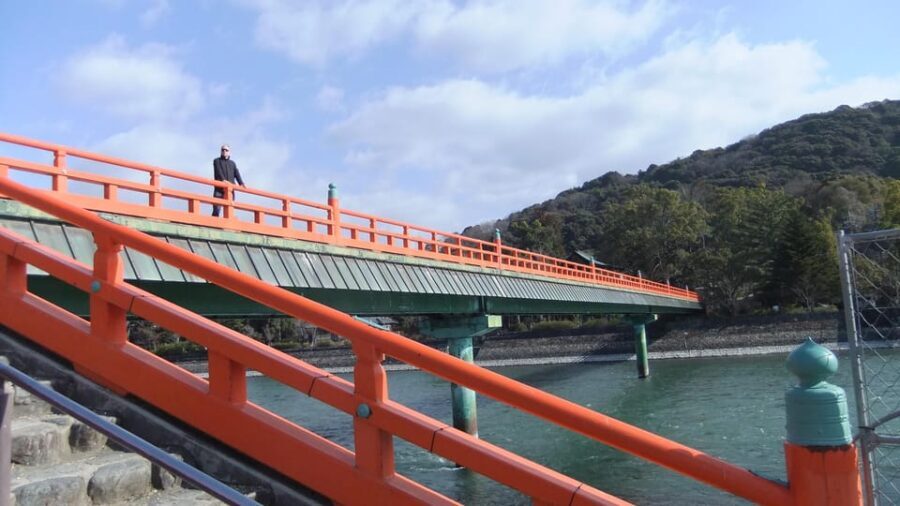
- Tachibara and Asagiri suspension bridges: quick crossings with standout views over Uji’s river-and-hill setting
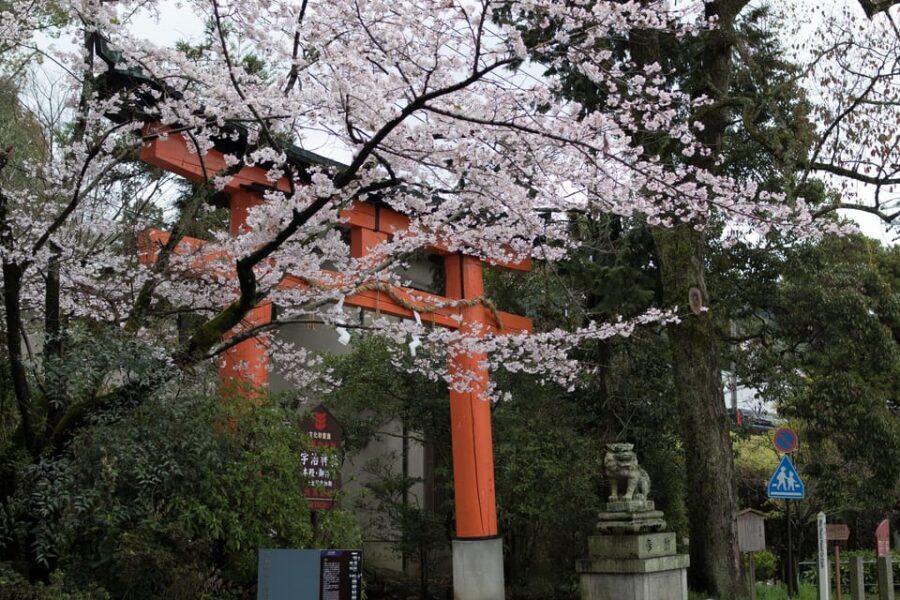
- Uji Shrine and Ujigami Shrine: a Shinto pairing that adds local religious texture to the day
- Local snacks near Uji Bridge: a practical ending that ties tea culture to what people actually eat
Getting your bearings: Uji in just 3 hours
Uji is one of those places where you can feel the difference between “passing through” and “understanding the rhythm.” This tour starts at JR Uji Station (South Exit), so you’re not hunting for a meeting point in the wrong alley. Your guide will be there in a TripGuru shirt or holding a TripGuru sign, which saves time when you’re arriving in Japan and still getting your bearings.
The schedule is built for walking, with short, purposeful segments between stops. That matters because Uji’s most famous sights are close enough to combine, but you still want guidance so the day doesn’t turn into guesswork. With a small group of up to 9, you also get fewer bottlenecks at temple approaches and shrine paths.
If you like to move with a plan, you’ll appreciate the flow: temple first, tea ceremony next, then bridges and shrines, ending near Uji Bridge. And if your timing is tight, arriving about 10 minutes early is smart so you’re not rushed before the tour begins.
A few more Uji tours and experiences worth a look

Byodoin Temple: UNESCO viewing that actually makes sense
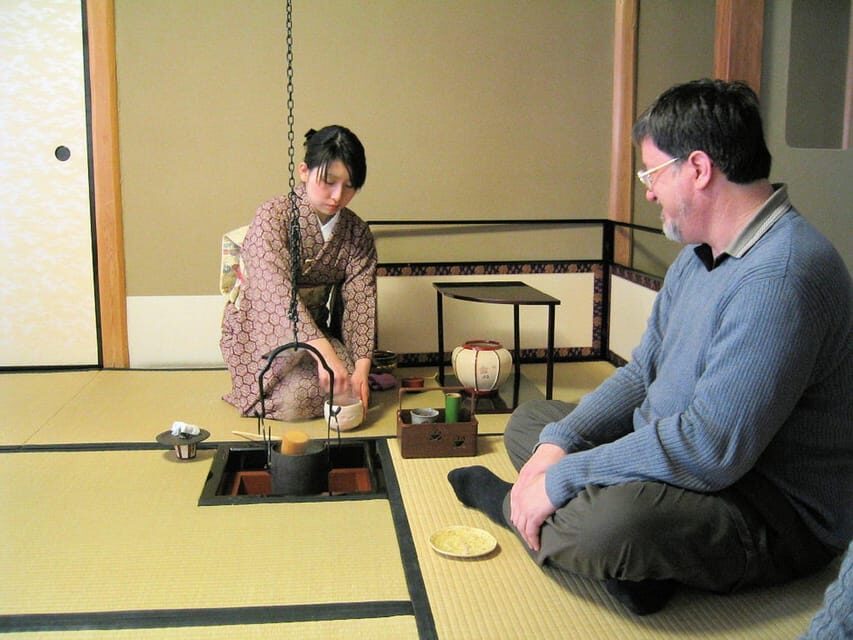
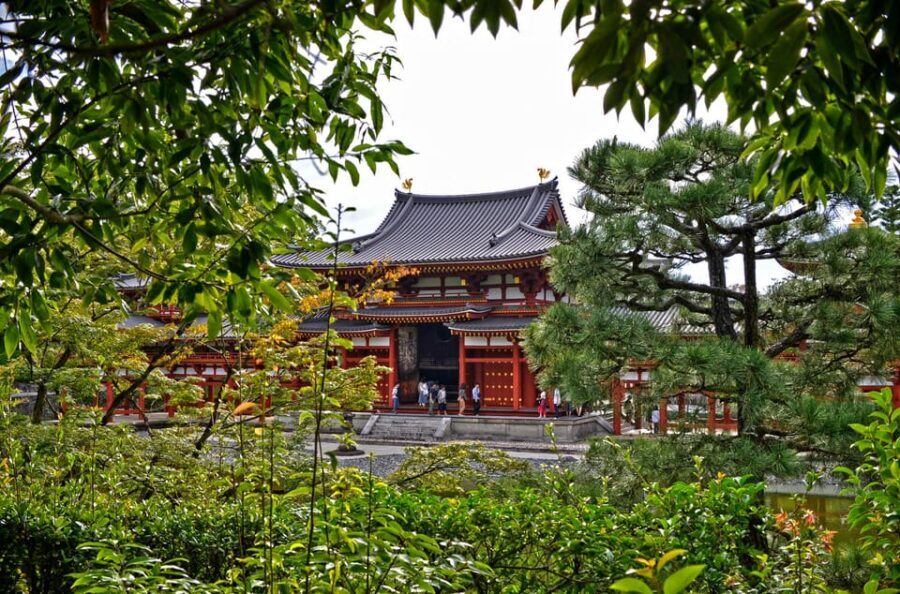
Byodoin Temple is the main reason many people come to Uji, and this tour gives it the time it deserves. You’ll visit with a guided explanation and spend about 50 minutes on-site. That’s a good length: long enough to understand what you’re seeing, not so long that you start checking your watch.
What makes Byodoin special is the way the architecture and layout work together as a spiritual statement. You’ll want to look at details, but not get lost in trivia. A good guide helps you notice why certain features matter—how the space is designed for reflection, and how the temple’s reputation ties into Uji’s broader identity.
One practical note: entry fees for Byodoin are included, so you won’t be digging for cash at the gate. That’s one less chore, and it keeps the morning smooth.
If you’ve never visited a major temple before, this is also a good starter site. You’ll learn what to watch for and how to behave, so your next shrine visit feels easier instead of like a second learning curve.
Taihoan tea ceremony: what you’ll do and why the rules matter
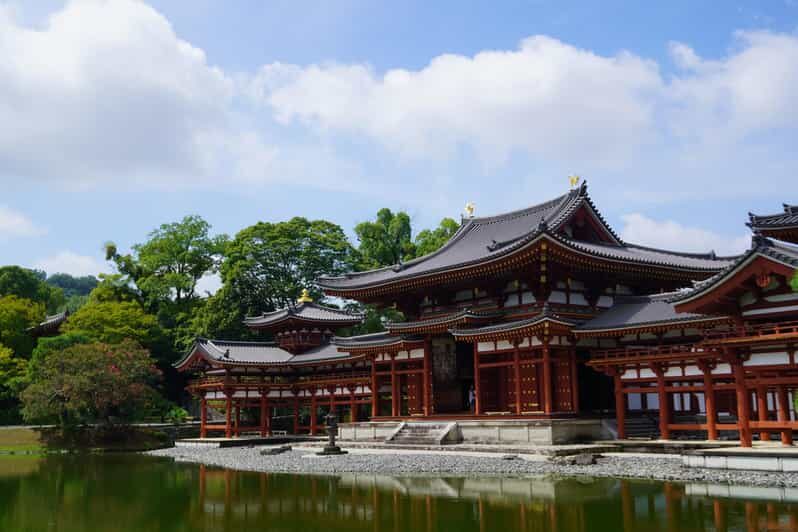
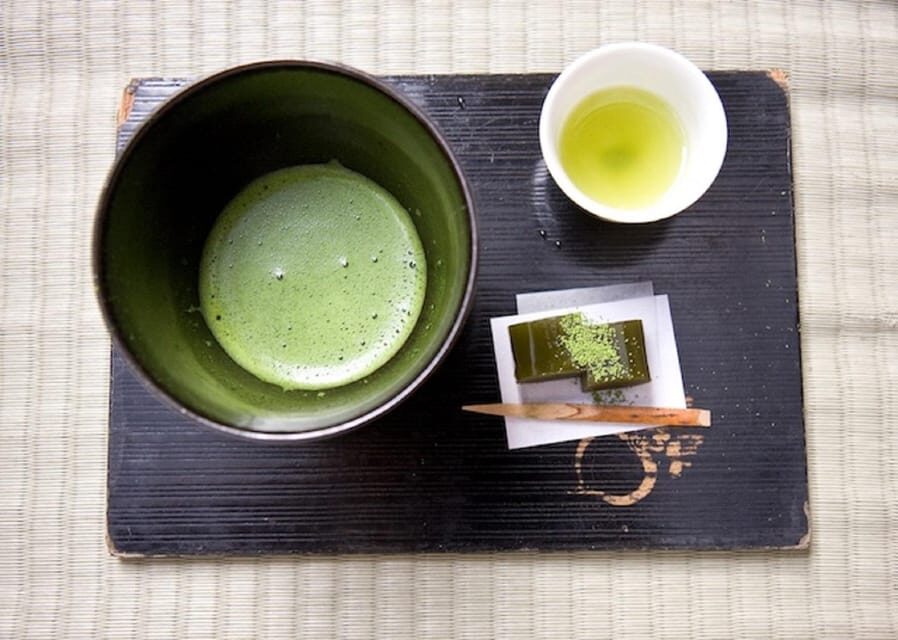
The tea ceremony at Taihoan is the heart of the cultural side of this tour. Expect about 30 minutes in the ceremony itself, with your guide translating for you. Taihoan is known as the birthplace location for tea culture in this context, so you’re not just trying a drink—you’re learning how people frame tea as a ritual.
Here’s what I think makes this stop feel “worth it” rather than staged: the ceremony has structure, and your guide prepares you for it. You’ll learn how to sit, when to observe, and how the host treats each step with intention. That also explains why the ceremony has strict restrictions on recording.
And yes, the rules are real: no photo or video recording during the tea ceremony. Plus, the ceremony is conducted in Japanese only. Your guide will translate, but you’ll still be asked to focus on the host’s rhythm. If you keep that expectation, you’ll get more out of it than if you try to multitask with your phone.
If you enjoy food rituals—anything from cooking classes to tastings—this will click. The ceremony turns matcha from a souvenir into a practice you can feel. When your group is small, the host can move at a calm pace, and you’re less likely to feel like you’re in a crowd.
Tachibara and Asagiri bridges: short walks, strong views
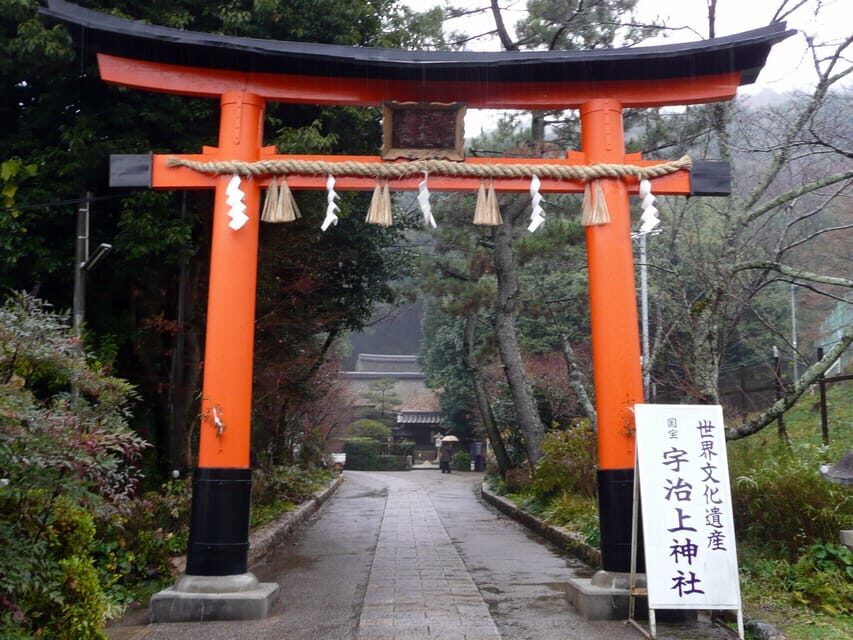
After the tea stop, the tour shifts gears into movement and scenery. You’ll take a scenic walk (around 10 minutes) and cross the Tachibara and Asagiri suspension bridges, which are the kind of walkable landmarks that make people remember the day.
Why bridges on a cultural tour work so well: you get a change of mood. Temples and shrines are about looking inward; bridges are about looking outward. The views help your brain reset, and the quick crossing gives you a moment of space without turning the day into a long hike.
A practical tip: suspension bridges can sway a bit, so wear shoes with real grip. Also, keep your camera ready for everything outside the tea ceremony. You’ll want photos of the bridge angles and the Uji setting, and you’ll get those chances here.
Uji Shrine and Ujigami Shrine: Shinto pairs that add balance
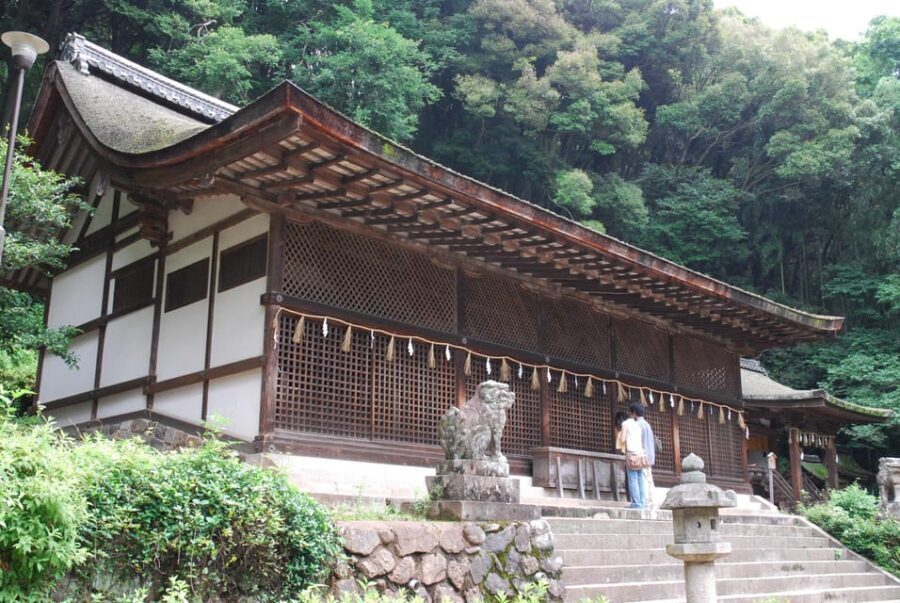
The tour continues with two shrine visits: Uji Shrine and Ujigami Shrine. You’ll spend guided time at each—about 20 minutes each—so it’s not rushed, but it also doesn’t drag.
This part of the day is valuable because it balances the Buddhist side of Byodoin with Shinto practice. Even if you’ve read about Shintoism and Buddhism, a guided explanation helps you connect the symbols to what people do today. You’ll get a clearer sense of why these shrines matter to the local community, not just as attractions on a map.
You’ll also learn what to pay attention to as you move through shrine spaces. That matters because the etiquette can be different from temples, and you don’t want to guess. Having a guide means you can ask questions in plain English instead of trying to decipher rules on the spot.
If you’re visiting Japan for the first time, this is also a comfortable way to learn cultural differences. A walking pace keeps it easy to pause, look closely, and absorb meaning without feeling pressured.
A few more Uji tours and experiences worth a look


Uji Bridge and local snacks: tasting the day you just learned
The ending is built around food and tea flavors, which is exactly where Uji makes its case. You’ll finish at Uji Bridge, with time included to visit for local snacks (plan for about 40 minutes here).
This is where you’ll likely taste Uji’s famous green tea and related treats—think matcha-style sweets and other small bites that complement what you experienced earlier at Taihoan. Even if you’re not a big tea person, this stop helps you leave with something tangible from the day.
Important practical detail: bring cash. The tour encourages it, and it’s a good sign that snack purchases are not fully covered. You can browse and pick what sounds best without worrying about cards not working or your budget being derailed.
Also, don’t treat the snack time as an afterthought. In a good cultural tour, food is part of the story. By the time you reach Uji Bridge, you’re better prepared to recognize what’s traditional, what’s local, and what’s just marketing.
Price and value: is $66 for 3 hours fair?
At $66 per person for about 3 hours, you’re paying for three things that don’t happen by accident:
- an English-speaking guide who connects the dots between temples, shrines, and tea ritual
- the Taihoan tea ceremony time (with translation support)
- entrance fees to Byodoin Temple
That combo is usually where walking tours either feel “nice” or feel like a real value. Here, it leans real value because you’re not paying only for a route—you’re paying for guided access and a paid cultural experience.
Where value might feel weaker is if you expect everything to be fully covered. Snacks aren’t listed as included in the main inclusions, and personal expenses are always your job. Still, the snack time is set up so you can choose what you want, and bringing cash gives you control.
Another value point: no hotel pickup or drop-off is included, so you’ll start at the station under your own steam. For many independent travelers, that keeps the price down and makes the logistics simple. Just plan to reach JR Uji Station (South Exit) on time.
Who should book this tour, and who should skip it

This tour fits best if you want a structured Uji day without doing research for every turn. It’s a strong choice if you care about:
- UNESCO-style temple viewing with explanations that help you notice details
- a tea ceremony that follows real ritual rules
- scenic bridge moments that break up the spiritual sites
- a small group pace that feels human, not hectic
It’s also a good match for people who like asking questions. Guides are praised for answering patiently and making cultural context feel approachable, and you’ll get more from the day if you lean into that.
But it’s not suitable for everyone. The tour explicitly lists that it’s not suitable for pregnant women, people with mobility impairments, heart problems, or respiratory issues. Since it’s a walking tour with temple and shrine grounds plus bridge crossings, that restriction makes sense. If you have any doubt about physical demands, trust that and choose a different option.
Also, if you need to record everything, remember the tea ceremony bans photos and video.
Should you book the Uji UNESCO and Tea Ceremony Walking Tour?
Book it if you want your Uji visit to feel organized and meaningful in just a few hours. The mix is smart: a UNESCO highlight, a real tea ritual at Taihoan, two suspension bridges for views, two shrines for Shinto context, and a food finish near Uji Bridge. For $66, you’re getting more than a walk—you’re buying guided cultural understanding plus a paid ceremony experience.
Skip it if you’re mainly after “free sightseeing” and you don’t care about tea ritual rules. And skip it if mobility or health concerns apply, because the tour isn’t marketed as step-free or medically flexible.
If you’re ready to show up with comfortable shoes and a calm mindset, you’ll likely come away with something better than photos: a clear picture of how Uji’s identity connects temple spaces, shrine tradition, and matcha culture.
FAQ
Where is the meeting point?
The meeting point is JR Uji Station (South Exit). Your guide will be waiting there wearing a TripGuru shirt or holding a TripGuru sign.
How long is the tour?
The tour duration is 3 hours.
What is the group size?
The tour is a small group limited to 9 participants.
Is the guide available in English?
Yes. The tour includes an English-speaking live guide.
How long is the tea ceremony?
The included tea ceremony time is 30 minutes.
Are entrance fees included for Byodoin Temple?
Yes. Entrance fees to Byodoin Temple are included.
Can I take photos or record videos during the tea ceremony?
No. Photo and video recording is prohibited during the tea ceremony.
What language is the tea ceremony in?
The tea ceremony is conducted in Japanese only, and your guide will translate to you.
What should I bring?
Bring comfortable shoes, a camera, and cash.
Is the tour refundable if my plans change?
Yes. There is free cancellation up to 24 hours in advance for a full refund. You can also book with reserve now & pay later.