Uji makes tea feel like something you can understand, not just drink. This private guided route mixes a gyokuro tea house experience with visits to major spiritual sites, including UNESCO-listed Byodo-in. You’ll learn how green tea habits link to Shinto sites, Zen practice, and Heian-era temple culture in one smooth 4-hour plan.
I especially like two parts. First, the Gyokuro steamed-tea ritual at the tea house is hands-on and timed well, so you notice the difference between grades and preparation. Second, the walk from Byodo-in through Omotesando and into Uji Park keeps the day from feeling like a checklist; it turns the area into a living, tea-scented route.
One thing to keep in mind: the itinerary includes many stairs, so plan for moderate fitness. If that’s an issue, tell the operator ahead of time so they can make suitable modifications.
In This Review
- Key points before you go
- Why Uji is worth your limited Kyoto time
- Takumi-no Yakata: the gyokuro tea house stop that sets the whole tone
- Ujigami Shrine: oldest shrine feel with a tea-and-water twist
- Koshoji Temple: Zen practice as the bridge to tea ceremony
- Byodo-in Temple and museum: UNESCO beauty with context, not just photos
- Byodo-in Omotesando tea street: the sensory walk between monuments
- Uji Park: a calm break with the river’s old job to do
- Price and value: what you’re actually paying for at $162.41
- Timing, meeting spot, and how to keep the day smooth
- Who should book this Uji tea and spirituality route
- Should you book Uji Private Tea and Religious Culture?
- FAQ
- How long is the Uji tea and spirituality tour?
- What is included in the price?
- Is this a private tour?
- What tea experience do I get?
- Which major UNESCO site do you visit?
- What stops are on the route?
- Where do we meet, and what time does it start?
- Is the tour walkable if I have limited mobility?
- What about food and drink during the day?
- Can I cancel for a refund?
Key points before you go
- Gyokuro at Takumi-no Yakata: see the tea preparation step-by-step, then drink it with a Japanese sweet.
- Ujigami Shrine’s water story: oldest original shrine in Japan with underground spring water linked to the town.
- Koshoji Temple and Zen tea roots: where Zen Buddhism helped shape Japanese tea ceremony ideas.
- Byodo-in Temple + museum: UNESCO Heian-period temple hall and related museum time included.
- Byodo-in Omotesando tea street: a historic pilgrimage street lined with tea shops you can smell as you walk.
- Small group size: maximum of 8 people, so the pace stays calm even on a short day.
Why Uji is worth your limited Kyoto time
Kyoto can feel like a wave of crowds. Uji is different. It sits just outside the city’s busiest rhythms, but it still delivers the real tea culture that Kyoto people talk about when they’re not trying to sell you a souvenir.
What makes this tour practical is that it’s built around meaning, not just monuments. You start with tea—literally the way the leaves are handled and steeped—then you walk into places where tea and spirituality overlap. That order matters. When you understand what gyokuro is asking for (care, warmth control, time), the temples stop being random stops and start feeling like part of the same worldview.
You also get a small-group experience. With a maximum of 8 people, you’re less likely to feel herded. That matters at temple sites where questions come naturally, like why certain water sources show up in shrine stories, or how tea ceremony traditions connect to Zen practice.
And yes, you’re paying more than a basic transit day. At $162.41 per person for about 4 hours, you’re mainly paying for guided interpretation plus included admissions and a real tea session. If you’ve ever tried to wing Uji on your own, you’ll see why a local guide can make the time click.
A few more Uji tours and experiences worth a look

Takumi-no Yakata: the gyokuro tea house stop that sets the whole tone
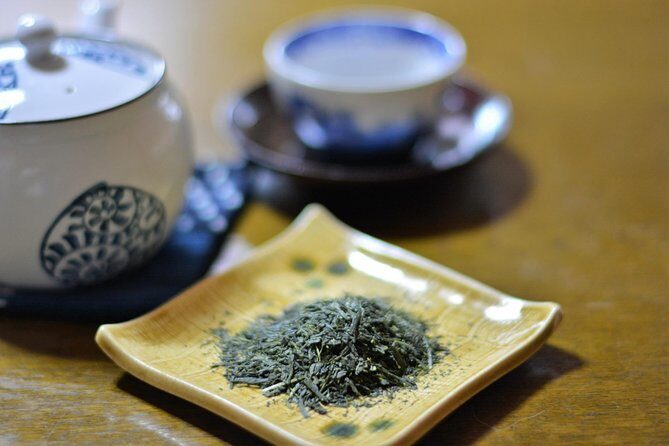
The day kicks off at Takumi-no Yakata with a gyokuro experience. Gyokuro is widely considered the top tier of Japanese green tea, and it’s not just marketing. The flavor is tied to how the leaves are grown and, on this stop, how they’re prepared for you.
Here’s what you can expect: you’ll drink gyokuro while learning how the leaves are slowly steamed and handled with gradually warm water. The experience is timed at about 30 minutes, long enough for the guide to explain what to notice, but short enough that you won’t feel stuck when you want to move on.
What I like about starting with this is that it trains your senses early. Tea experiences go flat when you treat them like a photo op. This one pushes you to pay attention—texture, aroma, and the way sweetness shows up without needing sugar. You also get a Japanese sweet with your tea, which helps balance the flavors and makes the tasting feel complete.
The main drawback to this type of tea session is that it can take your appetite out of “normal tourism mode.” If you’re hoping to snack constantly, remember that the tour only includes tea and the sweet. Everything else is on you, so plan your timing.
Ujigami Shrine: oldest shrine feel with a tea-and-water twist
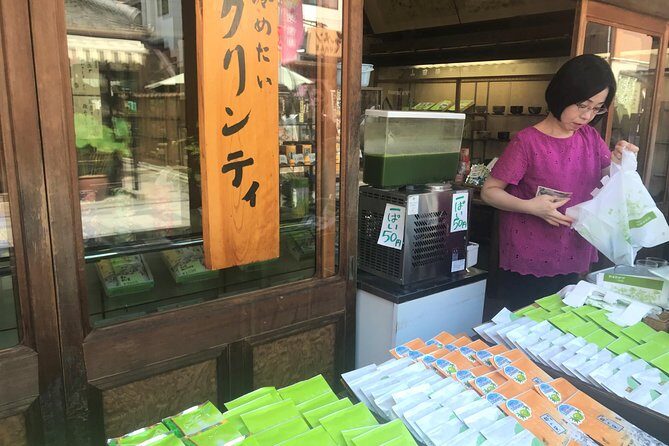
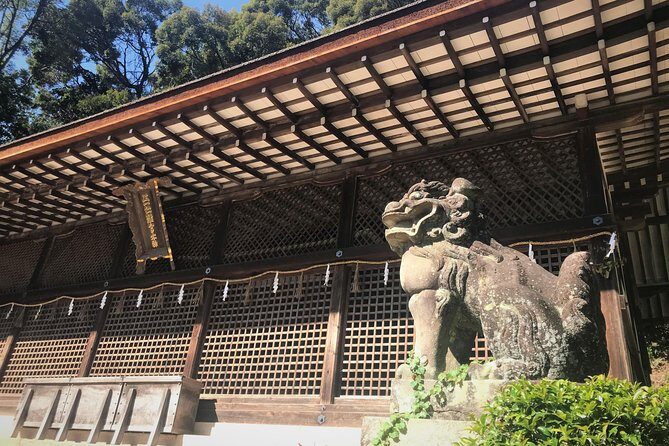
After the tea house, you move into Uji’s spiritual center at Ujigami Shrine. This is the oldest original shrine in Japan, and it’s UNESCO-listed. That title alone is enough to get your attention—but what makes the stop feel alive is the water connection.
The shrine includes underground spring water that naturally bubbles up to the surface. Local tea shops are tied to this water story, which gives you a way to connect place to taste. In plain terms: you start seeing tea culture as tied to the geography, not just to someone’s recipe book.
You’ll have about 30 minutes here, which works well. Temples and shrines are at their best when you have time to look up and around, not just rush through gates. During this stop, you should plan to slow down. Notice the atmosphere, the patterns, and how the site feels designed to encourage quiet attention.
One practical note: if you’re sensitive to walking on uneven surfaces, bring shoes that handle temple ground well. The tour has stairs later, but good footwear helps everywhere.
Koshoji Temple: Zen practice as the bridge to tea ceremony

Next comes Koshoji Temple, described as the oldest Soto Zen temple in Kyoto. Soto Zen has deep links to how discipline and daily ritual shaped Japanese culture, and the guide will connect that to tea ceremony development.
This is about 30 minutes. That’s enough time for you to appreciate the temple setting and also get the reasoning behind the connection between Zen Buddhism and tea traditions. If you’ve wondered why tea ceremony has such a steady, intentional feel—this stop helps explain the logic. It’s not only about taste. It’s about focus and manners around drinking.
If you like religious history that feels practical (not just dates and names), you’ll enjoy this part. You’ll likely come away thinking about tea as a social practice too: how people share calm, how they treat guests, and how the room changes when everyone slows down.
Byodo-in Temple and museum: UNESCO beauty with context, not just photos
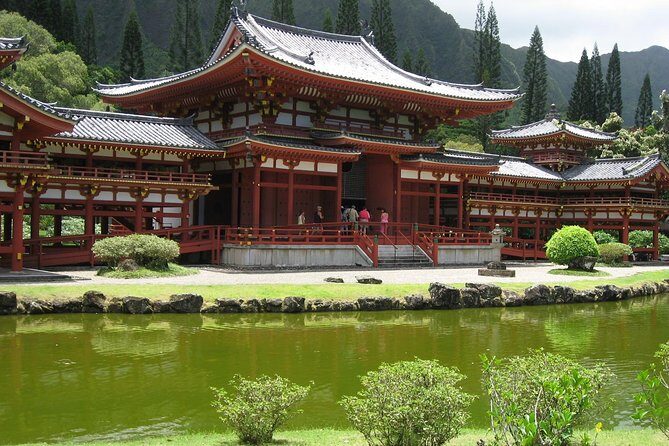
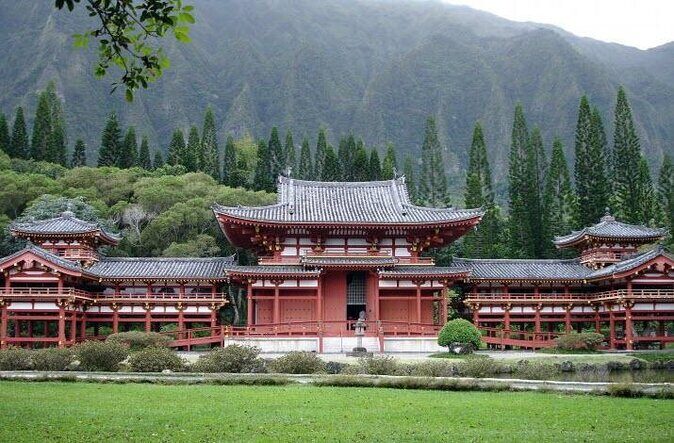
Byodo-in Temple is the centerpiece UNESCO stop. It dates back to the Heian period, and the temple hall sits on a man-made lake. That “temple on water” setup is one reason this site is so famous: it turns architecture into something you experience from shifting angles.
You’ll spend around 45 minutes at Byodo-in and also visit the museum included with the entry. This combination is valuable. Looking at a temple hall from outside tells you what it looks like. The museum time helps you understand what you’re seeing—why it was made, how it fits into the broader cultural world, and how the site’s identity developed.
One of the nicest things about getting a guided visit here is timing. Temple sites attract crowds, and the best experience often comes when you’re not fighting the flow. Your guide can point out the details that are easy to miss when you’re following other people’s pace.
If you’re short on time in Japan (or you’ve already seen a few big temples in Kyoto), this stop gives you something different. It has that calm Heian-era feeling, and it links cleanly back to the theme of tea and spirituality.
Other private tours in Uji

Byodo-in Omotesando tea street: the sensory walk between monuments
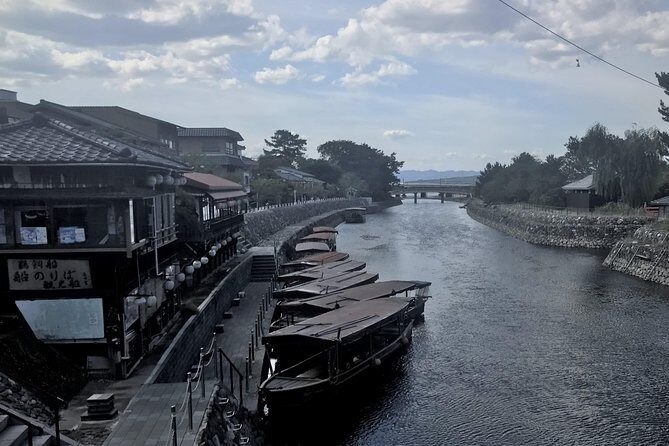
After temples, the route shifts to a historic approach street: Byodoin Omotesando. This is a pilgrimage street leading to Byodo-in, lined with tea shops, some with histories reaching back to medieval times.
You’ll have about 45 minutes here, which is the right length for a walk-and-browse segment. You can smell fresh tea as you pass shops, and you get a chance to compare what different sellers emphasize—new harvest scent, roasting style, or tea formats. Even if you don’t plan to buy much, walking this street gives the day a “lived-in” quality.
This is also where I suggest you think like a traveler, not a buyer. If you only snack once on a short trip, decide when. The tea session already includes a sweet, so use Omotesando time for browsing and choosing any extra items you want to bring home.
A practical tip based on real-world feedback: bring cash. Some purchases can be easier if you’re not relying only on cards. You don’t need to overdo it, but having some on hand keeps you flexible.
Uji Park: a calm break with the river’s old job to do
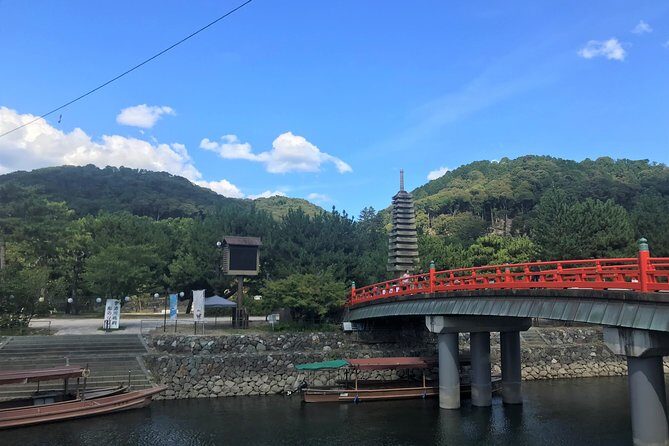
The tour ends with a stroll at Prefectural Uji Park, about 30 minutes. You’ll walk along an island in the middle of the river, and the stop ties into Uji’s geography—how the river once supported trade with Kyoto and Nara and moved goods like tea and sake.
This part works because it breaks the “temple heat” and gives your brain something lighter. You’re still in the story—tea moves through places—but you’re not being forced to look at sacred spaces or read museum labels.
The park also includes a note about cormorant fishing with birds, an older fishing tradition connected to the river. Even if you don’t see an active demonstration during your visit, the explanation helps you imagine the river as working infrastructure, not just scenery.
Price and value: what you’re actually paying for at $162.41
Let’s talk value in plain terms. At $162.41 per person for about 4 hours, you’re paying for a lot of included items:
- entrance admissions for temples and the museum at Byodo-in
- the gyokuro tea house experience plus a Japanese sweet
- guided interpretation across multiple spiritual and historic stops
That changes the math. If you tried to do this independently, you’d still be paying for museum entries and possibly spending extra time figuring out tea-focused sites and the best sequence.
Also, the max group size of 8 makes the guide time feel less diluted. Short tours can feel rushed when groups are large; this one is designed to keep the pace workable over multiple sites.
One cost reminder: food and drink outside the tea experience are not included. So if you usually build your day around snacks, you’ll want to budget for them. Decide whether you’ll eat before 9:00 am or plan a meal right after.
Timing, meeting spot, and how to keep the day smooth
The tour starts at 9:00 am at the Keihan Uji Station Information Centre, Otsukata 713, 京阪宇治ビル 1階. It ends back at the meeting point, which is convenient when you’re planning the rest of your day in the Kansai region.
A calm start helps. Arriving a little early reduces stress, especially since temple schedules and tea house timing both depend on being on time.
As for movement: the tour notes many stairs. That’s not a dealbreaker, but it is real. Wear shoes you’re comfortable in on steps, and if you need modifications, tell the operator ahead of time. You’ll get a better day if you plan around that up front rather than trying to muscle through.
Finally, since you’re bouncing between shrines, temples, and streets, think about weather. Bring a light layer even in comfortable seasons, because you’ll spend time outdoors along Omotesando and by the river.
Who should book this Uji tea and spirituality route
This is a great pick if you want tea culture in a structured way without spending a full day. You get the tea house, then the spiritual connections, then the UNESCO centerpiece, then the tea street and river break—so your understanding grows step by step.
It’s especially suited for:
- you if you care about tea beyond flavor and want the ritual and context
- you if you like religious history that feels human and connected to everyday practice
- you if you want a break from Kyoto crowds while still getting top sites
It might be less ideal if:
- you struggle with stairs and don’t plan for modifications
- you want a food-focused tour with multiple meals included
- you’re expecting lots of free time; this is a guided 4-hour plan with set stops
Should you book Uji Private Tea and Religious Culture?
If you’re curious about how Japanese green tea connects to Shinto water stories and Zen practice, this tour is a smart use of your time. The gyokuro session plus admissions to Byodo-in and the museum give you real content, not just sightseeing photos.
Book it if you want a calm, guided day in a smaller town with tea at the center. I’d say it’s also a good choice for couples or small groups who want a smooth schedule without feeling rushed.
Skip or ask for adjustments if stairs are a concern for you, or if you want a tour where meals are fully built in. With that one note covered, Uji can feel like Kyoto’s quieter teacher—teaching you tea by taking you to the places where people learned to be patient.
FAQ
How long is the Uji tea and spirituality tour?
It runs about 4 hours.
What is included in the price?
You get admissions to the temples and the museum at Byodo-in, plus the gyokuro tea house experience with Japanese sweet.
Is this a private tour?
It’s described as a private guided experience and has a maximum group size of 8 travelers.
What tea experience do I get?
You’ll have a gyokuro tea drinking experience at Takumi-no Yakata, including a step-by-step preparation style learning component and a tasting with a Japanese sweet.
Which major UNESCO site do you visit?
You visit Byodo-in Temple, a UNESCO world heritage site.
What stops are on the route?
You’ll visit Takumi-no Yakata, Ujigami Shrine, Koshoji Temple, Byodoin Temple, Byodoin Omotesando, and Prefectural Uji Park.
Where do we meet, and what time does it start?
Meet at Keihan Uji Station Information Centre in Uji, Otsukata 713 京阪宇治ビル 1階 at 9:00 am. The tour ends back at the meeting point.
Is the tour walkable if I have limited mobility?
The tour notes many stairs and a moderate fitness level is expected. If stairs are a problem, contact the operator so they can make suitable modifications.
What about food and drink during the day?
Food and drink outside the tea experience are not included.
Can I cancel for a refund?
Yes. Free cancellation is available up to 24 hours before the experience starts for a full refund.
![[Kyoto Street Shot] Recording every wonderful moment of travel with shutter (free kimono experience) - What the photographers do for you (and why that’s the point)](https://kyotoguide.info/wp-content/uploads/2026/05/kyoto-street-shot-recording-every-wonderful-moment-of-travel-with-shutter-free-kimono-experience.jpg)