Dashi has a smell that feels like home. This hands-on Kyoto cooking class focuses on everyday Japanese comfort food, built from real ingredients like katsuobushi (bonito flakes) and kombu (kelp). I love how you make the flavor foundation yourself, and I love that it takes place in a traditional townhouse over 100 years old. One thing to plan for: this specific location is not open to men only, though there may be an alternative kitchen available if you message ahead.
You’ll also get practical, skill-based instruction, not just a cooking show. Expect step-by-step guidance while you learn how to use delicate Japanese knives, then turn that into a meal you can repeat at home. The menu is straightforward but very Japanese: dashi-maki egg, chicken teriyaki, seasonal simmered vegetables, and miso soup.
Here’s the main consideration for most people: the class experience is focused and specific. If you’re hoping for a big, multi-course restaurant-style meal with heavy variety, this is more about mastering core techniques and flavor balance you’ll use again and again.
In This Review
- Key things to know before you go
- A 2.5-hour Kyoto home-cooking class inside a 100-year townhouse
- Dashi is the foundation: bonito flakes and kelp, done the real way
- Knife skills you can use again: cut better, cook safer
- Your hands at work: dashi-maki tamago, simmered vegetables, and miso soup
- Dashi-maki tamago (rolled omelet)
- Simmered vegetables with seasonal ingredients
- Miso soup
- Chicken teriyaki the home style: traditional flavor, not shortcuts
- Plating and setting the table: how presentation teaches you to slow down
- What you’ll actually eat (and why that matters in Kyoto)
- Price and value: does $122 make sense for a Kyoto cooking class?
- Language, comfort, and the men-only location rule
- Should you book this Kyoto cooking class?
- FAQ
- How long is the experience?
- What dishes are included in the class?
- Where is the meeting point?
- Is the instructor teaching in English?
- Can men participate at this location?
- Do I need prior cooking experience?
- What is included in the price?
- Is this class suitable for children?
Key things to know before you go
- Real dashi from katsuobushi and kombu: you’re making the broth, not buying it.
- Additive-free seasoning approach: the class aims for clean, everyday flavor.
- Japanese knife practice: learn how to handle delicate knives safely and well.
- Seasonal home plates: simmered vegetables and miso soup follow the time of year.
- A 100-year-old townhouse setting: part of the experience is the space.
- English-led support: the instructor teaches in English, with extra help if needed.
A 2.5-hour Kyoto home-cooking class inside a 100-year townhouse
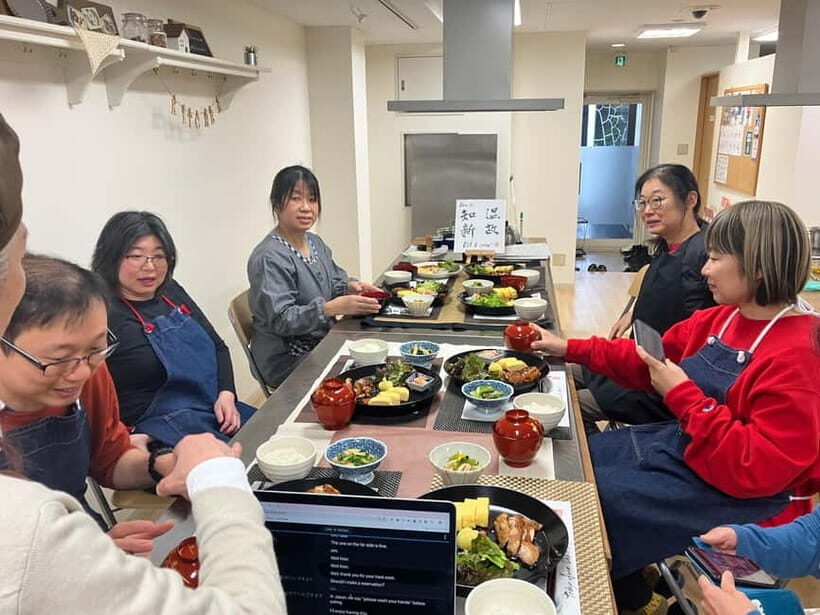
This class is built for people who want more than sightseeing photos. You’re stepping into a traditional Japanese townhouse that’s more than 100 years old, which changes how the whole experience feels. Instead of a studio vibe, it’s closer to visiting a home: calm, practical, and centered on food.
The timing is nicely bite-sized for Kyoto. The session is 2 hours 30 minutes, long enough to actually cook, taste, and sit down together, but not so long that it wrecks your afternoon plans. It also helps that it’s a private group, so you’re not fighting the clock with a big crowd.
Getting there is simple, but do pay attention to the meeting details. The class is near Sanjo Keihan/Subway Sanjo Station (about a 10-minute walk), and once your reservation is confirmed, the host can come to the station to pick you up. Your meeting point is listed as Subway Shijo Station, where you walk about 10 minutes. If you want things to be stress-free, I’d treat this as a send-the-host-a-message situation and confirm the exact pickup/walk plan after booking.
If you're still narrowing it down, here are other tours in Uji we've reviewed.

Dashi is the foundation: bonito flakes and kelp, done the real way
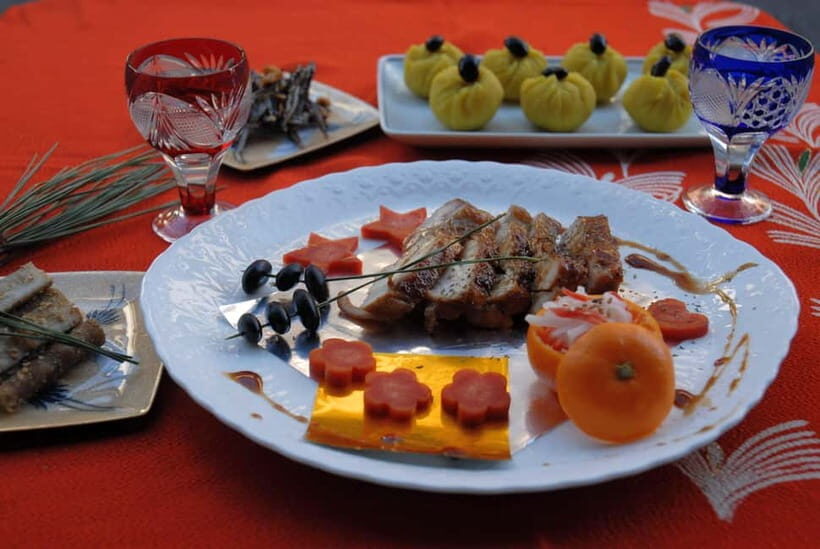
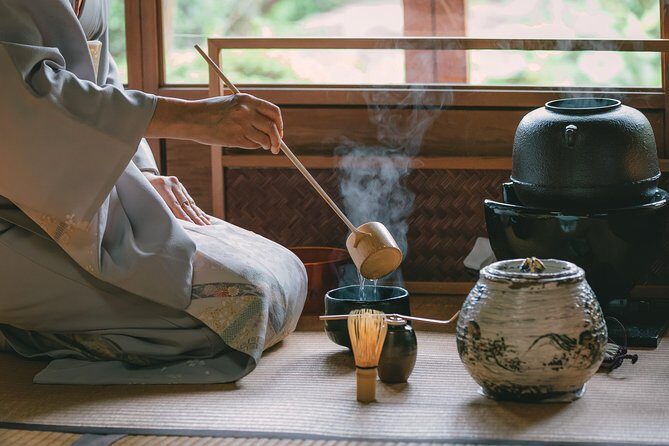
If you want to understand Japanese cooking quickly, start with dashi. This class does exactly that. You learn how to make soup stock using katsuobushi (bonito flakes) and kombu (kelp), and you’ll feel how much this one step shapes everything else you cook.
Dashi-making is also where you’ll notice the class philosophy showing up. The approach follows Katsuo Doi’s home-cooking ideas, which focus on deliciousness and health. As the broth simmers, you get that deep aroma that makes people relax without trying. It’s not complicated math; it’s careful timing and attention.
A key detail for your future cooking at home: you’re not just learning a recipe. You’re learning the logic of Japanese flavor. Dashi isn’t there to taste like fish soup. It’s there to balance sweetness, salt, and umami so the rest of the dishes taste clean and rounded.
Knife skills you can use again: cut better, cook safer
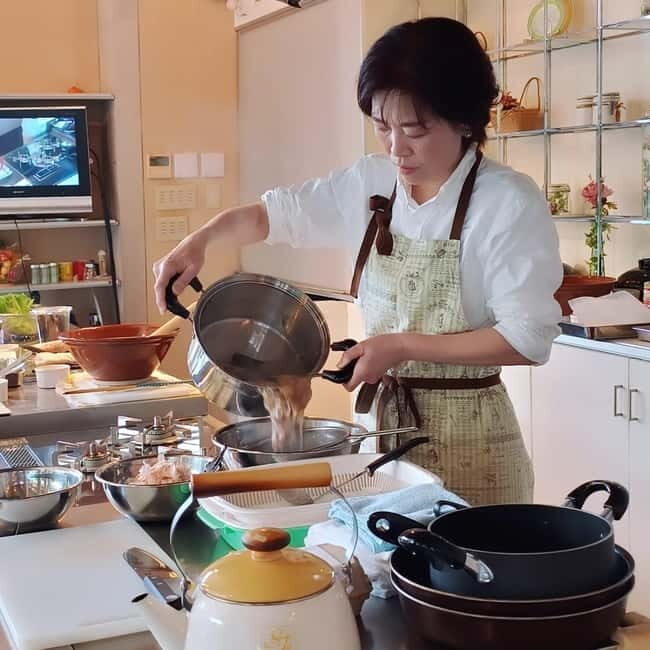
You’ll also practice knife technique, and that matters more than most people expect. Japanese knives are often thinner and sharper, so the way you hold and guide the blade changes how food cooks. This class explicitly includes instruction on using delicate Japanese knives, and the guidance is step-by-step—good if you’re new or rusty.
Even if you already cook, this part can still be worth it because you’re training your hands to Japanese standards. Cutting isn’t just speed. It’s about making pieces that cook evenly, look right on the plate, and don’t turn mushy or uneven.
One of the most practical bits from the class experience: you’re likely to get advice on ingredient choices too. In one review, the learner mentioned being really grateful for guidance on good brands. That kind of real-world recommendation is gold in Japan, because it saves you from buying expensive stuff that doesn’t actually help.
Your hands at work: dashi-maki tamago, simmered vegetables, and miso soup
Once the dashi is ready, you start turning it into dinner. The menu is compact, but each dish teaches a different skill.
Dashi-maki tamago (rolled omelet)
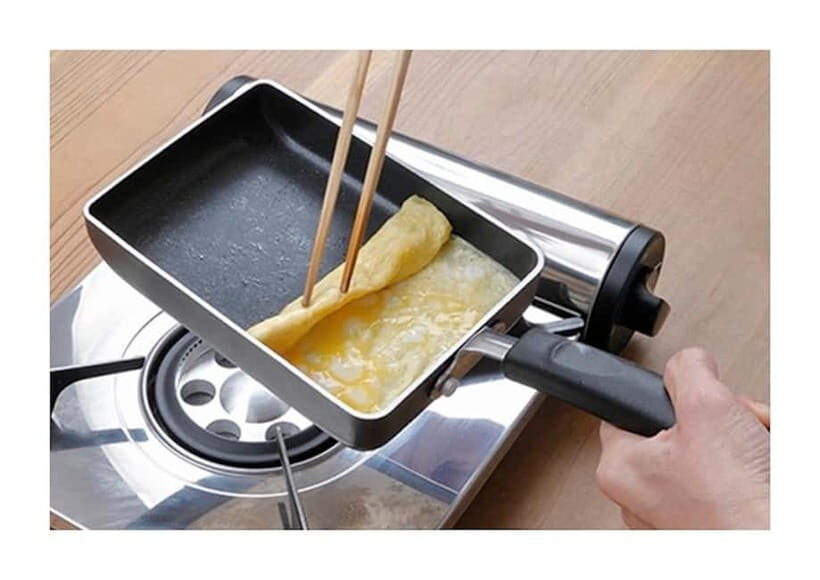
This is one of those dishes that sounds simple but teaches you timing and texture control. You’ll use freshly made dashi in the egg mixture, then learn how to cook dashi-maki tamago properly.
The lesson here is not just how to roll. It’s how to handle heat so the layers stay tender instead of overcooked. If you’ve ever had rolled omelet come out rubbery or dry, you’ll understand why a guided class helps.



Simmered vegetables with seasonal ingredients
Japanese cooking changes with the calendar. Here, seasonal vegetables are part of the point, not an afterthought. You’ll prepare simmered vegetables using traditional flavor ideas, guided step by step so you understand what to do and why.
This is a great dish for taking home. You can swap vegetables based on what you find, but the method and flavor balance are the transferable skill.
Miso soup
Miso soup is often treated like background noise in cooking classes. Here, it’s part of the meal you create, so you practice building a bowl that fits with the rest of what you cooked. You’ll learn how the dashi and miso work together so the soup tastes balanced, not salty or flat.
Chicken teriyaki the home style: traditional flavor, not shortcuts
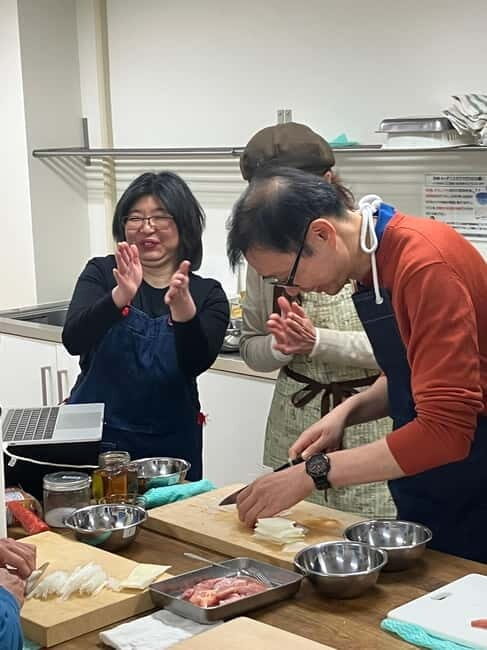
Teriyaki is common everywhere, but home-cooked teriyaki in Japan can taste different from the bottled-sauce version many people make elsewhere. In this class, you cook chicken teriyaki with traditional flavors and methods.
The big value is that you’ll likely learn the flavor control behind it—how to season, when to add, and how to get the right balance so it doesn’t taste overly sweet or harsh. When you’re using dashi-based dishes earlier in the session, your palate tends to shift toward subtlety and harmony. That makes teriyaki feel like it belongs at the table, not like a separate sugary dish.
Also, this class keeps the ingredient philosophy in mind: you’re using additive-free seasoning practices as part of the experience. That usually means cleaner flavor and better results, especially if you’re sensitive to overly processed tastes.
Plating and setting the table: how presentation teaches you to slow down
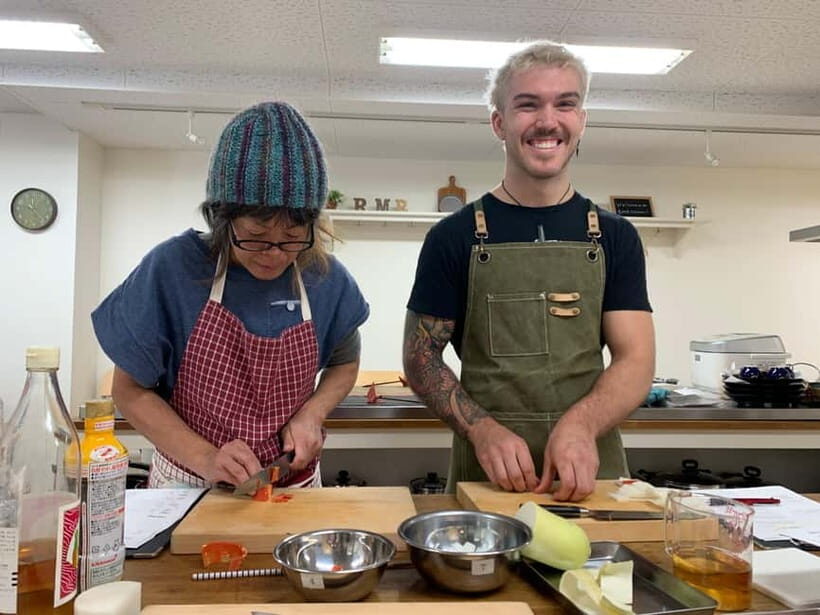
One of the underrated parts of a cooking class in Japan is that eating is treated as a full experience. Here, you don’t just cook. You also plate the dishes beautifully and set the table.
This step changes how you cook the food. When you know you’ll be responsible for plating, you tend to treat portioning and cut size more carefully. It also makes the meal feel like yours, not like cafeteria training.
And because the class happens in a real home space, the atmosphere encourages a slower pace. You’re sharing the meal with your instructor, which is a different vibe from a classroom where everyone eats silently at the end.
What you’ll actually eat (and why that matters in Kyoto)
This isn’t a class where you taste tiny samples and leave hungry. The meal is included, and it’s built from what you cook. That matters because Japanese home cooking is about repetition. You’re meant to learn dishes that families enjoy every day—not restaurant-only showpieces.
The dishes included here also cover a useful range:
- dashi-maki tamago teaches eggs and timing
- simmered vegetables teach seasonal balance
- miso soup teaches how miso fits into a dashi world
- chicken teriyaki gives you a familiar protein, upgraded by method
By the time you sit down, you’ve connected the techniques. That makes it easier to remember what to do when you cook later at home.
Price and value: does $122 make sense for a Kyoto cooking class?
At $122 per person, this class isn’t cheap, but it’s not random expensive either. You’re paying for:
- Hands-on instruction from an English-speaking instructor
- Ingredient-heavy cooking, including making dashi from real katsuobushi and kombu
- Rental of aprons and cloths
- The full meal plus materials needed to cook
You’re also getting time with a teacher in a setting that’s hard to recreate alone in a rental kitchen. Reviews highlight that learners appreciated step-by-step guidance they could apply immediately at home. One review specifically called out brand advice for ingredients, which can easily save money if you’re buying supplies for future cooking.
What’s not included is also clear: there’s no dashi soup set included, and there’s no merchandise included. If you’re shopping for take-home items, plan on buying separately if you want that.
In my view, this price starts to look very fair if you want real technique and a meal you can replicate. It looks less fair if your goal is mostly eating and snapping photos, because the class is about learning.
Language, comfort, and the men-only location rule
This is an English-led experience. The instructor teaches in English, and in one review there was mention of translator support as well. That combination matters because cooking terms can get precise fast, especially with knife and texture instructions.
Still, there’s one important restriction: at this location, men can’t participate. The info also says that if you want a lessons-only-men format, they can rent a separate kitchen, but you need to contact them by message. Don’t assume it will happen automatically; message ahead if you’re affected.
Age note: it isn’t suitable for children under 6. If you’re traveling with younger kids, you’ll want to look for a different cooking option.
Should you book this Kyoto cooking class?
Book it if you want a real Kyoto home-cooking skill set: dashi technique, knife basics, and a handful of dishes you can actually make again. The best part is that the class is structured around foundations and repeatable methods, not complicated fancy plating tricks.
Skip it if your priority is a broad, full-day food crawl or if you need a setting that includes men at this specific townhouse location without asking about alternatives. And if you’re hoping for restaurant-style theatrics, this is more calm and practical than dramatic.
If you fit the target audience—curious about Japanese flavors, happy to cook with guidance, and comfortable doing a focused 2.5-hour session—this is the kind of Kyoto experience that pays off later, when you’re back home and your kitchen starts smelling like dashi.
FAQ
How long is the experience?
It takes 2 hours 30 minutes.
What dishes are included in the class?
You’ll make dashi (Japanese soup stock), dashi-maki egg (rolled omelet), chicken teriyaki, simmered vegetables, and miso soup.
Where is the meeting point?
The meeting point is Subway Shijo Station. You’ll get off and walk about 10 minutes. The class area is also described as about a 10-minute walk from Sanjo Keihan/Subway Sanjo Station, and pickup may be arranged after confirmation.
Is the instructor teaching in English?
Yes, the instructor is listed as English. Reviews also mention translator support.
Can men participate at this location?
At this location, men only cannot participate. The option to do it in another rental kitchen may be possible if you contact the provider in advance.
Do I need prior cooking experience?
No. The class is described as guided step by step, so it should work even if you’re new to cooking.
What is included in the price?
Included items cover the cooking experience, aprons and cloths rental, all menus/materials, and the meal.
Is this class suitable for children?
It is not suitable for children under 6 years old.