Uji tea comes with real stories. In about four hours, you’ll walk a tea trail where samurai-era politics and religious ritual helped shape what ends up in your cup today. You also get two major temples—Byodo-in and Koshoji—plus a Shinto stop tied to Uji’s drinking-water legacy.
I especially like two parts: the Gyokuro-focused tasting that explains how tea changes with brewing, and the way the tour connects temple sights to the tea trade that grew around them. Add in calm time by the Uji River, and it feels like a Kyoto area detour that doesn’t waste your day.
One thing to plan for: this is a temple-and-walk tour with stairs, and it is not recommended if you have mobility limits or back issues. Rain or shine also means you’ll want shoes you can trust.
In This Review
- Key highlights at a glance
- Why Uji Feels Like Kyoto, Without the Chaos
- Getting There: Keihan Uji Station and a Smooth 4-Hour Window
- The 1160 Teahouse Start: How Tea Culture Actually Began
- Gyokuro Tasting: Flavor Changes, Not Just Sips
- Uji River Walk and the Shrine Link: Water, Ritual, and Respect
- Byodo-in Temple and Phoenix Hall: UNESCO You Can See with Meaning
- Koshoji Temple on the Mountain: Zen Time at the End
- Price and Value: What $111 Really Covers
- Logistics That Actually Matter (and Save You Stress)
- Who Should Book This Uji Green Tea and Temple Tour?
- Should You Book This Tour? My Practical Take
- FAQ
- How long is the Uji green tea tour?
- Where does the tour start and end?
- What languages are available?
- What is included in the price?
- Is there any food included?
- Is the tour wheelchair-friendly or good for limited mobility?
Key highlights at a glance
- World’s oldest operating teahouse (since 1160) for the start of your tea journey
- Gyokuro tea tasting with a hands-on lesson on brewing and flavor
- Ujigami Shrine purification in/near a stone grotto, tied to spring water used by tea houses
- Byodo-in UNESCO plus included entry to the museum and time at Phoenix Hall
- Koshoji Temple on the mountain side for a slower, Zen-style finish
- English or Spanish guides with consistently strong on-the-ground storytelling (Damien, Ferdinand, Brian, Kevin, and others)
Why Uji Feels Like Kyoto, Without the Chaos
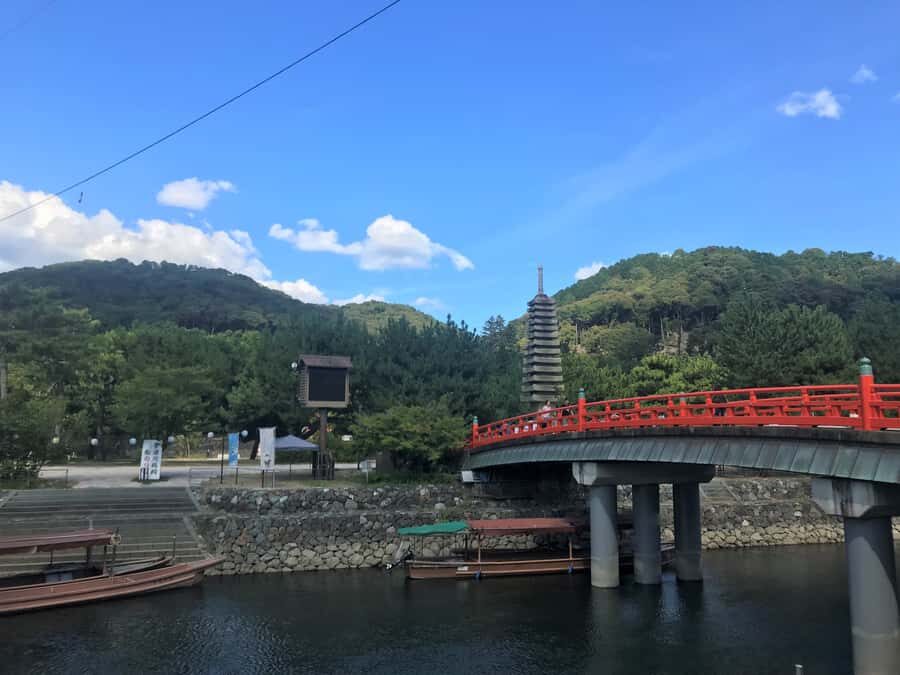
Uji is where Japan’s green-tea reputation stops being a slogan and starts becoming daily life. You get river views, green hills, and a slower pace than central Kyoto—yet you’re still in a place with UNESCO-level landmarks almost side-by-side.
What makes this tour interesting is the “why.” Tea here isn’t treated like a snack stop. You’ll hear how Uji became a tea hub through a mix of religion, social status, and even warrior culture. That context matters. When you taste, you don’t just judge flavor—you understand what the flavor is carrying.
And yes, you’ll see the famous temples. But the best payoff is how the guide helps you connect the dots between:
- tea houses and pilgrimage paths,
- Shinto purification practices and water,
- and the temple art linked to status and power.
One more plus: the structure is compact. It’s long enough to feel substantial, but short enough that Uji doesn’t swallow your whole day.
A few more Uji tours and experiences worth a look

Getting There: Keihan Uji Station and a Smooth 4-Hour Window
This experience runs for about 4 hours and starts at the only exit at Keihan Uji Station, with an escalator up to street level. That’s one of those details that makes a difference. If you’ve ever arrived in Japan and then had to play “where’s the meeting spot,” you’ll appreciate how clear this is.
From central Kyoto areas like Gion or Kyoto Station, Uji is about a 30-minute local train ride (timing varies, of course). So you’re not committing to a half-day travel slog to reach a quiet tea town.
You’ll also end back at the same meeting point. That reduces decision fatigue—no last-minute scramble for transport after temple steps and tea aromas.
Practical note: the tour is rain or shine. You’re walking outside at least part of the time, so pack for damp weather if the forecast looks questionable.
The 1160 Teahouse Start: How Tea Culture Actually Began
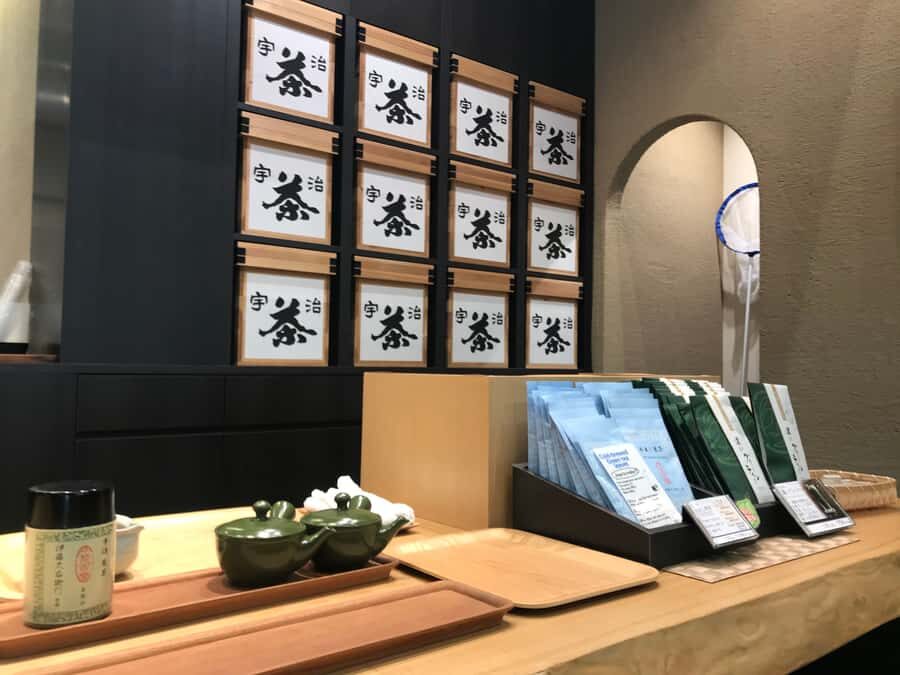
Your tour begins at the world’s oldest operating teahouse, said to have been in business since 1160 AD. Even if you don’t care about dates, this matters. Starting your tea lesson in a place with that kind of continuity gives the day a grounded feeling.
The guide also frames the tea story through people and power—how one vassal connected to a famous samurai became the head of a family that ran the shop for 24 generations. That family-run detail isn’t just trivia. It explains why Uji tea became something tied to reputation, not just agriculture.
From there, the tour moves toward the main tasting experience. You’ll be taught what you’re drinking and why it’s different, with a focus on green tea quality and the Uji “signature” style.
This is where the tour feels smarter than a simple tea stop. You’re not just told what tea is. You’re guided into tasting it with purpose.
Gyokuro Tasting: Flavor Changes, Not Just Sips
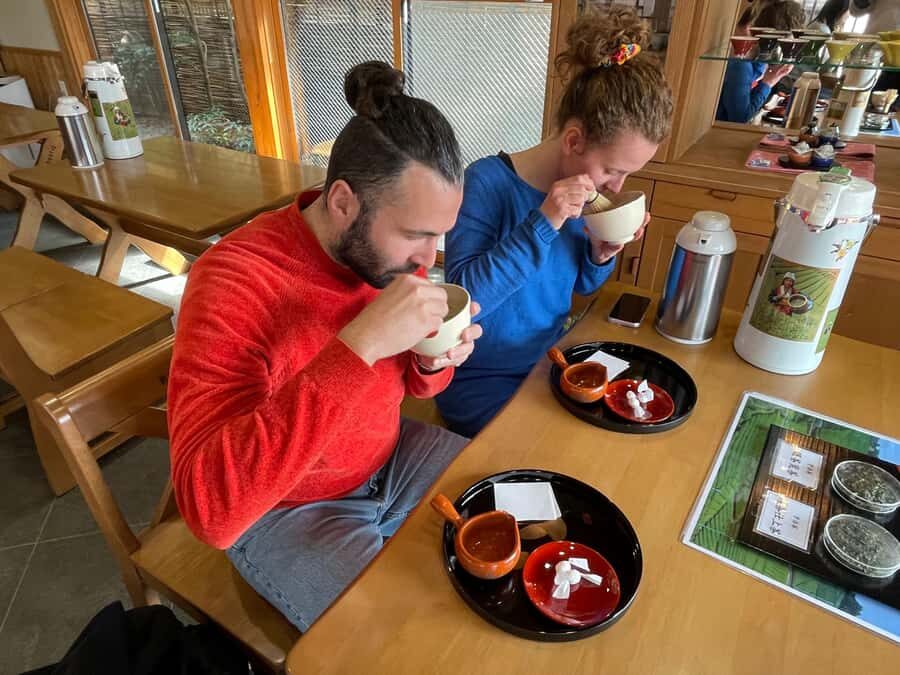
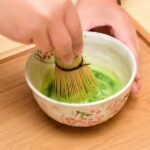
The highlight for most people is the Japanese Gyokuro green tea experience with tea tasting included. Gyokuro is often described as a “high grade” tea, and here you’ll get a chance to experience what that means in a practical way.
A key part of this stop is that you’ll learn about:
- how the tea is grown and what makes Uji tea special,
- how brewing affects taste,
- and how to read the differences between cups.
Then comes a fun, slightly unusual step. After tasting several cups, you’ll mix the remaining tea leaves with ponzu sauce and eat them as is. It’s not something you’d usually stumble into on your own, and it gives you a new lens for the tea leaves themselves—not only the drink.
What I like about this setup is pacing. You don’t rush. You taste, learn, taste again, and only then do the “use-the-rest” snack moment. It turns the tasting into a mini lesson, not a quick transaction.
Also, guides on this experience are often praised by name for making the tea feel approachable. Damien, Ferdinand, and Brian come up repeatedly in the feedback as people who can explain both tea and the surrounding spiritual/religious customs in a way that feels easy to follow.
Uji River Walk and the Shrine Link: Water, Ritual, and Respect

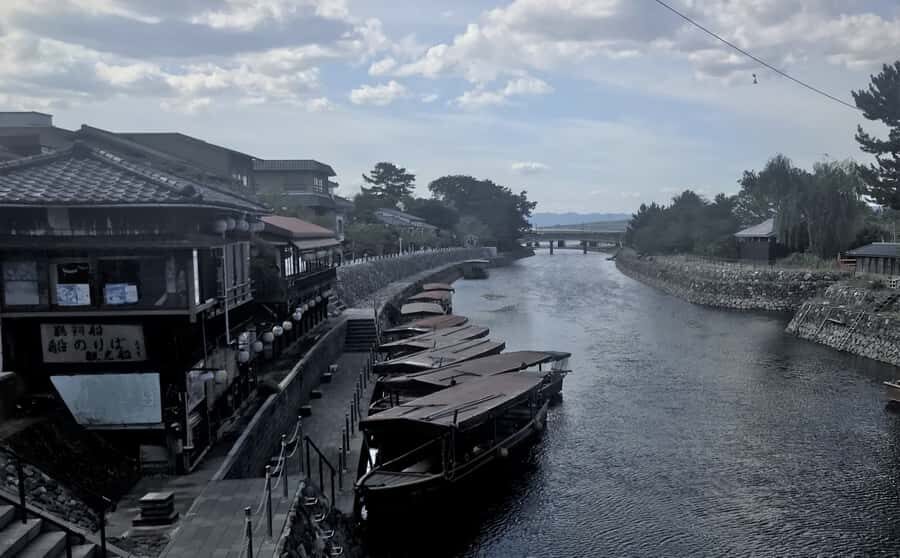
Between tea and temples, you’ll get time around the Uji River and the surrounding scenery. You’re not doing a full sightseeing marathon. You’re getting enough walking to feel the place.
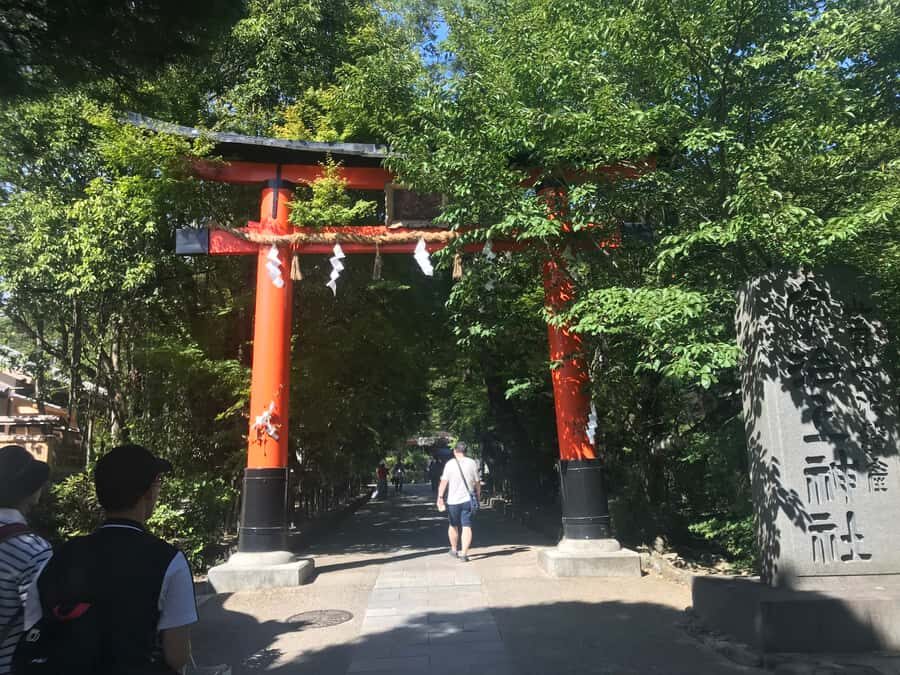
Then the tour shifts into the religion side at Ujigami Shrine, described as the oldest original Shinto shrine in Japan and also a UNESCO World Heritage Site. This shrine is where Uji’s guardian deities are honored.
One detail that makes this stop more than a photo op: the shrine is tied to natural spring water that many tea houses still collect to brew their tea. That’s a direct link between what’s sacred and what ends up in a cup.
You’ll also enter the stone grotto and do purification with the water. The ritual piece is important for two reasons:
- It explains why water quality and water sources matter in tea culture.
- It sets a tone of respectful behavior around religious spaces.
If you want the day to feel smooth, keep in mind this portion is active. You’ll be on foot, moving between points, and the tour includes stairs overall.
In past conversations about this experience, the guides’ respectful approach shows up a lot. You’ll get guidance for how to participate without turning the moment into something goofy.


Byodo-in Temple and Phoenix Hall: UNESCO You Can See with Meaning

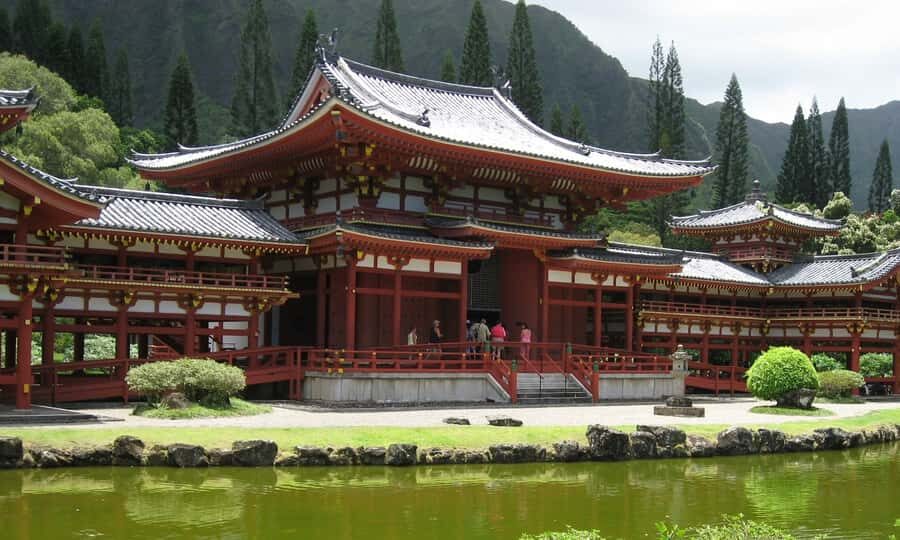
Next up is Byodo-in, one of the big UNESCO sites in Uji. Admission to Byodo-in and the museum is included, which is a smart value move. You’re not stuck outside wondering if it’s worth paying separately.
This temple is especially known for the Phoenix Hall, and that’s where the stories connect. The tour ties the art and architecture to the broader tea-and-power narrative: samurai-era influence, religion’s public role, and the status economy that helped tea trade flourish.
The museum also helps you understand what you’re looking at. Even if you’re not the type to love museums, this one can make the temple visit click because it gives context for the spiritual and historical meaning of what’s in front of you.
What you’ll likely enjoy most is the contrast:
- you walk through tea-related spaces and pilgrim streets,
- then you arrive at a temple with visual power and carefully designed symbolism.
Also, there’s a pilgrimage path angle here. When you move toward Byodo-in, you’ll pass a route lined with tea shops going back to the medieval period. It turns your walk into a living timeline.
Koshoji Temple on the Mountain: Zen Time at the End
After Byodo-in, the tour finishes with Koshoji Temple, set on the mountain side. This stop changes the mood. By now, your brain is full of tea facts and temple symbols. Koshoji gives you permission to slow down.
It’s framed as a place to get in some Zen. I like ending a day like this here because it’s not just “another temple.” It feels like a natural closing note—more quiet, more nature-driven, and less crowded than some central Kyoto temple routes.
If you’ve been hoping for a day trip that doesn’t feel like sprinting from one crowd to another, the tour’s ending choice helps. It gives you a calmer conclusion.
Price and Value: What $111 Really Covers
At $111 per person for about 4 hours, this tour isn’t the cheapest thing you could do in the Kyoto area. But it also isn’t just “a guide walking you around.”
Your price includes:
- tour guide service,
- Byodo-in entrance fees,
- Koshoji entrance fees,
- Gyokuro tea experience,
- and tea tasting.
That matters because temple entries and a real tea lesson both add up fast if you do them independently. The guide also changes your experience quality. Without context, tea tasting can feel like “tastes good” and nothing more. With context, you start noticing why one cup feels different from the next.
If you’re a tea lover, the included Gyokuro lesson is the main value engine. If you’re more temple-focused, the included museum entry and temple fees keep the plan tidy.
One more value detail: the groups are described as private or small groups. Smaller groups usually make temple etiquette and the tea lesson easier—less waiting, more chances to ask questions.
Logistics That Actually Matter (and Save You Stress)

Start: Keihan Uji Station, only exit, escalator to ground level. If you’re early, that’s good—early reduces confusion.
End: back at the meeting point. That’s a quiet win.
What to bring:
- Comfortable shoes. This isn’t a sit-and-sip outing.
- Plan for stairs. The tour involves them, so take it seriously.
- If it rains, you’re still walking. Bring a compact umbrella or a light rain layer if you run cold.
Languages: the tour offers English and Spanish. If you prefer one, confirm when you book.
Who Should Book This Uji Green Tea and Temple Tour?
This is a strong fit if you:
- love green tea (especially Gyokuro) and want a tasting with explanation,
- want UNESCO temples without getting stuck in central Kyoto crowds,
- care about the human story behind tea—samurai-era connections, shrine ritual, and water sources,
- prefer a guided plan with structure but still room to enjoy scenery by the river.
It’s a weaker fit if you:
- have mobility concerns, back problems, or mobility impairments (stairs are part of the route),
- want a totally low-walking experience,
- or expect pure food stops (food and drink outside the tea experience aren’t included).
Should You Book This Tour? My Practical Take
If you’re doing a Kyoto trip and you’re thinking, Uji sounds like an easy day trip but I’m not sure it’s worth it—this is the kind of tour that makes the answer yes. You get two major temples, at least one UNESCO shrine experience tied to water, and a Gyokuro tasting that teaches you how taste is shaped, not only what it is.
I’d book it if you want a calmer side of Kyoto with real cultural grounding. I wouldn’t book it if stairs or uneven walking would be stressful for you.
If you do book, show up with good shoes and an open mind. Uji tea can surprise you—in the best way.
FAQ
How long is the Uji green tea tour?
The tour duration is about 4 hours.
Where does the tour start and end?
It starts at the only exit at Keihan Uji Station and ends back at the meeting point.
What languages are available?
The tour is offered with a live guide in English and Spanish.
What is included in the price?
Included are the tour guide, admission fees for Byodo-in and Koshoji Temple, a Japanese Gyokuro green tea experience, and tea tasting.
Is there any food included?
Food and drink outside of the tea experience are not included.
Is the tour wheelchair-friendly or good for limited mobility?
The tour is not recommended for people with limited mobility, and it involves stairs.