Kyoto can feel overwhelming fast, but this route is smart. In about 4 hours, you’ll hit the Golden Pavilion (Kinkaku-ji), Nijo Castle, and then end in Nishiki Market for lunch ideas. What makes it especially good is the way your guide explains the Edo Period and the shogun-and-samurai power struggles, so the sights stop being just photos.
Two things I really like: first, the explanations use an iPad with clear visuals that make the history click. Second, it’s led by a Kyoto City Certified Tourist Guide, so you get both accuracy and practical context for the rest of your trip. The only real drawback to keep in mind is that it’s a walking tour with temple rules (some areas won’t allow photos), and it isn’t set up for strollers, luggage, or limited mobility.
In This Review
- Key Highlights You’ll Feel Immediately
- Four Stops, One Clean Half-Day Flow
- Meeting Point at Kyoto Station: Easy Start, Clear Target
- Kinkaku-ji Golden Pavilion: Real Gold Leaf with a Power Story
- What to watch for when you’re there
- A practical consideration
- Nijo Castle: Nightingale Floors and the Shogun vs Samurai Reality
- Why the nightingale floors matter
- What you’ll likely notice in the buildings
- Nishiki Market Lunch Hour: Kyoto’s Kitchen Without Guessing
- A helpful way to use the free time
- The iPad Visuals: What They Add to Your Understanding
- Private Group Pacing and Attention (Including Photos)
- Price and Value: What You Pay vs What You Get
- Getting Around: Public Transport, Not a Car Tour
- Who This Tour Suits Best (and Who Might Struggle)
- Rain, Photos, and Temple Rules: The Stuff to Plan For
- Should You Book This Half-Day Tour?
- FAQ
- How long is the Golden Pavilion, Nijo Castle, & Nishiki Market half-day tour?
- Where do I meet the guide?
- What does the tour include?
- Are entrance fees included for Golden Pavilion and Nijo Castle?
- What language(s) is the live tour guide available in?
- Does the tour run in bad weather?
- Is there a lot of walking or stairs?
- Are photos allowed everywhere inside the temples?
- Is this tour suitable for everyone?
Key Highlights You’ll Feel Immediately
- Certified guide with Edo Period context, not just dates and directions
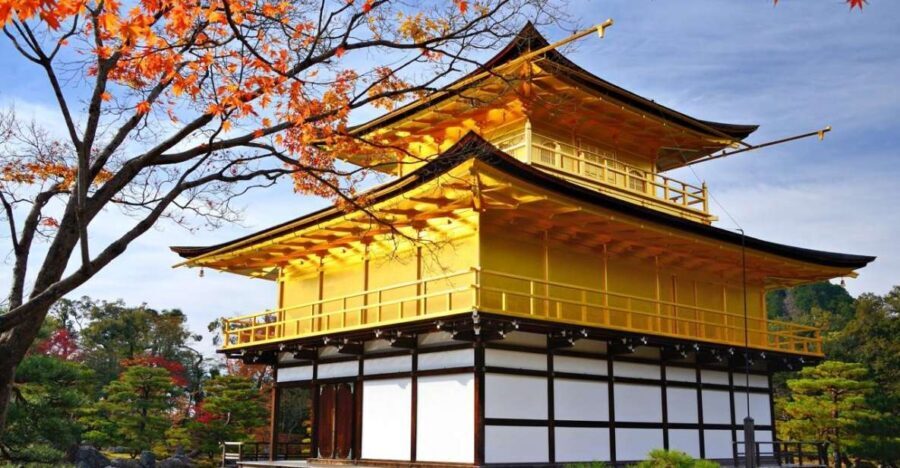
- Golden Pavilion’s real gold leaf explained in plain terms, including what it was signaling
- Nijo Castle’s nightingale floors, tied to security and power in the shogun era
- Nishiki Market ends the tour at lunch time, so you can choose what you want fast
- iPad visuals to keep the story understandable while you’re walking
- Private group pacing, with time for your questions and photo requests
Four Stops, One Clean Half-Day Flow
This is the kind of Kyoto half-day that respects your energy. You start at Kyoto Station, then use public transport to connect three major landmarks without wasting the whole morning in transit.
The big win is pacing. At Kinkaku-ji, you get guided time to understand what you’re seeing before you wander. Then you move to Nijo Castle, where the architecture and security details make much more sense once someone explains why the shogun system worked the way it did. Finally, you finish at Nishiki Market, where lunch is basically built in.
A few more Kyoto tours and experiences worth a look

Meeting Point at Kyoto Station: Easy Start, Clear Target
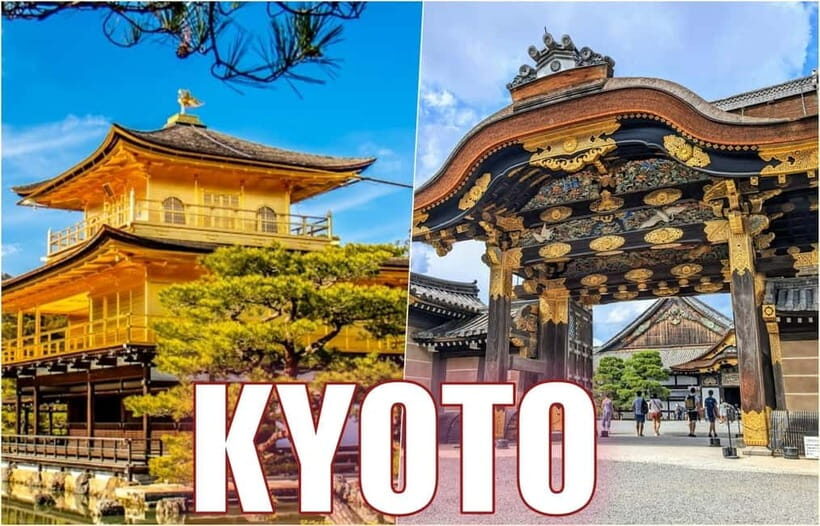
You’ll meet in front of the door of a 7-Eleven Heart-In at JR Kyoto Station Bldg. 1F on the Kyoto Tower side exit. The guide holds an iPad and a red card with the words RBRT (Roberto), which makes spotting him straightforward.
Timing matters here because the tour runs rain or shine, from 8:30 AM to 12:30. Wear comfortable shoes and plan to move steadily. This is not a slow sit-down tour; it’s a “see, learn, walk, repeat” format.
Kinkaku-ji Golden Pavilion: Real Gold Leaf with a Power Story
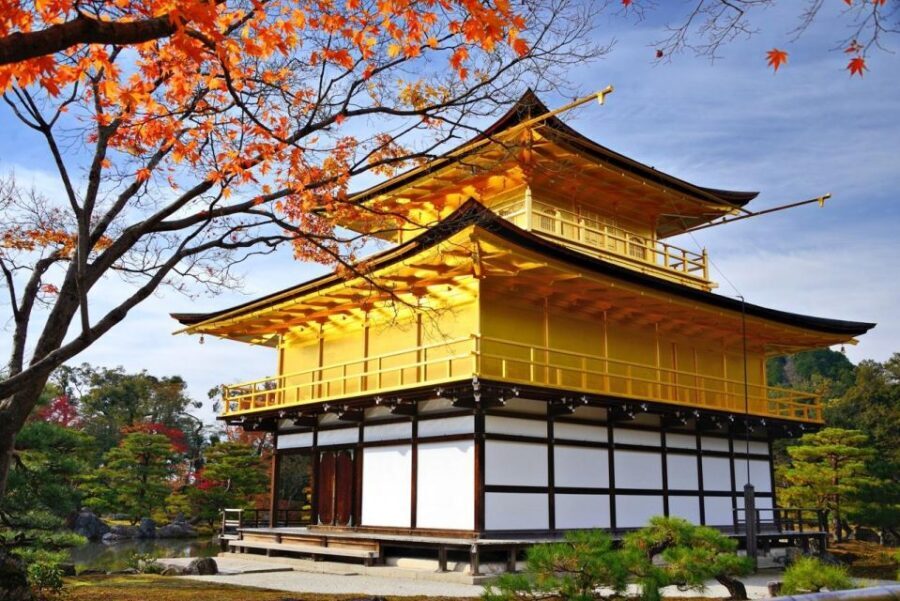
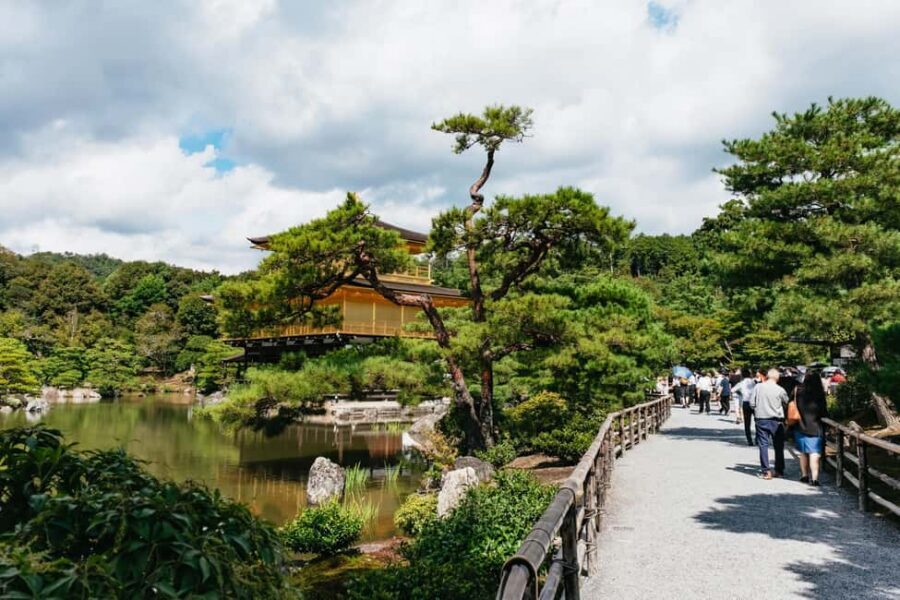
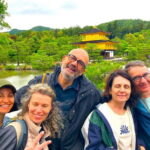
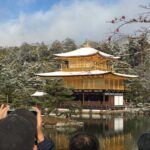
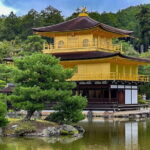
Kinkaku-ji is one of those places you’ve probably seen in photos, but seeing it in person is still a shock. The pavilion is a Zen Buddhist temple in northern Kyoto, and it’s famous for being covered with real gold leaf—especially on the top two floors.
Here’s what I love about how it’s taught on this tour: you don’t just learn the name and the postcard view. You learn why it was built the way it was. Kinkaku-ji was originally built as a villa for Ashikaga Yoshimitsu, a revered shogun of the 14th century. That connection changes how you interpret the building. It isn’t only about religion and beauty; it’s also about wealth, power, and devotion displayed in architectural form.
What to watch for when you’re there
- The pond reflections: the gold leaf looks even more striking when light hits it just right.
- The structure’s layout: you’ll get a clearer sense of how the pavilion’s levels create visual impact.
- Zen context: even if you’re not a temple-history expert, the guide’s explanations help you connect the “why” behind the design.
A practical consideration
Temple areas can have photo restrictions. You’ll be told there are places where it’s forbidden to take pictures, so keep your plan flexible and enjoy what you can capture.
A few more Kyoto tours and experiences worth a look


Nijo Castle: Nightingale Floors and the Shogun vs Samurai Reality
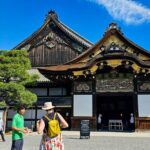
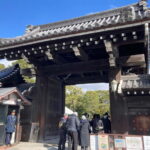
After Kinkaku-ji, the tour shifts from a single icon to an entire political story. Nijo Castle is also a UNESCO World Cultural Heritage site, and it’s centered on the Edo Period—when the shogun system was tightening control while samurai culture was still shaping daily power.
The guide focuses on the struggles between samurai, feudal lords, and the shogun, described as a powerful military dictator who needed reliable control. This is where the tour becomes more than sightseeing. You start to understand how architecture could enforce authority.
Why the nightingale floors matter
The star detail is the nightingale floors, designed to chirp when walked upon. Think of it like an early warning system: if someone moves where they shouldn’t, the sound gives away the intrusion. That’s an easy detail to remember—and it makes the whole “castle as control tool” idea feel real.
What you’ll likely notice in the buildings
You’ll have guided time (about 95 minutes) to see Edo period architecture, including:
- Intricate woodwork and design details
- The castle’s role in the shift from the samurai era toward Japan’s later modernization
If you’ve ever wondered how Japan moved from feudal power structures to a new direction, this stop helps you connect the dots.
Nishiki Market Lunch Hour: Kyoto’s Kitchen Without Guessing
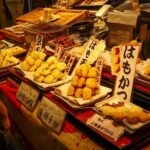
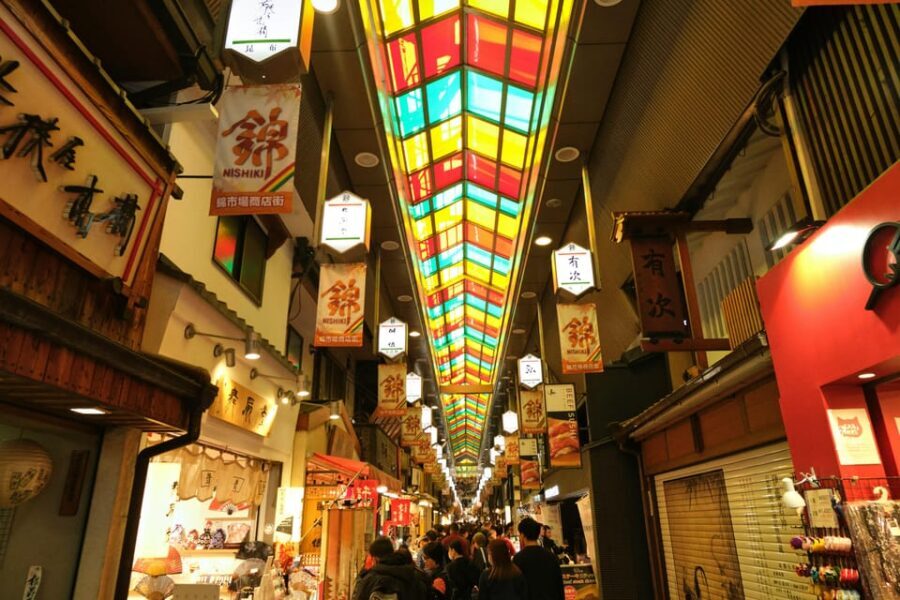
Then the tour finishes at the entrance of Nishiki Market around 12:30 PM. That’s a smart ending. You go from major cultural sites to the everyday Kyoto experience—food, cookware, snacks, and quick decisions.
Nishiki Market is a narrow, five-block long shopping street known as Kyoto’s Kitchen. It has over one hundred shops and restaurants, and it’s heavy on food-related items like:
- fresh seafood
- produce
- knives and cookware
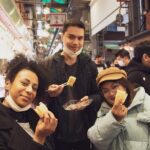
The atmosphere usually hits a nice balance of lively and hectic, and it’s one of the easiest ways to get your bearings for eating in Kyoto. Your guide explains the market’s origins, then you can choose your own lunch from the options in front of you.
A helpful way to use the free time
If you’re not sure what to eat, start with something that matches your energy level:
- a small bite while you walk, then
- a sit-down meal after you’ve checked prices and lines
That keeps you from rushing into the first place you see.
The iPad Visuals: What They Add to Your Understanding
One of the more useful parts of this tour is the iPad explanation system. It’s not just narration. The guide uses images to explain concepts while you’re looking at the real place in front of you.
That matters because Kyoto history can feel abstract when you’re standing in a courtyard. When someone links the story of the shogun era to the pavilion design or castle security features, you start noticing details you would otherwise skip.
It also makes the experience friendlier if you’re traveling with different interests in your group. People who love architecture get it, and people who love history get it too.
Private Group Pacing and Attention (Including Photos)
This tour is a private group, which changes how the morning feels. Instead of a one-size-fits-all pace, you can ask questions as you walk, and the guide can respond on the spot.
Photo-wise, it’s also built for convenience. The tour includes that the guide can take as many pictures of you as you want. That’s a small thing, but in places like Kinkaku-ji and Nijo Castle, it saves time and frustration when you’re trying to get a clean shot.
Price and Value: What You Pay vs What You Get
The tour is listed at $90 per person for about 4 hours (8:30 to 12:30). Entrance fees are separate:
- Golden Pavilion entrance: 500 yen (approx. US$3.10)
- Nijo Castle entrance: 1,300 yen (approx. US$8.15)
So you should plan on paying those on your own, but the guided portion includes what really drives value: a certified guide, iPad explanations, and guided time at both UNESCO sites, plus an end-point that leads directly into lunch.
Where the value shows up is the combination:
- time at two major UNESCO locations,
- history that connects them,
- and a smooth landing at Nishiki Market so your morning doesn’t end with “now what?”
Also, it’s noted that it’s not necessary to pay for the guide’s entrance fees and transportation, which keeps your head clear about what costs are your responsibility.
Getting Around: Public Transport, Not a Car Tour
The routing uses public transit. After meeting at Kyoto Station, the schedule includes:
- a bus ride (~35 minutes) to reach the Golden Pavilion area
- subway/metro segments between stops
- and a short walk to Nishiki Market (about 10 minutes)
Why this matters: it keeps the experience authentic and practical. You’ll feel how Kyoto actually moves, and you won’t be dependent on a private vehicle.
Just remember it’s still an active morning. The tour is described as not climbing mountains and not doing very long stair routes, but you still need to be at least generally comfortable on foot.
Who This Tour Suits Best (and Who Might Struggle)
This half-day fits best if you:
- want the biggest Kyoto highlights in a short window
- like history tied to real buildings and real details
- appreciate a guide who can explain Edo Period context clearly
- want the day to end with an easy lunch plan
It may be tough if you are:
- pregnant
- dealing with back problems
- wheelchair users
- prone to seasickness (not because you’re on a boat, but because it’s flagged as a concern)
- low on fitness for walking days
Also, it’s not set up for baby strollers or luggage/large bags. If you’re traveling with lots of gear, plan to keep it light for this morning.
Rain, Photos, and Temple Rules: The Stuff to Plan For
This tour runs rain or shine, so bring a workable rain layer if the forecast looks uncertain.
For photos, accept that temple rules can limit where you can shoot. Even if you love photography, treat this as a morning where you also experience the place, not just photograph it. The guide will help you understand where you can take photos.
Finally, go in wearing good shoes. In a four-hour tour, small comfort issues snowball fast.
Should You Book This Half-Day Tour?
I think this is a strong booking for the right traveler: someone who wants Golden Pavilion + Nijo Castle + Nishiki Market in one clean half-day, with history explained in a way that makes the sites make sense.
Book it if:
- you want a guided story behind both UNESCO stops
- you like practical guidance and clear visuals on an iPad
- you want lunch to be handled by finishing at Nishiki Market
- you enjoy private, question-friendly pacing
Skip it if:
- you can’t do moderate walking or you need stroller-friendly logistics
- temple photo rules would frustrate you
- you’d rather spend longer at one site instead of seeing three in one morning
FAQ
How long is the Golden Pavilion, Nijo Castle, & Nishiki Market half-day tour?
It runs about 4 hours, from 8:30 AM to 12:30 PM.
Where do I meet the guide?
Meet in front of the door of the 7-Eleven Heart-In at JR Kyoto Station Bldg. 1F, using the Kyoto Tower side exit.
What does the tour include?
A Kyoto City certified guide, iPad explanations with images, and the guide can take as many pictures of you as you want. Transportation is handled as part of the tour plan.
Are entrance fees included for Golden Pavilion and Nijo Castle?
No. You pay them separately: Golden Pavilion is 500 yen and Nijo Castle is 1,300 yen (approximate USD amounts are provided).
What language(s) is the live tour guide available in?
The tour is available in English and Spanish.
Does the tour run in bad weather?
Yes, it takes place rain or shine.
Is there a lot of walking or stairs?
It’s a walking tour with public bus and train use. You won’t climb mountains or very long stairs, but you should be in walking condition.
Are photos allowed everywhere inside the temples?
No. There are places where taking pictures is forbidden.
Is this tour suitable for everyone?
It is not suitable for pregnant women, people with back problems, wheelchair users, people prone to seasickness, or those with low level of fitness. Baby strollers and luggage or large bags are not allowed.
If you tell me your travel dates and what kind of history you enjoy most (samurai, architecture, religion, or food), I can suggest what to prioritize during the time you’ll have in Nishiki Market after the tour.